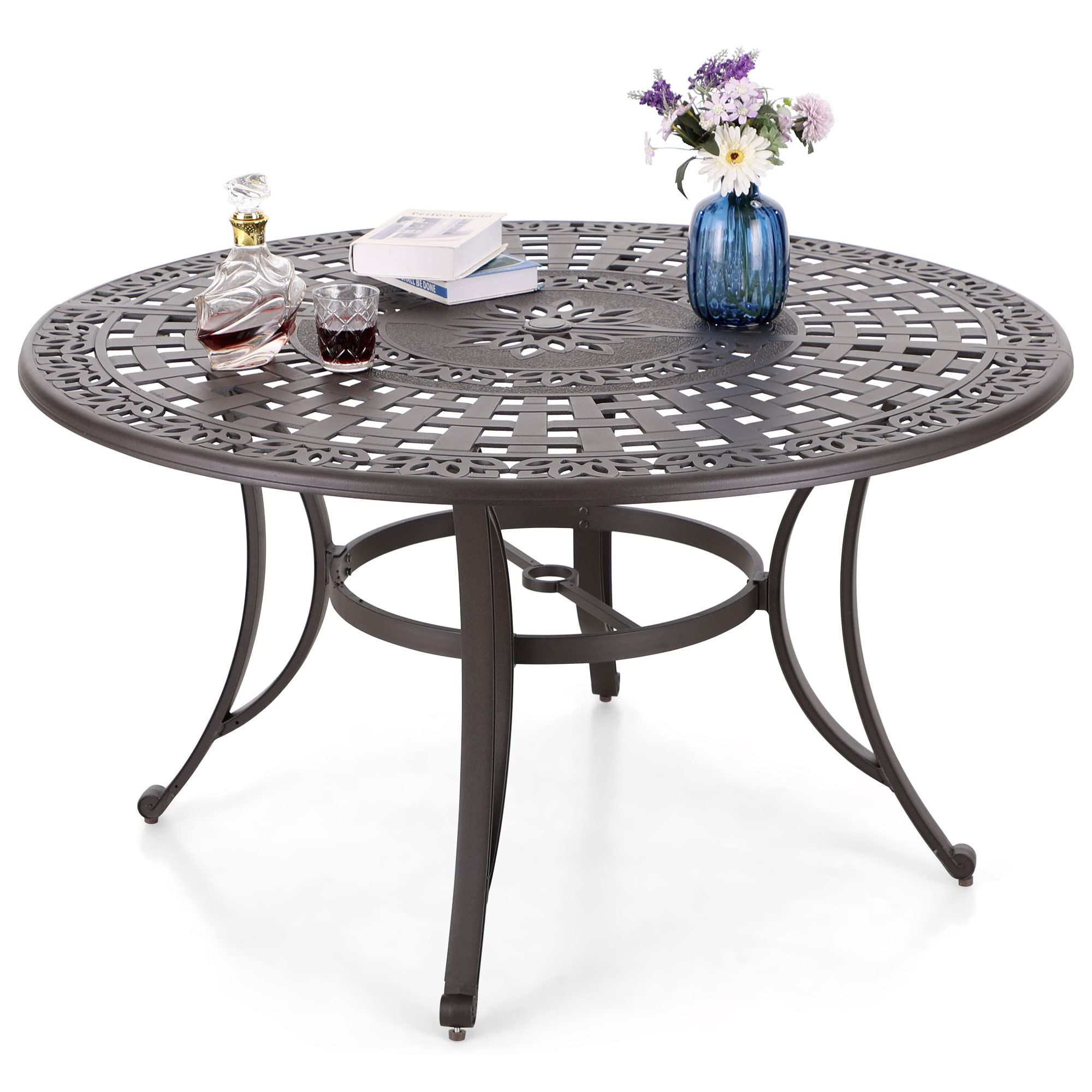
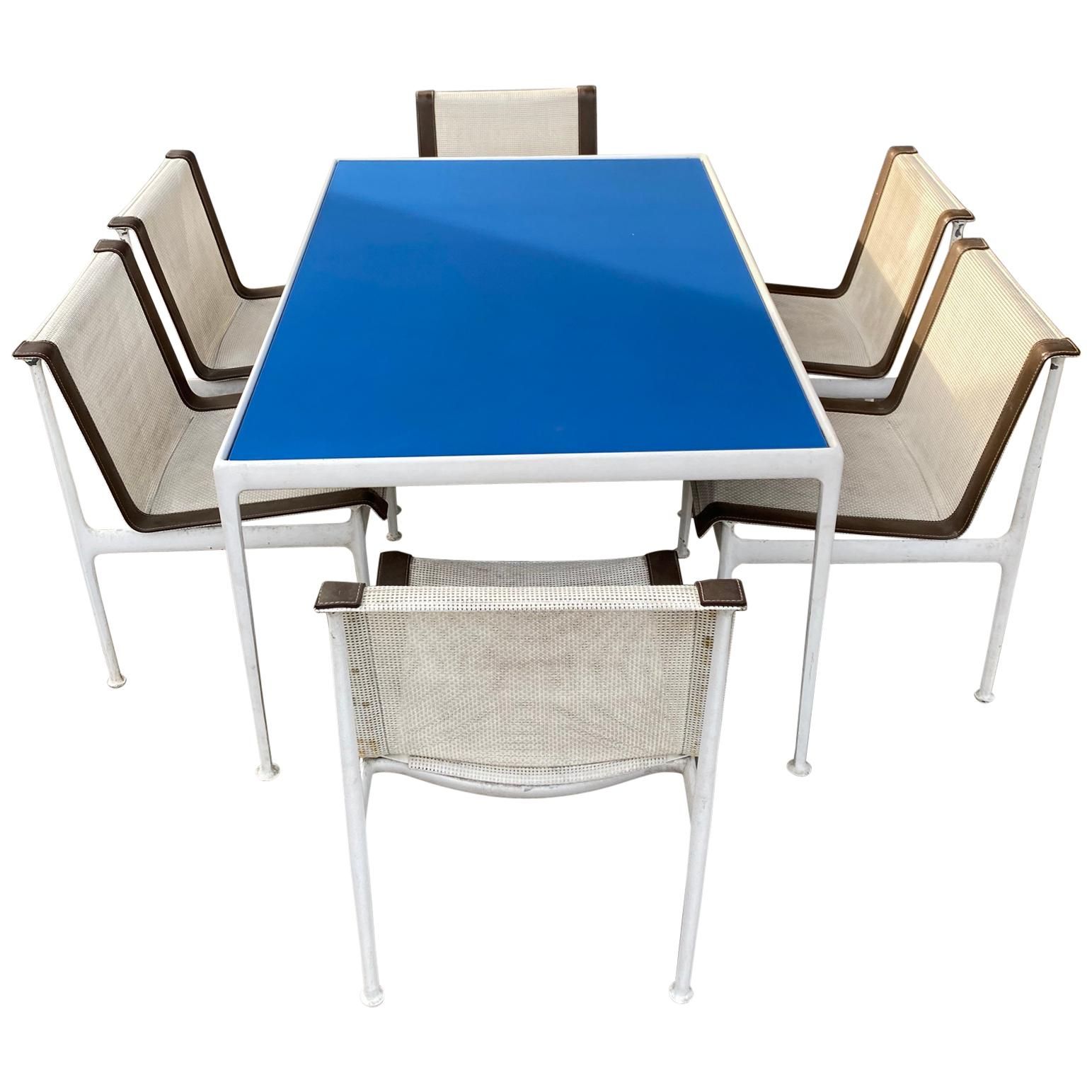
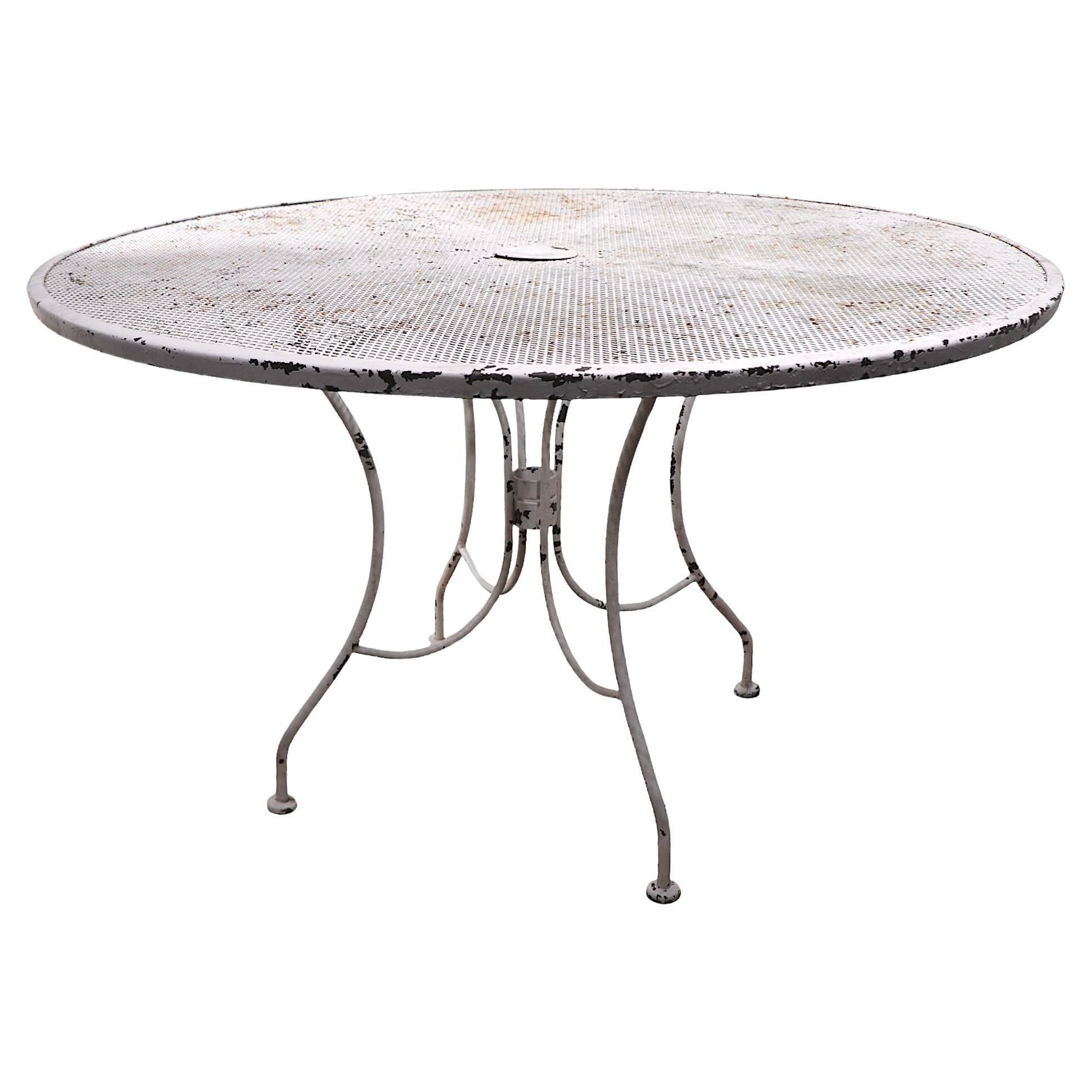
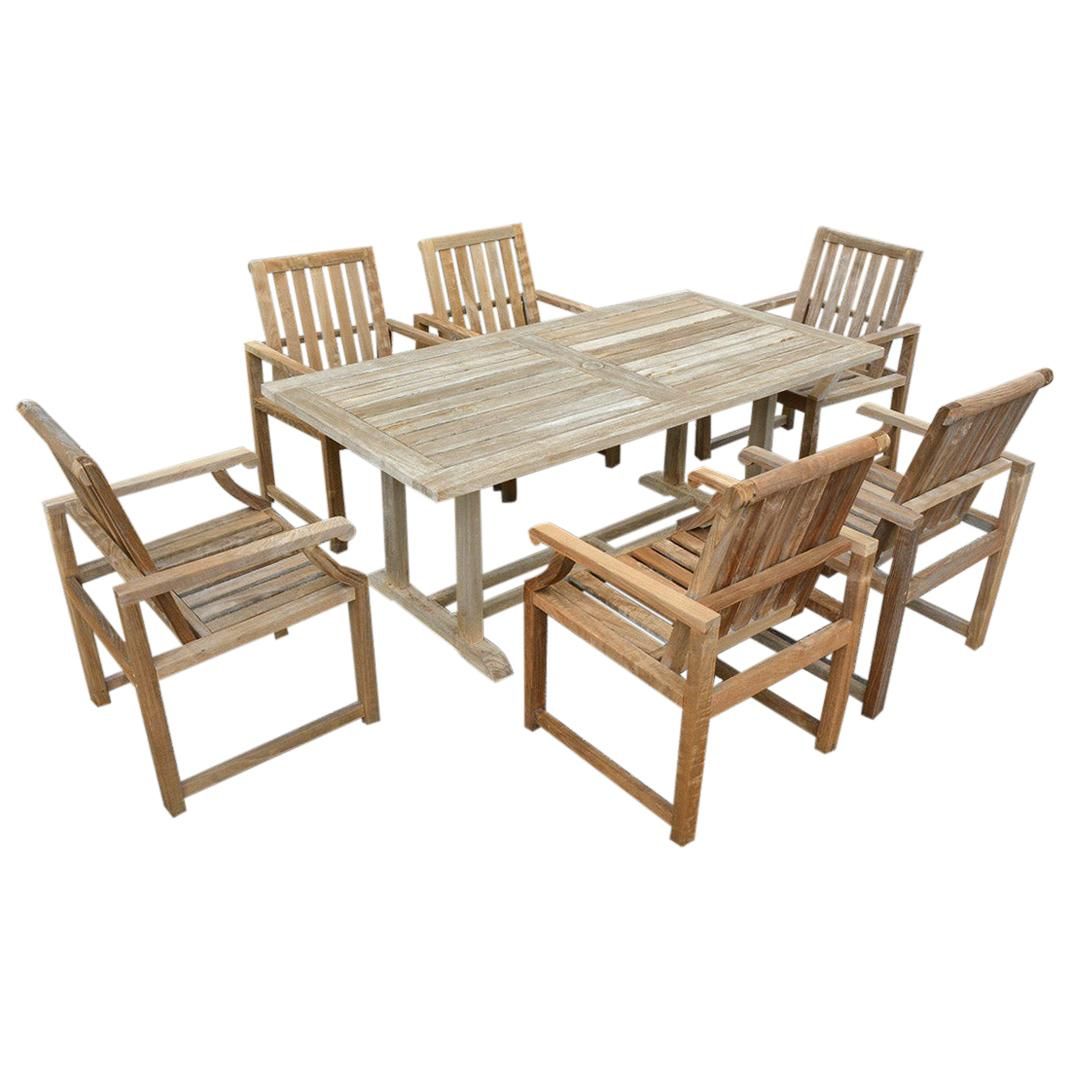
There is something magic about settling into a chair that has seen decades of sun, rain, and laughter. It feels less like sitting on a piece of wood or metal, and more like joining a conversation that started long before you were born. When you curate a classic outdoor dining experience with vintage garden furniture, you are doing more than just picking out chairs. You are weaving a story into the fabric of your garden.
Why do we crave this look so much in 2026? Maybe it’s the noise of the digital world that makes us want something real. Something with a patina that no factory can replicate. A table from the late 19th century or a mid-century set from California carries a weight that new furniture just cannot match. It slows you down. It tells you to take a breath.
Think about the last time you had a meal outside. Was it rushed? Or did the setting make you stay for an extra hour, sipping wine as the sun dipped low? That is the power of vintage. It transforms a simple backyard into a destination. Let’s talk about how to make that happen without losing your mind over details.
Finding the Heart of Your Space
Every great story needs a beginning, and for your outdoor dining room, that beginning is the table. This is the anchor. You don’t just grab the first thing you see. You look for character. Maybe you find a heavy stone top from Belgium, paired with an iron base that has a geometric design dating back to the 1800s. These pieces are tough. They were made to last. The stone is durable, and the iron holds a patina that only age can provide. It is a statement serving table that whispers history.
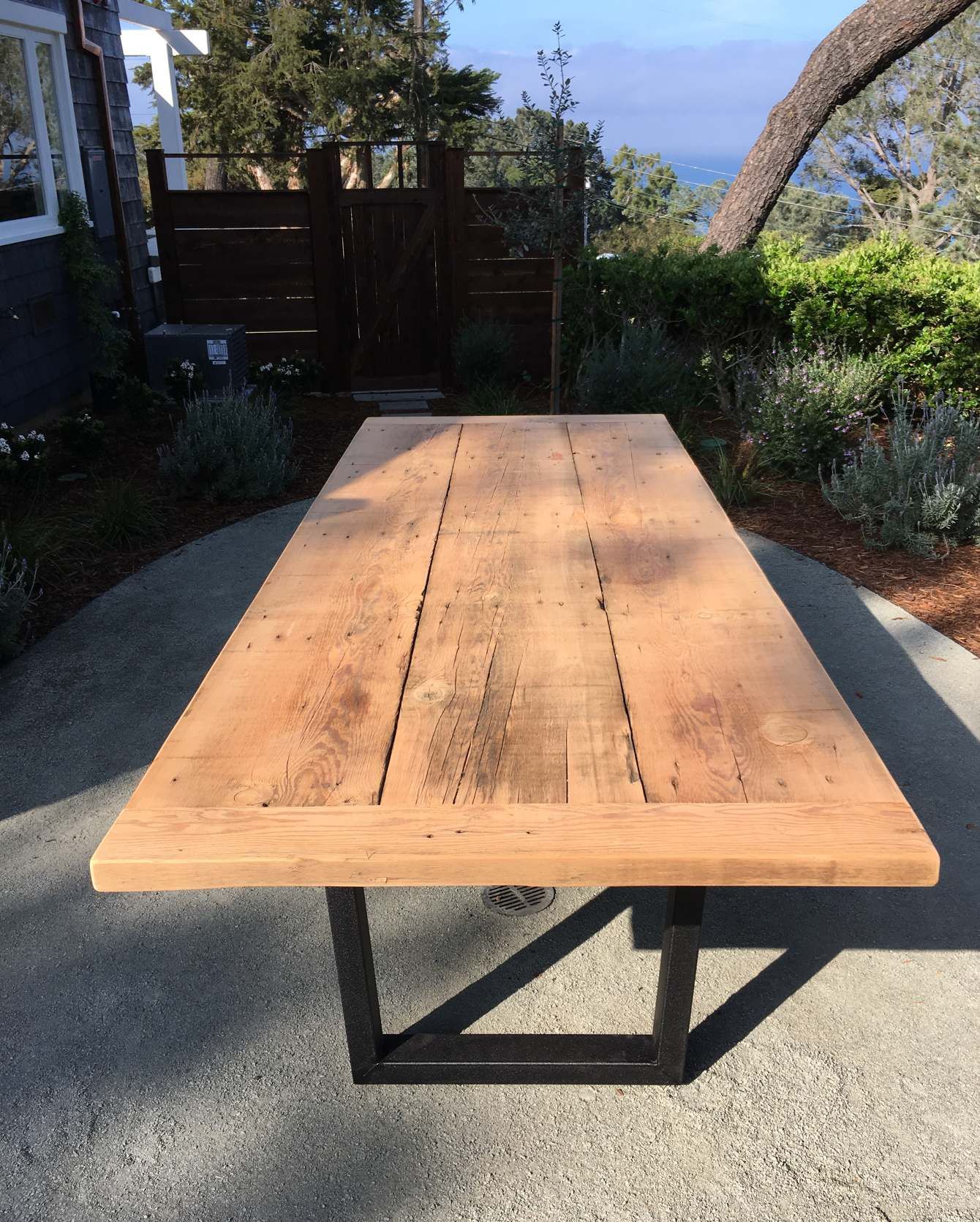
If stone isn’t your thing, look at the wood. There are beam benches made from salvaged local pine logs. They are narrow and backless, which gives them a rustic, simple line. The texture of the end grain shows up beautifully, reminding you that nature is messy and wonderful. You can find these in places where people hunt for unique finds, from online marketplaces to local antique shops.
Don’t fear the wear. A table with a few scratches is better than one that looks too perfect. It invites touch. It invites you to put your arm on it. In 2026, we want furniture that feels lived-in. It should feel like it belongs in your garden, not like it just arrived from a big box store.
Choosing Chairs That Tell a Tale
Once the table is set, you need seats that match the vibe. This is where the fun really starts. You might go for a Parisian-style bistro table from the late 1800s. It brings a bit of France to your backyard. The chairs that go with it are often simple metal frames. They are elegant, light, and easy to move.
Or perhaps your style is a bit more mid-century modern. Think of the Southern California pedigree of brands like Brown Jordan. They know how to cue up an optimal outdoor experience. Their iconic chairs and sprawling multi-piece dining sets are perfect for poolside or patio living. Look for the Tamiami chair. It has a wavy frame laced with a trellis of colored vinyl straps. It is classic, no-fuss, and adds a splash of color that feels very 2026.
Metal chairs with elaborate scrollwork can also be stunning. Italian gilt outside chairs are a thing of beauty. They catch the light and add a touch of drama. But be careful. A chaise lounge frame with cushions is great for relaxing, but for dining, you want something that keeps you upright and comfortable for a long meal. Balance is key.
Mixing Eras and Textures
Here is a secret: you don’t need everything to match perfectly. In fact, trying to match everything can make a space feel stiff. The best vintage settings are a mix. You can have a French pedestal metal garden table in the middle of the yard, surrounded by a Belgian stone console serving table nearby. It sounds crazy, but it works.
Try mixing materials. Put a rustic pine bench next to a sleek metal chair. The contrast creates visual interest. It makes people look closer. It makes them ask, "How did you find that?" When you mix eras, you create a layered look. It shows that you have been collecting pieces over time.
Comfort is still important, though. If you are having a long dinner, you might want to add some cushions. A vintage metal chaise lounge frame becomes a cozy spot with the right pillows. But don’t overdo it. Let the vintage lines show through. The charm is in the structure.
Weathering the Elements
Let’s be real for a second. The outdoors is tough. It rains. The sun beats down. Humidity creeps in. Vintage furniture was often made to handle this, but it needs a little love. A heavy iron base with geometric lines is durable, but it can rust if you ignore it. A stone top is great, but it can get slippery when wet.
In 2026, we have better ways to protect these treasures. You can use special covers, but sometimes it is better to let them age naturally. If you live in a rainy area, maybe bring the cushions inside. For the metal frames, a quick wipe down after a storm helps. The key is to enjoy them without fear. If you are afraid of ruining your furniture, you won’t use it.
Think about the location. A beam bench might look great on a patio, but maybe not right next to a sprinkler. Move it to a spot where the rain doesn’t hit it constantly. A concrete floor or a covered deck helps too. You want your furniture to age gracefully, not rot away.
Setting the Scene for Memories
Furniture is just the shell. The soul of the experience comes from the details. How do you set the table? Vintage glassware, maybe some mismatched plates, and a centerpiece of fresh flowers. It doesn’t have to be perfect. A little asymmetry adds to the charm.
Lighting makes a huge difference. As the sun goes down, the mood changes. String lights or lanterns can turn a simple patio into a magical spot. Think about the sounds too. The rustle of leaves, the distant hum of the neighborhood, the clink of silverware against a ceramic plate. These are the moments that stick with you.
Don’t forget the food. A classic outdoor dining experience is nothing without good food. But the setting enhances it. Eating on a vintage table feels more special. It makes you appreciate the ingredients. It makes you savor the moment. It turns a Tuesday dinner into a celebration.
At the end of the day, this is about you. It is about your space, your life, and your memories. You don’t have to follow strict rules. If you find a chunky sleeper style garden corner sofa on Etsy, and it fits your vibe, use it. If you want a rustic farmhouse look, go for it. The market is full of options, from online shops to local antique stores.
The goal is to create a space where you want to be. A place where friends gather and family laughs. A place where the past meets the present. When you curate your own vintage outdoor dining area, you are making a statement. You are saying that slow living is still possible.
Start small. Find one piece that speaks to you. Build around it. Don’t rush. The best collections are made over time. And remember, it is okay if it is not perfect. Imperfection is what makes it real. So go out there, explore, and find your perfect spot. The world is waiting for you to sit down and enjoy it.