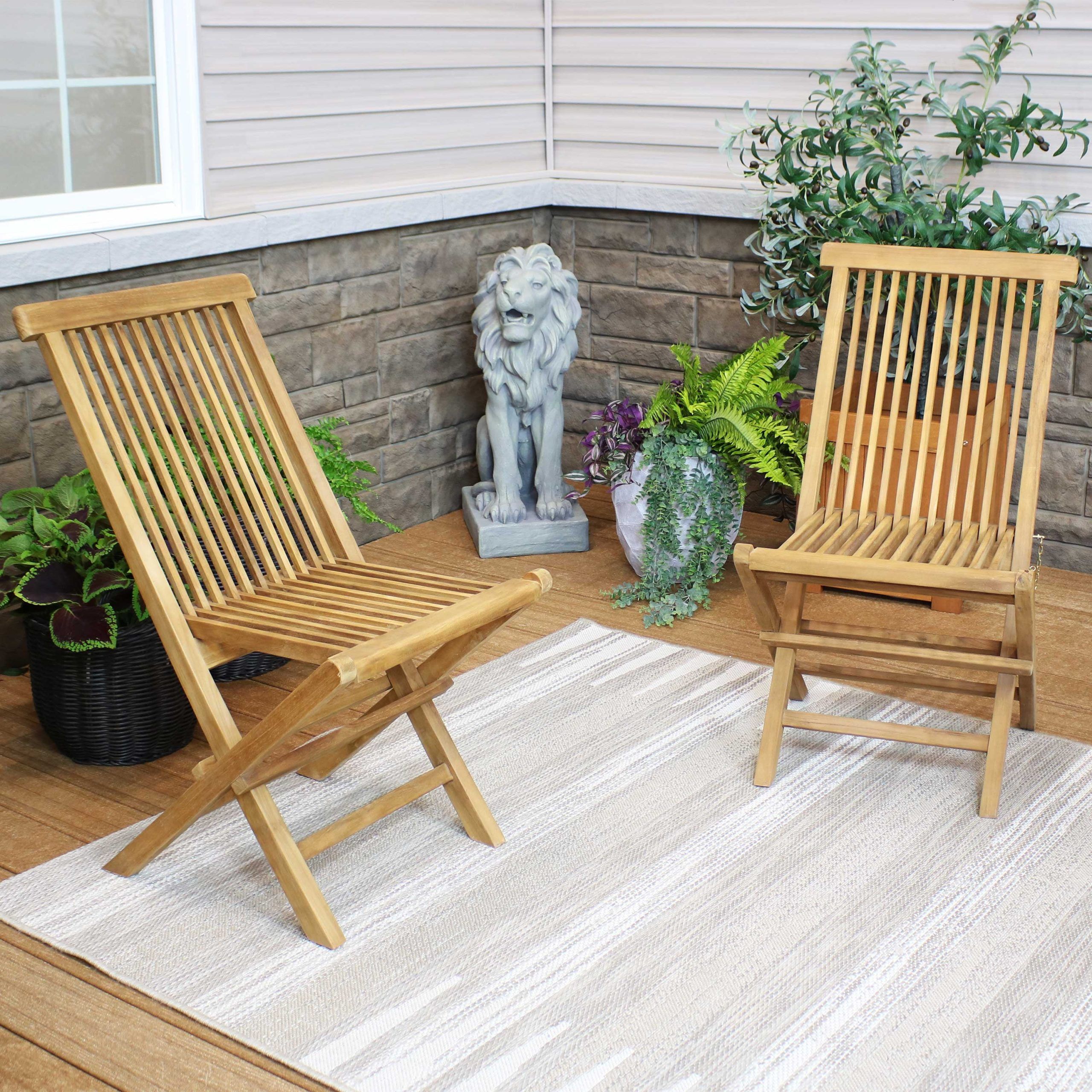
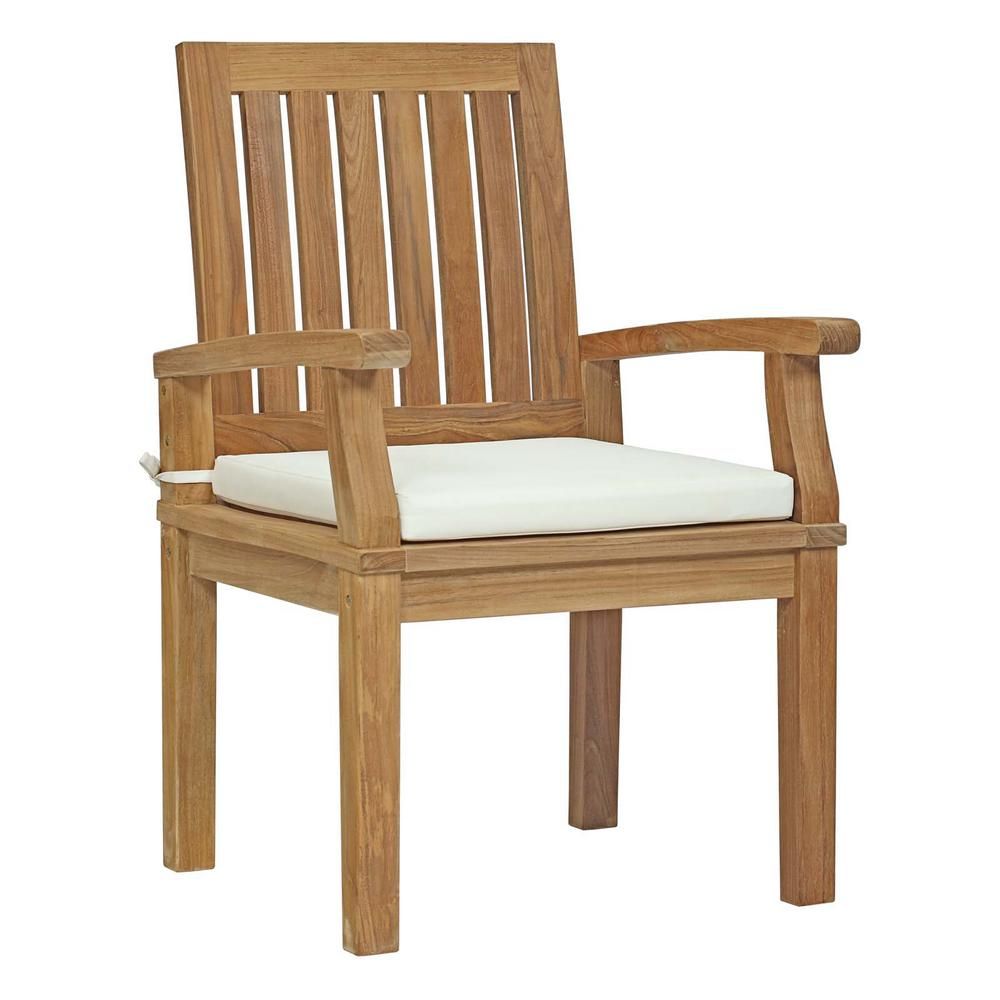
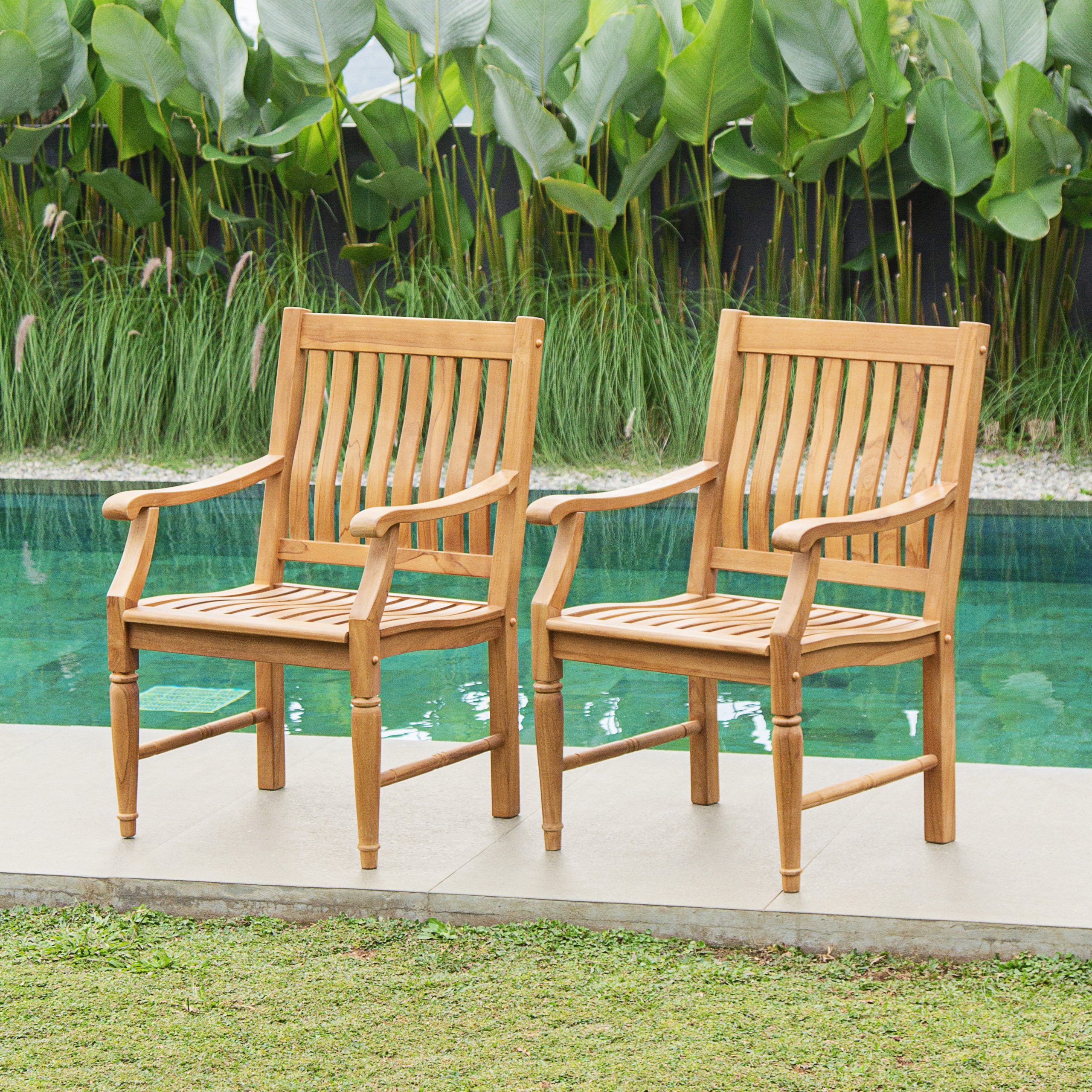
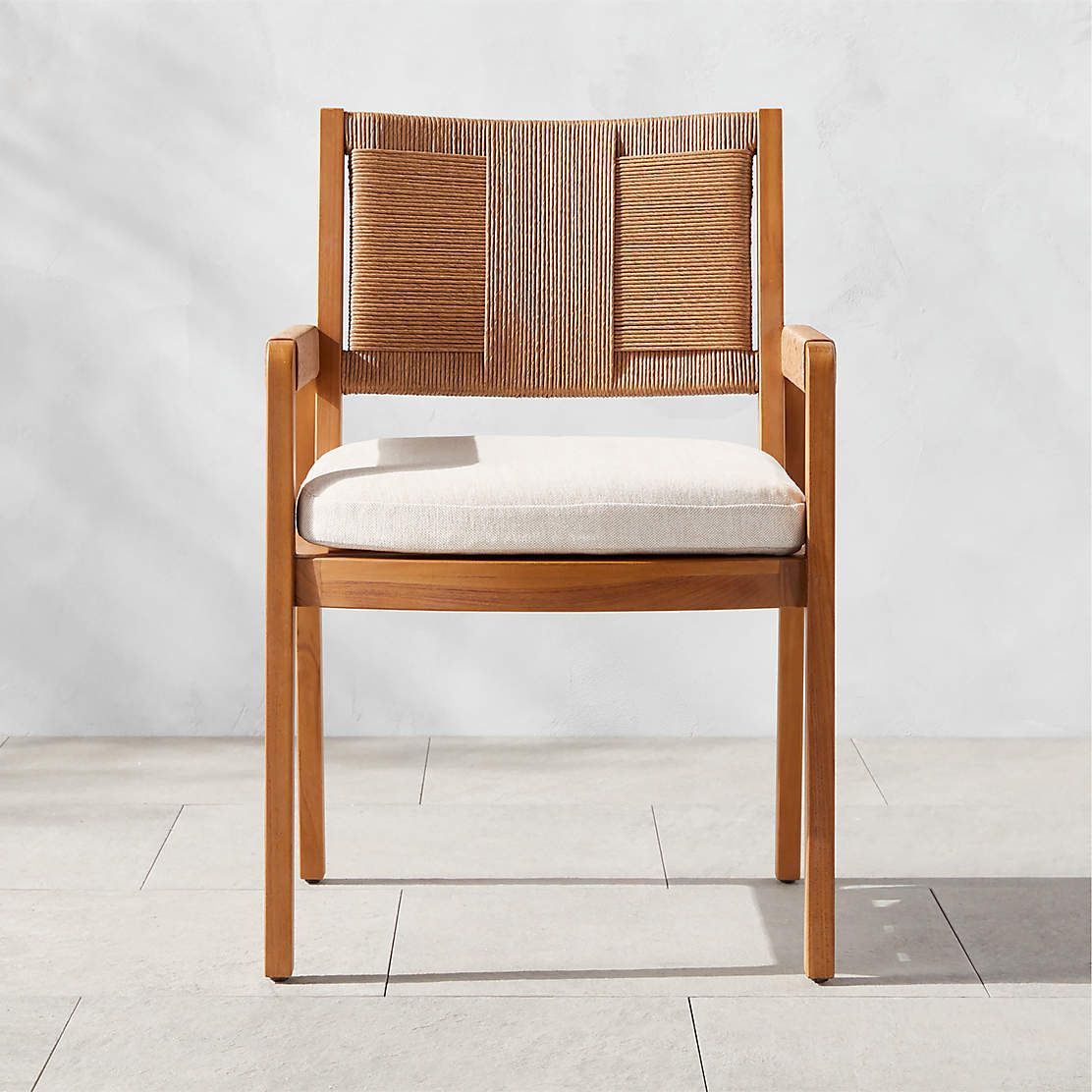
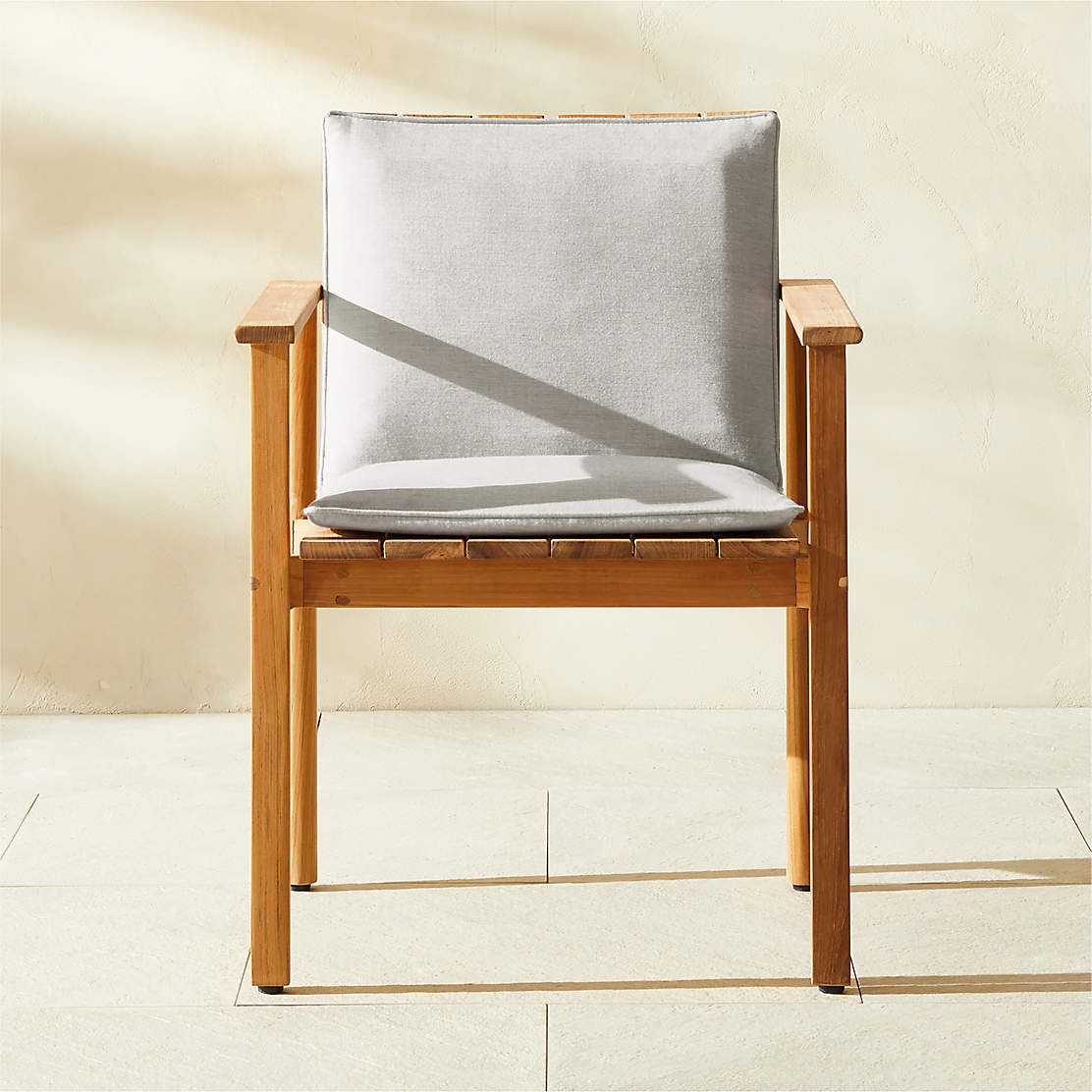
Have you noticed the air feels heavier lately? Like you can almost taste the rain before it even falls? That is the reality of 2026, a year where humidity levels have reached staggering new heights. We are talking about conditions that make ordinary wood sweat, swell, and twist into shapes that look nothing like the furniture you bought five years ago. It is frustrating, isn’t it? You buy a nice chair, expecting it to last, and suddenly the legs are uneven or the seat is bowing.
But there is one material that just laughs in the face of the weather. It stands tall while everything else sags. We are talking about Grade A teak. It is not just a trend or a marketing trick. It is a biological miracle wrapped in wood. While other materials struggle with the moisture in the air, Grade A teak holds its ground. It stays square. It stays true.
Why is this happening now more than ever? Because the climate has shifted. The old rules about wood don’t apply when the air is thick with water vapor. You need something with a secret weapon. That secret is the tight grain and the natural oils deep inside the heartwood. It is a defense mechanism built over decades of growth, waiting for you to bring it home.
The Science of Staying Put in a Wet World
Let’s get down to the nitty-gritty of why some chairs work and others fail when the humidity hits peak levels. It all comes down to the cellular structure. Grade A teak has a unique makeup. Its fibers are packed incredibly tight together. Think of it like a brick wall where every single brick is fused together with mortar. There are no gaps for water to sneak in and push the structure apart.
Most other woods have wide pores. When they drink in the moisture from the air, they expand. Then, when the sun comes out, they dry and shrink. This constant back-and-forth is what causes warping, cracking, and splitting. It is a cycle of stress that breaks the wood over time. Grade A teak simply does not have that problem. Its density limits movement within the wood so much that it barely moves at all.
The natural oils are the real heroes here. These oils act like a waterproof coat that is part of the wood itself. They repel water before it can even touch the fibers. This means that even in the most oppressive 2026 heatwaves, where the humidity hangs heavy all day long, the chair remains stable. It is impervious to the moisture that ruins everything else.
The Critical Difference Between Teak Grades
You might be wondering, isn’t all teak the same? The answer is a hard no. This is where people get into trouble. There is Grade A, Grade B, and even Grade C teak. The difference is huge, and it is the reason why some chairs survive the 2026 season while others end up in the trash. Grade A teak comes from the heartwood, the oldest and strongest part of the tree. It is rich in those protective oils and silica.
Grade B and C teak are different. They come from the outer edges or the younger parts of the tree. They lack the density and the oil content of the heartwood. If you buy a chair made of Grade C teak, you are buying sapwood. It looks pale and creamy, but it is soft. It does not have the natural armor to stop water. In high humidity, it will warp rapidly. It can rot and invite pests.
The market is flooded with lower grades that look similar at first glance. You have to know what to look for. You need that deep golden-brown color that turns to a weathered silver-gray over time. If the wood is pale or has knots everywhere, it is likely not Grade A. Choosing the right grade is the single most important decision you make for your outdoor space. It defines whether your furniture lasts twenty years or just two.
The 2026 Climate Challenge and Furniture Longevity
We are living in a time where weather patterns are more extreme than ever before. In 2026, humidity is not just a nuisance; it is a constant threat. Regions that used to have dry summers are now seeing moisture levels that feel like a tropical rainforest. This is a nightmare for outdoor furniture. Manufacturers are scrambling to find materials that can handle this new reality.
Polymer furniture is an option. It does not rot and it resists insects. But it has its own issues. It can fade in the sun, and it feels cold and plastic-like. Plus, it does not have the same structural integrity as real wood. When the humidity spikes, poly can still get brittle or crack over time. Teak offers something poly cannot. It breathes. It adapts without breaking.
Hardwoods like oak or teak that is not Grade A are simply not cut out for this. They absorb water like a sponge. In a 2026 humidity event, a standard hardwood chair might warp within weeks. The joints loosen. The frame goes out of square. Tables stop being flat. But Grade A teak stands firm. It keeps the joints tight. It keeps the frame square. It is proof against the elements in a way that nothing else can match.
The Role of Kiln Drying and Moisture Control
Even the best wood can fail if it is not prepared correctly. This is why the process matters. Before a Grade A teak chair ever reaches your porch, it undergoes a rigorous drying process. The wood is kiln-dried for up to six weeks. This is not a quick fix. It is a slow, careful reduction of moisture.
The goal is to get the moisture content down to exactly 10%, plus or minus 2%. This specific level is crucial. If the wood has too much water inside when it is built, it will shrink and crack later. If it is too dry, it might absorb too much moisture from the air and swell. By hitting that 10% mark, the wood is in perfect balance with the environment.
This controlled starting point is what gives Grade A teak its stability. It means the chair is already "pre-conditioned" for the weather. When the humidity rises, the wood has very little room left to absorb water. It is already close to equilibrium. This prevents the swelling that causes warping. It is a simple concept, but one that many cheaper manufacturers skip to save money. You pay for the patience of the kiln drying, and you get a chair that never shakes.
Real-World Performance in Extreme Conditions
Imagine sitting on a chair during a summer storm in 2026. The rain is pouring down. The air is thick with water. You walk outside to grab the chair, and you see what happens to the competition. They are buckling. The legs are splayed out. The seat is dipping in the middle. It is ugly and unsafe. Now look at the Grade A teak chair. It is dry on the surface, but the structure underneath is solid.
This is not just theory. We have seen this happen across the country. In coastal areas where salt air mixes with humidity, teak is the only choice. It resists salt corrosion and insect damage. Tables stay flat. Chair frames remain square. Joints stay tight despite the humidity extremes that would severely warp other furniture. It is a testament to the quality of the wood.
People who own Grade A teak often say they forget they have it. They leave it out all year round. They do not cover it. They do not oil it every month. They just sit on it. And it keeps looking good. The patina that forms is beautiful. It is a silver-gray that tells a story of resilience. It is the difference between furniture that is a liability and furniture that is a legacy.
Why Investment in Quality Pays Off Over Time
Let’s be honest about money. Grade A teak costs more upfront. It is a significant investment. But when you do the math for 2026 and beyond, it is the cheapest option in the long run. How many times do you have to replace a cheap chair before you buy one good one? Maybe twice. Or three times.
A good Grade A teak chair can last 20 to 30 years with minimal maintenance. It will not crack, warp, or splinter. It is completely impervious to moisture, salt air, and insect damage. That is a lifetime of use. A cheap chair might last two years before it falls apart. You are paying for peace of mind. You are paying for the ability to sit outside without worrying about the weather.
The feeling of knowing your furniture can handle anything the sky throws at it is priceless. There is a comfort in that. It is about creating a space that is yours, a place to relax that will not let you down. In a world of changing climates and uncertain weather, having something that stands strong is a luxury we all deserve. It is not just about wood. It is about stability in a shifting world.
So, what is the verdict? When the humidity peaks in 2026, and the air feels heavy and oppressive, Grade A teak remains the only chair that won’t warp. It is the result of nature’s design and human craftsmanship working together. It is the result of tight grain, natural oils, and careful drying.
If you want furniture that lasts, you need to make the right choice. Do not settle for Grade B or C. Do not trust plastic when you want the real thing. Choose the heartwood. Choose the stability. Choose the chair that will be there for you and your children for decades to come.
The weather is changing, but your furniture choices don’t have to be complicated. Pick the right wood, and you can sit back and enjoy the view, secure in the knowledge that your chair is as strong as the day it was built. It is the only way to beat the humidity.