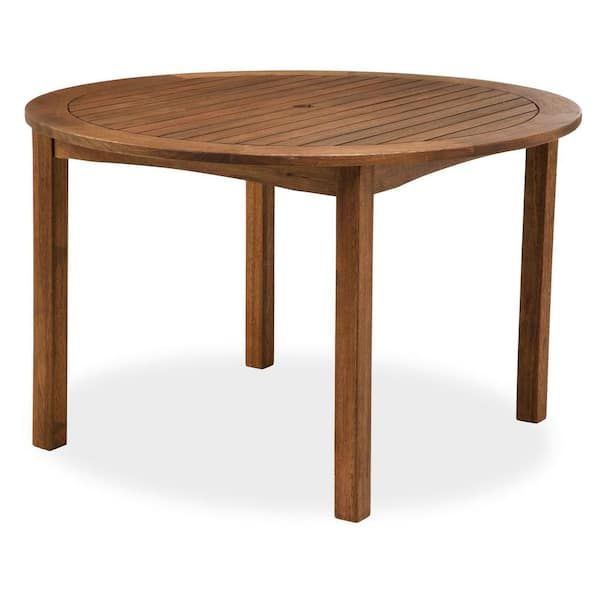
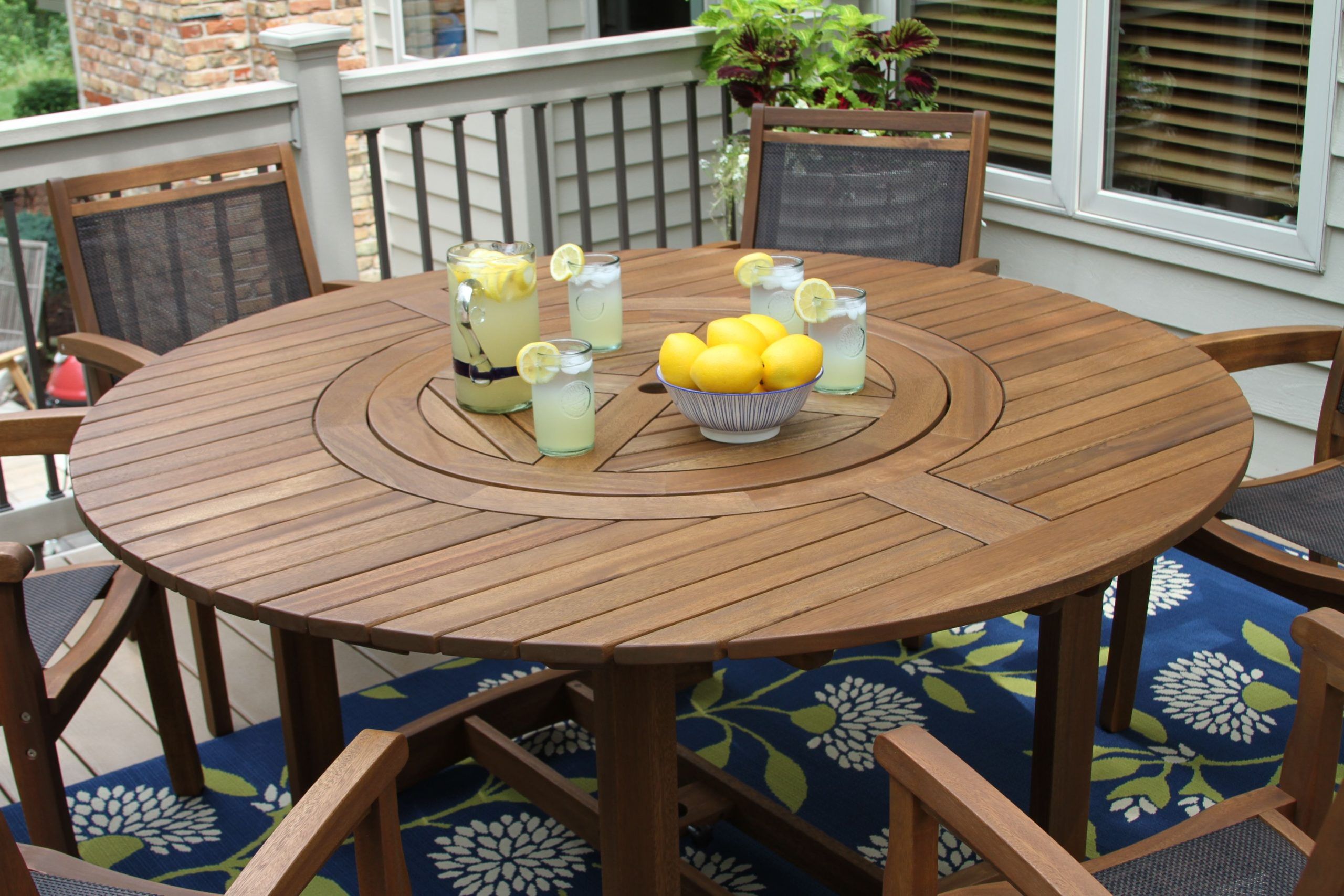
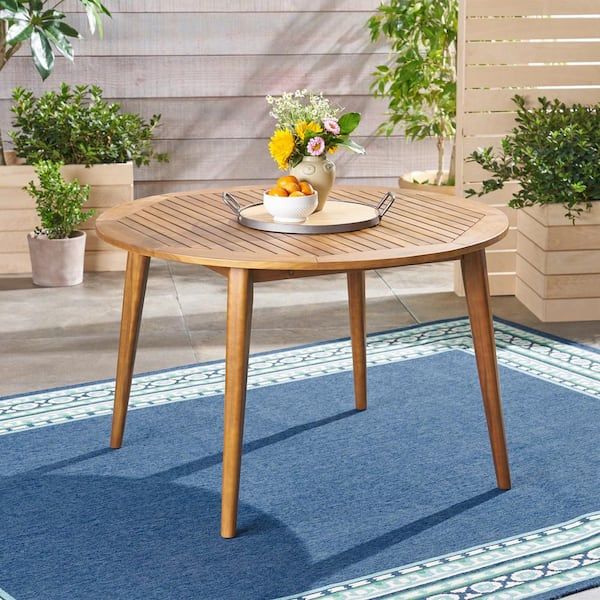
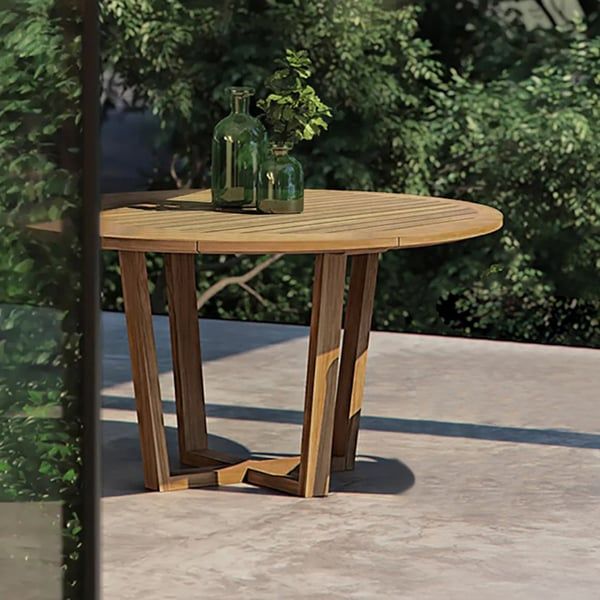
There is something undeniably magnetic about a round table. It pulls people in. Literally. When you sit at a rectangular table, you are often staring at the back of someone’s head or shouting across a void to the person at the other end. But a circle? A circle changes the game. It levels the playing field. Everyone is equidistant from the center, from the food, and from each other. In 2026, as we continue to crave deeper, more genuine connections after years of digital saturation, the humble round wood dining set has become the heart of the modern outdoor home. It is not just furniture; it is an invitation to slow down.
You have probably felt it yourself. That slight awkwardness when guests arrive and don’t know where to sit. Or the way conversation dies out when the layout feels too formal, too stiff. We have all been there. But imagine a different scene. The sun is dipping below the horizon, casting long, golden shadows across your deck. The air smells faintly of jasmine and charcoal. In the center sits a sturdy, beautiful round table made of warm, weathered wood. It is not perfect. It has knots and grain patterns that tell a story. Around it, chairs are pulled up close. Not too close, but near enough that knees might accidentally touch, sparking a laugh. This is the vibe we are chasing. It is about creating a space that feels like a hug.
This guide is not about buying the most expensive teak set on the market. It is not about following rigid design rules that make your home look like a showroom nobody is allowed to touch. It is about understanding the soul of the round table and using simple, accessible styling tricks to turn your outdoor area into a sanctuary for intimate gatherings. Whether you have a tiny balcony in the city or a sprawling garden in the suburbs, the principles remain the same. Warmth. Texture. Light. And a little bit of imperfection. Let’s dive into how you can make this happen, starting with the foundation itself.
Choosing the Right Wood and Scale for Your Space
Before you even think about napkins or centerpieces, you need to look at the bones of the setup. The wood itself matters. In recent years, there has been a huge shift away from high-gloss, plastic-coated finishes toward natural, matte oils that let the wood breathe. Teak is still the gold standard for durability, especially if you live in a humid climate, but acacia and eucalyptus have gained massive popularity in 2026 because they are sustainable and offer a richer, darker grain that feels incredibly cozy. Avoid woods that feel cold or overly processed. You want texture. You want to be able to run your hand along the edge and feel the history of the tree. If the table is too smooth, it feels sterile. If it has a bit of roughness, it feels alive.
Scale is the next big hurdle. Many people make the mistake of buying a table that is too large for their space, thinking bigger is better. It is not. For an intimate gathering, defined as four to six people, a diameter of 42 to 48 inches is usually the sweet spot. Anything larger than 54 inches starts to lose that "intimate" feel because people have to lean in too far to hear each other. If you have a smaller patio, do not be afraid to go with a 36-inch bistro style. It forces proximity. It makes sharing a bottle of wine or a plate of appetizers a communal act rather than a logistical challenge. Measure your space, but also measure the feeling. Leave at least three feet of walking room around the table so guests do not feel cramped, but keep it tight enough that the energy stays contained.
Also, consider the height. Standard dining height is fine, but in 2026, we are seeing a resurgence of lower, lounge-style dining tables paired with deeper, cushioned chairs. This lowers the center of gravity of the conversation. It makes people relax their posture. When you sit lower, you tend to linger longer. You do not feel the urge to get up and clear the dishes immediately. If you stick with standard height, ensure the chairs have arms. Arms provide a place to rest elbows, which encourages leaning in. It is a subtle psychological trick. A chair without arms feels temporary. A chair with arms feels like a throne. And everyone deserves to feel like royalty during dinner, even if the meal is just takeout pizza.
Layering Textiles for Warmth and Comfort
Wood is hard. Cold. Unforgiving. To make a round wood table inviting, you must soften it. This is where textiles come in. But here is the catch: outdoor fabrics have historically been ugly. Thick, plastic-like stripes in primary colors that scream "patio store." Thankfuly, that era is over. Today, you can find outdoor rugs, cushions, and throws that look and feel like indoor luxury items but are treated to resist mold and fading. Start with a rug. Yes, outside. An outdoor rug defines the space. It anchors the table so it does not look like it is floating in a void. Choose a natural fiber look, like jute or sisal, but made from synthetic materials for durability. The texture underfoot adds a layer of comfort that bare concrete or decking simply cannot match.
Next, look at the chairs. If your chairs are wood, add cushions. If they already have cushions, add throw pillows. Do not be shy about this. Mix patterns and solids. A solid navy cushion paired with a pillow featuring a subtle botanical print creates depth. The key is to use fabrics that invite touch. Velvet-look outdoor fabrics are huge right now. They add a sense of opulence and softness that contrasts beautifully with the ruggedness of the wood. In the cooler months of spring or autumn, drape a few weather-resistant throws over the backs of the chairs. It signals to your guests that you have thought about their comfort. It says, "Stay awhile. It might get chilly, but I have you covered."
Do not forget the table surface itself. While you might not use a full tablecloth outdoors (wind is the enemy), runners or placemats are essential. A linen runner down the center of a round table can be tricky because of the shape, so opt for individual placemats made of woven rattan, cork, or heavy cotton. These materials absorb sound, which is crucial. Clinking plates and glasses on a hard wood table can be deafening. Soft materials dampen the noise, making conversation easier. Plus, they add visual interest. Imagine a dark walnut table with light beige woven placemats. The contrast pops. It looks intentional. It looks styled. And it protects the wood from water rings and heat marks, keeping your investment looking fresh for years.
Lighting That Whispers, Not Shouts
Lighting is perhaps the most critical element of an intimate gathering. Harsh overhead lights kill intimacy instantly. They expose every flaw and make people feel like they are in an interrogation room. You want light that flickers. Light that dances. In 2026, the trend is firmly toward low-level, warm-toned lighting that mimics the glow of fire. Start with candles. Real flames are unbeatable for atmosphere, but if you are worried about wind or safety, high-quality LED flameless candles are indistinguishable from the real thing these days. Place them in hurricane vases of varying heights in the center of the table. The glass protects the flame and amplifies the glow. The varying heights create a dynamic skyline that draws the eye inward.
String lights are another staple, but use them wisely. Do not just string them randomly across the patio. Drape them low, just above head height, to create a "ceiling" for your outdoor room. This lowers the perceived height of the space, making it feel cozier. Choose bulbs with an amber tint, not bright white. Amber light flatters skin tones and makes food look more appetizing. White light can make everything look clinical. If you have trees nearby, wrap fairy lights around the trunks. It creates a magical, forest-like ambiance that feels removed from the stresses of daily life. The goal is to create pools of light rather than uniform illumination. Shadows are your friend. They add mystery and depth.
Consider adding a lantern or two on the ground near the table legs. This uplighting technique highlights the texture of the wood and the surrounding plants. It also prevents the area from feeling too dark, which can be unsettling. Solar-powered options have improved drastically in recent years, so you do not need to worry about running extension cords everywhere. Just make sure to charge them fully before your guests arrive. There is nothing sadder than a dim, dying light in the middle of a dinner party. Test your setup beforehand. Sit at the table yourself. Can you read the menu? Can you see the color of your wine? If it is too dark, add one more candle. If it is too bright, remove a bulb. Trust your instincts. The right light makes people look beautiful, and when people feel beautiful, they open up.
Centerpieces That Spark Conversation
A centerpiece should never be so tall that it blocks eye contact. That is rule number one. On a round table, visibility is key. You want to see the smile of the person sitting opposite you. So, keep it low and spread out. A cluster of small potted herbs is a fantastic option. Rosemary, thyme, and mint not only smell incredible but also serve as garnishes for drinks or food. It is functional decor. Guests can pluck a sprig of mint for their iced tea. It breaks the ice. "Oh, is this fresh mint?" becomes the start of a conversation. Plus, greenery adds life and vibrancy to the wood tones. It connects the dining area to the surrounding garden.
Flowers are obvious, but avoid tight, formal bouquets. Go for loose, garden-style arrangements. Cut some blooms from your yard or buy a mixed bunch from a local farmer’s market. Place them in small, mismatched vases or even mason jars. Scatter them around the table rather than putting them all in one central vase. This distributes the beauty and ensures no one’s view is obstructed. In 2026, dried flowers and pampas grass are still popular, but fresh seasonal blooms are making a comeback because they engage the senses more fully. The scent of lavender or jasmine can trigger memories and emotions, deepening the connection between guests.
If flowers are not your thing, consider objects with personal meaning. A collection of smooth stones from a beach trip, a few vintage books stacked horizontally, or a wooden bowl filled with lemons or artichokes. These items have weight and presence. They are tactile. People will pick them up, examine them, and ask about them. "Where did you get these stones?" is a much better conversation starter than silence. Avoid plastic or cheap-looking decor. The wood table sets a tone of natural authenticity, so your centerpiece should match that energy. Keep it organic. Keep it real. And remember, less is often more. A single, beautiful branch in a slender vase can be more striking than a chaotic mess of filler flowers.
Setting the Table for Casual Elegance
The way you set the table dictates the formality of the evening. For an intimate gathering, you want "casual elegance." This means nice linens but no stiff napkin folds. Use cloth napkins instead of paper. They feel luxurious against the skin and signal that this meal matters. Choose a color that complements the wood. Earth tones like terracotta, olive green, or slate blue work beautifully. Roll them loosely and secure them with a simple twine tie or a fresh sprig of rosemary. It looks effortless but thoughtful. Avoid complex folding techniques that require instruction manuals. You want your guests to feel relaxed, not intimidated by the tableware.
Plates and cutlery should be durable but stylish. Melamine has come a long way and now mimics ceramic perfectly without the risk of breaking. If you prefer real ceramic, choose stoneware with a matte glaze. It feels substantial in the hand. Stack the plates if you are serving multiple courses, but keep it simple. A dinner plate and a small salad plate are usually enough. Do not clutter the table with extra utensils. Provide what is needed for the meal. If you are serving steak, provide a steak knife. If it is pasta, a fork and spoon suffice. Clutter creates visual noise, and visual noise creates mental noise. Keep the surface clean and open.
Glassware is the final touch. Stemless wine glasses are practical for outdoors because they are less likely to tip over. They also feel more modern and relaxed. Fill them halfway, not to the brim. It leaves room for swirling and smelling the wine. Add water glasses with a slice of cucumber or lemon for a spa-like feel. It is a small detail, but it shows care. Arrange the settings symmetrically around the round table. Because the table is circular, there is no "head" of the table. This equality should be reflected in the place settings. Each spot should look identical, reinforcing the idea that everyone is equally important in this circle. It is a subtle message of inclusion and respect.
The last ten percent of styling is what separates a nice setup from a memorable one. This is where you inject your personality. Maybe it is a playlist. Curate a soundtrack that matches the mood. Jazz for a sophisticated evening, acoustic folk for a rustic vibe, or lo-fi beats for a chill summer night. Keep the volume low. It should be background noise, not the main event. Music fills the silences and sets the emotional tone. It can make a quiet moment feel peaceful rather than awkward. Test the speakers beforehand to ensure the sound is evenly distributed around the table.
Scent is another powerful tool. We already mentioned herbs and flowers, but consider the ambient smells. If you have a fire pit nearby, the smell of wood smoke adds a primal, comforting layer. If not, a subtle citronella candle can keep bugs away while adding a fresh citrus note. Avoid strong, artificial scents that clash with the food. You want the aroma of the meal to be the star. If you are grilling, let that smell waft through the air. It builds anticipation. Hunger is a great seasoning. Make sure the path to the table is clear and well-lit. Remove any tripping hazards. Comfort includes physical safety.
Finally, have a plan for the aftermath. Intimacy does not end when the meal is over. Have a cozy corner nearby with extra cushions or a hammock where guests can migrate after dinner. Leave the table mostly as is, perhaps just clearing the main plates. Let the candles burn down. Let the remnants of the meal stay as evidence of the good time had. This lingering phase is often where the deepest conversations happen. By styling your round wood table with care, you are not just setting up for dinner. You are curating an experience. You are creating a container for connection. And in a world that is increasingly disconnected, that is the most valuable thing you can offer.
So, go ahead. Drag that table out. Wipe it down. Light the candles. Invite the people who matter. The wood will age. The cushions will fade. But the memories created in that circle? Those will last forever. It is not about perfection. It is about presence. And your round table is the perfect stage for it.