There’s something primal about gathering around a fire. It pulls us in. We lean forward, eyes fixed on the dancing flames, voices dropping to a hush before rising again in laughter. But for years, we’ve treated the firepit as an afterthought—a place to retreat to after dinner is done, plates cleared, and the party has officially wound down. What if we flipped the script? What if the fire wasn’t just the finale, but the heart of the meal itself?
Imagine biting into a charred marshmallow while still finishing your main course. Picture the glow of embers reflecting off wine glasses as conversation flows effortlessly into the night. This isn’t just about roasting hot dogs. It’s about curating an experience. In 2026, outdoor living has evolved beyond simple patio furniture. It’s about integration. It’s about making the backyard feel as intentional and welcoming as the dining room inside, but with the added magic of open sky and crackling wood.
Getting it right takes more than just buying a bowl of steel and tossing in some logs. It requires thinking about heat, smoke, sightlines, and comfort. It’s a delicate balance. Get it wrong, and you’re squinting through smoke, shivering on hard benches, or burning your eyebrows. Get it right, and you’ve created a memory that sticks. Let’s dive into how you can make that happen.
Choosing the Right Heart: Firepit Types and Placement
Not all fires are created equal. The type of firepit you choose sets the tone for the entire evening. Wood-burning pits offer that authentic scent and sound—the snap of pine, the smell of oak. It’s romantic. It’s classic. But it’s also high maintenance. You need dry wood, you have to manage the ash, and let’s be honest, the smoke can be a bit of a bully if the wind shifts. For many homeowners in 2026, the trend is shifting toward hybrid models or high-quality propane options that mimic the look of real flames without the hassle. These allow for instant on/off control, which is huge when you’re trying to keep food warm without turning your guests into smoked salmon.
Placement is just as critical as the fuel source. You might think the center of the patio is the obvious spot, but consider the wind patterns in your yard. You don’t want the breeze blowing smoke directly into the face of the person trying to tell a story. Ideally, position the pit where it acts as a visual anchor but remains accessible from multiple angles. Leave at least ten feet of clearance from any structures or overhanging branches. Safety isn’t sexy, but burnt decking definitely ruins the vibe. Also, think about the view. Can you see the fire from the kitchen window while you’re plating up dessert? That connection between indoor prep and outdoor enjoyment matters.
Another thing to consider is the base. Don’t just plop a heavy iron pit on your grass. It’ll kill the lawn and maybe even sink into the mud after a rainstorm. Use pavers, gravel, or a dedicated concrete pad. This creates a defined "zone." It tells guests, "This is the gathering spot." It also protects your yard from stray embers. In recent years, we’ve seen a rise in modular pit systems that can be moved slightly if needed, but a permanent, well-sited foundation usually offers better stability and heat reflection. Make sure the ground is level. Nothing kills the mood like a wobbly table or a chair that tips backward every time someone leans back to laugh.
Seating That Invites Linger-ing
Comfort is king. If your guests are shifting around after twenty minutes, trying to find a position that doesn’t hurt their backs, you’ve lost them. The days of mismatched lawn chairs are over. Today’s firepit dining setups prioritize ergonomic design mixed with durability. Look for seats with arms. Sounds small, but having a place to rest your elbows while holding a plate makes a massive difference. Deep-seated Adirondack chairs are popular for a reason—they encourage slouching in the best way possible. But for dining, you need upright support too. A mix of chair styles can work, provided they’re all at a similar height relative to the fire.
Spacing is tricky. You want people close enough to feel the warmth and hear each other without shouting, but not so close that elbows collide during the meal. A good rule of thumb is to leave about two to three feet between chairs. This creates intimate clusters rather than a rigid circle. If you have a large group, consider breaking the seating into two semi-circles or a U-shape. This allows for better conversation flow. People can turn slightly to talk to their neighbor without twisting their necks awkwardly. In 2026, weather-resistant fabrics have come a long way. You can use cushions that look like indoor upholstery but shrug off rain and sun. Just make sure they’re stored away or covered when not in use to extend their life.
Don’t forget the footroom. If the firepit is raised high, like a table-height model, you need stools with footrests. If it’s low and ground-level, ensure there’s enough space for legs to stretch out. Cold feet ruin a good night. Consider adding heated seat pads for those chilly spring or autumn evenings. They’re battery-operated now, sleek, and barely noticeable until you sit down and realize you’re toasty. It’s a small luxury that feels incredibly thoughtful. And please, avoid plastic. It melts, it looks cheap, and it reflects heat in weird ways. Stick to wood, metal, stone, or high-grade resin.
Lighting the Way Without Killing the Glow
Fire provides light, but it’s not enough for eating. You need ambient lighting that complements the flames rather than competing with them. Harsh overhead floodlights are the enemy of atmosphere. They wash out the fire’s glow and make everyone look like they’re under interrogation. Instead, think low and soft. String lights draped overhead create a canopy effect. They define the space and add a touch of whimsy. Choose warm-white bulbs, ideally Edison-style filaments, which cast a golden hue that blends seamlessly with the firelight.
Path lighting is essential for safety but should be subtle. Solar-powered stakes along the walkway prevent trips and falls without drawing attention away from the centerpiece. You can also use lanterns placed on side tables or hanging from nearby tree branches. Flameless LED candles are surprisingly realistic these days and eliminate the worry of wax dripping or wind blowing them out. They add pockets of light at eye level, which helps illuminate faces during conversation. This is key for connection. We read emotions in micro-expressions, and dim lighting can obscure that. A little extra glow on the table surface helps too.
Consider the color temperature of your lights. Stick to 2700K or lower. Anything cooler (bluer) will clash with the orange and red tones of the fire. It creates visual dissonance. In 2026, smart lighting systems allow you to dim or adjust colors via an app. This is handy if you want brighter light while serving food and then dim it down for post-dinner chatting. But keep it simple. Too many tech gadgets can complicate the experience. The goal is relaxation, not troubleshooting. Test your setup before guests arrive. Walk around the space. Are there dark corners? Is the light glaring in anyone’s eyes? Adjust accordingly.
The Table Setup: Bridging Dining and Fire
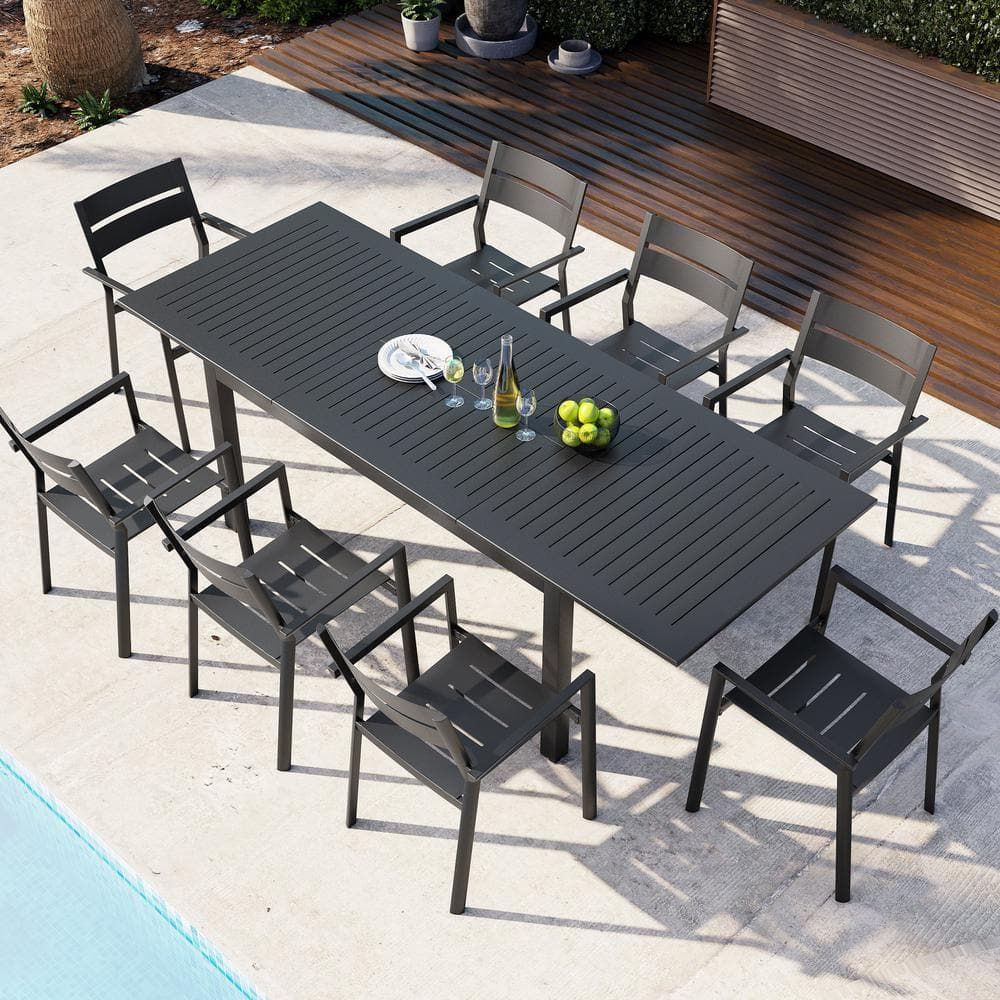
Integrating a dining table with a firepit requires some spatial creativity. You don’t want to eat directly over the fire unless you’re doing fondue or grilling skewers. For a standard meal, position the dining table adjacent to the fire zone, within easy walking distance but far enough to avoid heat distortion and smoke. A distance of six to eight feet is usually sweet. This allows guests to migrate between the table and the fire naturally. Some setups use a split design: a dining area on one side and a lounge area around the fire on the other. This works well for larger groups where not everyone eats at the same time.
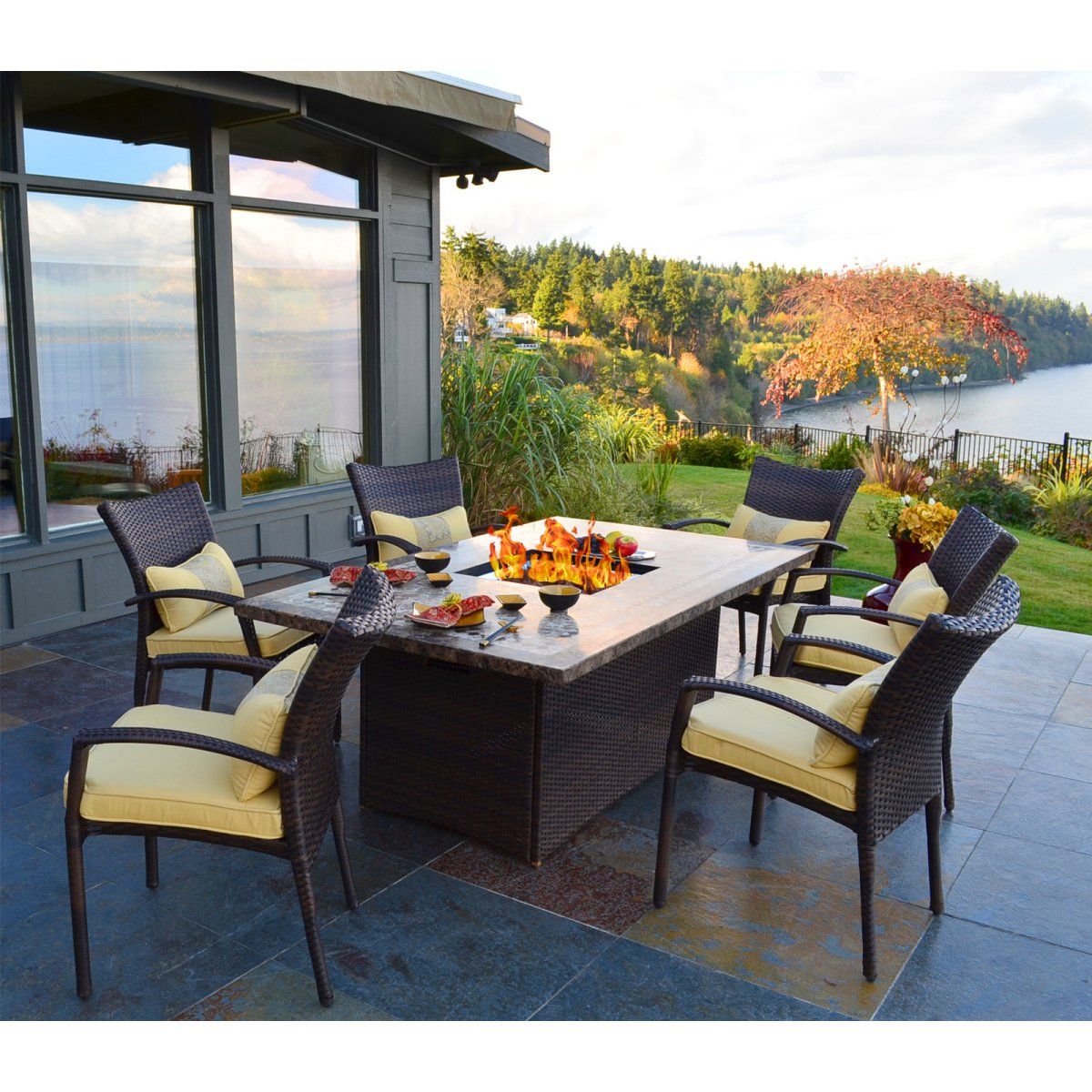
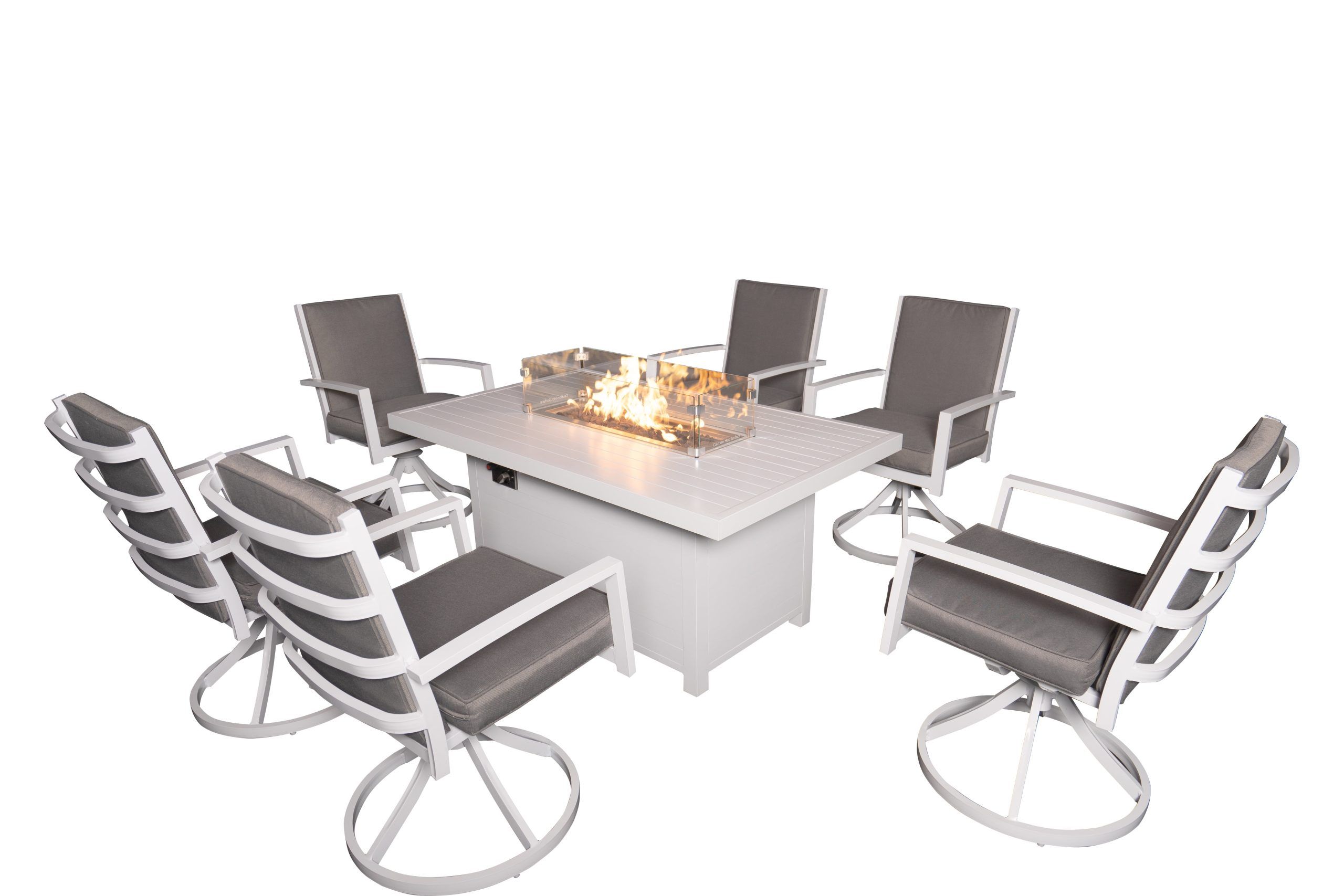
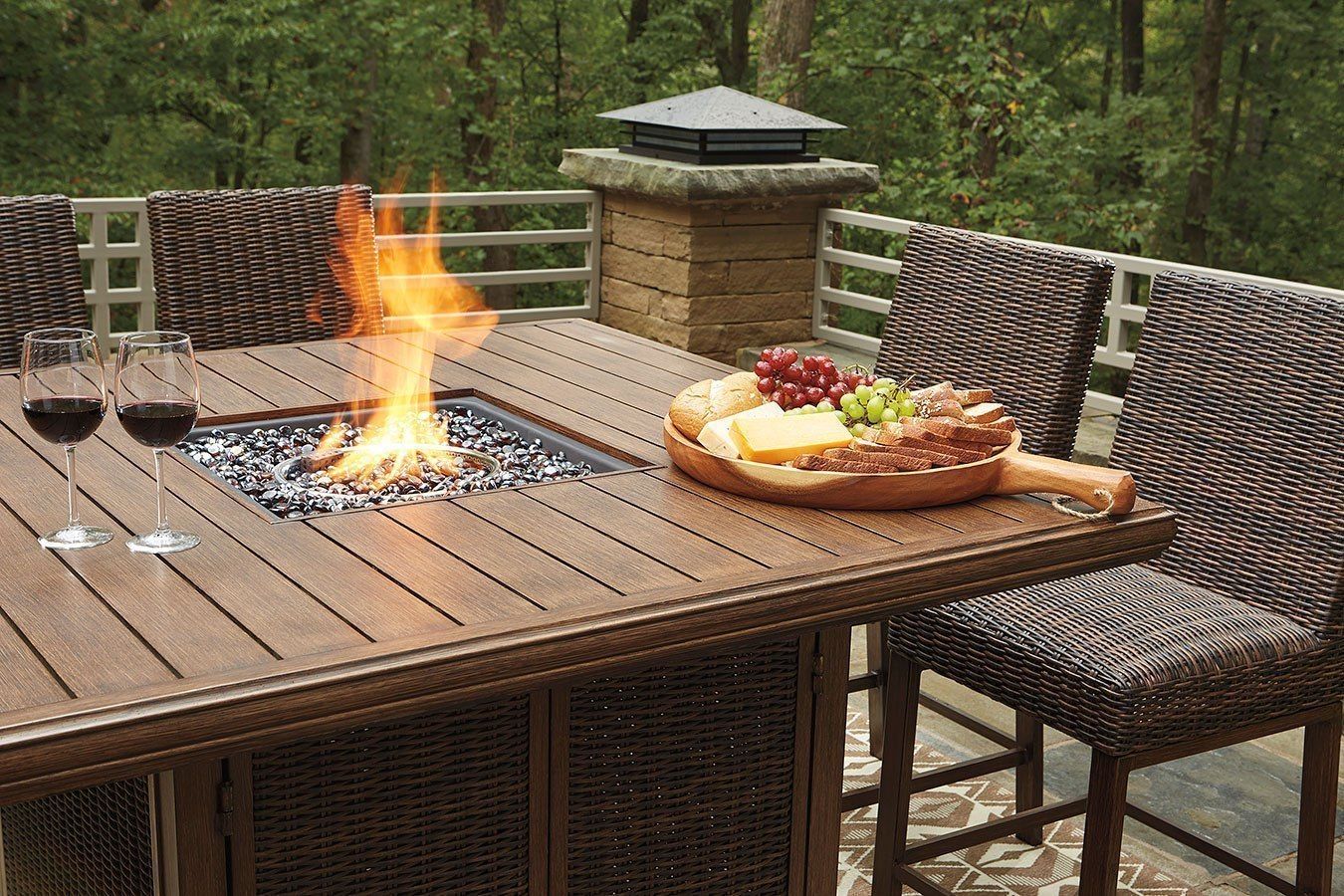
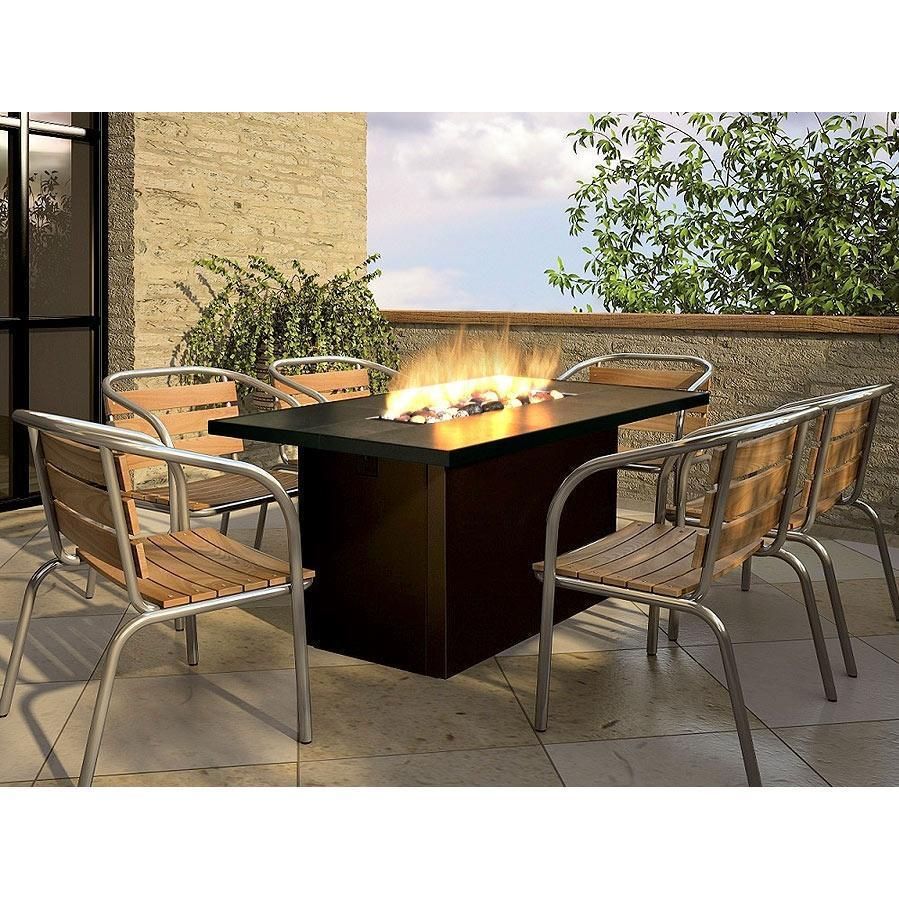
If space is tight, consider a convertible table. Some modern outdoor tables have inserts that can be removed to reveal a firepit in the center. These are great for smaller gatherings where everyone stays seated. However, be mindful of heat. Even with a barrier, the tabletop can get warm. Use trivets and heat-resistant placemats. Serve food in dishes that retain heat well, like cast iron or ceramic, since the ambient air might cool meals faster than indoors. Buffet-style serving often works better than plated service in this setting. It encourages movement and interaction. Guests can grab a plate, chat by the fire, then return for more.
Tableware should be durable but elegant. Melamine has improved significantly and looks like real ceramic without the breakage risk. Bamboo or recycled composite materials are also popular eco-friendly choices in 2026. Avoid fine china; it’s too fragile for an outdoor environment where wind or a clumsy elbow could cause disaster. Napkins should be cloth if possible, weighted down with simple stone or metal rings. Paper napkins blow away instantly. Centerpieces should be low and non-flammable. A small bowl of stones or a metal vase with dried grasses adds texture without posing a fire hazard. Keep the table clutter-free to allow for easy passing of dishes.
Menu Planning for the Open Air
Cooking and eating outside changes how food tastes and behaves. Wind, temperature, and timing are all factors. Keep the menu simple. Complex dishes that require precise temperature control are stressful outdoors. Embrace foods that benefit from a rustic presentation. Grilled vegetables, flatbreads, skewers, and hearty stews served in bread bowls are excellent choices. They hold up well to slight cooling and look appealing in natural light. In 2026, there’s a big trend toward "fire-to-table" cooking, where elements of the meal are cooked directly on or near the pit. Think cast-iron skillets placed on the rim of a gas pit or foil packets buried in the embers of a wood fire.
Hydration is crucial. Outdoor air, especially near a fire, can be dehydrating. Offer plenty of water, infused with citrus or herbs for a festive touch. Cocktails and wines pair beautifully with firelight, but be mindful of glassware. Stemless wine glasses are less likely to tip over on uneven surfaces. Insulated tumblers keep drinks cold longer, which is a blessing in summer. Avoid overly sugary drinks that attract insects. Citronella candles or natural repellents like lemongrass can help keep bugs at bay without overpowering the scent of the food.
Dessert is where the firepit truly shines. S’mores are the classic, but don’t stop there. Grilled peaches with honey, banana boats stuffed with chocolate, or even grilled pound cake with berries elevate the experience. Prepare components ahead of time so assembly is quick. No one wants to stand over the fire fumbling with wrappers while everyone else is relaxing. Set up a "dessert station" near the pit with all the necessary tools: long forks, plates, napkins, and ingredients laid out in order. This turns dessert into an interactive activity, which is often the highlight of the night. Remember, the goal is ease. If you’re stressed in the kitchen, you’re not enjoying the party.
Weather is the wild card. Even in 2026, we can’t control the rain or wind. Have a backup plan. A large patio umbrella can shield against light rain or intense sun, but it won’t help in a storm. Consider a retractable awning or a pergola with a waterproof cover for more permanent protection. Wind screens made of tempered glass or mesh can be installed around the perimeter of the patio to block gusts without blocking the view. These are game-changers for extending the outdoor season into spring and fall. Keep throw blankets handy in a weatherproof basket. Guests will appreciate the gesture, and it adds to the cozy aesthetic.
Smoke management is part of etiquette. If you’re using wood, choose seasoned hardwoods like oak, maple, or hickory. Avoid softwoods like pine, which produce excessive smoke and sparks. Start the fire early enough so it burns down to coals by dinner time. Coals provide steady, radiant heat with less smoke than active flames. If neighbors are close, be mindful of smoke direction. A quick chat with them beforehand can go a long way. Offer to share some of the food or invite them over another time. Good fences make good neighbors, but good smells make better ones.
Clean up is part of the cycle. Make it easy. Have a designated trash and recycling bin nearby, but hide it behind a screen or in a cabinet so it’s not visually intrusive. Provide a bucket of water or sand nearby for extinguishing embers safely. Never leave a fire unattended. Assign a "fire tender" if the group is large, someone who keeps an eye on the flames and adds wood as needed. This shared responsibility fosters a sense of community. Finally, respect the quiet hours. Firelight invites late nights, but sound travels. Keep music at a reasonable volume and encourage conversational tones as the night deepens. It’s about connection, not disruption.
Creating the perfect firepit dining setup isn’t about spending the most money or having the biggest yard. It’s about intention. It’s about understanding how light, heat, and comfort intersect to create a space where people want to stay. It’s about removing the friction—smoke in the eyes, cold backs, awkward seating—so that the only thing left is the joy of being together. As we move further into 2026, the line between indoor and outdoor living continues to blur. Our backyards are becoming extensions of our homes, places for nourishment not just of the body, but of the soul.
So, light the fire. Set the table. Invite the people who matter. Let the flames do the talking for a while. You might find that the best conversations happen not across a polished dining table, but around the rough, warm edge of a fire, with stars above and friends beside. It’s simple, really. But it’s also everything.