You’ve probably seen it. That bright blue or neon yellow cord snaking through a marina, holding down a tarp on a windy farm, or woven into the sleek back of a patio chair that’s survived three winters. It looks simple. Maybe even cheap. But there’s a quiet genius to it.
Polypropylene rope isn’t just plastic string. It’s a marvel of material science meets old-school craftsmanship. And when it’s handwoven? That’s where the magic really happens. In 2026, as we lean harder into sustainable, durable outdoor living, understanding this humble fiber feels less like a niche hobby and more like essential knowledge. Whether you’re tying up a kayak or designing furniture that lasts, knowing what makes PP rope tick changes everything.
Let’s pull back the curtain. Because beneath that smooth, synthetic surface lies a story of resistance, buoyancy, and human touch that’s surprisingly deep.
The Science of Floating: Why Polypropylene is Different
Most ropes sink. Nylon sinks. Polyester sinks. Even natural fibers like hemp or manila go down like a stone when they get wet. But polypropylene? It floats. Always. This isn’t a lucky accident; it’s physics. PP has a specific gravity of about 0.91, which is less than water (1.0). That means it’s inherently buoyant.
For anyone who spends time on the water, this is a game-changer. If you drop a line overboard, you don’t need a grappling hook to fish it out. It’s right there on the surface. This trait alone made PP the go-to for marine applications decades ago, and it hasn’t lost its shine. But buoyancy is just the start.
The polymer structure of polypropylene is non-polar. In plain English? Water molecules don’t stick to it. It doesn’t absorb moisture. This means it won’t swell, rot, or get heavy when it rains. Unlike natural fibers that can mildew or synthetic blends that might retain dampness, PP stays dry inside and out. It’s also chemically inert. Spill battery acid on it? Bleach? Saltwater? It barely notices. This resistance to chemicals and moisture is why you see it in industrial settings and harsh coastal environments alike. It’s tough in a quiet, uncomplaining way.
From Pellet to Strand: The Making of the Fiber
Before a rope can be woven, the fiber has to be born. And PP fiber starts as tiny pellets—little beads of plastic resin. These are melted down and extruded through fine holes, like spaghetti from a press, to create continuous filaments. But here’s where it gets interesting. Not all PP fibers are created equal.
There are two main types you’ll encounter: split film and multifilament (or staple spun). Split film is exactly what it sounds like. A thin sheet of PP is extruded, then slit into narrow strips. These strips are stretched and twisted to give them strength. They’re cheaper, stiffer, and have a distinct flat, ribbon-like feel. You’ve likely seen this in budget-friendly baling twine or basic utility rope. It’s strong, but it can be rough on the hands.
Multifilament PP, on the other hand, is made from hundreds of fine, continuous filaments bundled together. It’s softer, more flexible, and significantly stronger for its diameter. This is the stuff used in high-performance ropes. The filaments can be textured or air-jet tangled to add bulk and grip. In 2026, advancements in extrusion technology mean these filaments are more uniform and resistant to fibrillation (that annoying fuzzing up) than ever before. The quality of the raw pellet and the precision of the extrusion process set the stage for everything that follows. Garbage in, garbage out, right?
The Art of the Handweave: Precision Over Speed
Machine-made rope is fast. It’s consistent. It’s cheap. But handwoven rope? That’s a different beast entirely. When we talk about "handwoven" in the context of PP rope, we’re often referring to the intricate braiding or plaiting done by skilled artisans, especially for specialized applications like outdoor furniture, decorative marine lines, or custom rigging.
A machine braider might churn out hundreds of feet of hollow braid an hour. A human weaver, working with a jig or even freehand, focuses on tension, symmetry, and density. They can adjust the tightness of each pass, ensuring the rope has no weak spots. This attention to detail creates a rope that’s not just strong, but balanced. It doesn’t kink as easily. It lays flatter. It feels better in the hand.
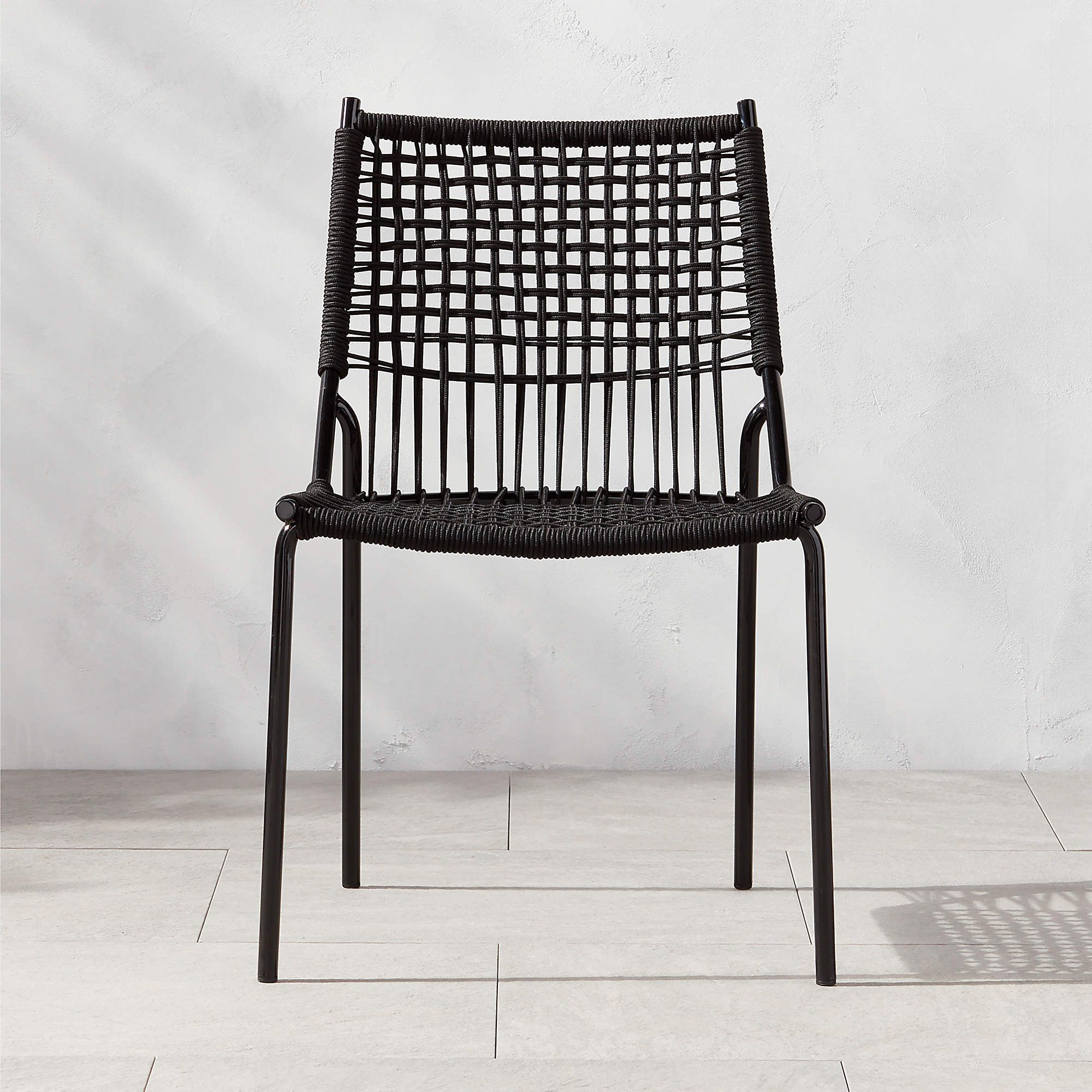
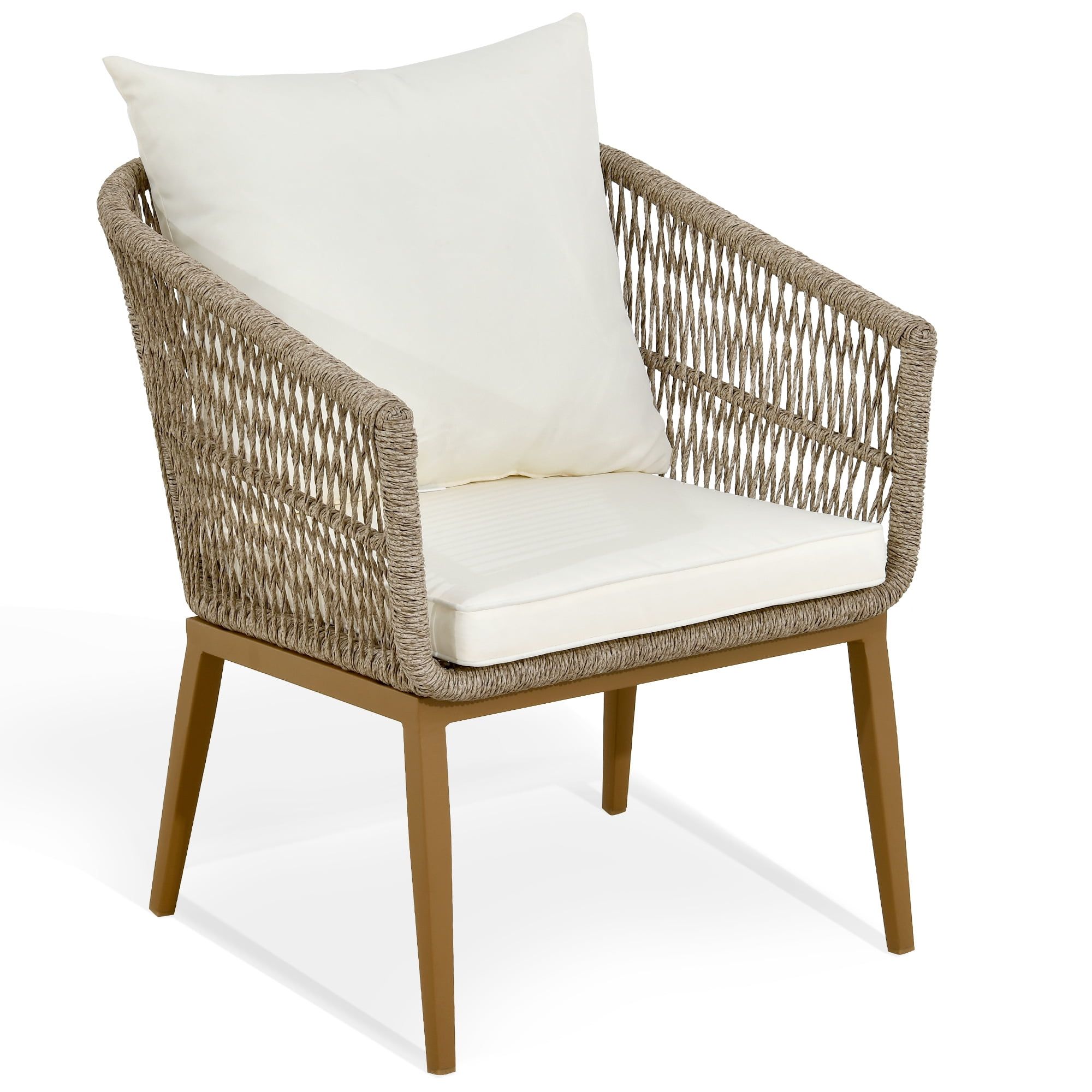
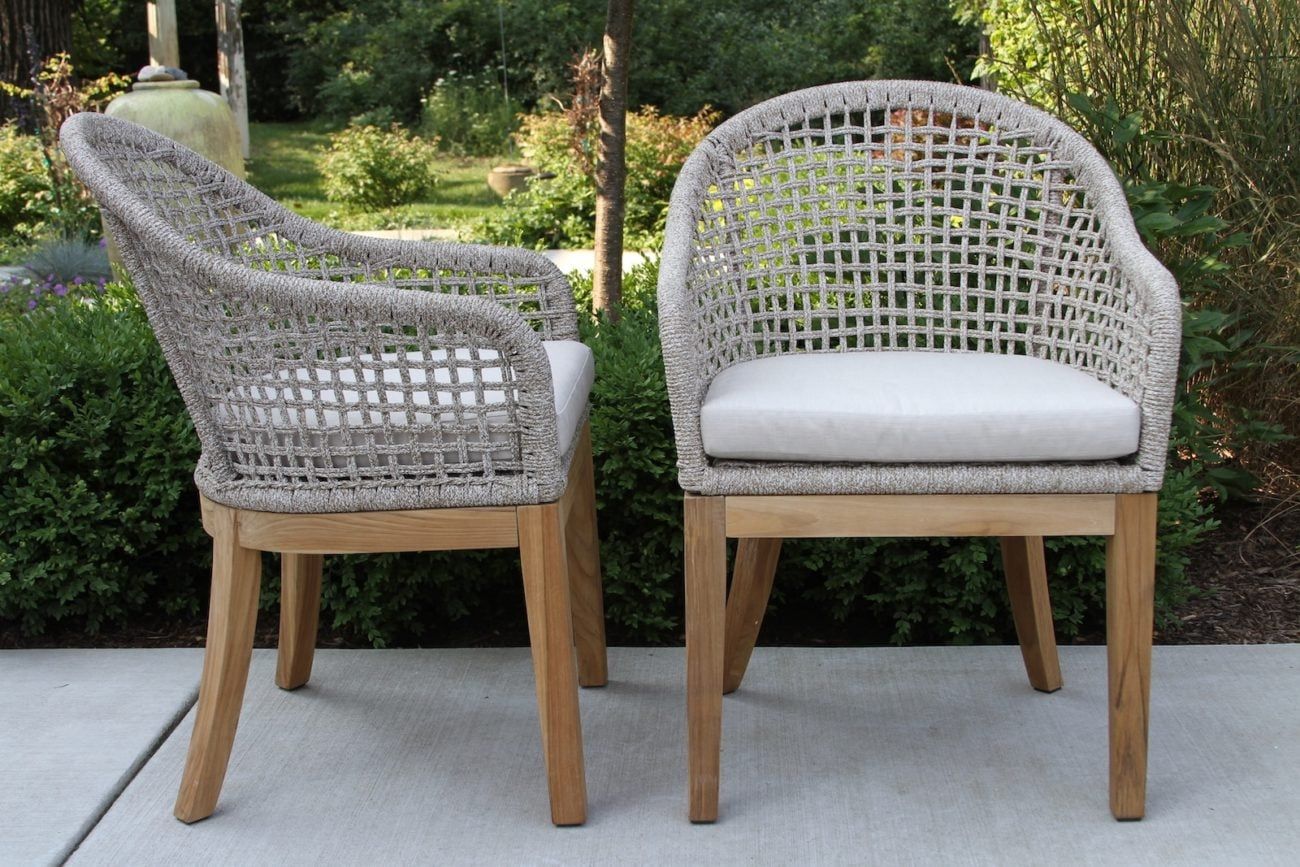
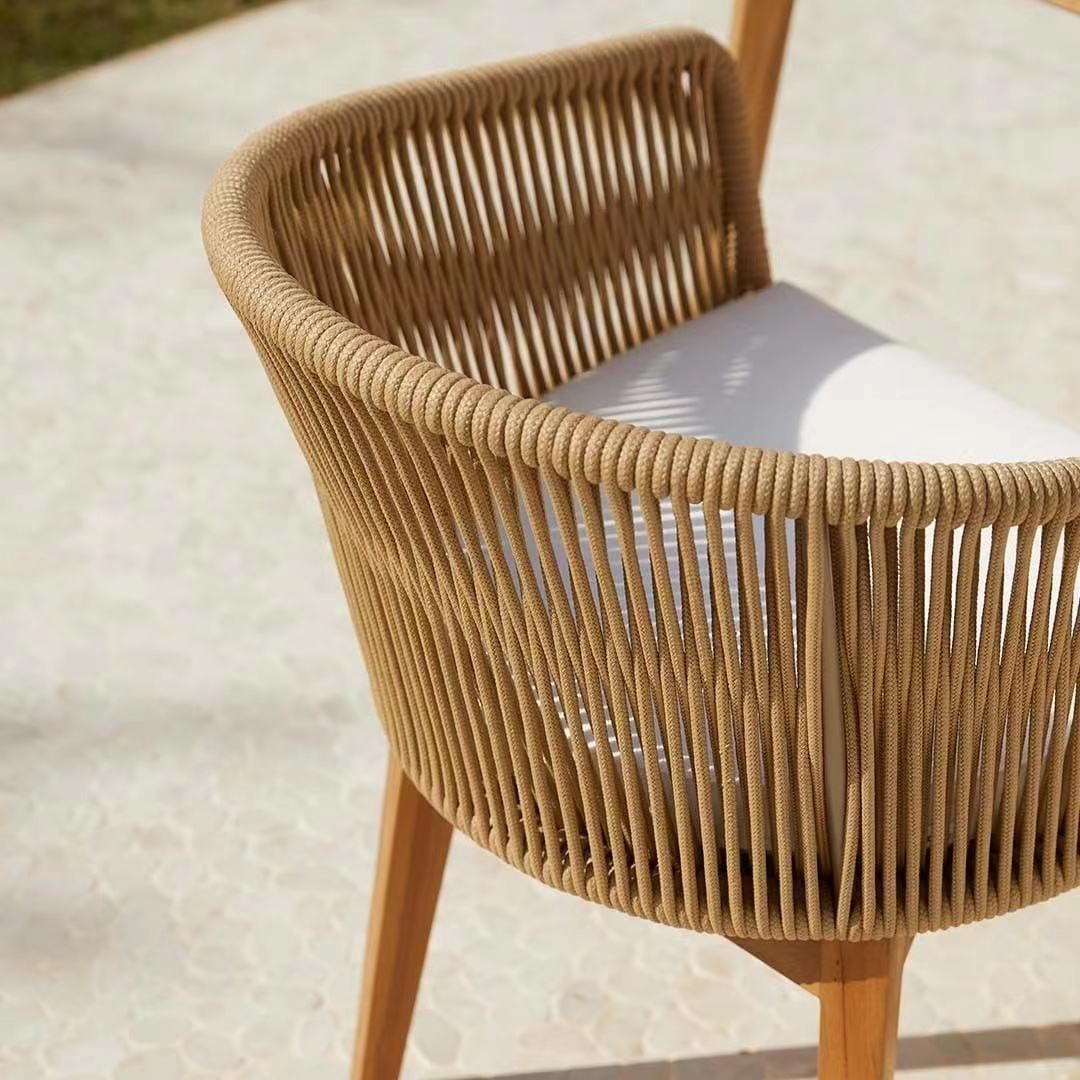
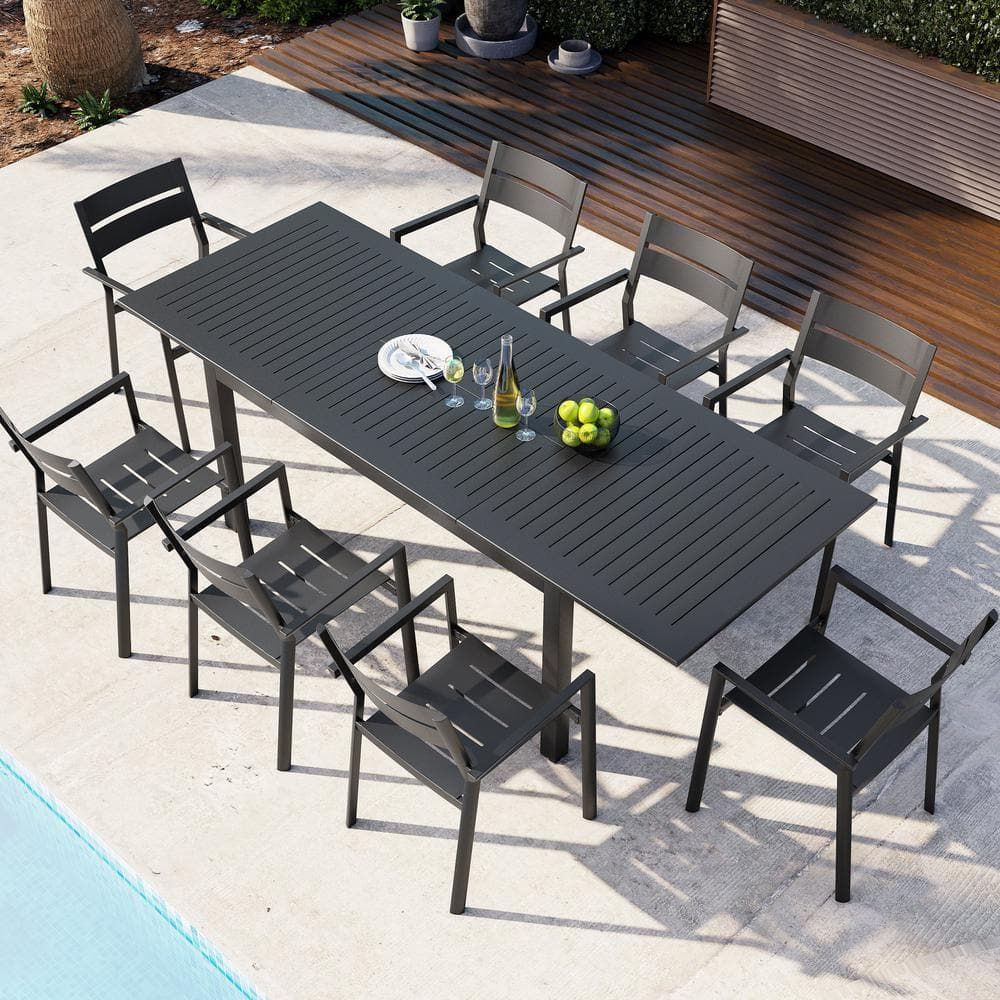
Think about outdoor furniture. Those trendy woven chairs and sofas? Many use flat PP tape or round PP cord, hand-woven across aluminum or teak frames. A machine can’t navigate the complex curves and corners of a chair arm with the same finesse. A human weaver ensures the tension is even across the entire seat, preventing sagging later on. They can create patterns—herringbone, diamond, basket weave—that add aesthetic value and structural integrity. It’s slow work. It’s meditative. And it results in a product that feels bespoke, not mass-produced.
Durability Tested: How PP Stands Up to the Elements
So, it floats. It’s chemical resistant. But what about the sun? Ah, the great enemy of all plastics. Ultraviolet (UV) radiation breaks down polymer chains. Left unprotected, standard PP will become brittle and chalky within a single summer. It’ll snap under tension. This is the Achilles’ heel of polypropylene.
However, modern PP rope isn’t left defenseless. Manufacturers add UV stabilizers and carbon black during the extrusion process. Carbon black is incredibly effective at absorbing UV rays, which is why so much outdoor PP rope is black or dark-colored. For brighter colors, specialized UV inhibitors are mixed into the resin. In 2026, these additives are more efficient than ever, extending the life of PP rope outdoors to five, seven, even ten years with proper care.
But handwoven rope has another advantage: density. A tightly woven structure shields the inner fibers from direct sunlight. The outer layer takes the brunt of the UV hit, sacrificing itself slowly while protecting the core. This is why a thick, hand-braided PP line often outlasts a thinner, machine-made one in the same conditions. It’s also resistant to abrasion. PP is slippery, so it doesn’t grind down as quickly as nylon when rubbed against a dock or a rock. It doesn’t rot. It doesn’t mold. It just keeps going.
Real-World Uses: Beyond the Boat Dock
We tend to pigeonhole PP rope as "marine rope." And sure, it’s perfect for mooring lines, ski tow ropes, and rescue throw bags because it floats. But its applications have exploded. In agriculture, it’s used for baler twine and netting because it’s lightweight and doesn’t absorb water from dew or rain. Farmers love it because it doesn’t add weight to their loads and resists the fertilizers and pesticides it might encounter.
In construction and industry, PP rope is used for safety barriers, tag lines, and lifting slings (for non-critical, light loads). Its low weight makes it easy to handle overhead. And let’s not forget the backyard. Garden ties, swing sets, clotheslines—PP is everywhere. It’s cheap enough to replace regularly if needed, but durable enough to last seasons.
Then there’s the design world. As mentioned, outdoor furniture is a huge market. Designers appreciate PP because it comes in a rainbow of colors. Solution-dyed PP means the color is part of the fiber, not just a coating, so it won’t fade or rub off. You can weave vibrant oranges, deep blues, or earthy greens into patios, creating spaces that feel alive. It’s also used in macramé plant hangers, dog leashes, and even wearable art. The versatility is staggering. It’s the chameleon of the rope world.
Even the toughest rope needs a little love. PP is low maintenance, but it’s not no maintenance. First, rinse it. Salt, sand, and dirt act as abrasives. If you’re using your rope in a marine environment, hose it down with fresh water after use. Let it dry completely before storing. Even though PP doesn’t absorb water, trapped moisture can lead to mildew on any surface contaminants or cause unpleasant odors.
Store it out of direct sunlight when not in use. Yes, it has UV stabilizers, but constant exposure will still degrade it over time. Coiling it neatly and hanging it in a shed or garage adds years to its life. Avoid sharp bends or kinks. PP has a memory; if you kink it badly, that spot becomes a weak point. Inspect it regularly. Look for fraying, discoloration, or stiffness. If the rope feels crunchy or looks chalky, the UV protection is failing. Time to replace it.
For handwoven items like furniture, use a soft brush and mild soap to clean the weave. Dirt gets trapped in those tight patterns. Don’t use harsh chemicals or pressure washers, which can damage the fibers or loosen the weave. A little preventative care goes a long way. It’s about respecting the craft. Someone took time to weave that. Honor it by keeping it clean.
At the end of the day, polypropylene rope is a testament to how simple materials, when understood and handled with care, can solve complex problems. It’s lightweight yet strong. It’s affordable yet durable. It’s industrial yet beautiful.
Handweaving adds a layer of intentionality. It transforms a commodity into a crafted object. Whether you’re securing a boat, tying up tomatoes, or sitting on a woven chair at sunset, you’re interacting with a material that’s been engineered to endure. And in a world that often feels disposable, there’s something deeply satisfying about that.
So next time you pick up a length of PP rope, feel the texture. Notice the weave. Appreciate the science and the skill that went into it. It’s more than just a tool. It’s a small, sturdy promise that things can last. And honestly? We could all use a bit more of that.