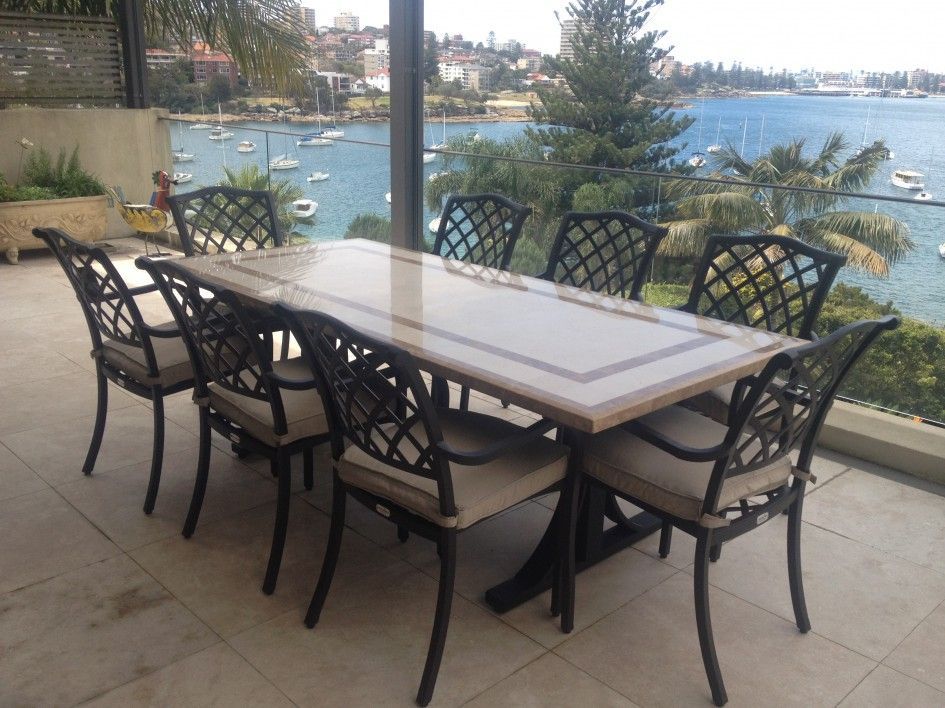
There is nothing quite like the feeling of stepping out onto a brand new patio. The sun is warm, the air smells like cut grass, and you have this perfect spot to sip your morning coffee or host a dinner party. But before you can enjoy that moment, you have to make the decision: real stone or engineered stone? It sounds simple enough, right? Just pick the one that looks good. But when you dig a little deeper, the price tag tells a much more complicated story.
We often think we know what a patio costs. We look at the square footage, multiply it by a number we saw online, and call it a day. Yet, the true cost is hiding in the details. It is in the labor, the prep work, and the years of upkeep that follow the installation. In 2026, with material prices shifting and climate patterns becoming more unpredictable, this choice is heavier than ever. Are you buying a piece of the earth, or are you buying a product? The answer changes everything about your wallet and your weekends.
The Upfront Price Tag: What You Pay to Start
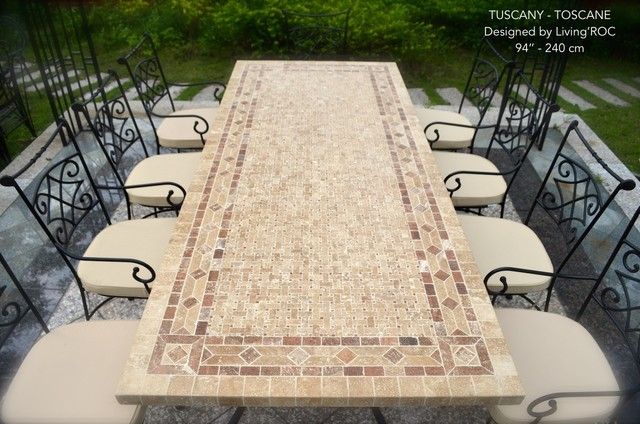
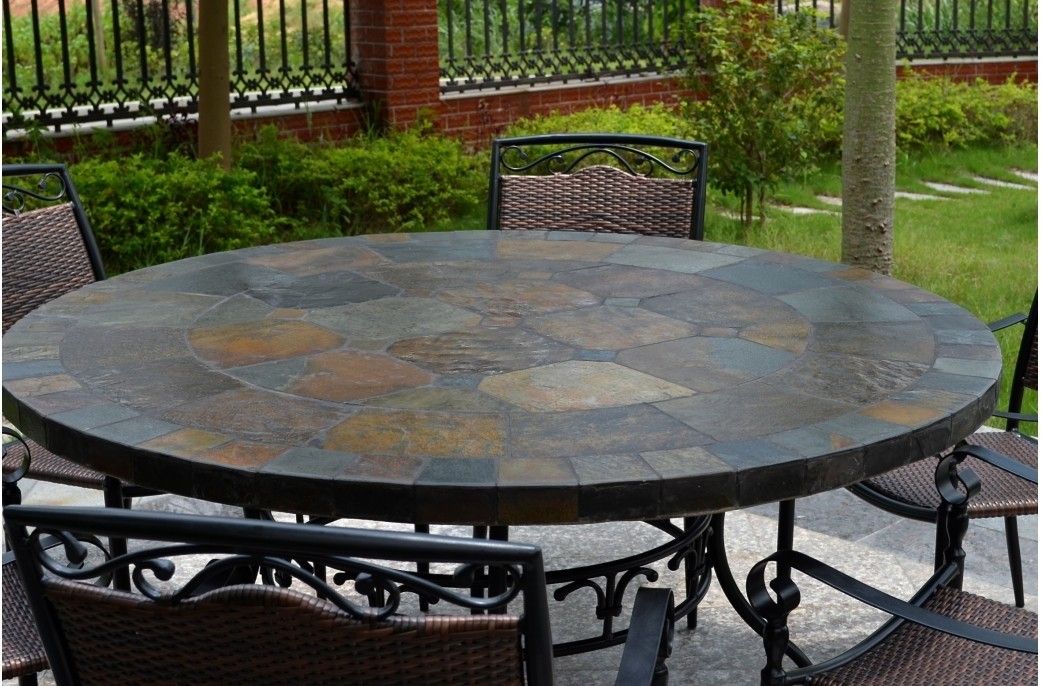
Let’s be honest, the sticker shock is real. When you look at the initial invoice for a natural stone patio, your eyebrows usually go up. Natural stone like limestone, sandstone, slate, or bluestone is quarried from the earth. It is heavy, unique, and often requires skilled hands to install properly. Because every piece is different, you can’t just lay them down like LEGOs. You have to cut, shape, and fit them together. This means the labor hours add up fast. A team might spend days on a project that would take half that time with manufactured options.
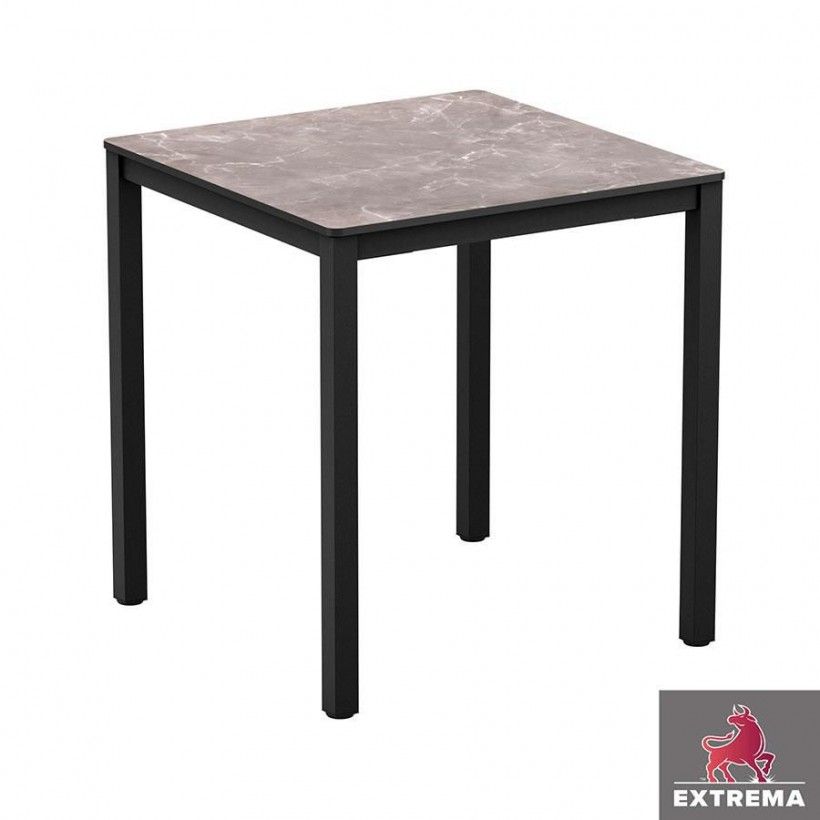
On the flip side, engineered stone, which often includes quartz composites or concrete pavers, is made in a factory. These materials are uniform. They come in perfect squares or rectangles, designed to snap together. This consistency is a huge money saver on labor. Installers can work faster because they don’t need to sort through piles of irregular rocks. For a standard 500-square-foot patio, a crew with moderate experience might finish the job in just two days with pavers, whereas natural stone could drag on for a week. So, right out of the gate, engineered stone often looks like the budget-friendly winner.
But here is the thing that trips people up. The lower upfront cost of engineered stone sometimes hides the fact that you are buying a product that might not last as long. Natural stone is tough. It has been under pressure for millions of years. When you buy it, you are paying for that inherent strength. You are paying for a material that can handle a century of snow, rain, and heat without really complaining. With engineered options, you are paying for consistency and speed. It is a trade-off between immediate savings and long-term resilience.
The Hidden Fees That Sneak Up On You
Nobody likes hidden fees. They are the worst part of any home improvement project. When it comes to stone patios, the hidden costs often appear after the initial excitement of the install wears off. With natural stone, the big hidden cost is sealing. Most natural stones are porous. Think of them like a sponge. If you spill red wine, grease, or even just rainwater that hasn’t evaporated, it can soak in. To keep your patio looking good and to prevent staining, you need to seal it.
This sealing isn’t a one-time thing. You usually have to do it every year or two, depending on your climate and how much you use the space. That means buying the sealer, renting the sprayer, or hiring someone to do it. Over ten years, that little annual expense adds up to a significant chunk of change. It is a maintenance tax you didn’t expect when you signed the contract. Plus, if you get it wrong, you might end up with a patchy, shiny mess that looks worse than the original stain.
Engineered stone, on the other hand, often markets itself as the "no-fuss" solution. Because it is made with resins and pigments, it is generally non-porous. You don’t need to seal it. Ever. This sounds like a dream come true for the busy homeowner. No annual rituals, no shopping trips for chemical solutions. The maintenance bill is basically zero for the surface itself. However, you need to watch out for other hidden costs. If the manufacturing process isn’t perfect, or if the climate is extreme, the resin can degrade over time. This can lead to fading or cracking, which is a repair job that is much harder to fix than a simple re-seal.
Another sneaky cost factor is the base preparation. Natural stone is heavy. It requires a very solid, thick foundation to prevent settling. If the ground shifts, a heavy stone patio might stay put better than lighter pavers, but it can also crack if the base isn’t perfect. Engineered pavers are lighter, which is good for speed, but they can shift more easily if the base isn’t compacted perfectly. You might save money on the stone, but spend more on the gravel and sand base to keep everything level. The total project cost is often a balancing act between the materials and the foundation work you need to do underneath.
Maintenance Realities: The Weekend Chore Factor
Let’s talk about your weekends. We all want a space that looks amazing, but we also want to enjoy it, not just stare at it while we scrub. The maintenance reality of natural stone is that it requires a bit of love. It is an organic material, so it changes with the environment. In the winter, salt can eat away at certain types of stone if you aren’t careful. In the summer, heat can make it feel different underfoot. You might need to sweep it more often to keep the grit from scratching the surface.
Staining is the biggest worry for natural stone users. If you are grilling burgers or having a BBQ, there is always a risk of oil or sauce ending up on the ground. With natural stone, that stain might set in unless you catch it immediately. You have to be vigilant. It is like having a pet; you need to pay attention to it. But there is a beauty in that. The stone ages gracefully. It develops a patina, a soft, lived-in look that many people actually love. It feels like part of the landscape, not just something someone dropped in.
Engineered stone is the low-maintenance champion. It resists stains, chemicals, and spills better than almost anything else. A simple rinse with a hose or a quick mop with soap and water usually gets it looking new again. There is no sealing, no worry about salt damage, and no fear of a dropped steak leaving a permanent mark. For families with kids or pets, or for people who just hate cleaning, this is a huge advantage. You get a pristine look with minimal effort.
However, there is a catch. If you get a deep scratch or a chip in engineered stone, it is very hard to fix. Because the pattern is uniform and the material is composite, you can’t just sand it down to hide the scratch. You might have to replace the whole tile. With natural stone, if you chip a corner, a pro can often blend it in or replace just that one piece without it looking obvious. The repairability of natural stone is a hidden maintenance benefit that people often overlook until it is too late.
Long-Term Value: The Decade-Plus Perspective
When you look at the cost of a patio, you shouldn’t just look at the price tag today. You need to look at the lifespan. Natural stone is built to last. We are talking about decades, possibly centuries. Think about old cobblestone streets or historic courtyards. They are still there. When you install natural stone, you are making an investment in the future of your home. It adds real value because it is a permanent fixture. If you ever sell your house, a natural stone patio is a selling point that says, "This home is built to last."
Engineered stone is durable, but it has a limit. The resins used to bind the stone can break down under UV exposure over time. In hot climates, the colors might fade, or the surface might become brittle. While it might last 15 or 20 years without major issues, it is not the same as stone that has been around for centuries. You might find yourself needing to replace sections of your patio sooner than you expected. This means the "lower cost" upfront could turn into a "higher cost" later when you have to buy new materials and pay for new labor.
The long-term cost calculation is tricky. If you choose natural stone, you pay more now but save on replacement. If you choose engineered stone, you pay less now but might pay more later for repairs or replacement. In 2026, with inflation affecting material costs, the idea of a "buy it for life" product is becoming more valuable. Many homeowners are realizing that the extra money spent on natural stone today is actually a bargain in ten years. It is about peace of mind. Knowing your patio won’t need to be torn up and redone in a decade is worth a lot.
Climate and Location: How Your Backyard Changes the Game
Your location matters. A lot. If you live in a place with harsh winters and lots of freeze-thaw cycles, natural stone is often the safer bet. It handles the expansion and contraction of water freezing inside the pores better than some engineered options. However, not all natural stone is created equal. Some types, like sandstone, might be too soft for frequent freeze-thaw cycles without cracking. You have to choose the right type of stone for your specific climate.
Engineered stone can be a good option in milder climates, but it struggles in extreme heat or direct, unfiltered sun. The resins can soften or discolor. If you live in a place like California or Florida, where the sun is relentless, you need to be very careful with engineered materials. They might look great in the showroom, but the sun might fade them to a dull gray after a few years. Natural stone, being a mineral, doesn’t care about the sun. It stays true to its color, even after decades of exposure.
There is also the issue of moisture. If your yard has poor drainage, water can pool under your patio. Natural stone allows some water to pass through if it is not sealed too thickly, which can help with drainage. Engineered stone is often impermeable. If water gets under it and freezes, it can push the tiles up, causing them to pop out of place. This is a nightmare scenario for homeowners. It is a maintenance issue that can be fixed, but it is a pain. Always consider your local weather patterns before you sign that contract. The best material is the one that fits your specific environment.
So, how do you decide? There is no single right answer, but there is a right answer for you. Start by looking at your budget. If you have a tight budget and need a patio done quickly, engineered stone might be the way to go. It gets the job done fast and looks good. But if you can stretch the budget a little, consider natural stone. It is an investment that pays off in time and value.
Think about how you use your space. Do you have kids who are always running around? Do you love to cook outdoors? If you want a surface that can take a beating and never show a stain, engineered stone is great. But if you want a space that feels warm, natural, and timeless, natural stone is the winner. It brings a sense of history and permanence that nothing else can match.
Finally, talk to a contractor who knows their stuff. Don’t just go with the cheapest quote. Ask about the base preparation, the type of stone, and the long-term maintenance plan. Ask them to show you examples of their work that is five or ten years old. That will tell you more than any brochure. Whether you choose the raw beauty of the earth or the precision of the factory, the key is to make an informed decision. Your patio is going to be the heart of your outdoor life, so make sure it is built to last.
In the end, the choice between real and engineered stone is about more than just money. It is about what kind of experience you want from your outdoor space. Do you want a low-maintenance, modern look that feels brand new forever? Or do you want a rugged, beautiful surface that tells a story of time and nature? Both paths have their merits. The real cost is not just what you pay on the invoice, but what you pay in time, effort, and replacement down the road. By understanding the true maintenance and long-term value, you can build a patio that brings joy to your home for years to come.