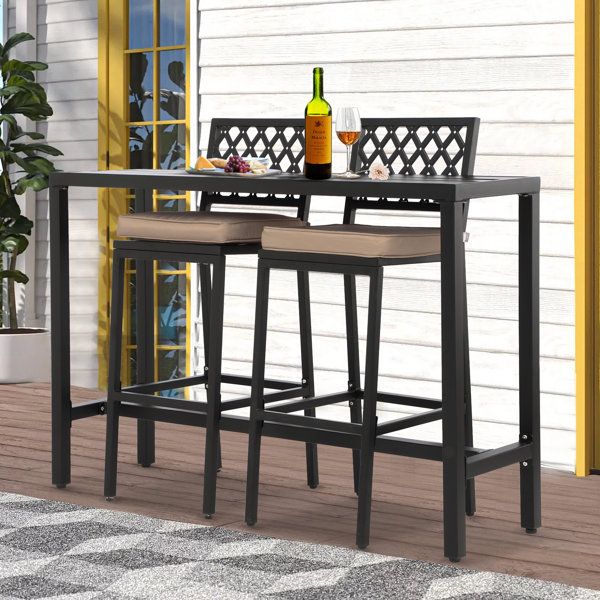
You know that feeling when you walk into a house and immediately sense where everyone fits. It’s in the way the chairs are arranged, the height of the coffee table, and yes, even the kitchen island. But for too many homeowners, the choice between a standard counter height and a trendy bar height is just about aesthetics. It’s about looking cool in a photo. It’s about that "modern open concept" vibe we all chase.
What if I told you that choice could be the difference between your grandmother enjoying coffee with the family and her needing to call for help?
It sounds dramatic, sure. But the reality is stark. When you lift a table surface from the standard 36 inches to the trendy 42 inches, you aren’t just changing the look of your kitchen. You are fundamentally changing the physics of getting up and down. For a young, agile person, it might feel like a fun challenge. For an elderly guest, it can be a genuine barrier to entry.
Let’s be real. We often overlook the small details in our homes until someone gets hurt. We think our parents or grandparents are stronger than they are. We assume they can just "adjust" to the new furniture. But aging isn’t just about wrinkles. It’s about grip strength fading, knee joints stiffening, and balance becoming a fragile thing. Ignoring this when picking out stools is a mistake we shouldn’t make.
The Dangerous Gap Between 36 and 42 Inches
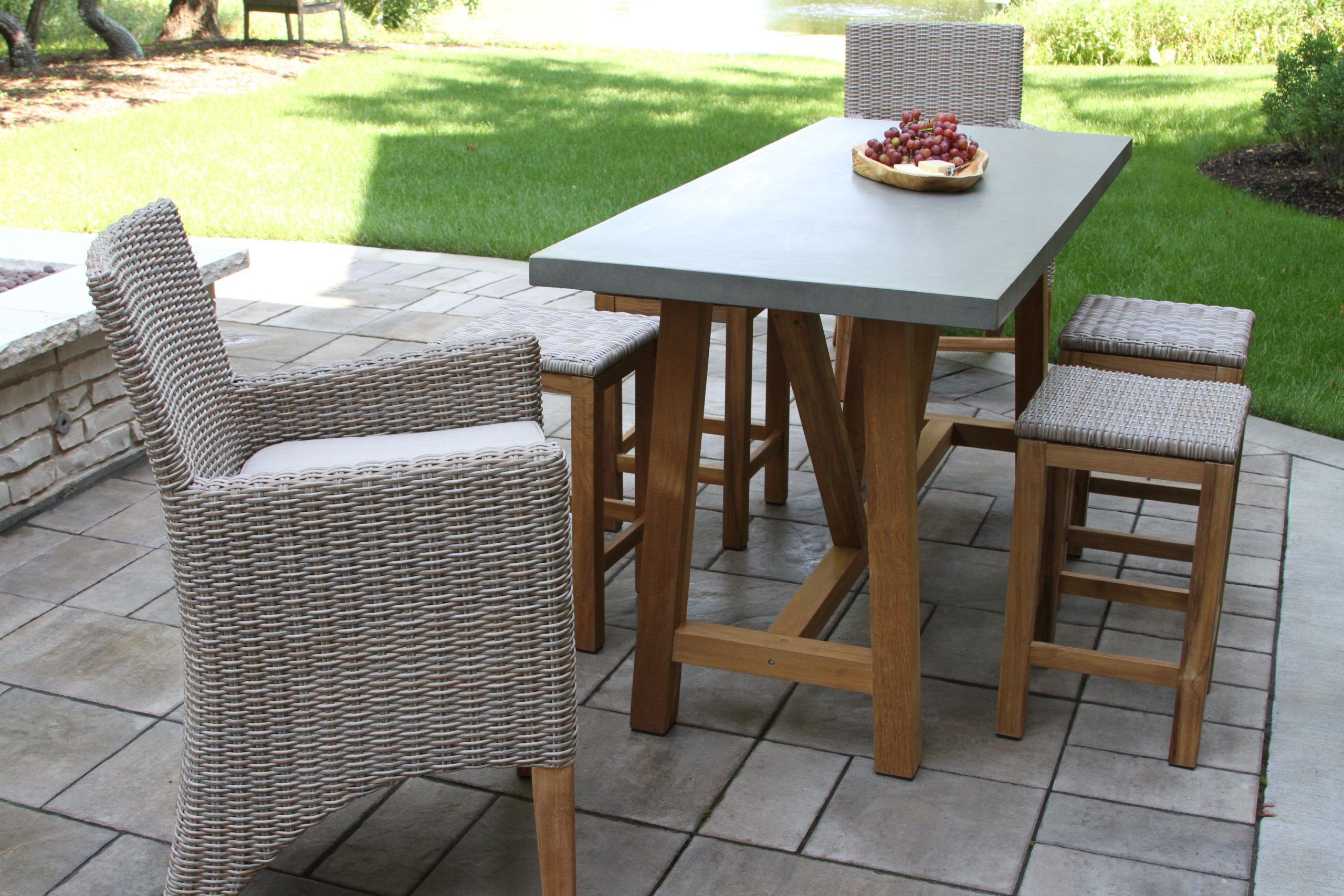
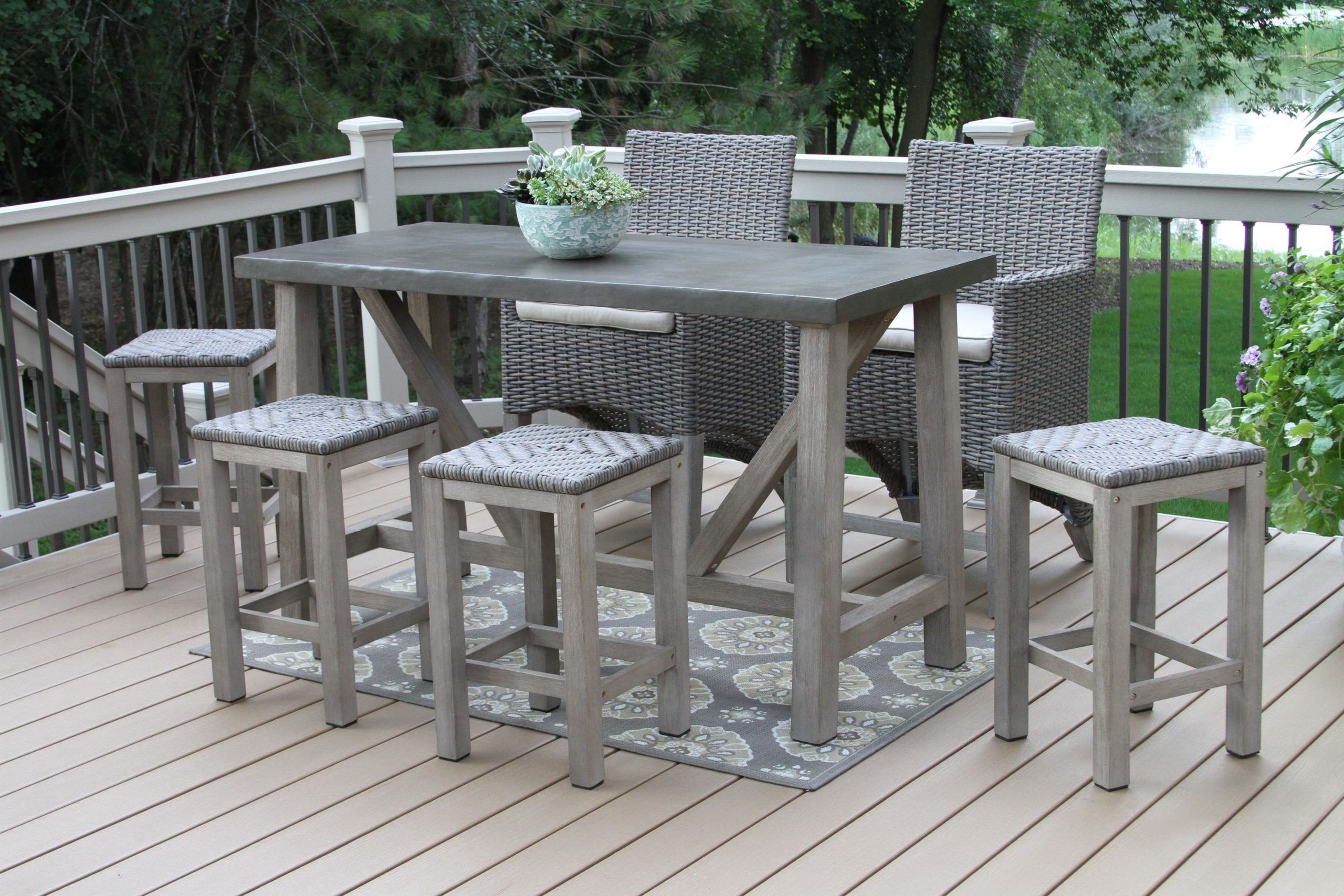
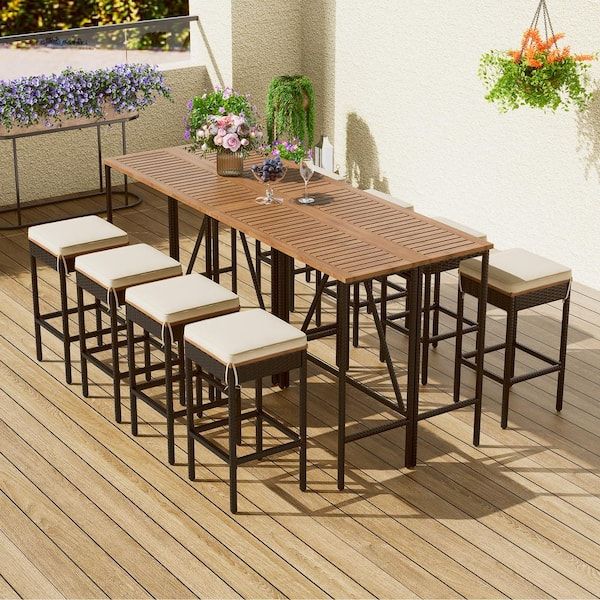
When you look at the specs, the difference between a counter and a bar seems small. A standard kitchen counter sits around 36 inches high. A bar table, often found in restaurants or fancy homes, jumps up to 40 or even 42 inches. That’s only six inches of extra height. But in the world of ergonomics, six inches is a massive gap.
For someone with limited mobility, that extra height changes everything. The average person’s knees and hips are built to handle a standard 36-inch surface. The thighs are parallel to the floor, and the feet are planted firmly. When you move to a 42-inch bar, the feet dangle. They don’t touch the ground, or if they do, they barely graze it.
This lack of foot support is the silent killer of independence. Without a solid place to push against, getting up from a stool becomes a terrifying act of strength. You have to rely entirely on your arm muscles and core strength to lift your body weight. Imagine trying to stand up from a chair where your feet are floating in mid-air. Your knees have nothing to stabilize on.
Research from 2026 highlights this exact issue. Furniture experts and ergonomic guides are now emphasizing that for surfaces 44 inches and taller, the risk of falls skyrockets for older adults. Even a standard 42-inch bar is often too high for safe, independent use. It forces the body into a precarious position where a slight misstep or a weak moment can lead to a fall. It’s not just uncomfortable; it’s unsafe.
The Mechanics of Getting Up and Down Safely
Think about the last time you helped an elderly relative out of a deep armchair. You probably had to offer a hand, maybe a shoulder, to help them lift their torso. Now, imagine they are sitting on a bar stool at a high counter. There is no armrest. There is no back support that helps them pivot.
The mechanics of rising from a high seat are brutal on aging joints. The knees have to bend deeper, and the quads have to work harder. For someone with arthritis, that pain is immediate. It’s a sharp reminder of their physical limitations. They might try to get up, feel the strain, and then just sit back down, defeated.
This is why counter heights are so much better for mixed-age families. A 36-inch counter paired with a 24-to-26-inch stool allows the feet to be flat on the floor. The legs are at a 90-degree angle, which is the most efficient position for pushing up. The knees are supported. The hips are stable. It’s a natural movement, not a struggle.
When you choose a bar height, you are essentially asking your elderly guests to perform a physical feat they might not be capable of. And if they can’t do it, they will avoid the table. They will avoid the conversation. They will sit in the living room while the rest of the family gathers at the kitchen island, feeling isolated because the furniture just wasn’t right for them.
More Than Just Comfort: The Social Cost of High Stools
We talk about design and style, but we rarely talk about the social cost of bad furniture choices. When an elderly guest feels unsafe or uncomfortable, they withdraw. They stop participating. They stay quiet.
A high bar stool creates a physical barrier not just for getting up, but for staying at the table. It’s awkward. Your legs are crossed or dangling. You feel exposed. You can’t lean forward comfortably to pass a dish or hear a story. The table is too high for your arms to reach the center without raising your shoulders.
In 2026, as we design more open-concept homes, the kitchen has become the true heart of the house. It’s where the homework happens, where the meals are shared, and where the news is discussed. If the furniture in this heart is exclusionary, the family dynamic suffers.
Consider the grandmother who wants to help chop vegetables but can’t reach the counter without craning her neck. Or the grandfather who wants to watch the kids play but has to lean precariously over a high bar to see. These aren’t just minor inconveniences. They are moments of dignity lost. By choosing the right height, you are saying, "You belong here. You are safe here."
The Numbers Don’t Lie: Measurements Matter
Let’s get specific with the numbers because vague advice doesn’t help when you are shopping. According to recent guides from major furniture sources, the standard counter height is 34 to 36 inches. This requires a stool seat height of 24 to 26 inches. This is the sweet spot.
Bar height, on the other hand, is typically 40 to 42 inches. This demands a stool seat height of 30 to 32 inches. That is a huge jump in seat height. For a child, this is fun. They feel like a big kid. For an elderly person, it is a nightmare.
There is also the issue of knee clearance. You need about 24 to 30 inches of space between stools to give guests elbow room. But beyond that, you need to ensure there is enough room for legs to tuck under. At a bar height, the legs are often stuck out in front, which makes getting up even harder.
When you look at the data, it’s clear. The gap between 36 inches and 42 inches is not just a design choice. It is a safety specification. If you have guests with mobility issues, or even just parents who are getting older, the bar height table is a no-go. The counter height is the only logical choice for inclusivity.
Accessibility is the New Luxury
We used to think luxury was about marble countertops and gold fixtures. But in 2026, true luxury is about accessibility. It’s about a home that works for everyone, regardless of their age or ability.
Choosing a counter height table isn’t just about being practical. It’s about being kind. It’s about understanding that our parents and grandparents deserve to feel safe in their own homes. It’s about recognizing that the kitchen should be a place of connection, not a minefield of potential falls.
You don’t have to sacrifice style to make this happen. There are plenty of beautiful counter-height islands that look modern and sleek. You can add a bar area for your own use, but keep the main seating at a safe 36 inches. This way, you get the best of both worlds. The kids can use the bar for their snacks, and the grandparents can sit comfortably at the main counter.
It’s a small adjustment in planning that yields a massive return in comfort. It ensures that the next family gathering isn’t marked by someone struggling to get up, but by laughter and easy conversation.
So, what should you do when you are picking out your new island or dining table? Don’t just look at the color or the finish. Look at the height. Ask yourself, "Can my 80-year-old mother get up from this chair without help?"
If the answer is "maybe," then you need to lower the height. Stick to the standard 36-inch counter. It’s the safest bet for mixed-age groups. It’s the most versatile. It works for kids, adults, and seniors alike.
Remember, a home is meant to be a sanctuary. It shouldn’t be a place where you have to worry about every step you take. By choosing the right height, you are creating a space where everyone can relax, connect, and feel at home.
Don’t let a six-inch difference ruin the moment. Think about the people you love. Think about their comfort. Make the choice that keeps them safe and included. Because in the end, that is what a home is all about.