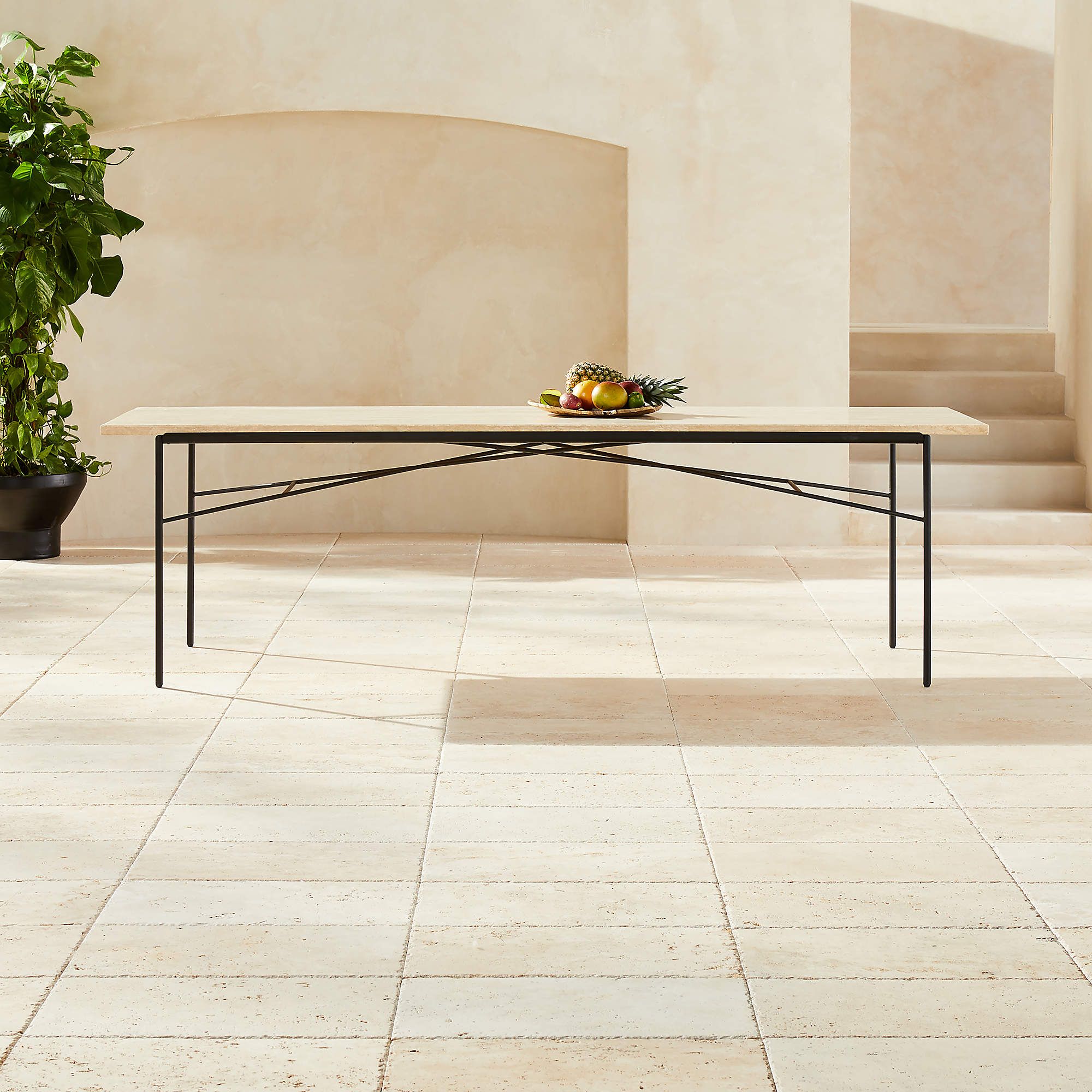
There is something magical about pulling up a chair to a round stone table. It just feels right. The shape invites conversation, keeps eyes on the center, and makes everyone feel included. But then comes the big question. What if you want that same warmth inside your home, yet the table also needs to survive a sudden summer downpour or a winter freeze? It feels like an impossible trade-off, doesn’t it? For years, we thought we had to choose between a delicate marble top that could stain from a spilled glass of wine or a boring, heavy concrete slab that looked like a bunker.
Well, things have changed. A lot.
By 2026, the gap between "luxury" and "tough" has basically vanished. We are seeing tables that look like they belong in a five-star restaurant but can handle the chaos of a backyard BBQ without a scratch. It is not just about durability anymore; it is about design that adapts. You can take a table from the living room to the patio, and it will still look stunning. The secret lies in the materials and how they are engineered today. Let’s dive into how finding that perfect balance is actually easier than you might think.
The New Wave of Stone: From Natural to Engineered
Gone are the days when "stone" meant only what you found digging in the ground. Sure, natural granite and marble have their charm, but they are finicky. They need sealing, they can etch, and they often just aren’t tough enough for the elements. Today, the real heroes are engineered stone surfaces. Think of materials like sintered stone or fiber-reinforced concrete. These aren’t just rocks glued together; they are created in labs to be super strong.
Take a brand like RST Brands or the offerings from Summer Classics. They use high-performance blends that mimic the look of natural stone perfectly. You get those beautiful veins, the rich textures, and that luxury feel you want indoors. But underneath, it is a different story. These tables are often made from materials that are resistant to UV rays, heat, and scratches. A hot pan from the grill won’t leave a burn mark. A spilled margarita won’t soak in. It is amazing how much technology has advanced.
We are seeing a lot of "high-performance stone blends" hitting the market. These are lightweight yet incredibly durable. Imagine a tabletop that feels as heavy and solid as real granite but is actually engineered to be more stable. It captures the organic charm of carved stone but remains tough enough for everyday use. This is the game changer. It means you don’t have to baby your furniture anymore. You can just live.
Why Round Shapes Are Winning the Design Wars
You might be wondering why round tables are suddenly everywhere. Is it just a trend, or is there a reason? I think it is both, but mostly it comes down to how people live. Round tables are inclusive. No one has a "head" of the table. It breaks down barriers and makes for better gatherings. In 2026, with open concept living being the norm, a round stone table is the perfect anchor. It flows well in a dining room and works just as well on a circular patio.
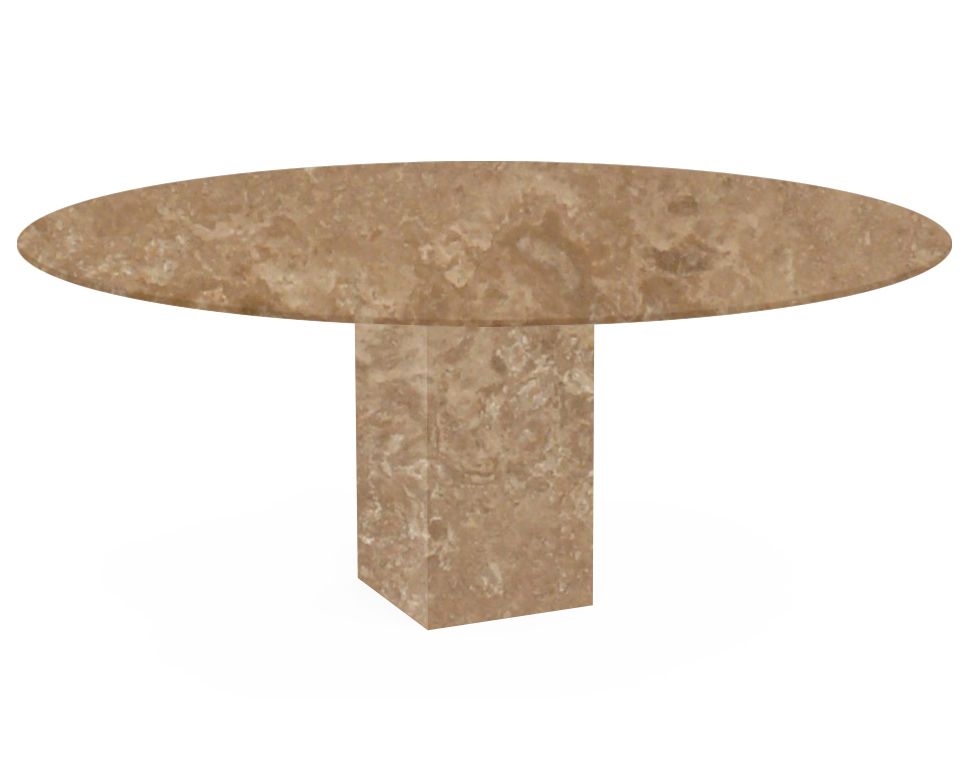
There is also the practical side. Sharp corners are a hazard, especially if you have kids or pets. A round top is safe. It is softer on the eyes and creates a more relaxed vibe. Plus, from a structural standpoint, round stone tops distribute weight evenly. This makes them easier to support with a single pedestal base, which saves space and looks sleek.
Look at the "Cynthia Travertine Concrete" table. It is a round 54-inch beauty that blends style and durability. The round shape allows it to sit comfortably in a garden nook or a living room corner without feeling bulky. The fluted pedestal forms add a nice visual rhythm, too. It is not just a flat slab on a leg; it is a piece of architecture. When you combine the round shape with a stone top, you get a table that is both a conversation starter and a workhorse.
The Base Matters: Matching Stone to Structure
Here is where a lot of people get it wrong. They pick a beautiful stone top, but forget to look at the base. If you are moving a table from inside to outside, the base is just as important as the top. Natural stone is heavy. If the base is made of cheap metal or untreated wood, it might rust or rot. You need a foundation that can handle the weather without falling apart.
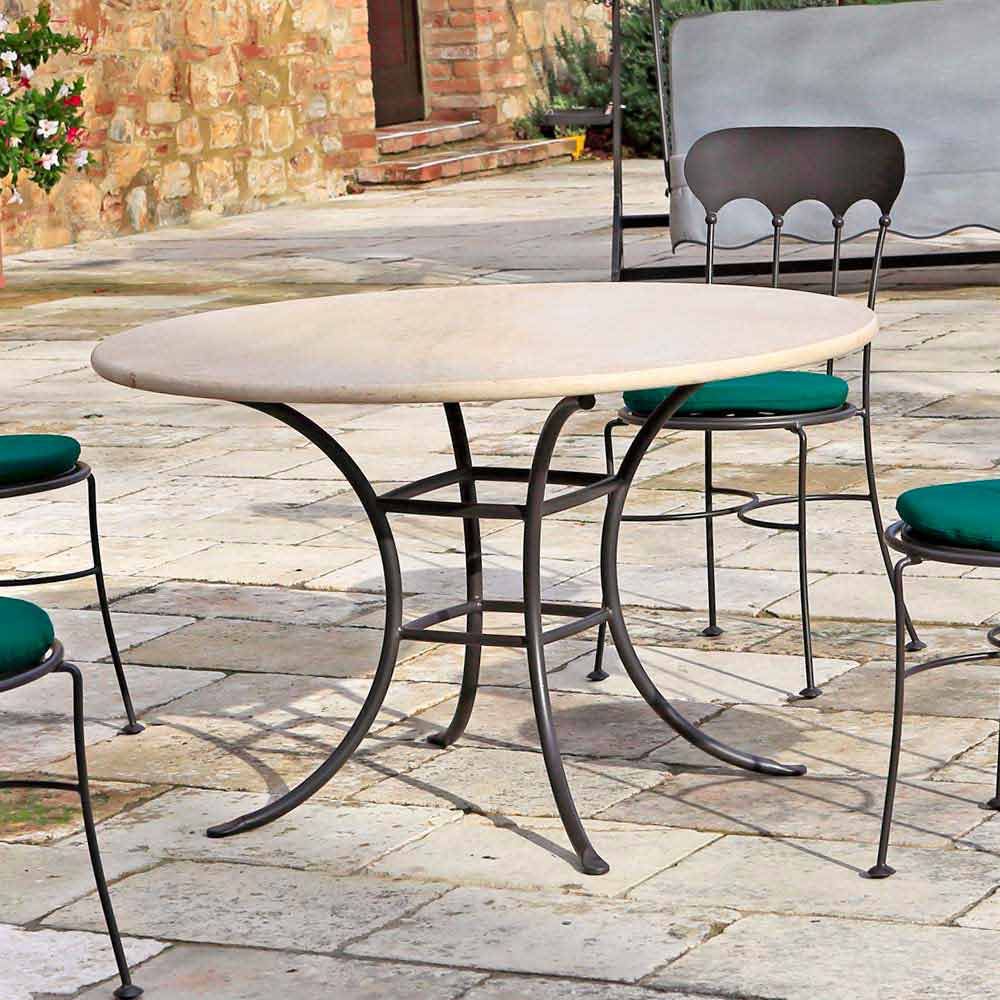
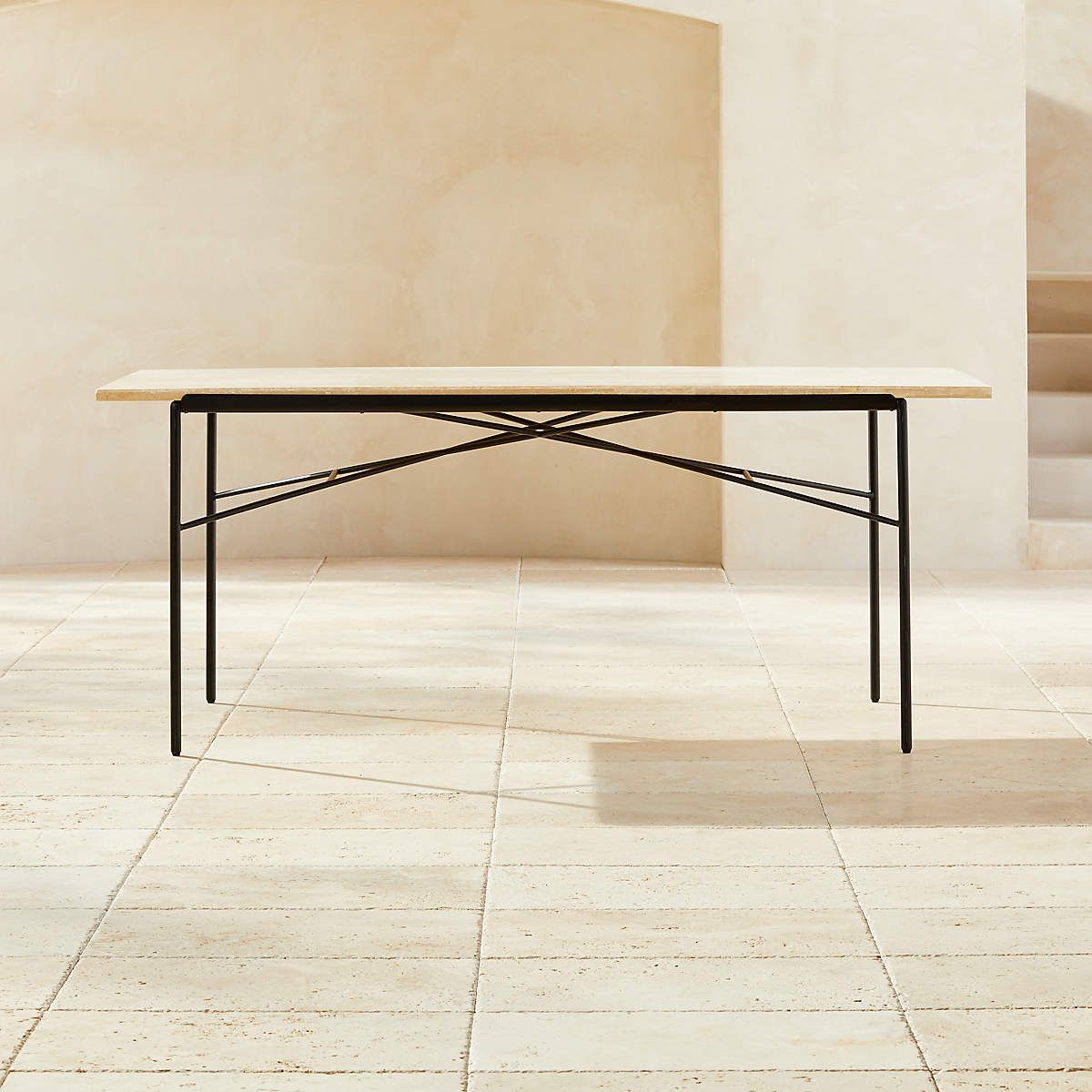
Most top-tier tables now come with bases made from rust-proof aluminum or powder-coated steel. These materials are specially engineered for exterior use. They don’t rust, they don’t warp, and they can take a beating. Think of the "dark gray, rust-proof aluminum powder-coated frame" found on many modern patio sets. It is sleek, modern, and built to last. It complements the stone top without competing with it.
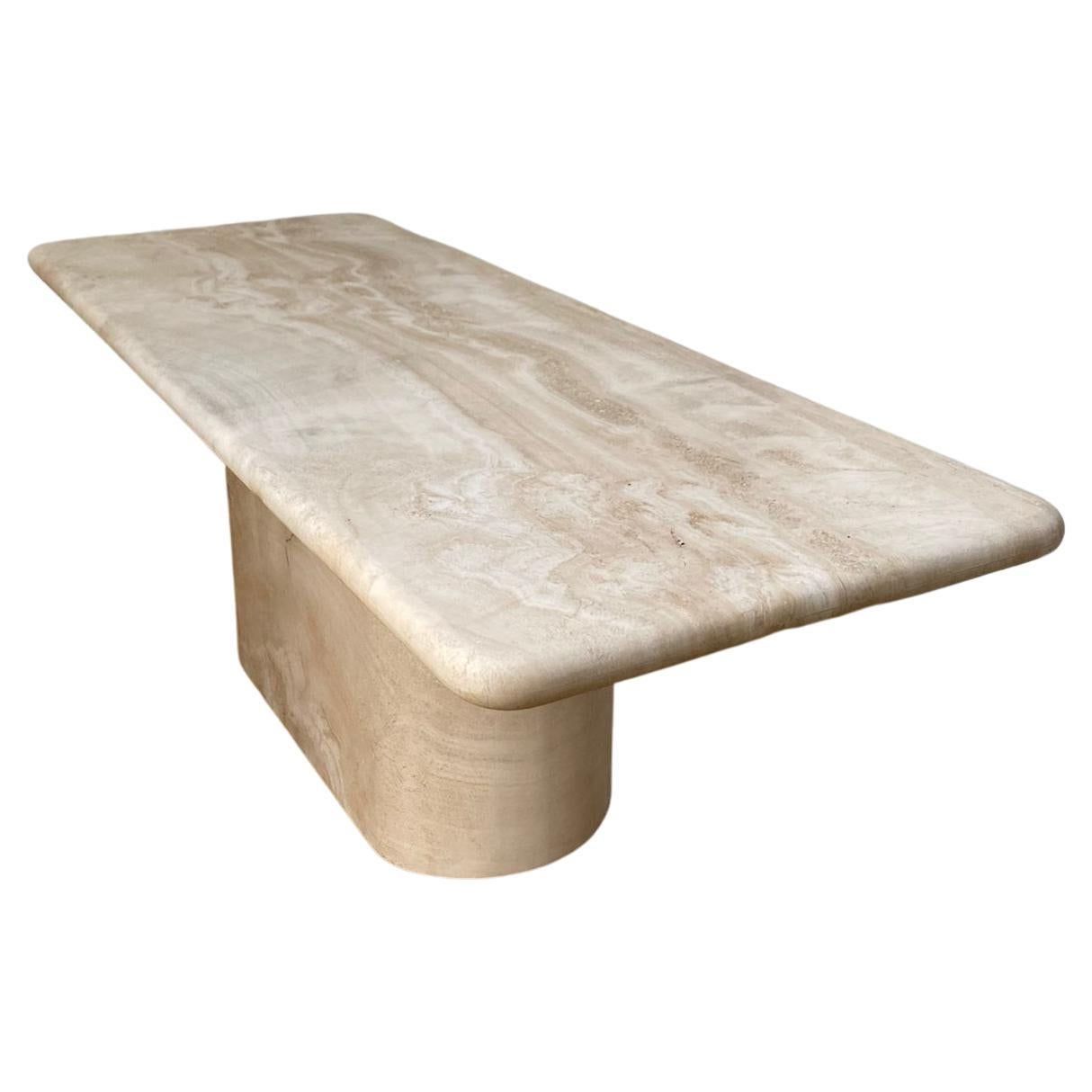
Some tables even mix materials in clever ways. Imagine a solid, rounded pure travertine top paired with natural teak legs. Teak is famous for its outdoor durability, and when paired with stone, it creates a striking combination. The wood warms up the look, while the stone provides that cool, luxurious texture. Just remember, if you are going for a mixed material look, check that the wood is treated or naturally resistant to moisture. You don’t want your table looking like it has a sunburn after a few months.
Real-World Performance: Heat, Stains, and Sun
Let’s talk about the things that actually happen in real life. We don’t just sit and look at tables; we use them. We put hot plates down. We spill red wine. We leave them out in the blazing sun. This is where the new generation of stone tables really shines. Sintered stone, for example, is man-made and recognized for its resistance to heat, UV rays, and scratches. It is basically indestructible for a dining table.
I remember reading a review from a customer in Houston. She got a table with a Dekton durable stone surface. She loved the beautiful veining and noted that the color was exactly what she wanted. It was taupe, not gray, which made a huge difference in her space. She said it was equally at home inside as it was on her patio. That is the kind of flexibility we are talking about. You don’t need to worry about the sun fading the color or the heat damaging the surface.
Another big plus is the stain resistance. Natural stone can be porous, meaning liquids soak in. Engineered stone is non-porous. A simple wipe is all it takes to clean up a spill. It is not just about being tough; it is about being easy to live with. You can host a dinner party, the kids can play nearby, and you won’t be constantly worried about ruining your furniture. It brings a sense of freedom back to dining.
The Aesthetic Shift: Minimalism Meets Organic Charm
There is a specific vibe that these indoor-outdoor stone tables bring. It is a mix of minimalism and organic charm. You see clean lines, simple forms, but the stone itself adds a layer of complexity. It feels grounded. It feels natural. This is a huge shift from the plastic and glass furniture of the past. People want their homes to feel connected to nature, even when they are inside.
The "Artless sea smoke table" is a great example. It is as clean and minimalist as can be. The base is direct, yet visually complex enough to hold the heavy stone top. It suits a modern aesthetic perfectly. The stone top provides that luxury organic feel that compliments natural surroundings. Whether it is a garden, a patio, or a living room, the table acts as a bridge between the indoors and the outdoors.
It is also about the texture. A matte finish on a concrete or stone table feels soft to the touch. It doesn’t reflect harsh lights like polished glass might. It absorbs light and creates a cozy atmosphere. The "Superstone" round tabletops from Summer Classics are a perfect example. They offer a durable solution that is also stylish. The texture invites you to run your hand over it, to feel the cool stone, to relax. It is a sensory experience, not just a visual one.
Caring for Your Investment: A Simple Routine
One of the best things about these modern tables is that they require very little care. You do not need to learn a complex maintenance routine. In fact, for most of these engineered stone tables, the care is as simple as wiping it down. No sealing, no waxing, no special oils. Just soap and water.
Of course, common sense still applies. Don’t drag a heavy chair across the surface. Use coasters for the occasional very hot item, just to be safe. And if you are storing it outside during a harsh winter, covering it with a breathable cover can help it look new for years. But honestly, many of these tables are built to withstand the elements year-round.
Look at the "Cynthia Travertine Concrete" table again. It comes with a 5-year guarantee. That tells you something about the quality. It is built to last. By choosing a table that is designed for both indoor and outdoor use, you are making a smart investment. You are buying a piece that will grow with your home and your lifestyle. You won’t need to replace it in a few years. It is a long-term solution for a life well-lived.
So, what have we learned? Balancing indoor luxury with outdoor durability is not a myth. It is a reality in 2026. With materials like sintered stone, fiber-reinforced concrete, and high-performance blends, we have tables that are both beautiful and tough. The round shape makes them inclusive and stylish, while the right base ensures they stand strong against the elements.
It is about more than just buying furniture. It is about creating a space where you can entertain, relax, and live without worry. Whether you are hosting a dinner party in your living room or enjoying a quiet breakfast on your patio, the table is there to support you. It is a centerpiece that brings people together.
The future of dining is flexible. It is about tables that adapt to your life, not the other way around. So, go ahead and look for that perfect round stone table. You will find one that fits your style, your home, and your life. And when you do, you will realize that you don’t have to choose between luxury and durability anymore. You can have both.