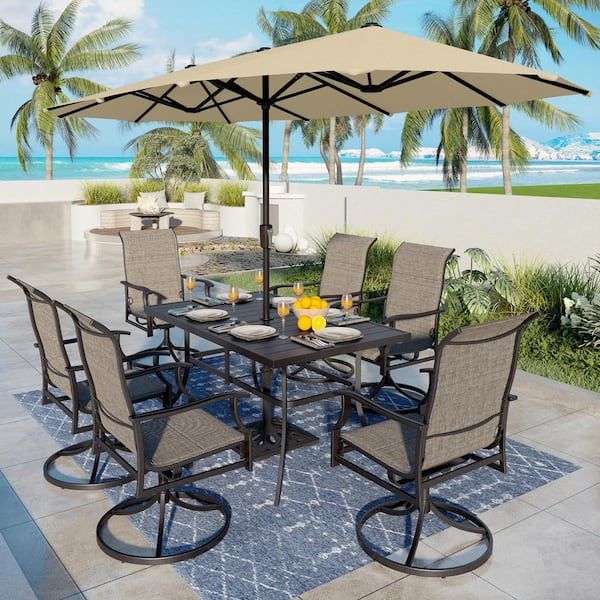
Picture this: It’s a sweltering July afternoon in 2026. You’ve just set up your patio dining table for a family gathering. The sun is high, the air is thick, and you sit down on a brand new chair. The kind you paid good money for. But instead of cool comfort, your back hits a surface that feels like it’s been baking in an oven. You bounce up immediately. It’s sticky, hot, and frankly, just miserable.
We’ve all been there.
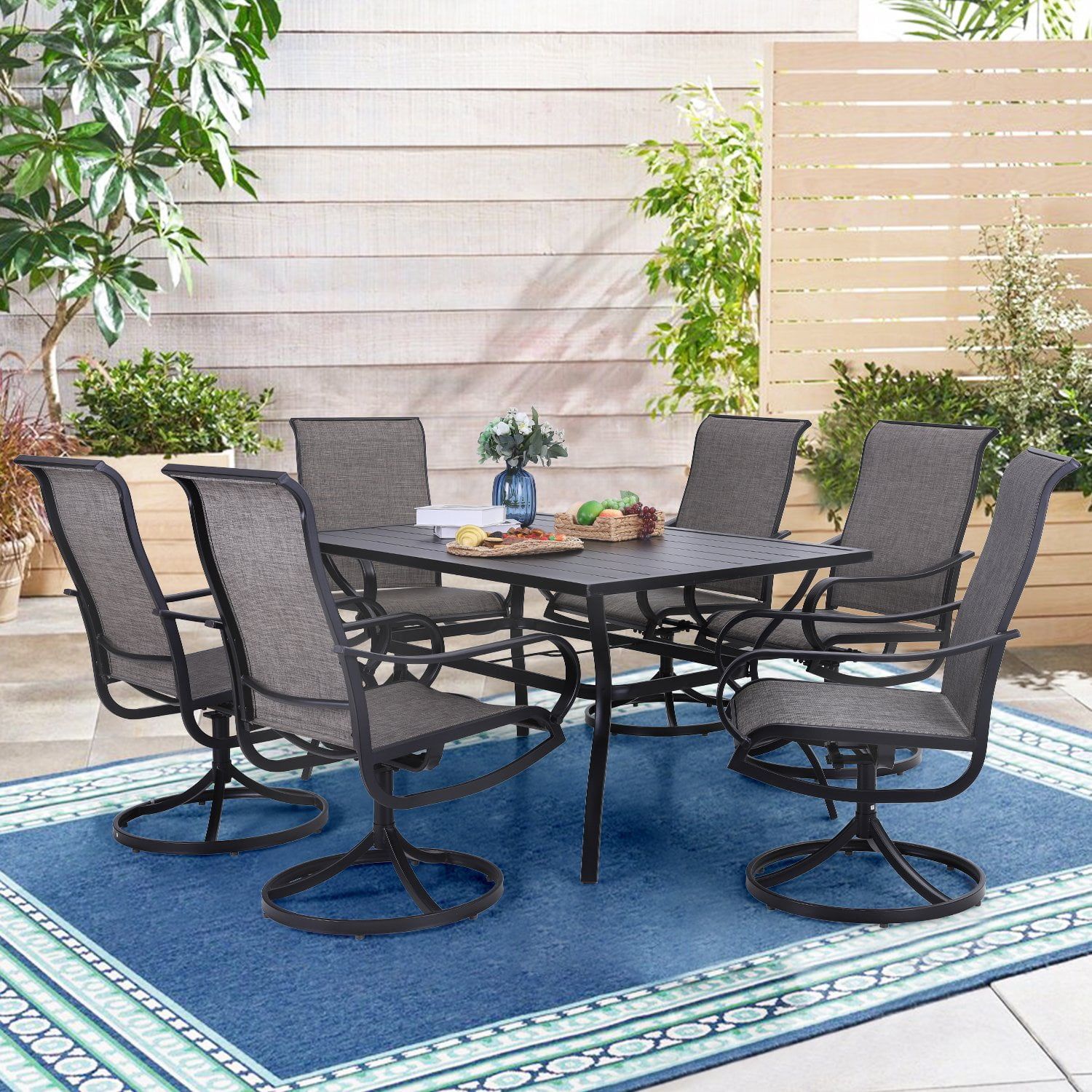
It’s a common frustration that turns a relaxing dinner into a sweaty ordeal. But the furniture industry has been listening. Or at least, the smart manufacturers have. They’ve stopped trying to make plastic-like cushions and started looking at something far more clever. They’ve turned to textured textilene. It sounds technical, but the result is simple: chairs that actually let you breathe.
No more baking on the seat. No more mold growing because rain sat on the fabric for three days. Just cool, durable seating that laughs at the sun and the sand. Let’s dive into why this specific fabric is changing the game for every outdoor enthusiast.
The Science of the Sling: Why Texture Matters
You might think all mesh fabrics are the same, right? Flat, smooth, maybe a little plastic-y. That was the old way of thinking. The real magic happens when you look at the texture. Textured textilene isn’t just a flat sheet of polyester; it’s a woven dance of fibers that creates a specific surface. This texture is what gives the fabric its grip and its character.
When you run your hand over a high-quality textured seat, it feels substantial. It’s not slippery like cheap vinyl. This tactile quality is huge because it means your clothes don’t slide off, and you don’t feel like you’re sitting on a slippery slide. But more importantly, that texture isn’t just for feel. It’s part of the structural integrity.
The weave creates tiny air channels right from the start. Think of it like a basket weave. If the weave was tight and flat, heat would get trapped. But with that textured, three-dimensional structure, air can flow up and down, not just side to side. This is why, in 2026, we see a massive shift away from solid cushions for dining chairs. The texture allows the fabric to flex under weight without sagging, keeping the seat supportive even after years of use. It’s a simple concept, but the engineering behind it is what keeps us comfortable.
Beating the Heat: The Breathability Factor
Let’s talk about the biggest enemy of outdoor comfort: heat. When you sit on a solid cushion or a non-breathable plastic, your body heat has nowhere to go. It builds up. The fabric acts like an oven mitt, trapping warmth against your skin. Textilene solves this with its open design. The mesh weave is designed to be permeable, allowing air to circulate freely through the material.
This isn’t just a minor comfort boost; it’s a game changer for hot climates. If you live in a place where summer temperatures consistently hit the 90s or 100s, this breathability is everything. The air flows through the seat and the backrest, carrying your body heat away. You stay cooler because the fabric doesn’t hold the heat. It’s like wearing a cooling vest, but built right into your chair.
And it’s not just about sitting down. It’s about drying out. If you get caught in a summer shower or just wash your patio furniture, textured textilene dries incredibly fast. Water doesn’t sit on the surface. It passes right through. This prevents that damp, musty feeling that you get with traditional upholstery. In 2026, we know that moisture is the enemy of comfort. By letting air and water move through freely, the fabric keeps the seating surface dry and inviting, no matter what the weather throws at it.
Tough as Nails: Durability Against the Elements
We all want our patio furniture to last. Nobody likes replacing chairs every two years because the sun ate the fabric. This is where the durability of textilene shines. It’s made from solution-dyed acrylic or high-grade polyester, which means the color is locked into the fiber itself. You can’t wash the color out, and the sun can’t bleach it away easily.
UV resistance is a big deal. For years, outdoor fabrics faded within a season, turning bright reds into pale pinks and deep blues into gray fluff. Textured textilene is designed to withstand prolonged exposure to UV rays without fading. You can leave your chairs out all summer long, and they will look vibrant and new just like they did the day you bought them. This longevity is a huge win for the wallet and the environment.
Beyond the sun, it handles the other stuff too. Rain, salt, sand, and even mildew. The material is naturally resistant to rot and mildew because it doesn’t hold moisture. If you live near the coast, salt spray is a major concern. Traditional fabrics can corrode or degrade under that assault, but textilene just shrugs it off. It resists tearing and everyday wear, making it perfect for high-traffic areas where kids play or pets run around. It’s a material built to take a beating and keep on going.
The Hidden Battle: Mold, Mildew, and Moisture
Here is a fact that might surprise you: moisture buildup is the silent killer of outdoor furniture. When water gets trapped under a cushion or in a tight weave, it creates a breeding ground for mold and mildew. That musty smell? That’s the sound of your furniture slowly rotting from the inside out. Textilene avoids this trap completely.
Because of its mesh-type weave, water doesn’t remain on the surface. It drains right through. This means there is no moist environment for mold spores to grow. Even if the furniture gets soaked in a heavy storm, it dries out quickly, often within minutes if the sun comes out. This quick-dry capability is crucial for maintaining a healthy outdoor space. You don’t have to worry about scrubbing mold off your chair back.
This resistance to moisture also helps with cleaning. Since dirt and grime can’t get stuck in a wet, sticky fabric, a simple hose down is often all you need. You don’t have to scrub hard to get the dust off. The texture helps shed debris, and the breathability ensures that nothing gets trapped. It’s a low-maintenance solution that pays off in the long run. In 2026, with our busy lives, we don’t have time for high-maintenance furniture. Textilene respects our time by staying clean and fresh on its own.
Comfort Meets Style: The Aesthetic Evolution
For a long time, people thought durable meant ugly. They thought the only way to get a chair that could handle the sun was to buy something that looked like it belonged in a warehouse. That narrative has changed. Textured textilene has evolved. The texture itself adds a visual depth that flat fabrics just can’t match. It catches the light in interesting ways, giving the chair a more premium look.
Designers in 2026 are experimenting with different weave patterns and color combinations. The "textured" part isn’t just functional; it’s stylish. You can find it in earthy tones, bold modern colors, and even patterns that mimic natural fibers. It has shed its reputation as a purely utilitarian material and has become a design choice. You can pair it with aluminum frames, teak wood, or even sleek synthetic rattan for a high-end look.
However, it’s worth noting that it’s not quite as soft as a plush solution-dyed acrylic cushion. If you prefer that cloud-like feeling, you might need to add a throw pillow. But for the actual seat and back support, the firm, supportive texture of textilene is often more comfortable for long meals. It provides better posture support than a soft, sagging cushion. So while you might miss the softness of a pillow, you gain the stability and the coolness that makes sitting for hours actually enjoyable.
Making the Switch: What to Look for in 2026
So, you’re ready to upgrade your patio dining set. How do you spot the good stuff? When you’re shopping in 2026, look for the specific mention of "textured" or "mesh" weave. Don’t just settle for "outdoor fabric." The texture is the key to the breathability and durability we’ve been talking about. Check the tension of the fabric; it should be tight and taut, not loose or saggy.
Also, think about your lifestyle. If you have kids or pets, or if your patio is in a sunny, windy spot, textilene is practically a no-brainer. It handles the abuse better than almost anything else. Just make sure to check the warranty. Most reputable brands offer long warranties on their textilene fabrics because they know it lasts. And remember, proper care is still important. Even the toughest fabric benefits from a little love. A quick rinse and a spot clean when needed will keep it looking great for years.
The shift to textured textilene isn’t just a trend; it’s a smart evolution in how we live outdoors. It solves the heat problem, the water problem, and the durability problem all at once. It lets you focus on the food, the conversation, and the company, rather than worrying about your chair being too hot or falling apart.
We started by imagining that hot chair, the one that makes you jump up the moment you sit down. Now, imagine the alternative. Imagine sitting down on a cool, supportive chair that lets the breeze pass right through. Imagine a chair that looks as good in three years as it did on day one, despite the relentless sun and sudden storms. That is the promise of textured textilene.
It’s not just about the fabric. It’s about the experience of being outside. It’s about feeling comfortable enough to stay until the sun goes down. It’s about having furniture that works for you, not against you. In 2026, we have the technology to make outdoor living truly relaxing, and textured textilene is leading the charge.
So, the next time you’re looking for new patio dining chairs, skip the heavy, non-breathable cushions. Embrace the mesh. Embrace the texture. Your back, your guests, and your wallet will thank you for it. The future of outdoor dining is cool, durable, and incredibly breathable. And honestly, who wouldn’t want that?