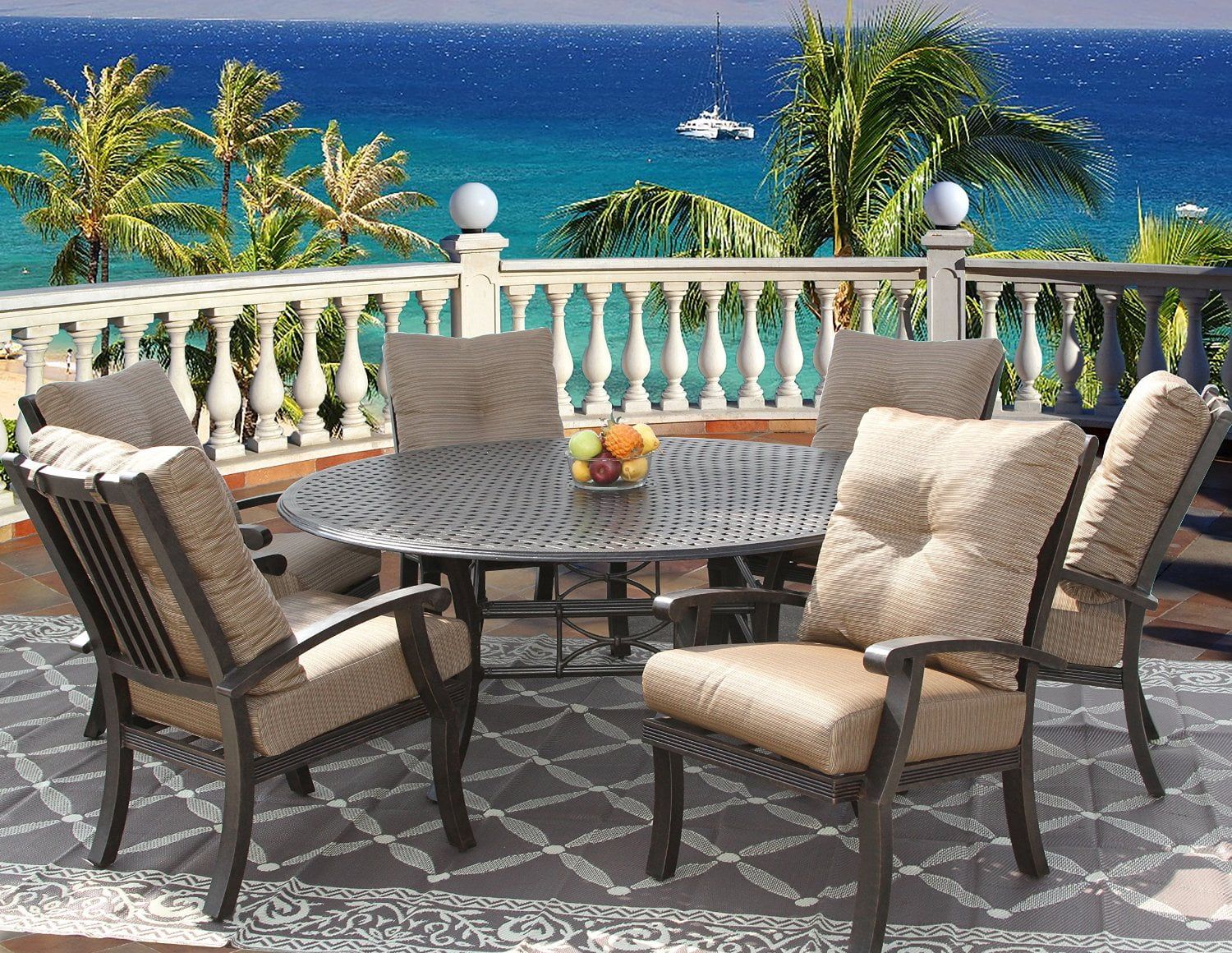
You know that feeling when you step outside on a warm evening, ready to eat under the sky, but the setup just feels… off? Maybe the chairs are too cramped, or the table wobbles on uneven pavers. It kills the vibe instantly. We’ve all been there. In 2026, our patios aren’t just extra space; they are full-blown living rooms without roofs. They are where we host friends, eat breakfast before work, and unwind after long days. So getting the furniture right isn’t just about aesthetics. It’s about comfort. It’s about making memories that don’t involve bumping your knee against a chair leg every five minutes.
Choosing the right set used to be simple. You bought a metal table, maybe some plastic chairs, and called it a day. But things have changed. The options today are overwhelming. From recycled composites to high-tech weather-resistant fabrics, the market is flooded with choices. And let’s be honest, nobody wants to spend their hard-earned cash on a set that fades, rusts, or breaks after one summer. This guide cuts through the noise. We are going to look at size, style, material, and those little details that make a huge difference. By the end, you’ll know exactly what to look for. No fluff. Just real advice for real spaces.
Measuring Your Space (And Why It’s Trickier Than You Think)
First things first. Grab a tape measure. Seriously. Do not guess. One of the biggest mistakes people make in 2026 is buying a table that looks great in the showroom but overwhelms their actual patio. You need to measure the length and width of your available space. But here is the catch: you also need to account for "flow." You can’t just fill every inch. You need room to walk around. A good rule of thumb is to leave at least 36 inches (about 90 cm) of clearance behind each chair. This allows someone to slide out comfortably without hitting a wall, a planter, or another guest. If your space is tight, consider 30 inches as an absolute minimum, but it will feel cozy. Really cozy.
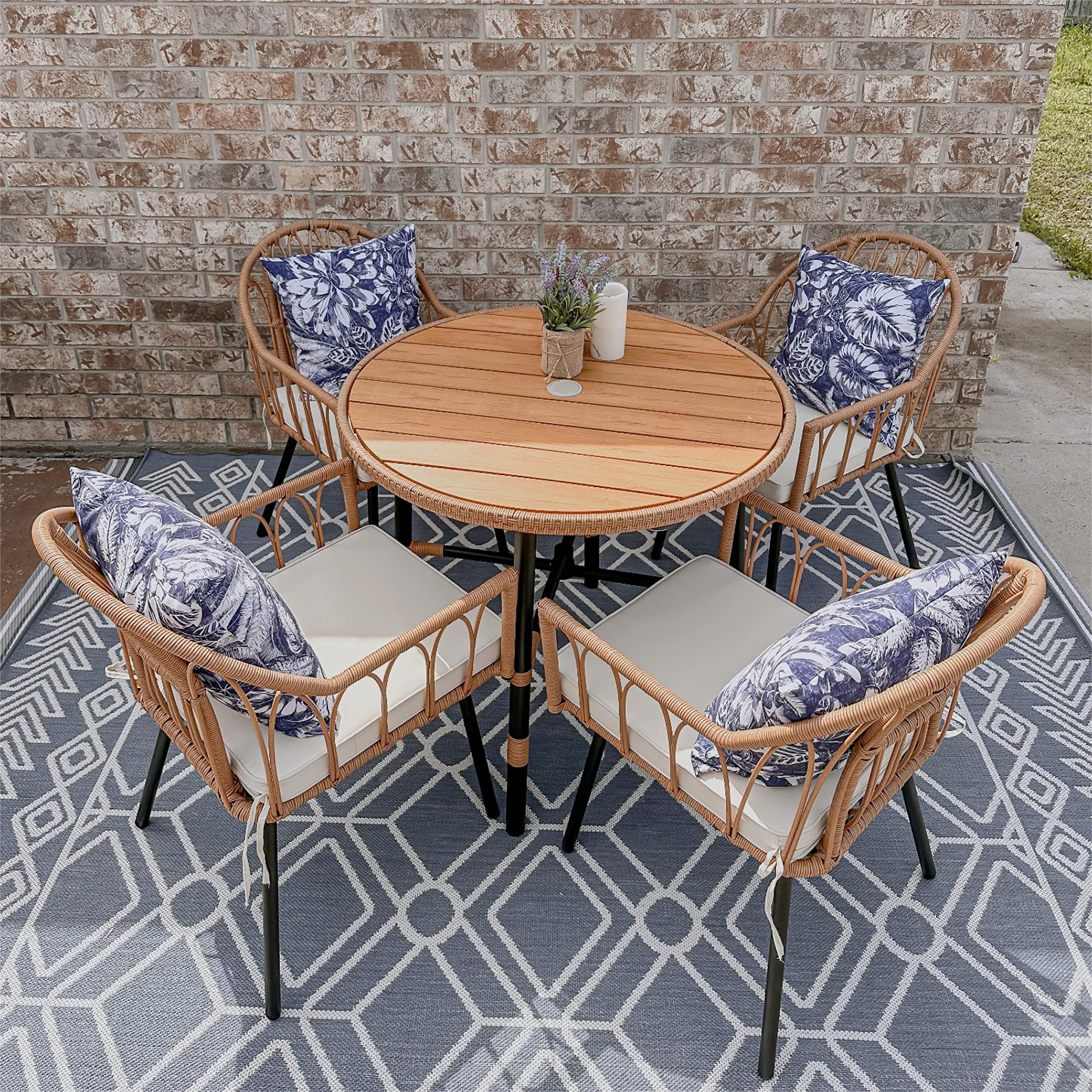
Think about how you use the space. Is it a narrow balcony? A wide deck? Or a sprawling backyard patio? For narrow spaces, a rectangular table often works best because it lines up with the shape of the area. Square tables are fantastic for smaller, square patios because they encourage conversation. Everyone faces everyone else. Round tables are the social butterflies of the furniture world. They soften the look of a space and eliminate sharp corners, which is great if you have kids running around. But remember, a round table needs more floor space than you might think because you can’t push it into a corner.
Don’t forget to check for obstacles. Are there railings? Overhangs? Built-in grills? Measure from these fixed points. Also, consider the height. Standard dining tables are about 30 inches high. Counter-height tables are 36 inches, and bar-height are 42 inches. Higher tables can make a small space feel larger because they draw the eye up, but they require specific stools. Make sure you test the seating height. Your feet should dangle comfortably, not hang precariously. If you are unsure, sketch it out on paper or use an app. Visualizing the layout saves you from the headache of returns later.
Material Matters: Durability Meets Design in 2026
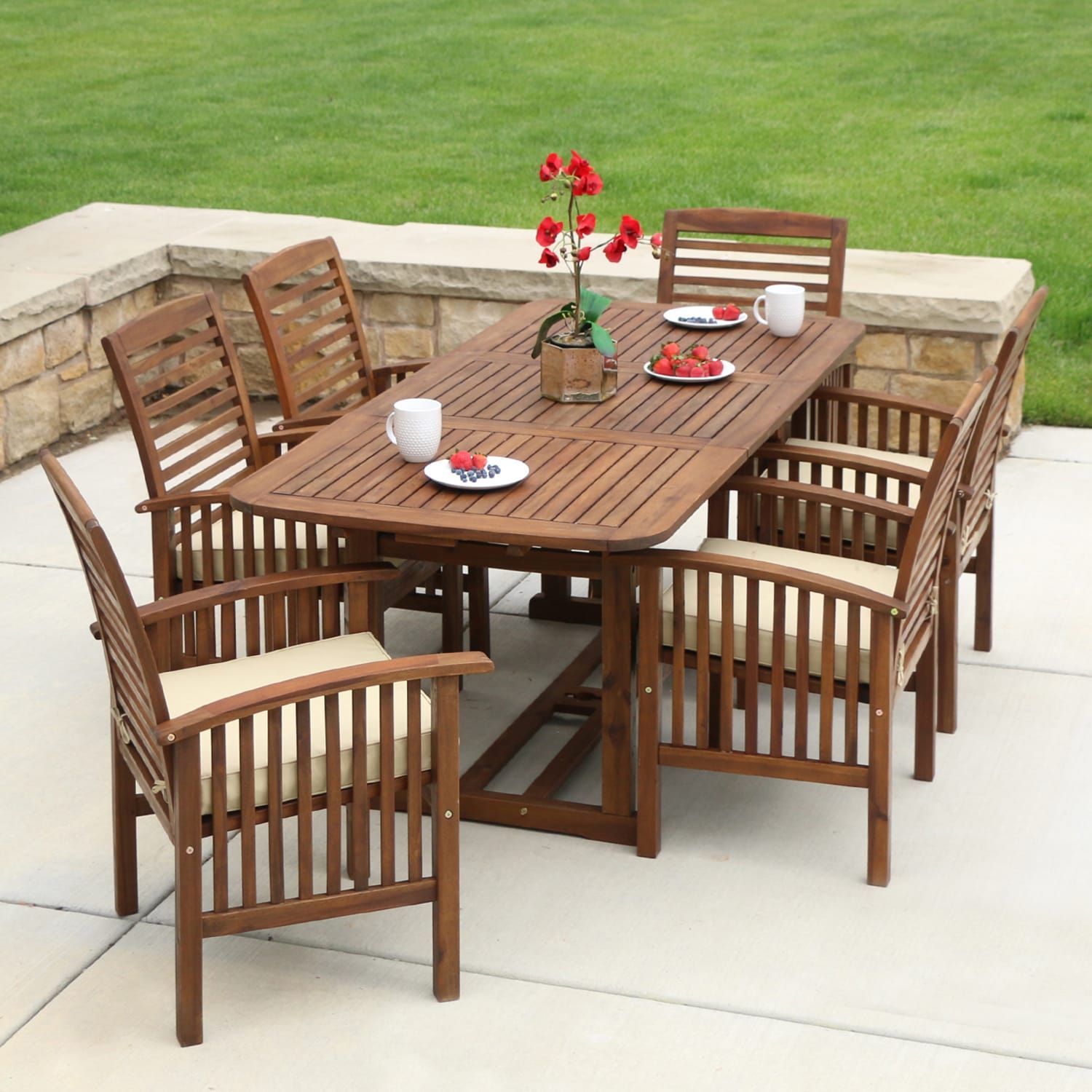
Let’s talk about what your table is made of. In 2026, sustainability isn’t just a buzzword; it’s a standard. People want furniture that lasts decades, not seasons. Teak remains the gold standard for wood lovers. It’s naturally oily, so it resists rot and insects. Plus, it ages beautifully, turning a silvery-gray if you let it. But it’s expensive. If you love the wood look but hate the price tag, look for acacia or eucalyptus. They are harder woods that hold up well but need a bit more care, like annual oiling, to keep them looking fresh.
Then there is the rise of high-density polyethylene (HDPE) lumber, often sold under brands like Polywood. This stuff is incredible. It’s made from recycled plastics, so it’s eco-friendly. It doesn’t rot, crack, or splinter. You can leave it out in rain, snow, or blazing sun, and it barely cares. It’s heavy, which is good for wind, but bad if you like to move furniture around every weekend. For many homeowners in 2026, this is the go-to choice because it offers the look of painted wood without the maintenance nightmare. You wipe it down, and you’re done.
Metal is still in the game, but it has evolved. Aluminum is lightweight and rust-proof, making it perfect for coastal areas or balconies where weight is a concern. Powder-coated finishes in 2026 are tougher than ever, resisting chips and fading. Wrought iron is classic and heavy, giving a sense of permanence, but it can rust if the coating gets scratched. Avoid cheap steel unless it’s heavily treated. And please, skip the glass tops if you live in a windy area or have active kids. Tempered glass is safe, but it shows every fingerprint and water spot. In 2026, textured surfaces and matte finishes are trending because they hide dirt and look more sophisticated.
Style Sync: Matching Your Home’s Vibe
Your outdoor space should feel like an extension of your indoors, not a completely different planet. If your home is modern and minimalist, you probably don’t want a rustic, chunky farmhouse table clashing with your clean lines. Look for sleek profiles, neutral colors, and simple geometric shapes. Black aluminum frames with teak slats are a huge hit in 2026 for this aesthetic. They are sharp, clean, and timeless. On the flip side, if your home is cozy and traditional, you might lean towards wrought iron with intricate details or classic white resin wicker.
Color plays a massive role here. For years, beige and brown dominated the patio scene. But in 2026, we are seeing a shift. Earth tones are still popular—think terracotta, olive green, and slate blue—but they are being used as accents. Cushions and umbrellas are where you can take risks. If your table is neutral, go bold with the seats. It’s easier to replace cushions than a whole table. Also, consider the hardware. Bronze, black, and brushed gold finishes are everywhere this year. They add a touch of jewelry to the furniture. Match these metals to your door handles or light fixtures for a cohesive look.
Don’t ignore the trend of "biophilic design," which basically means bringing nature in. Furniture that blends with the landscape is key. Sets that incorporate planters or have organic, curved shapes help soften the hardscape of a patio. In 2026, designers are encouraging mixing materials. A stone-top table with wooden chairs? Yes. A metal frame with rope detailing? Absolutely. The goal is to create a layered look that feels curated, not bought in a single box set. If you are stuck, look at your indoor dining room. What do you love about it? Try to echo that feeling outside.
Seating Comfort: It’s Not Just About Looks
Here is a hard truth: pretty chairs can be terrible to sit in. You’ve likely experienced this at a restaurant. The chair looks amazing, but after twenty minutes, your back hurts. Don’t make that mistake at home. When testing chairs, sit in them for at least five minutes. Shift around. Cross your legs. Does the backrest support your lower back? Are the armrests at a comfortable height? If you are buying online, read reviews specifically mentioning comfort. Look for words like "sturdy," "cushioned," and "ergonomic."
Cushions are a game-changer. In 2026, outdoor fabrics have come a long way. Solution-dyed acrylics (like Sunbrella or Perennials) are the benchmark. The color goes all the way through the fiber, so it won’t fade easily. They are also water-resistant and mildew-resistant. But here is the tip: make sure the cushions are thick enough. A half-inch cushion is basically decorative. You want at least 2 to 3 inches of foam for actual comfort. Also, check if the covers are removable and washable. Life happens. Spills happen. Being able to throw covers in the wash is a lifesaver.
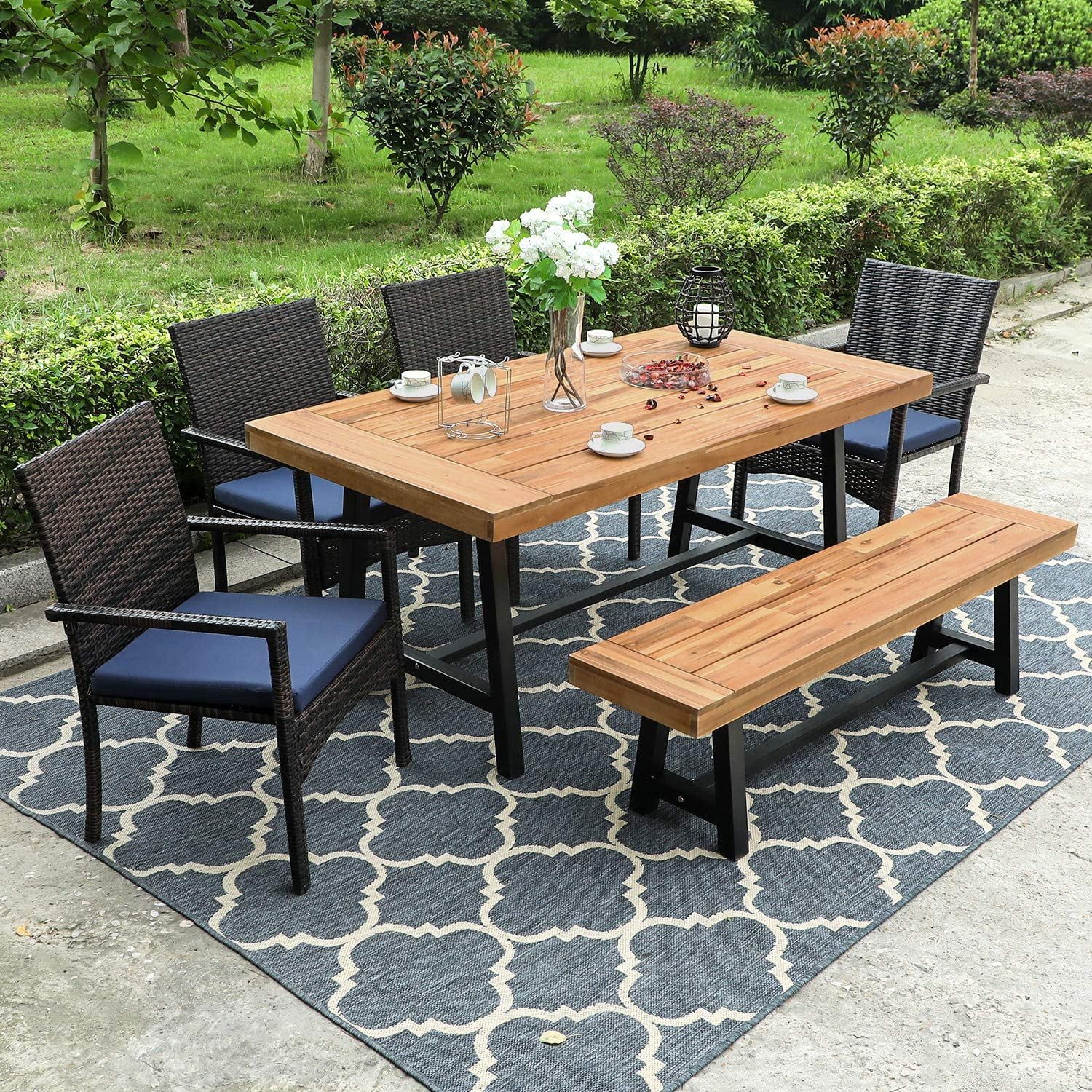
Consider the type of seating beyond standard chairs. Benches are great for squeezing in extra guests and can be tucked under the table to save space. Swivel chairs add a fun, dynamic element to the dining experience, allowing you to turn and chat with people behind you. Rockers are having a moment too, offering a relaxing vibe for post-dinner lounging. Just ensure that any moving parts are high-quality. Cheap swivels squeak and break. Invest in smooth mechanisms. And if you have elderly guests or anyone with mobility issues, avoid chairs that are too low or too deep. Accessibility matters.
Functionality for Real Life: Entertaining and Storage
How do you actually live with this table? If you love hosting dinner parties for eight, but your daily crew is just two, an extension table is your best friend. In 2026, extension mechanisms are smoother and more reliable than ever. Some tables even have self-storing leaves, so you don’t have to find a place to hide the extra pieces. This flexibility is crucial for small spaces. You keep the table compact for Tuesday night tacos, then expand it for Saturday’s birthday bash. It’s practical magic.
Think about storage. Where will the cushions go when it rains? Do you have a deck box? A shed? If not, consider furniture with built-in storage or buy covers that are easy to put on and take off. Heavy, waterproof covers are essential for protecting your investment during storms or winter. In regions with harsh winters, storing furniture indoors or in a garage is still the best bet for longevity. But if you live in a mild climate, high-quality covers might be enough. Just make sure the covers breathe. Trapped moisture leads to mold, which is the last thing you want.
Lighting is part of functionality too. You aren’t just eating at noon. Most dinners happen when the sun goes down. Does your table have a hole for an umbrella? If so, does it have a plug to close it when the umbrella is down? Many 2026 models include integrated LED lighting in the table base or umbrella pole. This adds ambiance without needing messy extension cords. If not, plan for lanterns or string lights. The right lighting transforms the space from a cafeteria to a sanctuary. Don’t overlook the practical need for a surface to set drinks on while you’re standing. Side tables or carts nearby are helpful additions.
Let’s talk money. Outdoor furniture is an investment. You can spend $200 or $2,000. What’s the difference? Usually, it’s the frame construction and the fabric quality. A cheap set might look fine in June, but by August, the fabric is faded, and the joints are loose. In 2026, the smart move is to buy the best quality you can afford for the pieces you use most. If you dine outside every day, splurge on the chairs. If you only use the table for occasional drinks, you can save a bit there.
Look for warranties. Reputable brands in 2026 offer solid warranties, often ranging from 1 to 10 years, depending on the material. A 5-year warranty on a resin table is a good sign. A 1-year warranty on metal might indicate lower confidence in the finish. Read the fine print. Does it cover fading? Rust? Structural failure? Knowing this helps you gauge the true value. Also, consider the cost of ownership. A teak table costs more upfront but needs little repair. A cheap iron table might need repainting every two years. Factor in time and effort, not just the sticker price.
Sales cycles matter. The best time to buy is often late summer or early fall, when retailers are clearing out inventory for the next season. Spring releases bring new styles, but you pay a premium. Black Friday deals in 2026 are also strong for outdoor gear. But don’t wait for a sale if you find the perfect set. If it fits your space, matches your style, and feels comfortable, buy it. The joy of using it all summer is worth the extra cost. And remember, you can always start small. Buy the table and two chairs now, and add more seats later. It’s your space. Build it at your own pace.
Choosing the right outdoor dining set is about more than just filling a spot on the patio. It’s about creating a place where you want to be. It’s about the laughter shared over meals, the quiet mornings with coffee, and the ease of entertaining friends. By measuring carefully, choosing durable materials, matching your style, prioritizing comfort, thinking about function, and budgeting wisely, you set yourself up for years of enjoyment. Don’t rush the process. Take your time. Test the chairs. Feel the materials. Imagine the nights you’ll spend there.
In 2026, the line between indoors and outdoors is blurrier than ever. Your patio dining set is a bridge between those worlds. Make it sturdy. Make it beautiful. Make it yours. Whether you have a tiny balcony or a vast backyard, there is a perfect set waiting for you. It’s out there. You just have to know what to look for. So go ahead. Measure that space. Dream a little. And get ready to eat under the stars.