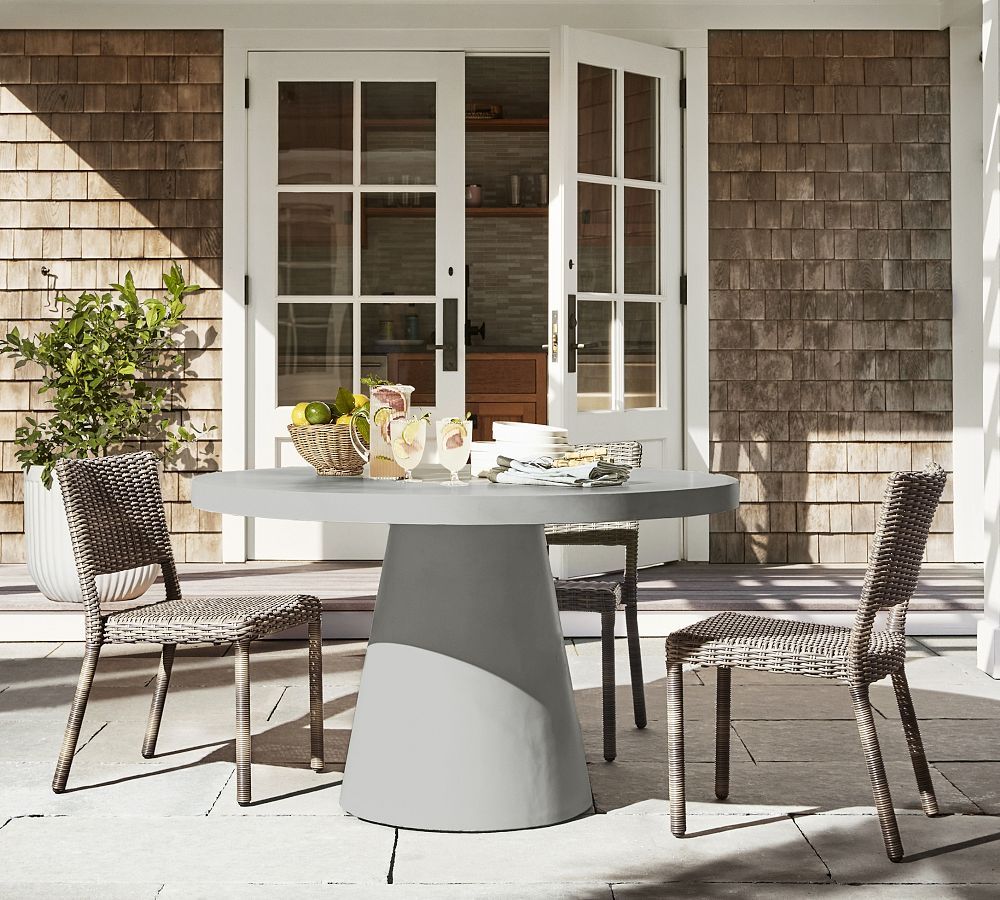
You know that feeling. You’ve spent hours prepping a beautiful spread for dinner outside. The sun is setting, the mood is right, and then—whoosh. A gust of wind knocks over a napkin holder. Then a glass tips. Then the tablecloth tries to fly away like a runaway kite. It’s frustrating. It ruins the vibe. In 2026, outdoor living isn’t just about having space; it’s about making that space usable, no matter what the weather throws at you. And lately, everyone seems to be talking about one specific piece of furniture that solves this problem better than anything else.
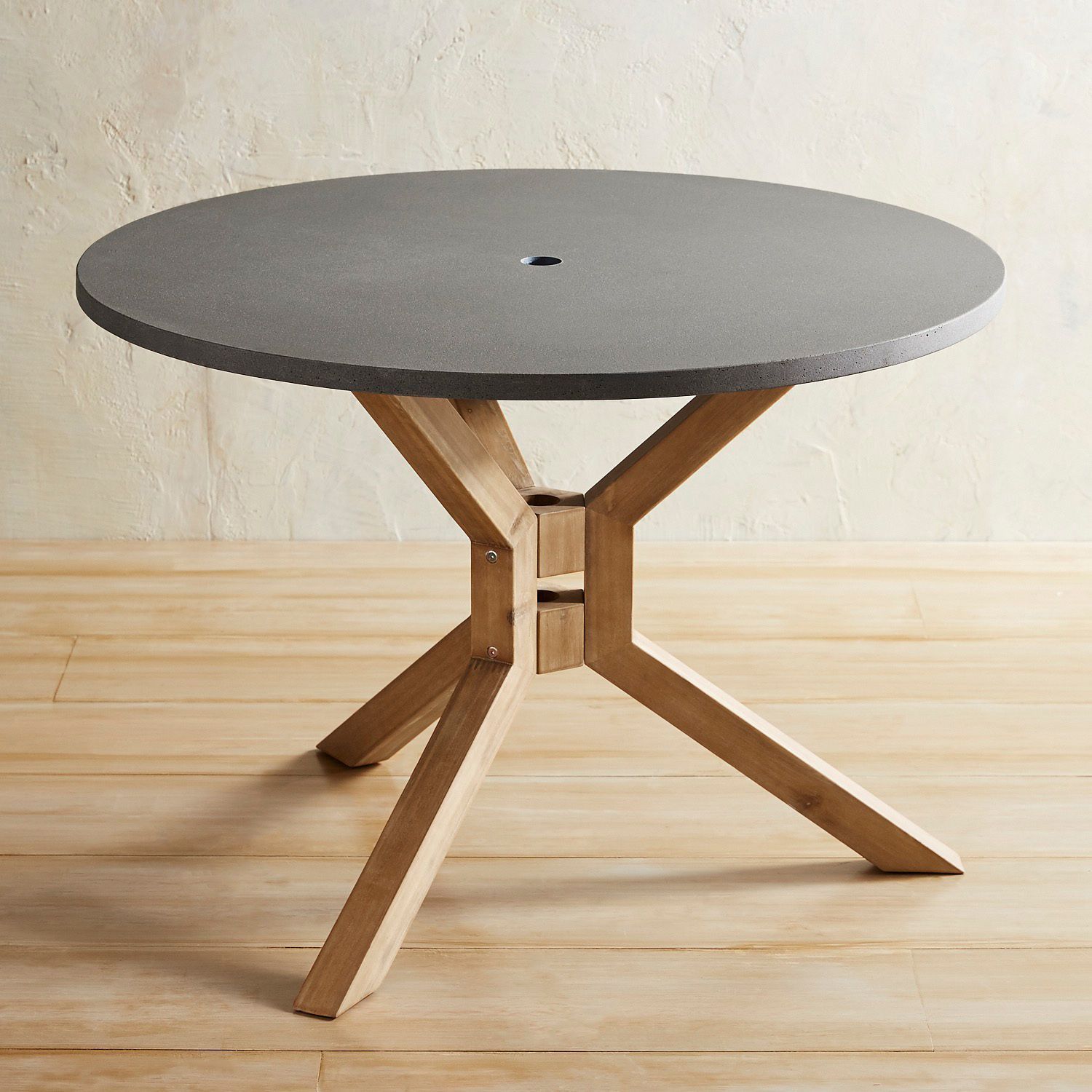
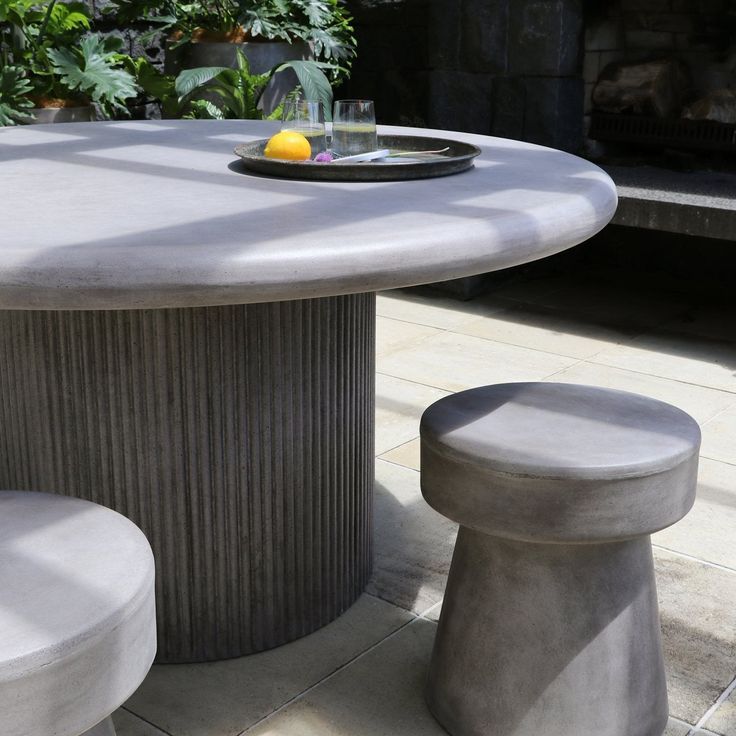
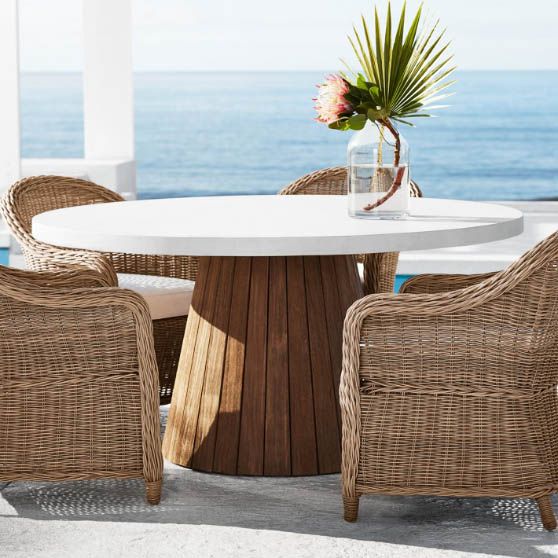
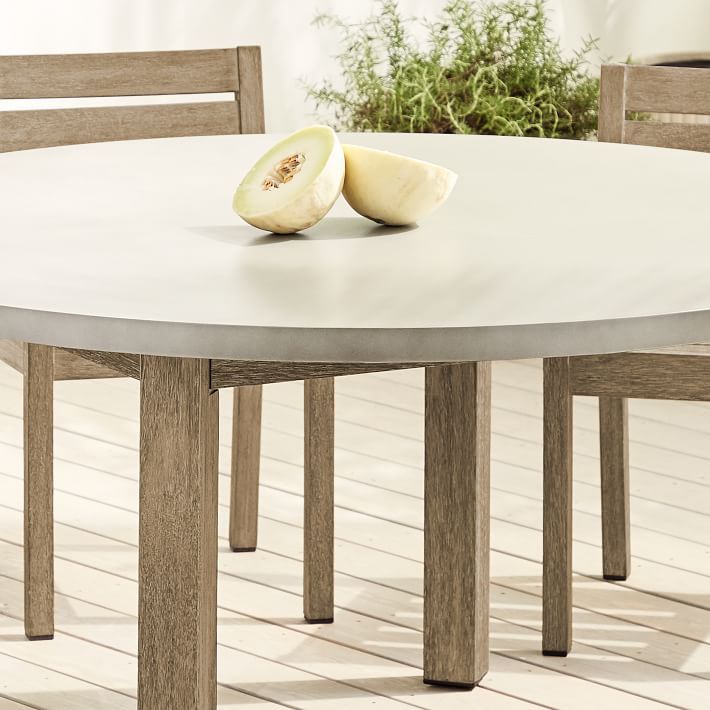
It’s not a high-tech gadget. It’s not a expensive windbreak system. It’s a round concrete table. Sounds simple, right? Maybe even a bit heavy-handed. But there is a surprising amount of science and social psychology behind why this combination works so well. It’s not just about weight, though that helps. It’s about shape, material, and how we actually use our outdoor spaces today. If you’re tired of chasing your lunch across the patio, you might want to pay attention. This isn’t just a trend; it’s a practical evolution of how we dine al fresco.
The Weight Advantage: Why Mass Matters in the Wind
Let’s start with the obvious. Concrete is heavy. Really heavy. When you’re dealing with wind, mass is your best friend. Lightweight materials like aluminum or thin plastic might look nice, but they act like sails. A strong breeze can send them skidding across the deck or, worse, flipping them over. Concrete, on the other hand, stays put. It anchors itself to the earth. In 2026, with weather patterns becoming a bit more unpredictable and gusty in many regions, having furniture that doesn’t require constant repositioning is a huge relief.
But it’s not just about the table staying still. It’s about what sits on top of it. Because the base is so solid, vibrations from the wind don’t travel up through the legs and shake your wine glasses. A lightweight table might wobble slightly in a breeze, creating that annoying clinking sound that drives everyone crazy. A concrete slab? It’s dead still. This stability means you can leave your candles lit. You can keep your paper napkins out. You don’t have to weigh down every single item with a rock or a clip. It creates a sense of calm, even when the air is moving.
Think about the peace of mind that brings. You aren’t constantly scanning the horizon for the next gust. You aren’t holding your breath every time a leaf blows by. The table becomes a foundation, literally and figuratively. It allows you to relax into the moment rather than managing your environment. For anyone who has ever lost a plate to a sudden squall, this feature alone is worth the investment. It turns a stressful outdoor meal into a genuinely leisurely experience.
Aerodynamics of the Circle: Deflecting the Gusts
Now, let’s talk shape. Why round? Why not square or rectangular? Here is where physics gets interesting. Wind flows differently around curved surfaces than it does around sharp corners. When wind hits a square table, it creates turbulence. The air slams into the flat side, stops, and then swirls chaotically around the corners. This turbulence can create uplift, which is exactly what lifts your tablecloth or flips your placemats. It’s messy and unpredictable.
A round table, however, lets the wind slide. The air hits the curve and splits, flowing smoothly around the sides. There are no corners for the wind to catch on. This aerodynamic efficiency means less force is exerted on the table and everything on it. In 2026, designers are increasingly recognizing this benefit. It’s not just an aesthetic choice; it’s a functional one. The circular form reduces drag significantly compared to its angular counterparts.
This also affects how the wind feels to the people sitting there. Sharp corners can create little eddies of swirling air that blow directly into your face or onto your food. A round table distributes the airflow more evenly around the perimeter. It’s a subtle difference, but you feel it. The dining experience feels less exposed. You’re sheltered by the shape itself. It’s like the table is gently parting the wind for you, allowing you to enjoy the fresh air without the bite.
Social Flow and Conversation Dynamics
Beyond the wind, there’s the human element. Outdoor dining is rarely just about eating; it’s about connecting. And nothing kills conversation faster than shouting over the wind or struggling to pass a dish across a long, narrow rectangle. Round tables are inherently democratic. Everyone is equidistant from the center. No one is stuck at the "head" of the table, and no one is marginalized at the far end. This layout encourages eye contact and easier interaction.
In 2026, we’re seeing a shift towards more intimate, community-focused gatherings. People are hosting smaller groups more frequently, valuing quality connection over large, impersonal parties. A round concrete table facilitates this perfectly. It draws people in. The lack of corners means there are no barriers to passing food or pouring drinks. You can reach the center easily from any seat. This ease of movement makes the meal feel more fluid and less formal.
Plus, there’s a psychological comfort to sitting in a circle. It’s primal. It suggests equality and shared experience. When you combine this social warmth with the physical comfort of a wind-protected surface, you get a setup that invites people to linger. They stay longer. They talk more. They relax. The table becomes a hub, not just a surface. It supports the social architecture of the gathering just as much as it supports the plates and glasses.
Durability and Low Maintenance in 2026
Let’s be real: outdoor furniture takes a beating. Sun, rain, snow, bird droppings, spilled wine. Traditional materials often struggle. Wood warps and needs sealing. Metal rusts or gets too hot to touch. Wicker frays and traps dirt. Concrete, however, is incredibly tough. It’s resistant to UV rays, meaning it won’t fade or crack under the intense summer sun. It’s waterproof, so rain beads up and rolls off, especially if it’s been sealed properly.
In 2026, sustainability and longevity are key concerns for consumers. People are tired of buying cheap furniture that falls apart after two seasons. They want pieces that last decades. Concrete fits this bill perfectly. It’s an investment that pays off over time. With minimal care—usually just an annual application of a concrete sealer—it remains looking fresh and new. The sealer protects against stains from oil, wine, or acidic foods, making cleanup a breeze.
And let’s talk about temperature. One common myth is that concrete gets too hot. While it can absorb heat, modern mixes and finishes have improved this significantly. Lighter colors reflect sunlight, keeping the surface cooler. Plus, the thermal mass of concrete means it heats up slowly and cools down slowly. In the evening, when the air gets chilly, the table retains a bit of warmth, adding a subtle comfort to your elbows. It’s a material that works with the seasons, not against them.
Aesthetic Versatility: From Industrial to Organic
You might think concrete looks cold or industrial. And sure, it can. But in 2026, concrete design has exploded with variety. It’s no longer just gray slabs. You can find concrete tables in warm terracotta tones, soft creams, deep charcoals, and even speckled finishes that mimic natural stone like granite or limestone. Textures range from sleek, polished surfaces that feel like glass to rough, tactile finishes that add rustic charm.
This versatility allows the round concrete table to fit into almost any design style. Pair it with teak chairs for a warm, mid-century modern look. Mix it with wrought iron for something more traditional. Or go full minimalist with sleek metal seating. The round shape softens the inherent hardness of the material, making it feel inviting rather than imposing. It becomes a sculptural element in your outdoor space, a focal point that grounds the area.
Because it’s customizable, you can match it to your home’s exterior or your garden’s palette. Want it to blend in? Choose a color that matches your paving stones. Want it to stand out? Go for a bold, contrasting hue. The material accepts pigment well, so the color is throughout the mix, not just painted on. This means chips or scratches are less noticeable, maintaining the aesthetic integrity over time. It’s beauty that doesn’t demand perfection.
So, you’re convinced. How do you pick the right one? First, consider size. Round tables work best for intimate groups. A 48-inch table seats four comfortably. A 60-inch can handle six. Don’t go too big, or you lose the conversational benefit. Make sure you have enough clearance around the table for chairs to pull out easily, especially if your patio is tight. Measure twice, buy once.
Next, check the finish. If you live in a particularly windy or rainy area, opt for a high-quality sealant. Many manufacturers apply this at the factory, but ask about it. If you’re buying unfinished concrete, plan to seal it yourself before the first use. Reapply every year or two, depending on exposure. It’s a simple job that extends the life of the table significantly. Also, look for a table with a smooth underside or covered base to prevent dirt accumulation.
Finally, think about accessories. Since the table is windproof, you can get creative. Use real cloth napkins. Light real candles in glass holders. Add a small centerpiece that might have been risky on a lighter table. Embrace the stability. And in the winter, if you live in a freeze-thaw climate, consider covering the table or moving it to a sheltered spot. While concrete is durable, water freezing inside tiny pores can cause cracking over many years. A simple cover solves this. Treat it well, and it will serve you for a lifetime.
In the end, the round concrete table is more than just a piece of furniture. It’s a tool for better living. It solves the practical problem of wind while enhancing the social experience of dining together. It’s durable, beautiful, and surprisingly thoughtful in its design. As we move further into 2026, the trend towards resilient, meaningful outdoor spaces continues to grow. This table fits that narrative perfectly. It’s not about fighting the elements; it’s about working with them. So next time you plan an outdoor meal, consider the weight and the curve. You might just find that the secret to a peaceful dinner was under your nose all along. Heavy, solid, and round.