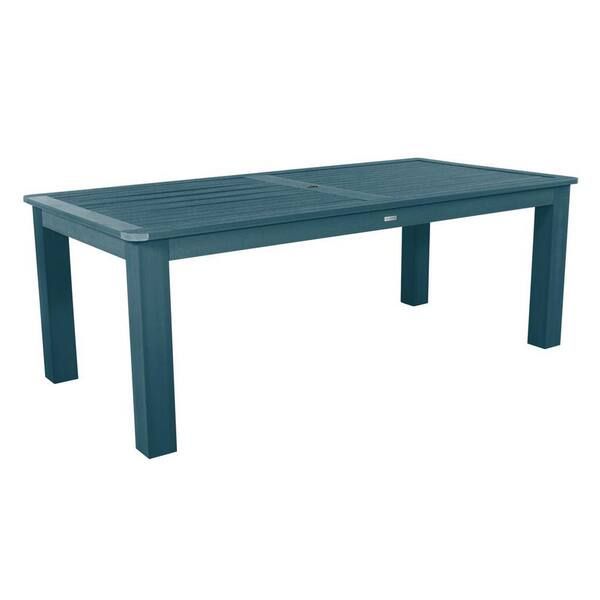
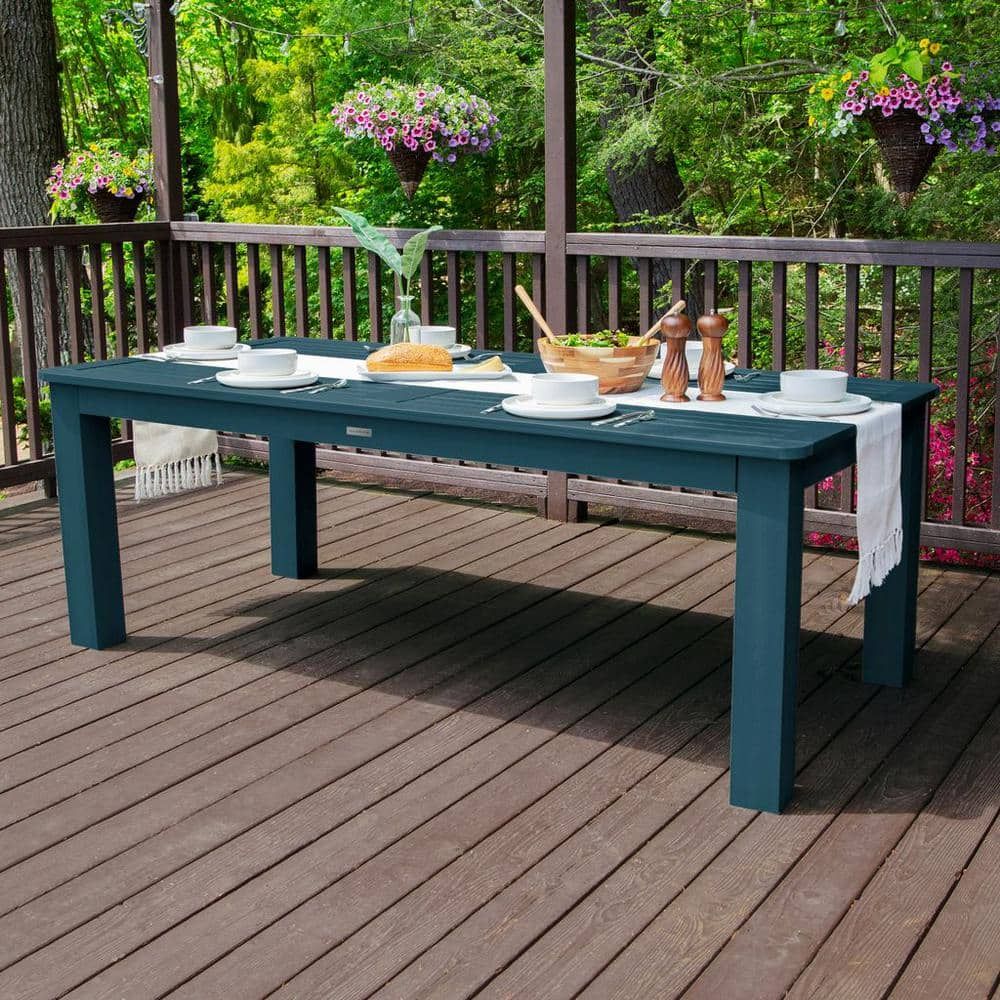
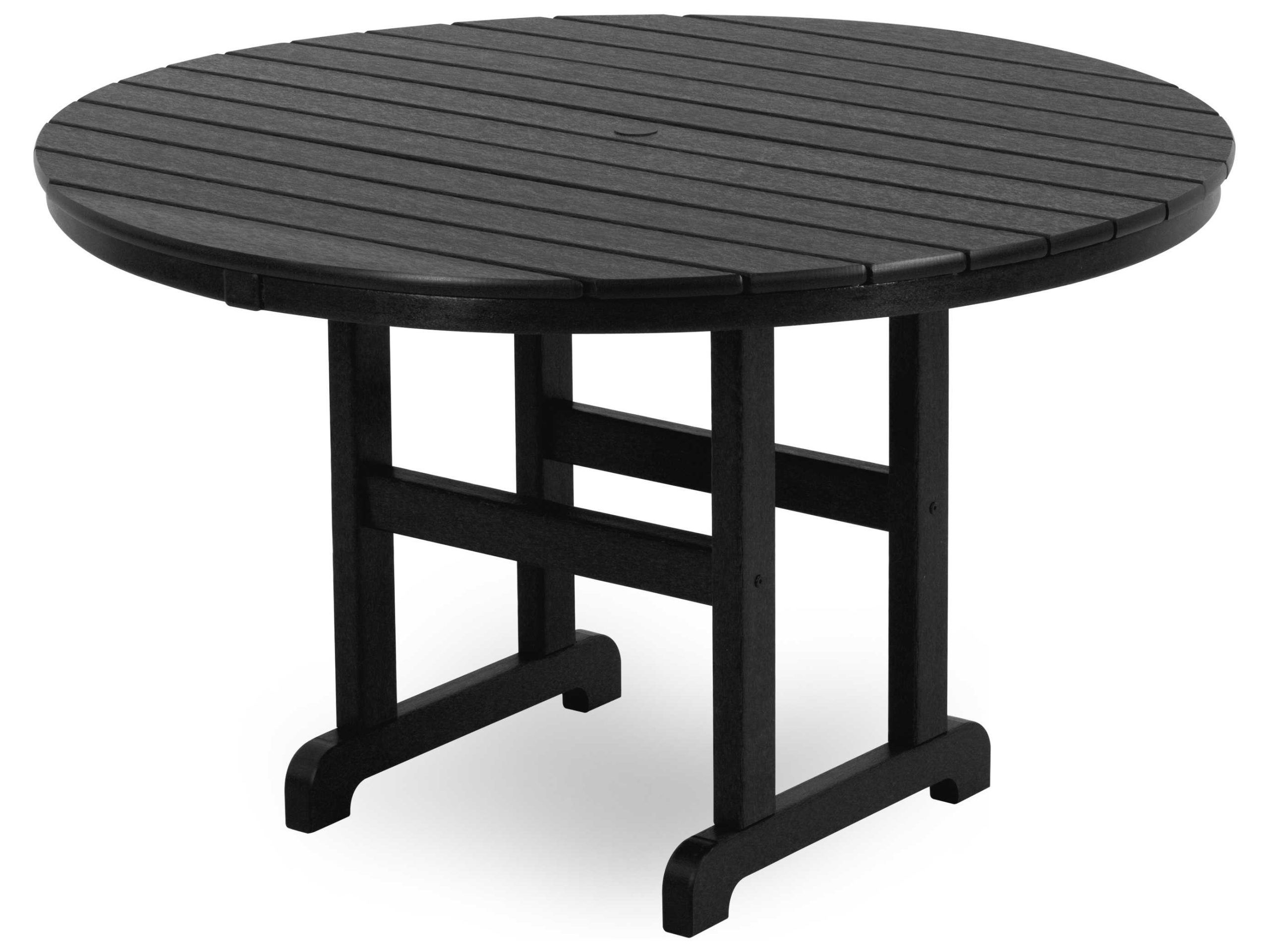
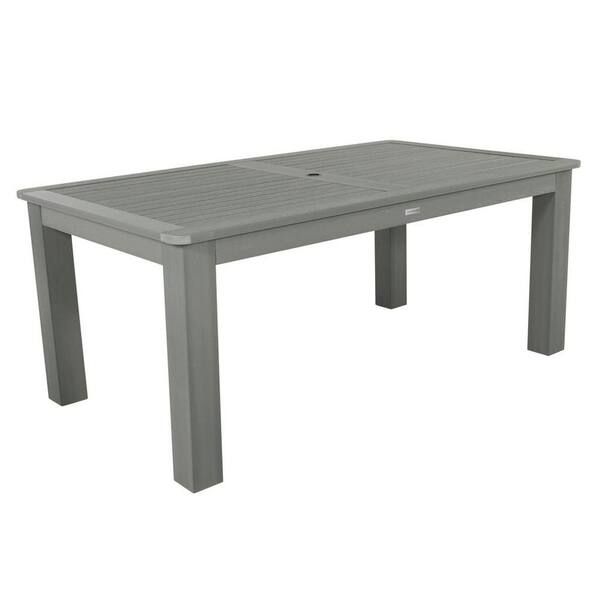
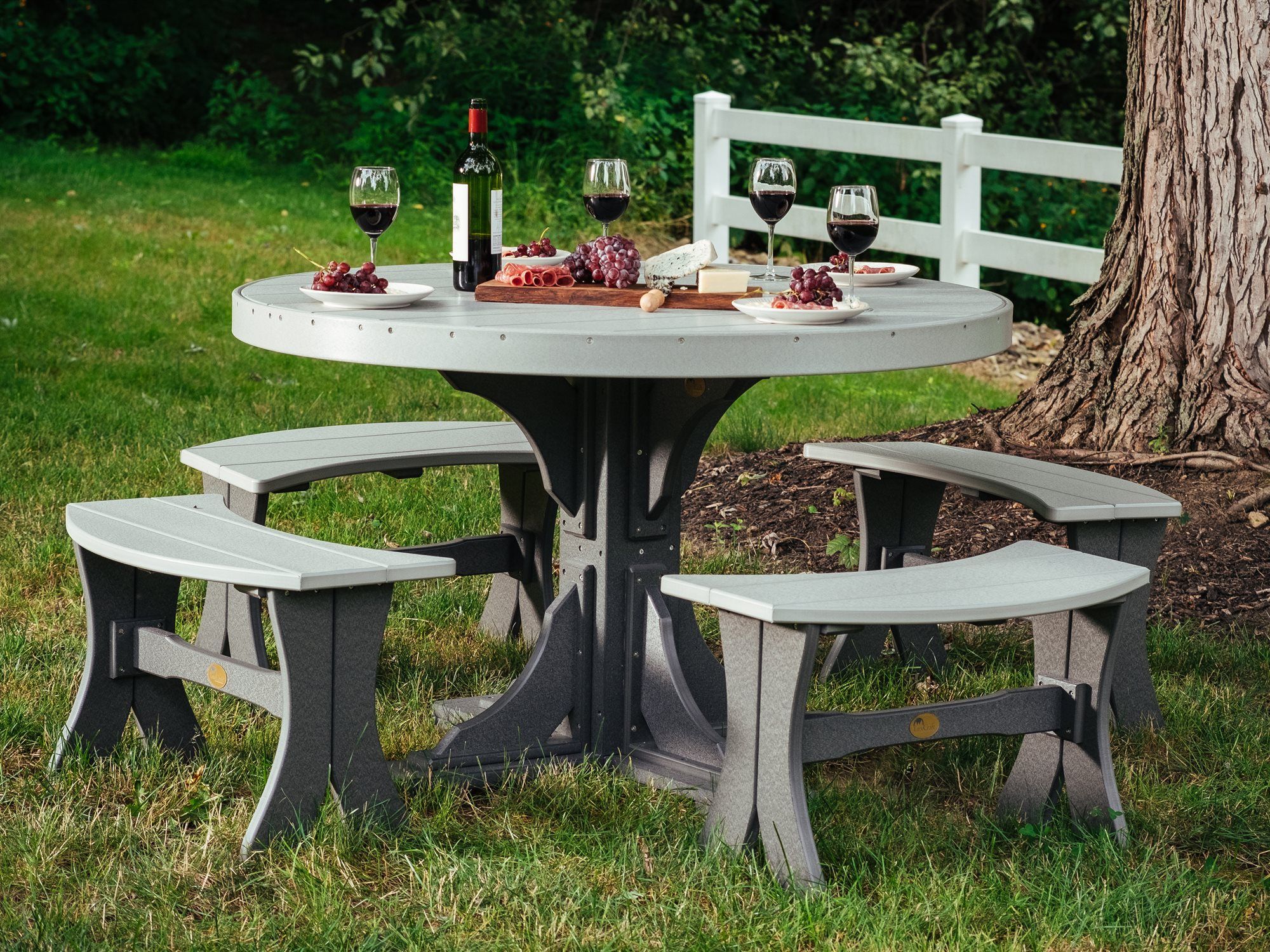
So, what are we actually talking about when we say "plastic lumber"? It’s not the flimsy stuff you see in cheap toys. Most of the high-quality versions, often called poly lumber or poly wood, are made from post-consumer waste. Think about those milk jugs and the heavy detergent bottles you recycle every week. Yeah, those. They get collected, cleaned, and melted down into a dense, durable polymer. It’s a clever way to close the loop on plastic waste, turning something that would sit in a landfill for centuries into something that lasts just as long.
But here’s the kicker. It’s not just melted plastic; it’s engineered. Manufacturers blend in UV inhibitors and other additives to make sure the color doesn’t fade after one summer. Some products even mix in wood fibers to create a Wood Plastic Composite (WPC), which gives it a bit more texture and a feel that’s closer to real organic wood. This blend means you get the strength of plastic with the natural look of timber. It’s a bit of a chemistry magic trick, really.
And let’s be clear, not all recycled plastic is created equal. You’ll see some sheet materials used for construction hoarding or ground protection that look nothing like lumber. Those are for heavy-duty industrial use. The stuff for your deck or your garden bench is a different beast entirely. It’s molded to look like a 2×4 or a 6×6 board, complete with grain patterns that are embossed into the surface. When you run your hand over it, it feels textured, not slick like a plastic cutting board. That texture is what sells it to people who love the look of wood but hate the upkeep.
Let’s talk about the big problems with real wood first. Wood is alive. It breathes, it absorbs water, and it feeds insects. When it gets wet, it swells. When it dries, it shrinks. This back-and-forth dance is what causes warping and cracking. And those cracks? They are the perfect hiding spots for mold, mildew, and termites. It’s an endless cycle of decay that no amount of staining can fully stop forever.
Plastic lumber is different because it doesn’t eat or drink. It’s chemically impenetrable to moisture. Since it doesn’t absorb water, it can’t rot. It can’t swell. It can’t shrink. It just sits there, doing its job, year after year. Even if you leave it out in a torrential downpour or bury it in the ground, it stays solid. This makes it perfect for those damp areas around pools or in high-humidity climates where wood usually dies quickly.
Then there’s the splinter issue. This is huge for families with kids or pets. Real wood, especially when it gets old and dry, has a nasty habit of splitting into sharp shards. You know the drill. A little piece of wood gets stuck in a child’s toe, and suddenly it’s a trip to the ER. Plastic lumber doesn’t do that. It’s tough as nails. Even after years of punishment from the elements, heavy furniture, or kids climbing on it, the surface stays intact. It might scratch, sure, but it won’t chip off a sharp piece that can hurt someone. It’s genuinely safer for the whole family.
The Look: Can You Really Tell the Difference?
This is the question everyone asks. "Does it look fake?" And honestly, ten years ago, the answer might have been yes. Those early plastic decks looked like bright, shiny toys. But technology has jumped forward fast. By 2026, the finish on these boards is incredible. Manufacturers use advanced molding techniques to emboss wood grain textures right into the surface. They also use a process called co-extrusion, where a protective cap is applied over the core. This cap holds the color and the grain pattern, making it look almost identical to real timber.
The colors are rich, too. You can get the warm tones of red cedar, the gray of weathered teak, or even the deep browns of mahogany. And unlike real wood, which fades to a dull gray as the UV rays eat away the natural oils, these colors stay stable. They don’t fade easily. In fact, some manufacturers offer warranties against fading that last for decades. You walk up to a deck built five years ago, and you’d have to squint to see if it’s wood or plastic.
But wait, there’s more to the look than just color. The texture matters. Good plastic lumber feels rough, just like sanded wood. It doesn’t feel like smooth plastic. This tactile difference is what sells the illusion. When you sit on a bench made of this stuff, it doesn’t feel cold or slippery. It feels natural. And because it’s molded, the edges are usually rounded or beveled in a way that real wood might not be, which adds to the clean, modern aesthetic. It’s the best of both worlds: the soulful look of nature with the reliability of science.
Maintenance: The End of the Stain Bucket
Let’s be real about maintenance. If you love wood, you have to love the work that comes with it. Every summer, you’re sanding, scraping, and staining. It’s a chore that eats up your weekend and costs a pretty penny in materials. You have to watch for mold, check for rot, and make sure the nails haven’t popped out. It’s a full-time job if you want your deck to stay pretty.
With plastic lumber, that job is basically gone. You don’t need to stain it. You don’t need to seal it. You don’t need to sand it. All you really need to do is hose it down once in a while to wash off dirt or pollen. Some people use a mild soap and a soft brush for tougher spots, but that’s it. No more buying expensive stains or waiting for the rain to make sure the wood dries before you apply the next coat. It’s a massive relief for anyone who just wants to enjoy their outdoor space instead of working on it.
And because it doesn’t rot or attract pests, you don’t have to worry about structural failure. With wood, there’s always that nagging fear that the joists might be rotting underneath the beautiful deck boards you just replaced. With plastic, the structure is solid. The screws and nails hold in securely without splitting the material, which is a common headache with wood. You can drill right near the edge without worrying about cracking it. It’s just simpler. It’s one less thing to stress about as the years go by.
Environmental Impact: Is It Actually Green?
Okay, this is the tricky part. We’re talking about plastic. We know plastic is a problem. So how can making something out of plastic be good for the planet? The answer lies in where the material comes from and where it goes when it’s done. Most of this lumber is made from post-consumer recycled plastics, like those milk jugs we mentioned earlier. That means we are taking waste that would otherwise pollute our oceans and landfills and turning it into something useful. That’s a win.
But what happens when the plastic lumber finally reaches the end of its life? Well, since it’s a durable plastic, it lasts for decades, maybe even a century. But when it does break, it can often be recycled again. Unlike wood that rots and returns to the soil, plastic is a closed loop. Some newer composites are even designed to be biodegradable or fully recyclable in industrial facilities. It’s not perfect, and it’s not a magic bullet for the plastic crisis, but it’s a significant improvement over the current system where we cut down trees, use chemicals to treat them, and then throw them away after a few years.
There’s also the energy aspect. Producing plastic lumber takes less energy than processing virgin timber or creating pressure-treated wood with harsh chemicals. And because it lasts so long, you aren’t constantly replacing it. Think about the resources saved over 50 years. You’d be replacing a wooden deck three or four times, whereas the plastic one might last the whole time. That’s a huge reduction in waste over the long haul. It’s a smart choice for people who care about the environment but also want a product that lasts.
So, where does that leave us? Is recycled plastic lumber the future of outdoor building? For a lot of people, absolutely. It solves the biggest headaches of wood: rot, splinters, and endless maintenance. It looks great, it feels right, and it stands up to whatever nature throws at it. Whether you are building a deck, a garden bench, or a playground, the benefits are clear.
Of course, it might cost a bit more upfront than standard pressure-treated pine. But when you add up the cost of stains, sealers, sandpaper, and the time you spend fixing it over the years, plastic often comes out cheaper in the long run. Plus, the peace of mind is priceless. Imagine walking barefoot on your deck without worrying about a splinter. Imagine looking out at your patio in 20 years and still seeing a beautiful, solid structure. That’s the reality of this material.
It’s not about replacing the soul of wood with plastic. It’s about finding a smarter way to build. We can have the beauty of natural materials without the waste and the work. It’s a practical solution for a modern world, and honestly, it’s just a really good option for anyone who loves their outdoor space. So, the next time you see a deck that looks perfect and feels great, don’t be surprised if it’s made of milk jugs. It might just be the best thing to happen to your backyard.