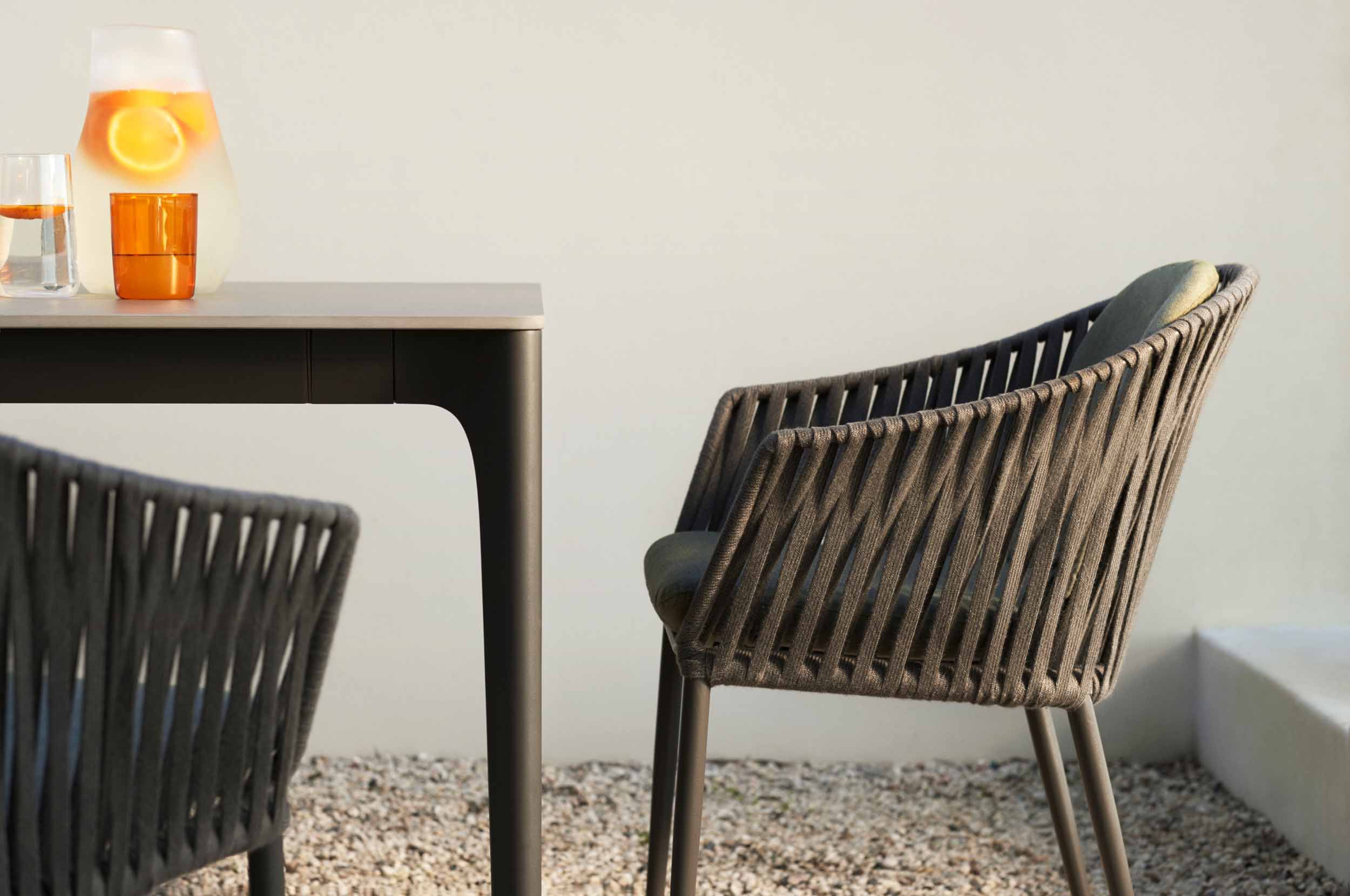
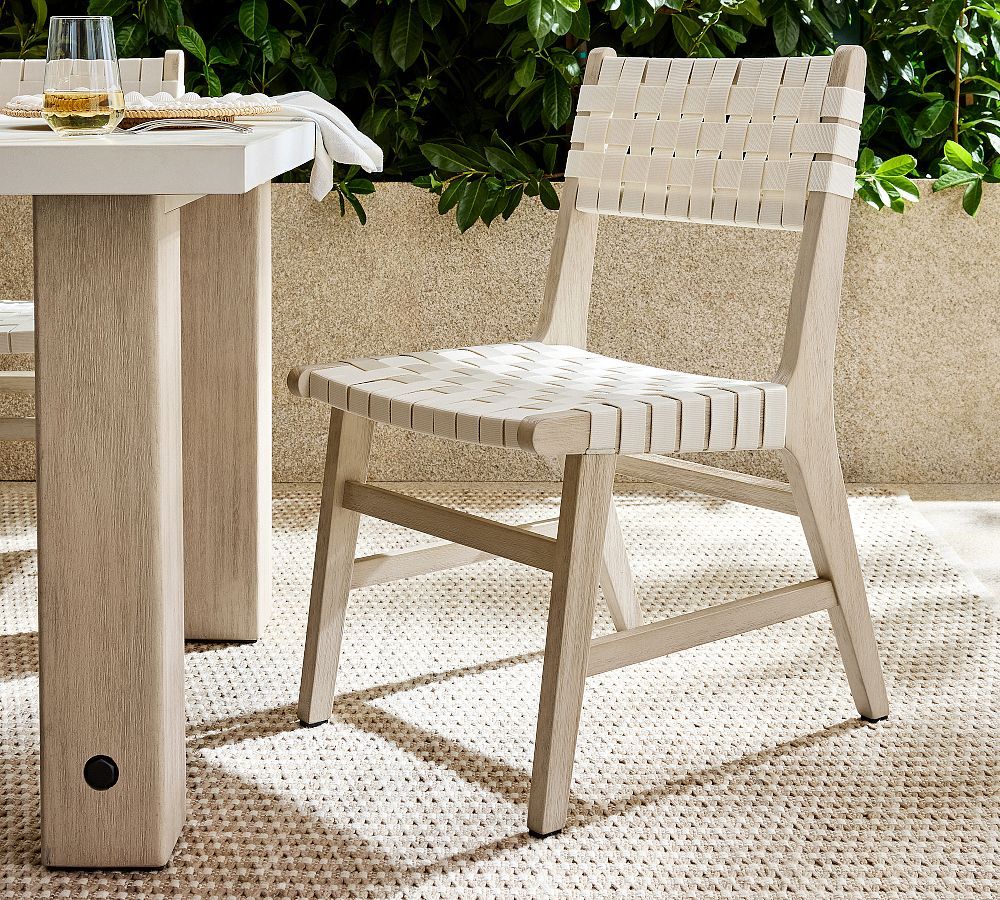
Spring is the time to wake up your outdoor chairs after months of winter hibernation. It’s not just about dusting off cobwebs – it’s a full-on renewal. Start by giving everything a good inspection. Look for cracks, loose threads, or signs of rust. These little issues can turn into big problems if ignored.
A thorough cleaning is essential at this time. Use a soft brush or vacuum to get rid of accumulated dirt and debris. Then, mix a mild detergent with water and gently scrub surfaces. Pay special attention to the undersides and crevices where grime tends to hide. Don’t forget to check and tighten any loose screws or hardware.
If your chairs have cushions, now’s the time to clean them too. Many people overlook this step, but cushions are often the first thing to show wear. Check for fading, stains, or tears. Consider bringing them indoors if you have space – even a garage or shed works well.
Once spring settles in, you’ll find yourself using your outdoor chairs more often. That means a different approach to maintenance. Daily or weekly tasks become important to keep things manageable. Quick spot cleans after spills or rain can prevent permanent stains.
The key is consistency. A few minutes of daily upkeep beats a huge cleaning session once a month. Wipe down surfaces after meals, especially if there are sticky residues. Keep a small bucket nearby with a damp cloth for quick touch-ups.
It’s also smart to check for pests. Birds and insects love to nest in crevices. Regular inspections can catch infestations early. If you notice holes or damage, treat it immediately before it spreads.
Fall: Preparing for the Cold Months
As autumn approaches, it’s time to think about protecting your chairs from the upcoming cold. Fall preparation involves several steps that can extend the life of your furniture significantly. Start by removing any cushions or soft elements. These should be stored indoors to avoid moisture damage.
Clean thoroughly again, but this time focus on removing organic matter like leaves or debris. Wet leaves left on furniture can cause mold and rot, especially in humid conditions. Use a garden hose to rinse everything off, then let it dry completely before covering.
Covering your chairs is crucial. A quality cover protects against rain, snow, and UV rays. Make sure the cover fits snugly and doesn’t trap moisture underneath. Some people prefer to store their chairs indoors entirely during harsh winters.
Winter: Storage and Protection
Winter can be tough on outdoor furniture, especially if you live in a region with heavy snowfall or freezing temperatures. Proper winter storage can mean the difference between replacement costs and continued enjoyment.
Before the first frost, do a final deep clean. Remove any remaining debris and apply a protective coating if recommended by the manufacturer. Store chairs in a dry area such as a garage, shed, or basement. If storing outside, invest in a breathable cover that allows air circulation.
Don’t forget about the cushions – they’re particularly vulnerable to winter damage. Store them separately and avoid direct contact with concrete floors. Some people even rotate cushions regularly to prevent permanent indentations.
Materials Matter: Specific Care Guidelines
Different types of woven chairs require different approaches. Rattan furniture tends to be more durable but needs protection from excessive moisture. Wicker often benefits from periodic treatments to maintain flexibility. Synthetic materials usually need less maintenance but still benefit from regular cleaning.
Natural fibers like sisal or seagrass can deteriorate faster than synthetic alternatives. They may require more frequent attention and possibly reweaving over time. Always check manufacturer guidelines for specific care instructions.
Consider the environmental conditions in your area. Coastal regions may require more frequent cleaning due to salt exposure. Areas with extreme temperature swings might need extra protection.
Maintaining woven outdoor dining chairs doesn’t have to be overwhelming. Establishing simple habits makes all the difference. Set reminders for seasonal checks or create a cleaning schedule that fits your lifestyle.
Weekly dustings can prevent buildup that becomes harder to remove later. Monthly deep cleans help catch problems early. Keep basic supplies like brushes, mild cleaners, and protective covers handy.
Think of this as an investment in your outdoor living space. The effort you put in today pays off in future enjoyment. You’ll appreciate the visual appeal and the satisfaction of knowing your furniture is well taken care of.
Plus, there’s something deeply satisfying about seeing your outdoor space maintain its charm year after year. That’s the reward for putting in the work. Whether it’s a quiet morning coffee or a lively dinner party, your well-maintained chairs deserve to be part of every moment.