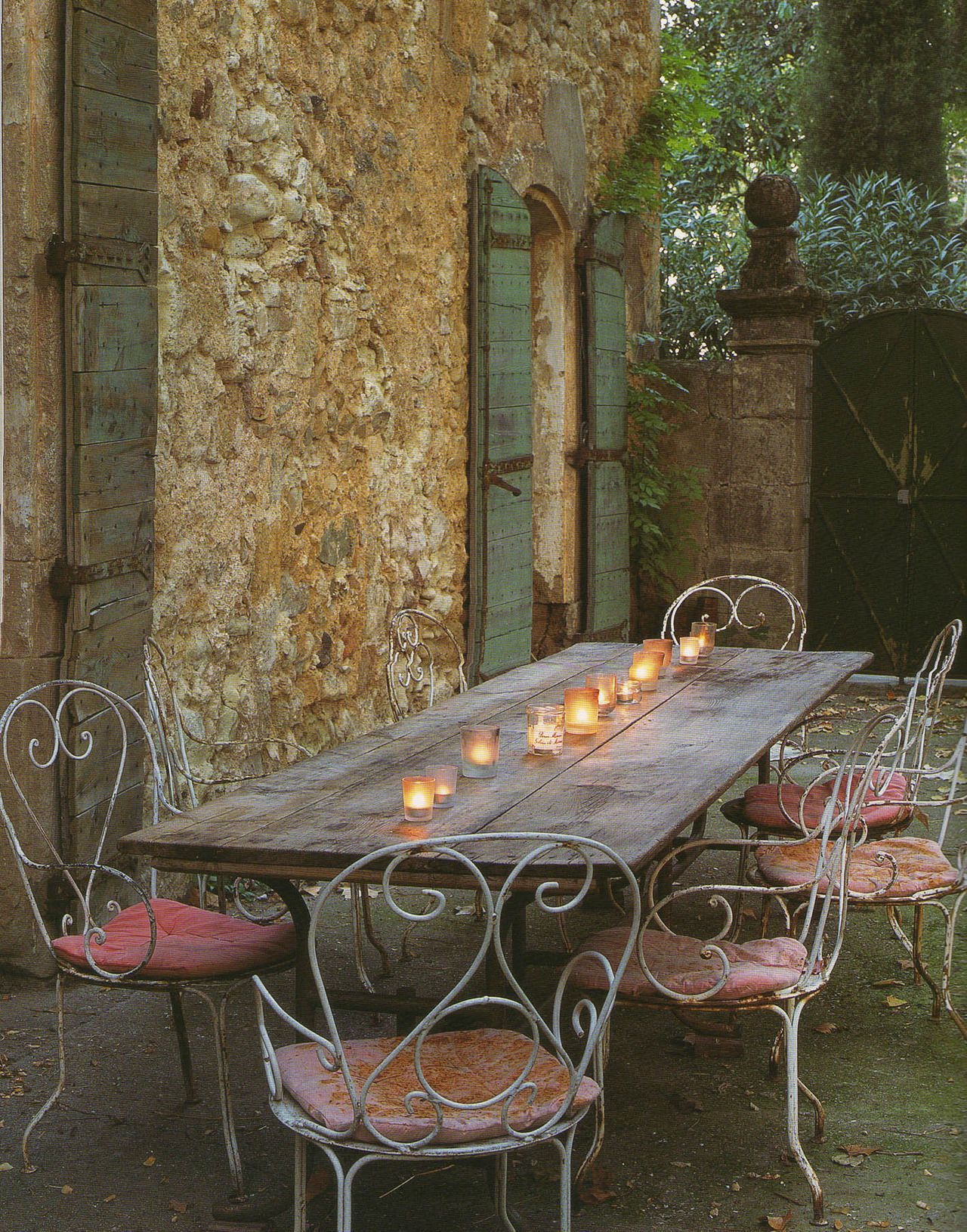
There is a specific kind of magic that happens when you run your hand along the leg of a well-made French provincial table. It feels smooth, inviting, and surprisingly heavy. You might wonder how something so soft-looking, with all its sweeping arches and delicate flourishes, can actually hold up under the weight of a family dinner or the years of a busy life. It’s a paradox that has fascinated designers and woodworkers for centuries. How do you get a piece of wood to bend like a willow branch yet stand as sturdy as an oak tree?
The secret lies in a conversation between the artist’s eye and the engineer’s mind. French country furniture isn’t just about looking pretty; it is a testament to a very practical philosophy. The curves aren’t just decoration, they are engineering solutions. They distribute weight, absorb shock, and create a visual flow that mimics nature. But without the right internal structure, those curves would snap. It is a delicate dance between the desire for romance and the necessity of durability.
We often think of "rustic" as meaning rough or unfinished. But true French country style, especially the kind found in the provinces away from the flashiness of Paris, is actually quite sophisticated. It blends the old-world charm of the countryside with a surprising amount of technical know-how. The craftsmen of the region knew that for a piece to be passed down, it had to be tough. So, they developed techniques that allowed for those famous, graceful silhouettes while keeping the joints tight and the wood strong.
The Art of the Soft Silhouette
Let’s start with the most obvious thing: the curves. If you look at a piece of Louis XIV furniture, it’s all about straight lines, rigid symmetry, and imposing authority. But once you step out into the French countryside, the rules changed. The furniture became softer. It became more feminine. As one expert noted, there are no straight lines in Rococo design, just as there are no straight lines in nature. This shift wasn’t accidental. It was a deliberate move toward creating a space that felt lived-in and welcoming.
These curves, often described as "feminine contours," serve a purpose beyond just looking nice. They guide the eye and the hand. Think about a Bombe chest, that famous piece with its bulging sides. The shape isn’t just fancy; it creates a sense of volume and movement that makes the room feel larger. The curves wrap around the furniture, softening the edges of a room that might otherwise feel too formal or sharp. It’s an organic flow, a way of bringing the outside world in.
However, creating these shapes is harder than it looks. You can’t just bend a piece of wood without breaking it. The French craftsmen mastered the art of steam bending and carving to achieve these complex forms. They took solid woods like walnut and oak and coaxed them into shapes that seemed impossible. The result is a piece that feels like it was growing out of the ground rather than cut from a log. This approach gives the furniture a unique character that mass-produced, straight-edged pieces just can’t match.
The Hidden Backbone of Joinery
While the outside tells a story of romance and grace, the inside tells a story of survival. This is where the "forward-engineering" part of the balance comes in. If you were to look inside a French country dresser from the 18th century, or even a modern reproduction made with traditional methods, you would see a skeleton of incredible strength. The curves on the outside are supported by a framework that is anything but weak.
The key here is joinery. Techniques like dovetailing and mortise-and-tenon joints were used not just to hold the wood together, but to allow it to move. Wood expands and contracts with the humidity and temperature. If you glue a curved leg rigidly into a flat top, the wood will eventually crack. French craftsmen understood this. They built joints that were tight enough to be strong but loose enough to let the wood breathe. This is true forward-thinking. They designed for the life of the material, not just the moment of assembly.
Even today, in 2026, this principle remains vital. Modern makers who study these old methods know that you can’t cheat the physics of wood. A beautiful curve on a chair seat needs a strong frame underneath to support it. The "Bombe" shape, for instance, requires a specific internal bracing system to prevent the sides from bowing out too much over time. It’s a balance of tension and compression, a hidden architecture that keeps the furniture standing tall. Without this engineering, the elegance would be short-lived.
Materials: The Strength Behind the Style
You cannot have this balance without the right materials. French country furniture relies heavily on quality woods like walnut, mahogany, and sometimes cherry. These aren’t just chosen for their warm colors; they are chosen for their grain structure and strength. Walnut, for example, is tough but flexible enough to be carved into intricate shapes without splintering. It’s the perfect partner for the curves we’ve been talking about.
The use of veneering also played a huge role in this balance. By using thin slices of beautiful wood over a solid, sturdy core, makers could achieve a rich, decorative look without the risk of the wood warping. This technique allowed them to use exotic woods like rosewood and amaranth for the surface, adding those decorative patterns and marquetry that elevate the sophistication. But the core? That was often a cheaper, stronger wood that provided the structural integrity.
It is important to note that this isn’t just about old-world tradition. In recent years, there has been a resurgence in using these specific materials because they are sustainable and durable. People are realizing that buying a piece of solid walnut with proper joinery is better than buying a cheap, particle-board alternative that looks similar but falls apart in a few years. The trend in 2026 is moving back to these robust materials, proving that the old ways of engineering are actually the most "forward" solutions we have.
Regional Differences: Rustic vs. Refined
Not all French country furniture is the same. If you travel from the Ardennes to the south of France, the style changes. In some regions, like the Ardennes, straight lines were preferred, and decoration was kept to a minimum. The furniture was more utilitarian, built for hard work. Carving was usually in light relief, just enough to add a touch of grace without weakening the structure. This is a different kind of balance, one where function almost completely takes over.
But in other areas, the influence of Paris trickled down, leading to more ornate pieces. Here, the curves became more exaggerated. The asymmetrical shapes became a hallmark of the style. This was a notable departure from the rigid symmetry of the court furniture. The country craftsmen took the refined styles of the city and interpreted them with a focus on solid woods and practical elegance. They made it robust. It was less ornate than its Parisian cousins but far more structured and intentional than what we might call "shabby chic" today.
This regional variety shows that the balance between curve and engineering is flexible. It adapts to the needs of the people who use it. Whether you need a sturdy table for a farm kitchen or a delicate commode for a grand salon, the French craftsmen found a way to make it work. They didn’t force a single style on everyone. Instead, they responded to the local environment and the local lifestyle, creating furniture that fit perfectly into its time and place.
The Modern Resurgence of Timeless Principles
Why are we still talking about this in 2026? Because the world is tired of disposable furniture. We live in an era where we buy things that break after a few years and throw them away. There is a growing movement to bring back the principles of French country design, not just for the look, but for the longevity. People are seeking out pieces that tell a story, that have a history, and that can last for another hundred years.
Modern designers are looking at these old techniques and applying them to new contexts. They are using CNC machines to cut those complex curves with perfect precision, but they are still using the traditional joinery methods to assemble the pieces. It’s a fusion of the old and the new. The curves are as soft as ever, but the engineering is even better than it was in the past. We have better adhesives, better clamps, and a deeper understanding of wood science.
This resurgence isn’t just about nostalgia. It’s about a shift in values. We want our homes to feel warm and inviting, but we also want them to be practical. We want furniture that can handle the chaos of daily life without losing its beauty. French country style offers that perfect middle ground. It proves that you don’t have to choose between looking good and being tough. You can have both, and when you do, the result is something truly special.
So, what does it mean to live with this kind of furniture? It means accepting that beauty requires care, but also that it is built to endure. When you sit on a chair with a curved back, you feel supported because the wood was designed to fit the human body. When you open a drawer with a curved front, you know it will glide smoothly because the joinery allows for movement. It’s a relationship between the user and the object.
It also means appreciating the imperfections. A hand-carved curve isn’t always perfectly symmetrical. And that’s okay. Those slight variations are what make the piece human. They show that a person made it, with their own hands and their own mind. In a world of machine-perfect lines, these imperfections are a breath of fresh air. They remind us that we are not machines, and our homes shouldn’t be either.
Ultimately, the balance between elegant curves and forward-engineering is a lesson in life. We need to be soft and flexible, like the curves of our furniture, to navigate the world. But we also need a strong backbone, a solid set of principles, to keep us standing. French country furniture captures this perfectly. It is a reminder that the most beautiful things are often the strongest, and the strongest things are often the most beautiful. It is a timeless lesson that continues to inspire us today.