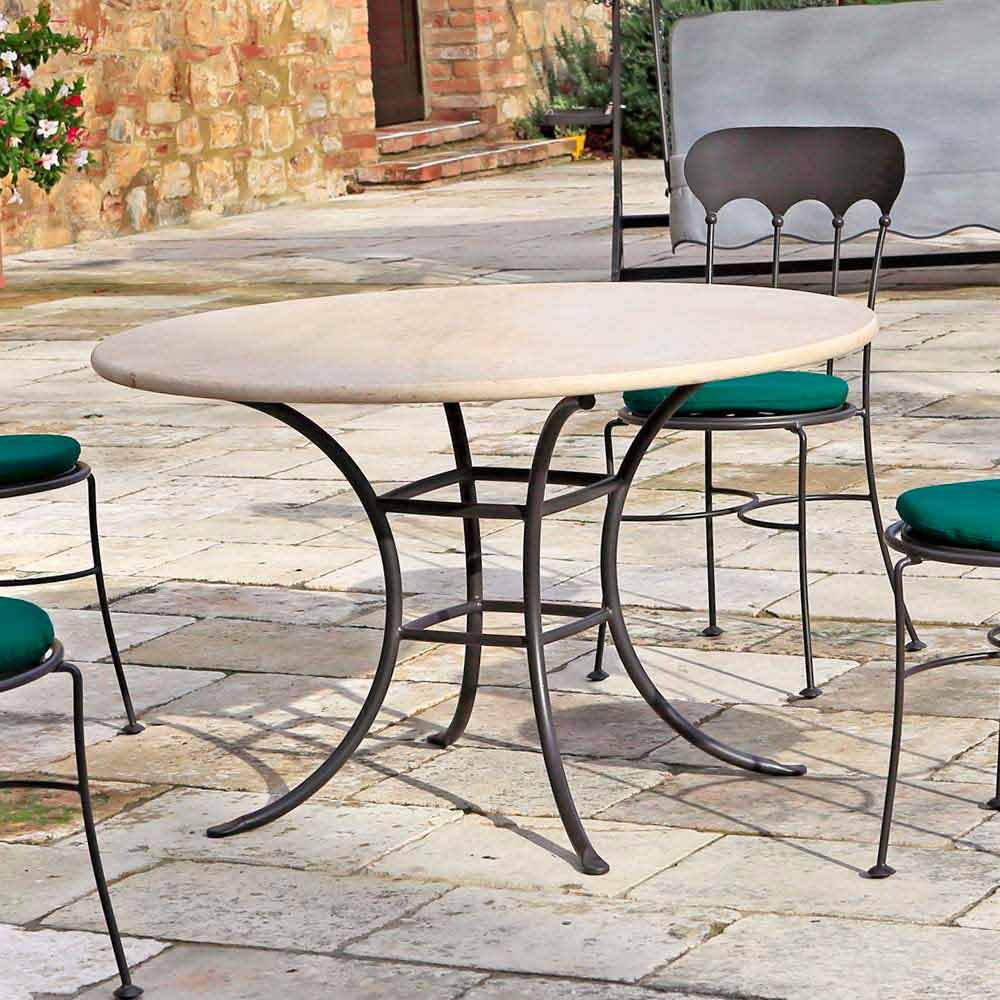
Remember the old days when a backyard felt like an extension of a museum? We used to love that high-gloss marble look, the kind that gleamed under the summer sun and made you feel fancy. But let’s be honest, stepping onto a polished slab in bare feet was a gamble. One slip, one splash of lemonade, and suddenly you’re sliding across the patio like it’s an ice rink. It was beautiful, sure, but it felt… cold. Distant. Like the stone didn’t want to be part of the garden at all.
Fast forward to 2026, and the vibe has shifted completely. We are talking about a quiet revolution in design where the shine is out and the texture is in. The world is trading that perfect, mirror-like finish for something much more inviting. We are seeing a massive move toward travertine. It’s not just a trend; it feels like a return to sanity. Why? Because our outdoor spaces need to feel alive, not like a showroom.
This shift isn’t just about picking a new material. It’s about how we want to live. We want to feel the roughness of stone under our toes. We want colors that blend with the green leaves, not fight against them. The polished marble of the past was about showing off wealth. The porous travertine of today is about connecting with the earth. It’s softer, warmer, and honestly, a lot more forgiving.
The Warmth of Earthy Tones vs. The Cold Reflection
There is something magical about how light hits travertine compared to marble, especially when you are sitting outside in the late afternoon. Marble is a metamorphic rock, prized for its smooth, polished surface and those dramatic, high-contrast veining patterns. It exudes luxury and refinement. But in the outdoors, that high gloss can sometimes feel too harsh. It reflects the sky and the trees in a way that can be blinding. It creates a visual noise that doesn’t always settle well with the organic chaos of a garden.
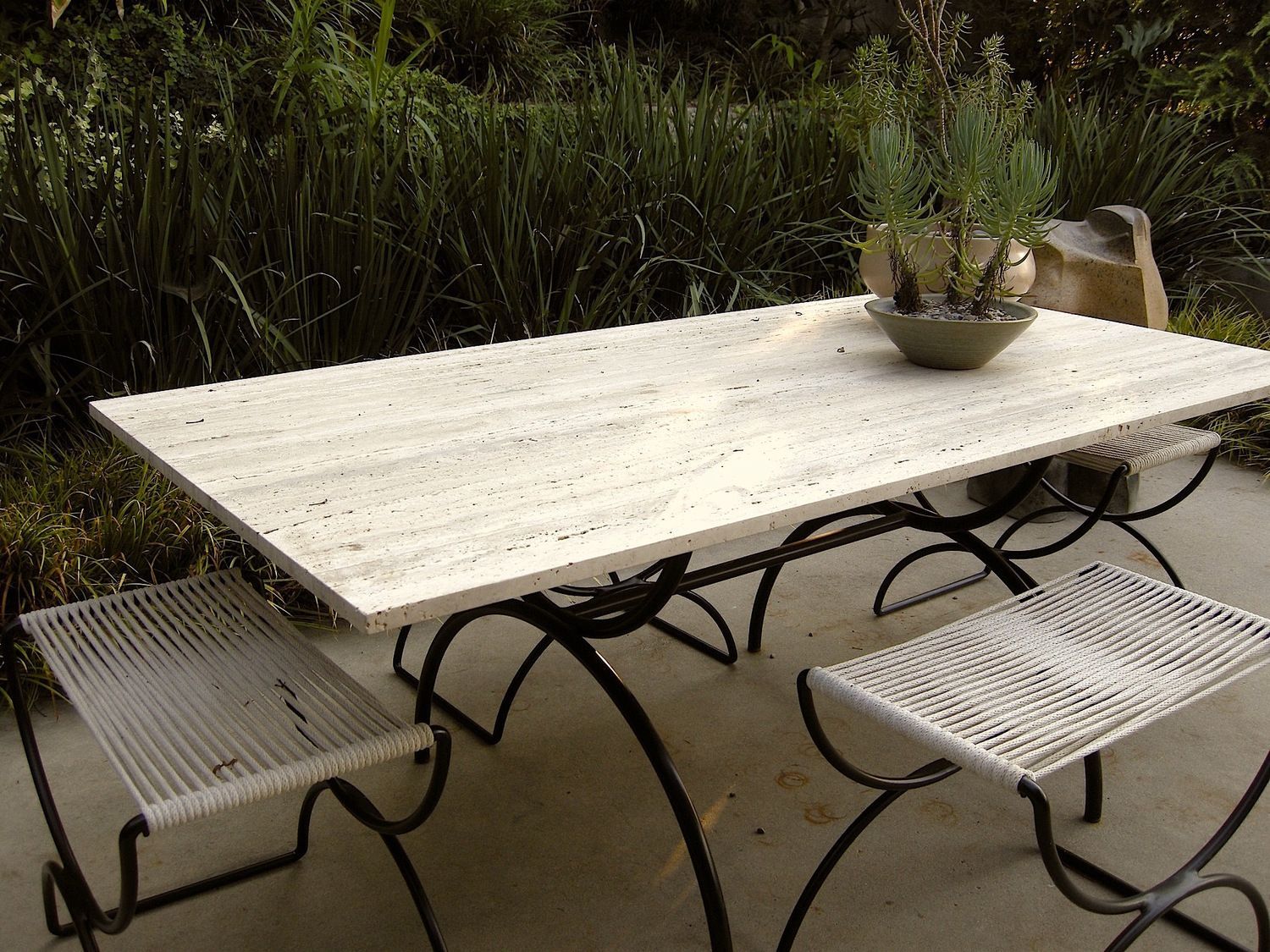
Travertine, on the other hand, is a type of limestone formed by mineral deposits in natural springs. It has a more porous, textured finish and a warm, earthy tone. Think creamy whites, soft silvers, and golden beiges. These aren’t the stark, bright whites of polished marble. They are muted, subtle colors that seem to glow from within rather than reflecting the sun off a glassy surface. When you look at white travertine tiles or silver travertine tiles, they don’t scream for attention. They whisper. They blend beautifully with outdoor landscapes, making the space feel bigger and more open.
This difference in tone changes the feeling of the whole room or patio. With marble, you might feel like you are in a grand lobby. With travertine, you feel like you are in a Mediterranean villa or a hidden garden in Tuscany. The color palette is naturally subdued. Compared to other popular stones such as granite and marble, travertine has a more subtle tone-on-tone coloration and pattern. You won’t find the strongly contrasting dark veins or the boldly colored blotches that can make a space feel chaotic. It’s a calm, cohesive look that lets the plants and the people be the stars.
Safety First: Why Texture Beats Slipperiness
Let’s talk about the elephant in the room. Or rather, the puddle on the floor. The biggest reason architects and homeowners are ditching polished stone for the outdoors is safety. Polished marble is incredibly smooth. When it gets wet from a pool splashing or a sudden rainstorm, it becomes a skating rink. It’s a major liability, and nobody wants to worry about their family slipping on their own patio.
Travertine solves this problem in a way that feels natural. Because it forms from mineral-rich water deposits, it keeps its signature porous structure. This isn’t a defect; it’s a feature. The natural porosity and texture make it more slip-resistant. Even when wet, the surface has enough grip to keep your footing. This makes it perfect for outdoor areas, especially around pools where water is a constant companion. It is a game-changer for high-traffic areas where minor wear is less noticeable, but safety is paramount.
The texture also adds a layer of comfort. Think about walking barefoot on a hot summer day. Polished marble can get scorching hot and then feel hard and unyielding. Travertine has a natural, soft texture that adds a touch of elegance and comfort to terraces. It absorbs a bit of the heat differently, and the slight roughness underfoot feels more grounding. It feels like you are walking on the earth, not on a manufactured surface. This tactile experience is something polished stone just cannot replicate. It transforms a simple walk from the house to the pool into a mindful moment.
The Story in Every Stone: Authenticity and Variation
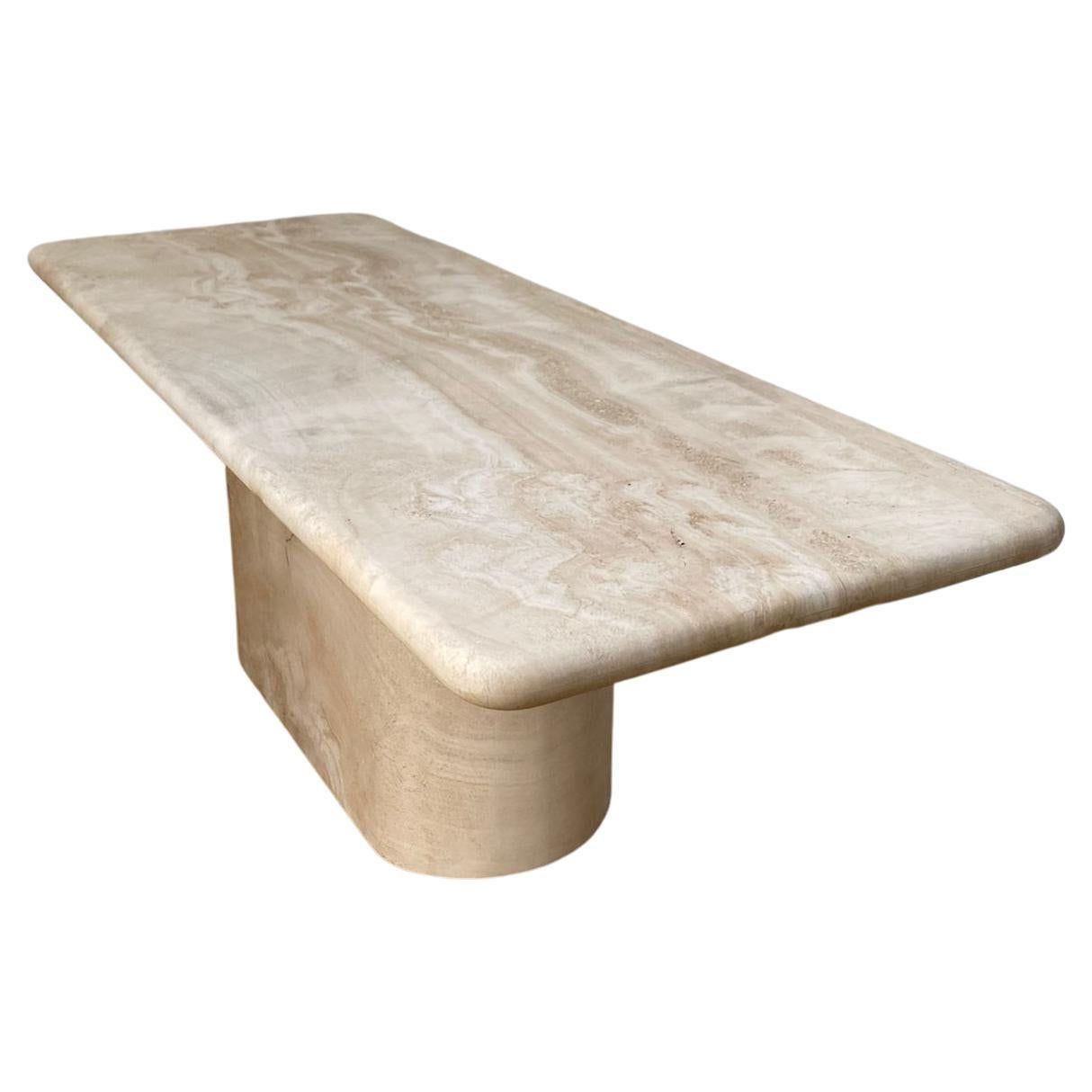
We are living in a time where perfection is often seen as artificial. People crave authenticity. They want spaces that feel lived-in and real. Marble is beautiful, but it can feel a bit too uniform, especially when you buy large slabs that are manufactured to look identical. Travertine tells a different story. It has unique veins and a layered appearance that means no two pieces are identical.
This natural variation is what adds depth and authenticity to any project. When you lay travertine pavers, you are creating a mosaic of nature’s own design. Some stones might have small holes, others might have slightly different shades of beige. These "imperfections" are actually the charm. They ensure that the surface has character. You aren’t walking on a machine-made sheet; you are walking on a piece of history. As a type of limestone, it offers a softer, more organic look compared to marble or granite.
This organic modern look is what designers are loving in 2026. It allows for a blend of natural and contemporary styles. You can have sleek, modern furniture sitting on a rustic, textured floor. The contrast is striking. The stone doesn’t compete with the modern lines; it softens them. It brings warmth and authenticity to any architectural space. Whether you are going for a modern setup or a Mediterranean vibe, travertine brings a timeless appeal that ramps up any outdoor space without feeling dated. It’s a material that grows with you, changing slightly as it weathers, which is exactly what outdoor stone should do.
Durability and the Art of Maintenance
Here is where things get a little tricky, and I want to be real with you. People often assume that because travertine is softer than marble, it is weak. That is not entirely true. Although it is softer, it still performs well when properly sealed. In fact, its natural resistance to acids can be a plus, though it does require a bit more care than granite. But is it worth the extra effort? Absolutely.
The wear and tear on a polished marble patio is visible immediately. A scratch, a chip, or a stain stands out starkly against that shiny white background. It looks damaged instantly. On travertine, minor wear is less noticeable. The textured surface hides the small scuffs that come from moving furniture or playing kids. The stone ages gracefully. Instead of looking ruined, it just looks like it has a good life behind it.
Maintenance is the key here. You need to seal it. It’s not a once-in-a-lifetime thing; it’s a ritual. Sealing the stone protects it from the elements, from the sun’s UV rays, and from spills. When you seal porous travertine, you are locking in that warm color and preventing deep stains. It’s a simple process that pays off huge dividends. Think of it like caring for a garden. You don’t just plant flowers and leave them alone. You water them, you prune them. The same goes for your stone floor. With a proper seal, it will last for decades. It’s about finding the balance between beauty and practicality.
The Rise of Eco-Friendly Interpretations
We are seeing something exciting happen in 2026 that ties into the broader movement of sustainable living. Travertine has inspired various interpretations in modern materials. It is no longer just about digging up a quarry. Designers are creating ceramics, large format porcelain tiles, and even Undora®, an innovative eco-friendly option that mimics the look of real stone without the environmental impact of mining.
This is huge for the industry. It means you can get that warm, porous look without the carbon footprint. But even the natural stone is gaining ground because it is a renewable resource when managed correctly. The demand for natural, warm appearance has given it a timeless style that fits perfectly with the "organic modern" trend. People are realizing that they don’t need to sacrifice aesthetics for sustainability.
The trend is about making choices that feel good. Using materials like travertine in outdoor spaces connects us to the natural world. It reduces the need for synthetic coatings that can be harmful. Whether you choose real stone or a high-tech porcelain that looks just like it, the goal is the same: to bring the warmth of the earth into our homes. It’s a shift away from the industrial look of the past and toward a future that honors nature.
As we look ahead to 2027 and beyond, the shift from polished marble to porous travertine shows no signs of slowing down. It is not just a phase; it is a fundamental change in how we view our outdoor environments. We are moving away from spaces that demand perfection and toward spaces that embrace life. The cold, reflective surfaces of the past are being replaced by warm, textured grounds that invite us to linger.
This shift reflects a deeper desire for connection. We want our homes to feel like sanctuaries, not just structures. Travertine provides a foundation that feels safe, comfortable, and beautiful. It handles the weather, the foot traffic, and the laughter of children with grace. It is a material that tells a story of resilience and beauty.
So, if you are planning a renovation or building a new space, consider making the switch. Think about how you want to feel when you step outside. Do you want to feel like you are in a showroom, or do you want to feel like you are part of the landscape? The choice is clear. The timeless elegance of travertine offers a path forward that is both stylish and sensible. It is the perfect blend of form and function, a material that truly earns its place in the modern home.
The journey from the cold shine of marble to the warm earth of travertine is more than just a design choice. It is a statement about how we live. It says we value comfort over flash, safety over style, and connection over isolation. In a world that is constantly changing, there is something grounding about walking on stone that has been shaped by nature for millions of years. It reminds us to slow down, to breathe, and to appreciate the simple, textured beauty of the world around us.
And that is why, in 2026, the porous stone is winning. It is the smartest, warmest, and most honest choice for the modern outdoor space. So go ahead, leave the polished marble in the past. Embrace the texture. Embrace the warmth. Your patio will thank you.