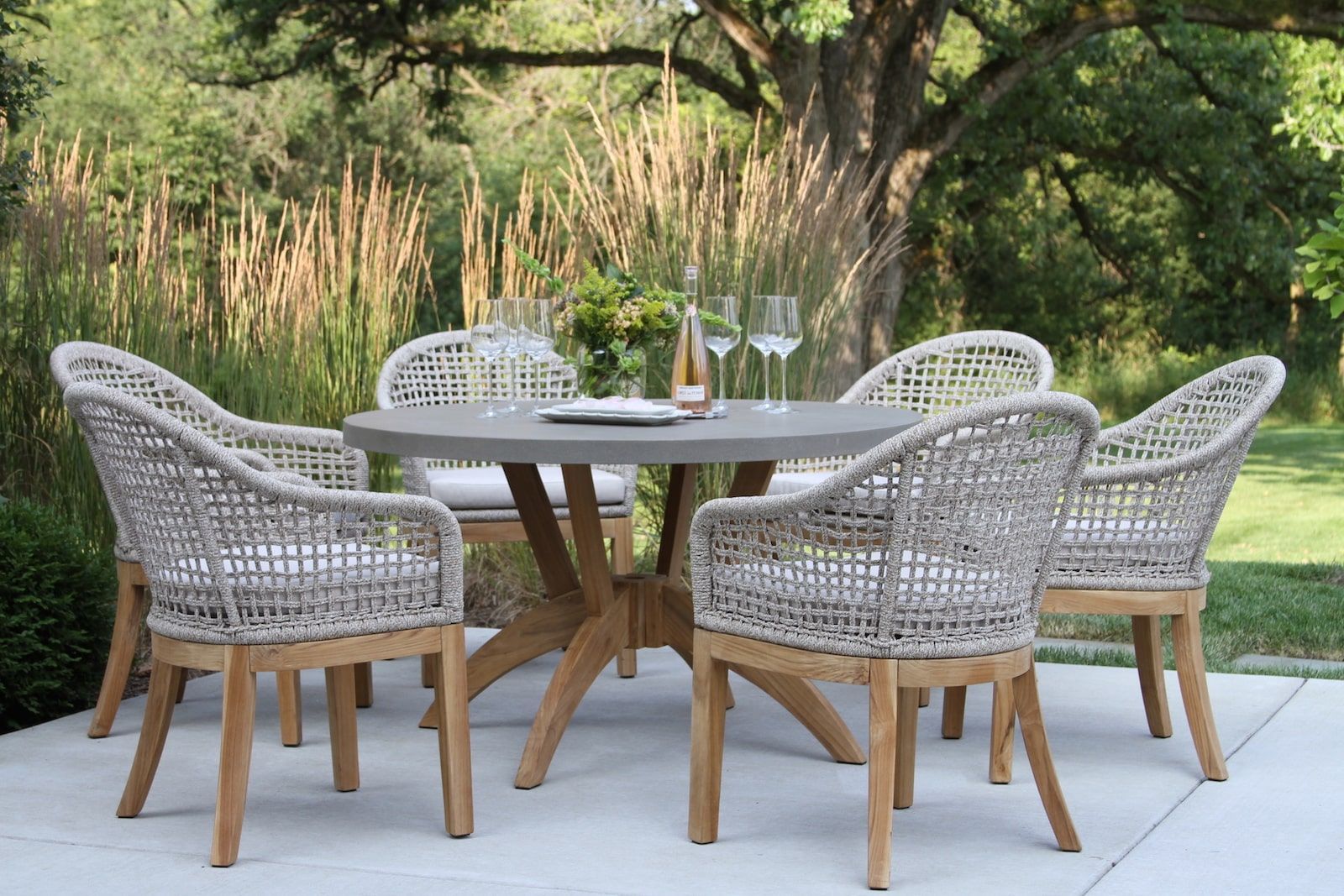
So, how many people actually fit? This is the first question everyone asks. The answer isn’t just about fitting bodies; it’s about fitting elbows. According to the latest standards from home design experts in 2026, the golden rule is simple. You need about 24 to 30 inches of table edge per person.
Yes, you read that right. If you have a 54-inch diameter table, the math is pretty strict. The circumference is roughly 169 inches. If you divide that by 30 inches of space, you get about 5.6 people. If you divide by 24 inches, you get roughly 7 people.
Here is the thing though. For a true family dinner without cramping, you should aim for the higher number. That means 6 people is the sweet spot. 7 is doable, but it’s tight. 8 is a disaster waiting to happen.
When you pack 8 people around a 54-inch table, you are basically asking for a collision course. Everyone gets less than 21 inches of space. That is less than the width of a standard dinner plate. You will be constantly shifting, reaching, and apologizing.
Think about your last holiday meal. If someone had to lean over the center to reach the salt, you know the table was too small. The "Elbow Room Equation" isn’t just a fancy term. It is the difference between a relaxed meal and a stressful one.
Let’s break down the seating capacity so you can stop guessing.
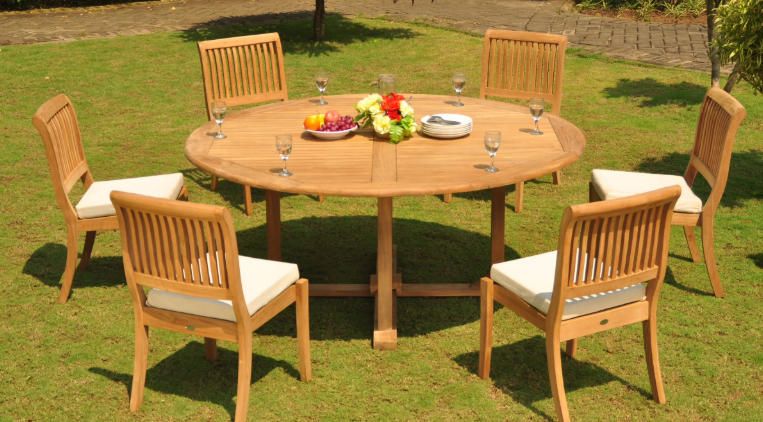
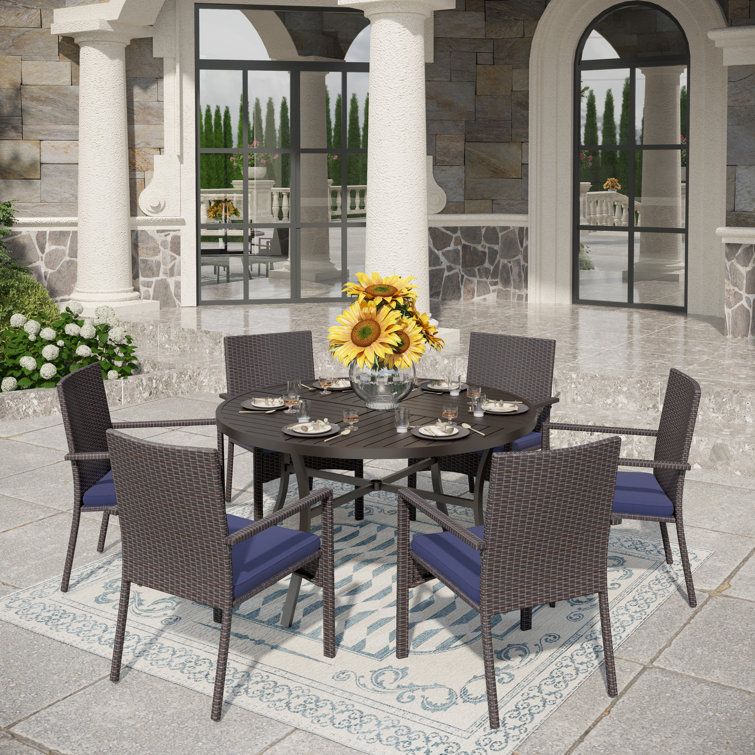
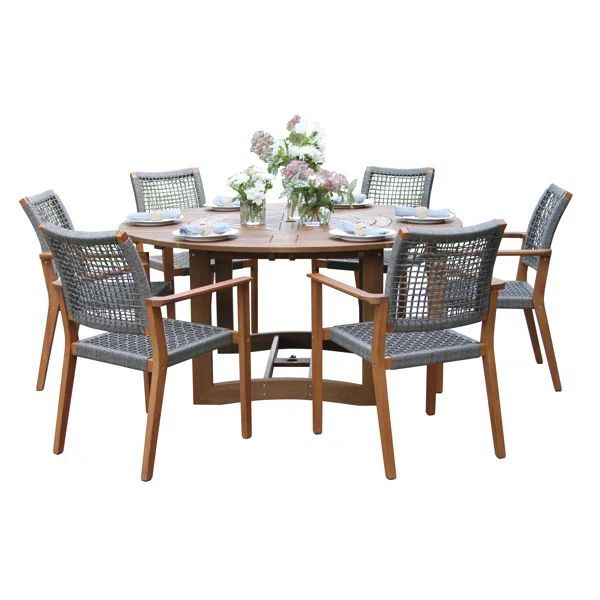
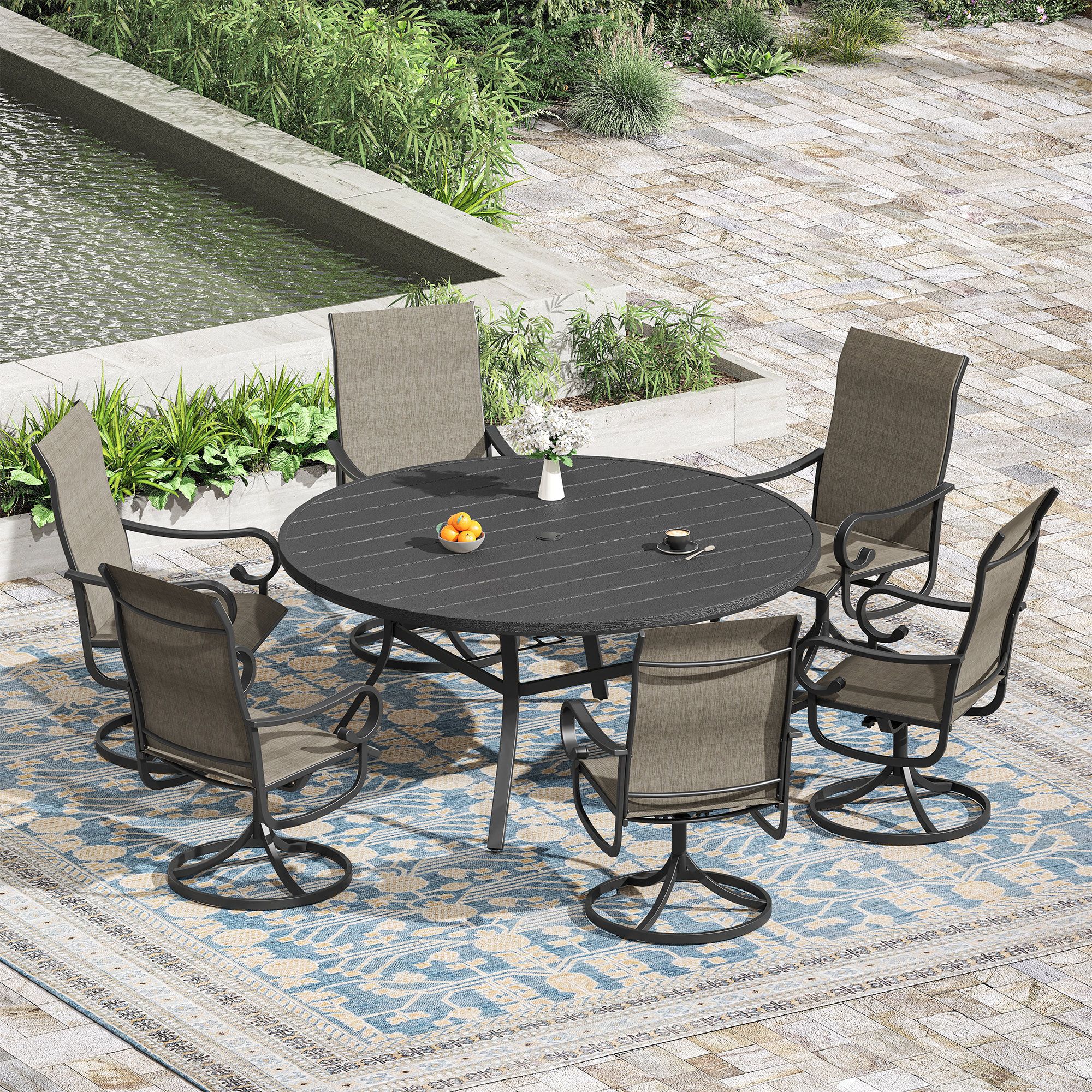
- 6 People: This is the perfect scenario. Everyone gets about 28 inches of space. You can lean back, reach for the bread, and turn your head to talk to the person across from you without twisting your whole body.
- 7 People: This is the "maximum comfortable" limit. Space drops to about 24 inches. It is workable, but you have to be mindful. Avoid big centerpieces. Keep the plates small.
- 8 People: Do not do this. Seriously. You will have less than 21 inches per person. It feels like a banquet hall, not a family dinner. Conversation will be strained because you are physically leaning in to hear each other.
Why does this matter so much? Because conversation is physical. When people are cramped, they instinctively pull back. They become rigid. They stop leaning in. They stop laughing as loud.
In 2026, we are more aware of how our environment affects our moods. A cramped table creates a cramped mind. So, if you have a big family, consider two smaller tables or just invite fewer people for a more intimate vibe.
There is a myth that you can squeeze in extra seats for kids. While kids are smaller, they still need space to move their arms. If you have a 54-inch table, maybe seat the adults and give the kids their own section or a high chair nearby. It keeps the flow of the main conversation intact.
The Centerpiece Conundrum
Okay, let’s talk about the middle of the table. This is where most people go wrong. They want a big, beautiful floral arrangement. They want candles, vases, and maybe a fancy bowl of fruit.
Here is the hard truth: A wide centerpiece kills conversation on a 54-inch table.
If you put a 12-inch wide vase in the center of a 54-inch table, you are eating up 24 inches of the total diameter. That leaves 18 inches for the plates and people. That is nowhere near enough room.
Experts recommend keeping centerpieces low and narrow. Think along the lines of a long, low runner or a few small votive candles. You want the guests to be able to see each other’s faces across the table, not just the back of a flower bouquet.
When you block the line of sight, you block the eye contact. And without eye contact, conversation dies. It becomes a series of monologues rather than a shared experience.
Try this: Place your decor in the very center, but keep it under 6 inches in height and 8 inches in width. Or better yet, scatter some small decor items around the table edges instead of in the middle.
You can also use "family style" serving. Instead of everyone passing individual plates, put the food in the middle. But if you have a big centerpiece, you won’t be able to put the food there. So, keep the center clear for the dishes.
It is all about balance. You want beauty, but you need function first. The food comes first. The people come second. The flowers come third.
Chair Placement and Traffic Flow
You have picked the number of people. You have sized up your centerpiece. Now, what about the chairs?
This is where many people fail. They push the chairs in too close to the table. Or they pull them out too far, blocking the aisle.
The rule of thumb is simple. You need about 18 inches from the edge of the table to the back of the chair. This gives the person sitting enough room to tuck the chair in when they stand up, and enough room to wiggle their legs.
But there is more. You need space to move around the table. In a dining room, you want at least 36 to 42 inches of clearance around the entire table. This allows people to walk by without bumping into someone’s knees.
If your room is small, you might have to compromise. But try to keep at least 24 inches of space on the sides where people walk most often.
Also, think about the chair type. A chair with wide arms takes up more space than a sleek dining chair. If you have armchairs, you might need to reduce the seating by one person to maintain comfort.
Imagine the scene: You are trying to get the salt from the middle. The person next to you is trying to stand up to get a salad. If the chairs are too close, you get stuck. It is awkward. It slows down the meal.
Make sure your chairs are stable. Nothing ruins a dinner like a wobbly chair. And make sure they are comfortable. You don’t want your guests feeling like they are sitting on a hard bench for three hours.
The Room Layout and Table Spacing
The table doesn’t exist in a vacuum. It lives in a room. And the room dictates how the table should be arranged.
If you are hosting a big family dinner, you might have multiple tables. If you do, you need to space them out. Experts suggest at least 54 to 60 inches between the edges of round tables. This creates a nice aisle for serving and walking.
If you only have one table, look at the room shape. Is it square? Rectangular? Round? A round table fits well in almost any room, but you need to make sure it doesn’t feel like it is floating in the middle of nowhere.
Try to align the table with the room’s features. If you have a fireplace, face the table toward it. If you have a window, try to let the light hit the center of the table.
Lighting is also key. You want soft, warm light. Harsh overhead lights make people feel exposed and anxious. A chandelier or a pendant light hanging low over the table creates a cozy bubble.
In 2026, we are seeing a trend toward "flexible dining." People are moving furniture around more easily. If you have a 54-inch table, it is small enough to move if you need to make room for dancing or a game.
Don’t be afraid to rearrange. If the table feels too big for the room, pull it closer to the wall on one side. If it feels too small, move it to the center and add a rug underneath to define the space.
The goal is to make the room feel like it belongs to the people in it. Not the other way around.
Creating a Flow That Feels Natural
Finally, let’s talk about the feeling of the meal. It is not just about the numbers or the furniture. It is about the flow.
When you arrange a 54-inch table correctly, the conversation flows naturally. You don’t have to lean forward. You don’t have to shout. You can just lean back and listen.
This is the ultimate goal. To make people feel relaxed enough to talk about their days, their dreams, and their worries.
Think about the last time you had a great dinner. What made it special? Was it the food? Probably. But was it the feeling of being together? That was the real magic.
You can create that feeling by respecting the space. Don’t crowd the table. Don’t block the view. Don’t make people uncomfortable.
If you invite too many people, the table will feel crowded. If you invite too few, it might feel empty. Find that balance. For a 54-inch table, 6 is usually the answer. 7 is okay if you are careful. 8 is too many.
And remember, it is okay to say no. If you have too many cousins coming over, maybe invite them to a different table or another room. It is better to have a smaller group that is comfortable than a big group that is cramped.
The table is a vessel for connection. Treat it with respect.
So, there you have it. The secret to a perfect 54-inch round table is not about tricks or gadgets. It is about respect. Respect for space. Respect for your guests. And respect for the moment.
By sticking to the 24 to 30 inches per person rule, you ensure everyone has room to breathe. By keeping the centerpiece low, you keep the eyes connected. By spacing the chairs and the room right, you create a flow that feels effortless.
It is simple, really. But it changes everything.
Next time you set the table for a family dinner, take a moment to measure. Check the space. Imagine the conversation. Will it be easy? Or will it be a struggle?
Do the math. Make the space. Then, sit back and enjoy the meal.
Because at the end of the day, the best thing about a family dinner is not the food. It is the people. And they deserve to be comfortable.