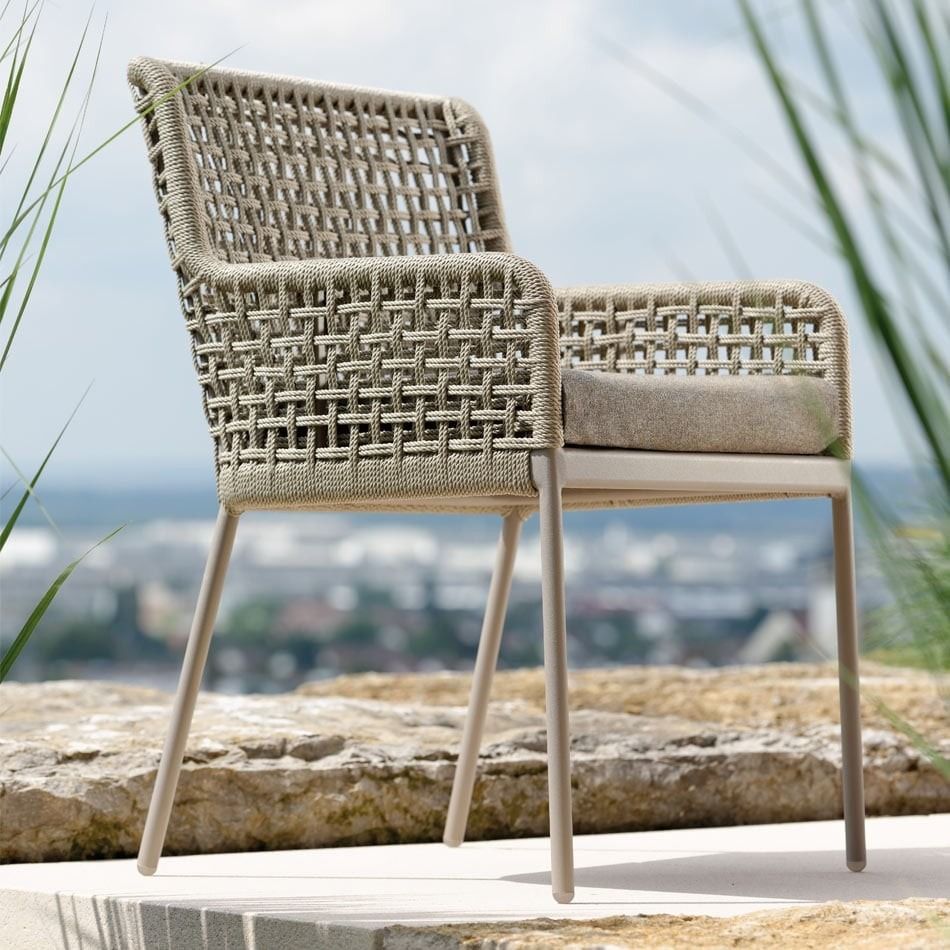
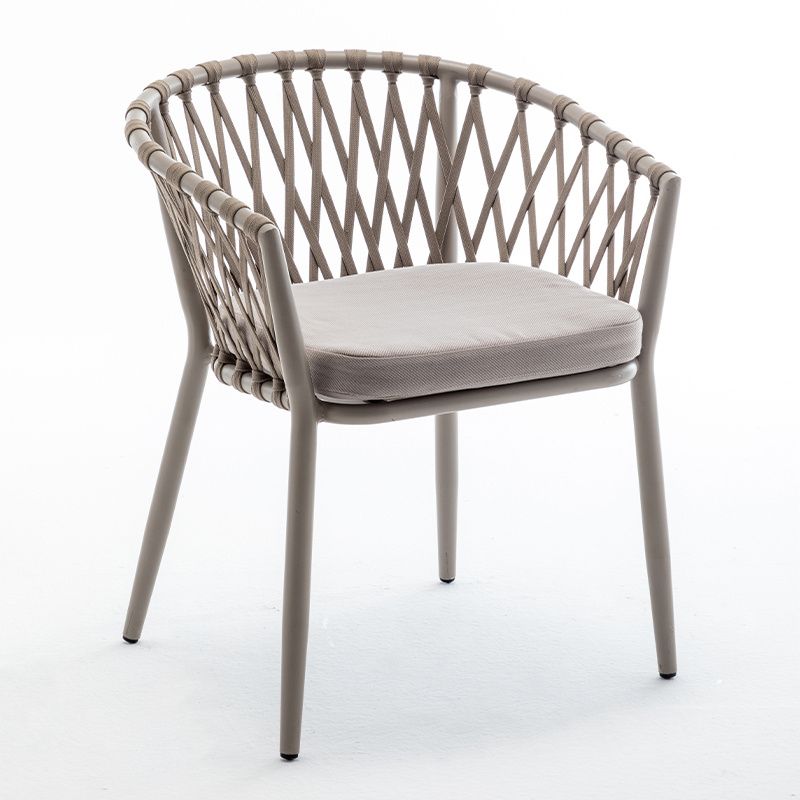
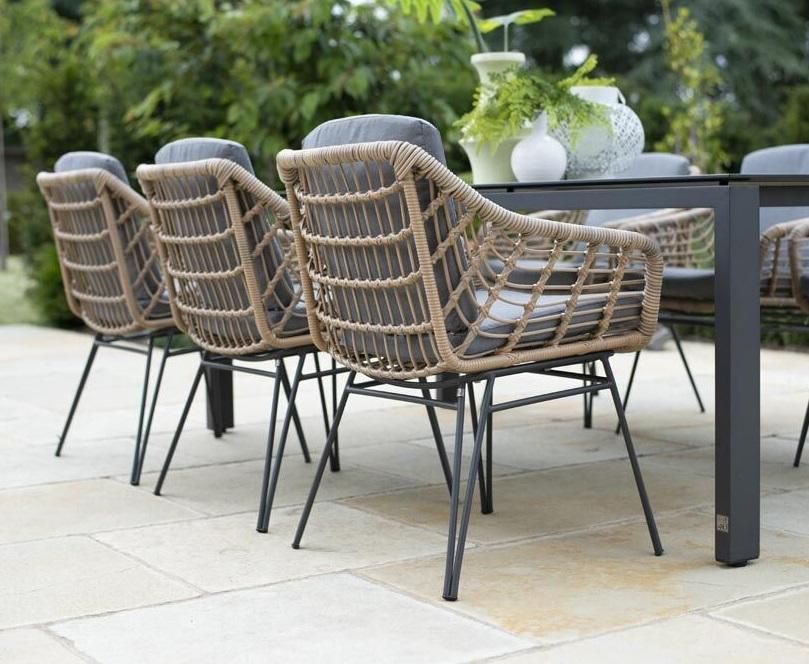
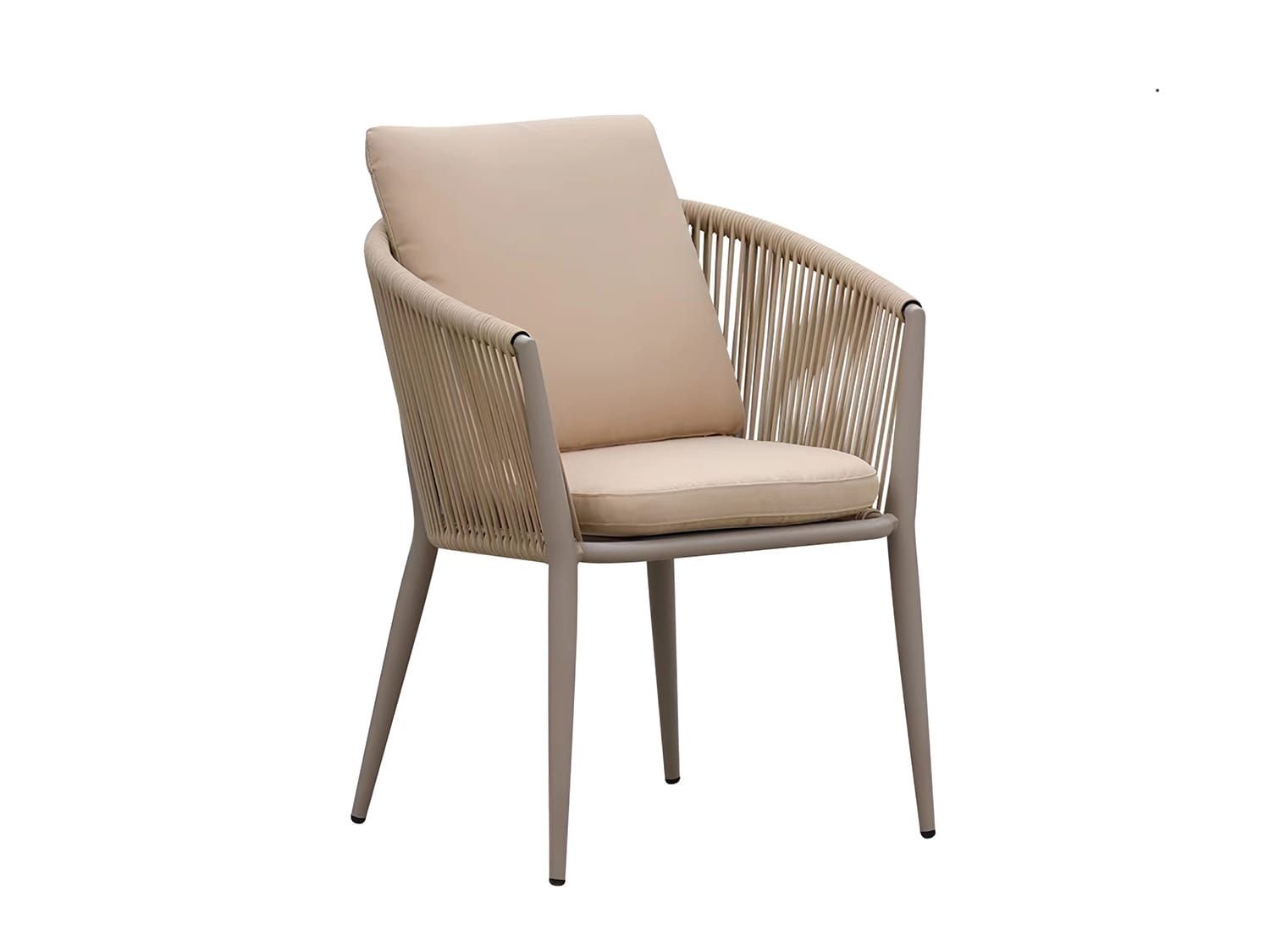
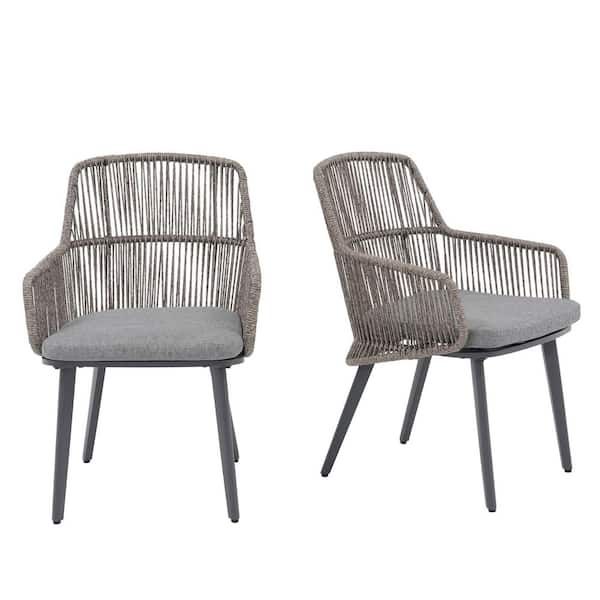
So you’ve got a dining set with rope accents—or maybe you’re shopping for one. Maybe you’ve already felt that slightly rough weave on your arms and wondered, "Is this going to last?" Or maybe you’re just tired of second-guessing your choices. I get it. Rope furniture has become huge over the last few years, and for good reason. It’s got that coastal, relaxed vibe that makes every meal feel like a vacation. But here’s the thing: not all rope is created equal. And the material you pick can totally make or break your dining experience.
Let’s talk about what really matters when you’re choosing rope material. Because honestly, nobody wants to be picking stray fibers out of their pasta three years from now.
The Big Players: What Rope Materials Are Actually Out There
First things first—let’s look at what you’re actually dealing with. The rope world for furniture has some main contenders, and they each bring something different to the table (pun intended).
Cotton rope is probably what comes to mind when you think "rope." It’s soft, it’s natural, and it feels great against your skin. But here’s the catch: cotton soaks up everything. Spilled your red wine? That cotton rope is going to remember it forever. In 2026, we’re seeing more manufacturers blend cotton with synthetics to get the best of both worlds, but pure cotton is still out there if you’re gentle with your furniture.
Polyester rope is the workhorse. It doesn’t care about spills, it laughs at sunlight, and it’s not going to fade after a few months near a window. The downside? It can feel a bit plasticky if you get the cheap stuff. But good quality polyester has come a long way—some of it even mimics the texture of natural fibers now.
Polypropylene is the lightweight champion. It floats (not that your dining chairs are going swimming), but more importantly, it dries fast and resists mold. Perfect if you live somewhere humid or if your dining area gets a lot of moisture from cooking steam.
Jute and sisal are the natural, eco-friendly options. They look gorgeous—that earthy, textured look is chef’s kiss for farmhouse or boho styles. But they shed. Oh boy, do they shed. And they’re not great with moisture. One spilled drink and you’ve got a permanent stain.
Nylon rope is tough as nails. It’s what you’d use if you wanted your dining chairs to survive a zombie apocalypse. It stretches a bit though, which means your chair seats might sag over time if not woven tightly.
Durability Matters: How Long Will It Actually Last?
Here’s where things get real. You’re not buying rope for a boat that sits in the marina—you’re buying furniture that’s going to see daily abuse. Kids wiping sticky hands on it. Cats scratching it. The occasional dropped fork that snags a thread.
Industry data from 2025 shows that polyester rope furniture lasts about 7-10 years with normal use, while cotton tops out around 3-5 years before it starts looking tired. That’s a huge difference when you’re spending good money on a dining set.
I talked to a furniture restorer last year who told me horror stories about people bringing in "high-end" rope chairs that fell apart because the manufacturer cheaped out on materials. "They used recycled rope from who-knows-where," she said, shaking her head. "Looked great in the showroom, but six months later? Total unraveling."
So what should you look for? Check the weave density. Tighter weaves last longer. Run your hand along the rope—if you feel loose strands or gaps, that’s trouble. Also, ask about UV treatment. Even indoor furniture gets some sun, and untreated rope can become brittle and snap.
Comfort Factor: What Feels Good Against Your Skin
Okay, let’s get honest here. You’re going to be sitting in these chairs for hours. Holiday dinners. Long conversations. Maybe even working from home at the dining table (no judgment). The rope material matters for comfort in ways you might not expect.
Cotton is the softest. It’s like sitting on a cozy sweater. But it also holds heat, so on summer evenings you might end up with sweaty backs. Not cute.
Polyester and polypropylene are cooler to the touch, which is nice in warm weather. But some people find them scratchy, especially if the rope has a rough finish. The trick is to look for "wrapped" polyester—where the core is polyester but the outer layer is a softer fiber.
Jute and sisal? They’re rough. Like, really rough. I love the look of jute chairs, but I wouldn’t want to sit on them in shorts. They’re better for dining sets that are more decorative than functional, or for chairs where you’ll always have cushions.
Here’s a pro tip: if you’re buying online, order a sample. Most reputable sellers will send you a small piece of the rope material so you can feel it yourself. Don’t skip this step. What looks nice in photos can feel completely different in person.
Maintenance and Cleaning: The Real Test
Let’s talk about the stuff nobody wants to discuss but everyone needs to know. Rope gets dirty. It’s a fact of life. Crumbs fall into the weave. Spills happen. Dust settles.
Cotton rope is high maintenance. You can spot clean it with mild soap and water, but you have to be careful not to soak it. Mold loves wet cotton. Some people vacuum their cotton rope chairs weekly just to keep them looking decent. Are you that person? Be honest with yourself.
Polyester and polypropylene are way easier. Most spills wipe right off. You can even hose them down if things get really bad—just let them dry thoroughly. A 2026 survey of furniture owners found that 78% of people with synthetic rope chairs said cleaning was "easy" compared to only 32% with natural fiber chairs.
Nylon is somewhere in the middle. It’s durable and cleans well, but it can attract dirt because of its static charge. A quick wipe with a damp cloth usually does the trick.
Jute and sisal? Don’t even think about getting them wet. Vacuuming is about all you can do. And even then, the fibers break down over time. They’re beautiful but fragile.
Style and Aesthetics: Matching Your Vibe
This is the fun part. Rope isn’t just functional—it’s a design choice. And the material you pick says something about your style.
For a coastal, beachy look, go with natural cotton or a cotton-polyester blend in white or cream. It gives that breezy, Nantucket feel. Just be prepared to clean it more often.
For modern or industrial spaces, dark polyester or nylon rope looks sharp. Black, charcoal, or navy rope against metal or dark wood frames? Chef’s kiss.
Boho and farmhouse styles love jute and sisal. The rough, organic texture adds warmth and character. But again, consider the maintenance trade-off.
Here’s something I’ve noticed in 2026: more people are mixing rope materials. Like, using cotton for the back of the chair where your arms touch, but polyester for the seat where spills are more likely. It’s a smart compromise, and some manufacturers are starting to offer this as an option.
Color matters too. Lighter ropes show dirt faster but look airier. Darker ropes hide stains but can fade in sunlight. And some ropes take dye differently—polyester holds color better than cotton, which tends to fade after a few years.
Cost Considerations: What’s Your Budget Really Buying You
Let’s talk money. Because rope furniture prices vary wildly, and you need to know what you’re paying for.
Basic cotton rope chairs can start around $100-$200 each. But you’ll probably replace them in 3-5 years. High-end polyester or nylon chairs? $300-$600 each, but they’ll last a decade or more. Do the math: the expensive ones are actually cheaper in the long run.
Jute and sisal are usually mid-range, $200-$400 each. But their shorter lifespan and higher maintenance might not be worth it unless you really love the look.
Here’s something the furniture stores don’t tell you: the frame matters as much as the rope. A cheap frame with expensive rope is still a cheap chair. And vice versa. Look for hardwood frames (oak, teak, or eucalyptus) with high-quality rope. Aluminum frames are also great for outdoor or sunroom dining sets.
And don’t forget about replacement costs. Some manufacturers sell replacement rope so you can re-weave your chairs when the rope wears out. That’s a huge money-saver. Check before you buy—if the rope is custom and can’t be replaced, you’re buying a disposable chair.
Look, there’s no perfect answer for everyone. But here’s my honest take based on years of watching people make (and regret) their choices.
Go with polyester if you want something that lasts, cleans easily, and doesn’t require constant babying. It’s the smart choice for most people. Get a good quality one with a soft finish and you won’t regret it.
Go with cotton if comfort is your absolute top priority and you don’t mind a little extra work. It’s lovely to touch, just know what you’re signing up for.
Go with jute or sisal only if you’re willing to treat your dining set like a piece of art that needs careful handling. They’re gorgeous but demanding.
Go with nylon if you have kids, pets, or a generally chaotic household. That stuff is tough.
Go with polypropylene if you live in a humid climate or have your dining set near a pool or patio area.
And remember: you can always use cushions. A nice cushion can solve comfort issues with rougher ropes and protect the material from wear. It’s not cheating—it’s smart.
At the end of the day, your dining set is where you share meals, tell stories, and make memories. The rope material should support that, not fight it. Pick something that fits your lifestyle, not just your Pinterest board. Your future self—the one who spills coffee at breakfast and doesn’t panic—will thank you.