There is nothing quite like the feeling of pulling up a chair to your outdoor table after a heavy spring rain. The air is crisp, the smell of the garden is in the air, and you are ready to pour your morning coffee. But then you look down and worry. Will the wood be warped? Will the wicker be moldy? Will the fabric be streaked with dirt? For a long time, that was the reality. Outdoor furniture was often just a temporary fix, looking tired and faded by the first summer heatwave.
But things have changed. We are living in 2026 now, and the game has shifted entirely. It is not about luck anymore. It is about the materials themselves. The science behind how nesting dining sets stay fresh is fascinating, and it is all about how manufacturers are fighting back against the sun, the rain, and the humidity.
When you choose the right stuff, your dining set doesn’t just survive; it thrives. You can stack them away for the winter, pull them out in the spring, and they look just as inviting as the day you bought them. This isn’t magic. It is engineering and chemistry working together to keep your space wonderful. Let’s dive into exactly how these materials do it so you can feel confident in your choices.
The Magic of Synthetic Wicker and Polymers
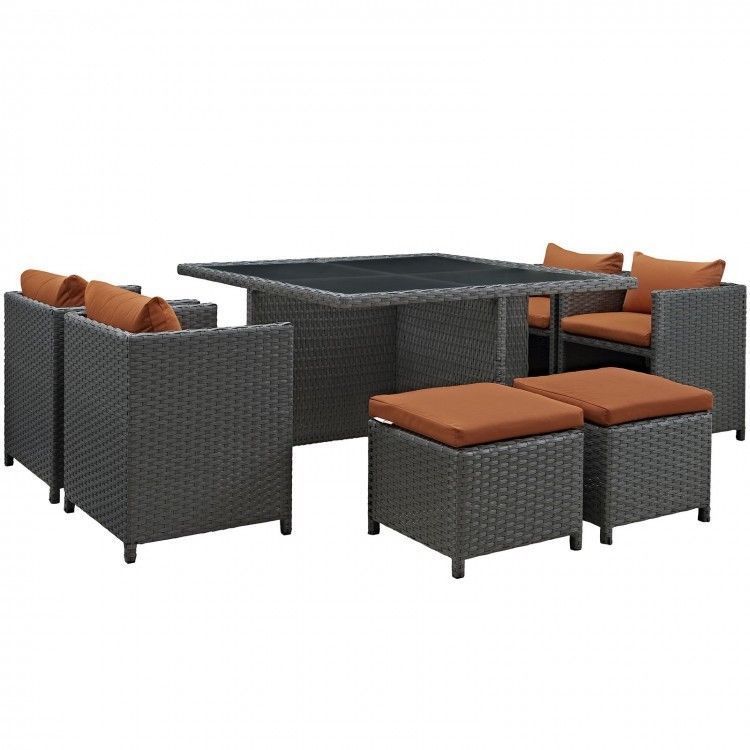
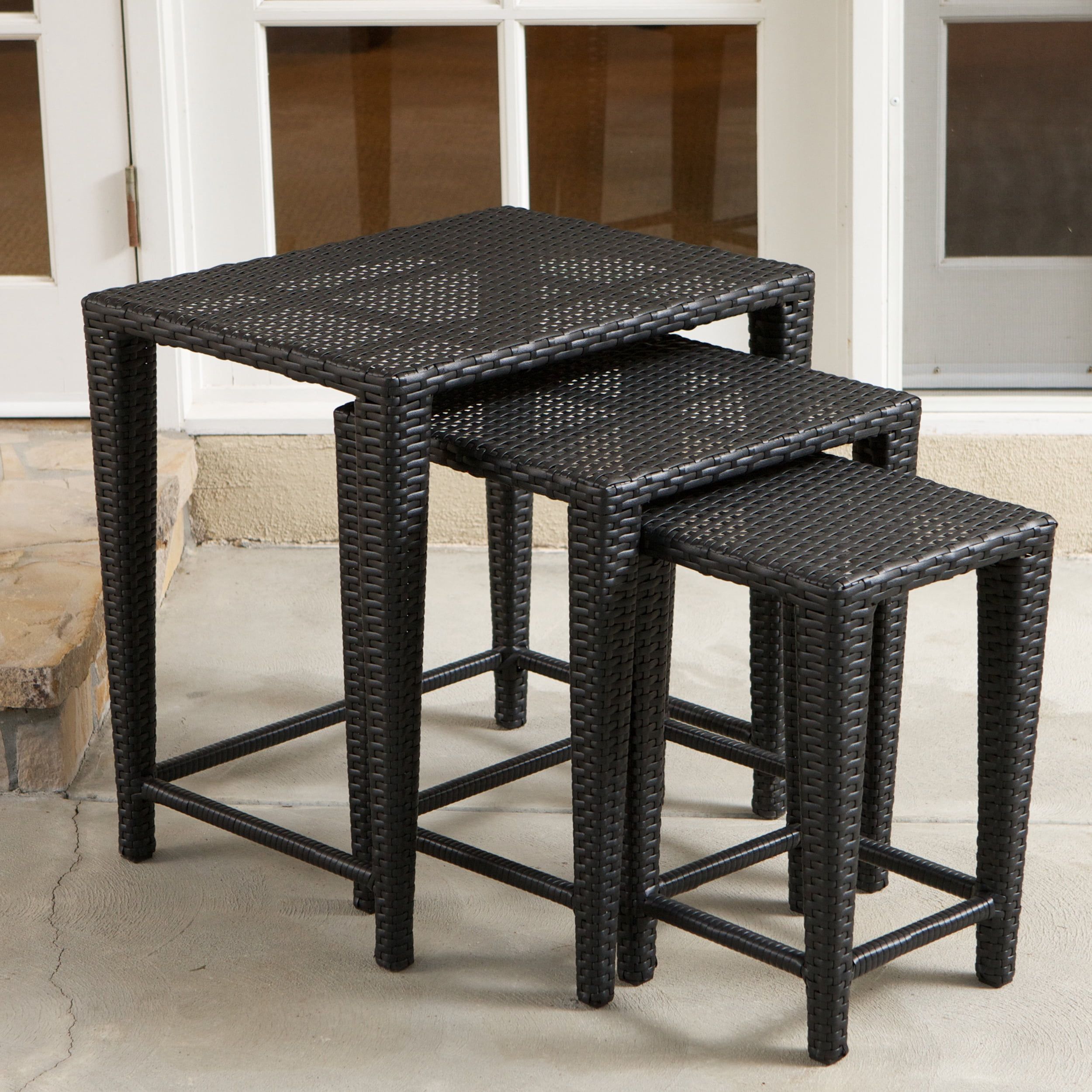
You might remember when "wicker" meant natural rattan that would rot if it got wet. Those days are long gone. Today, when we talk about nesting dining sets, we are mostly talking about synthetic wicker. This stuff is made from polyethylene or PVC, which sounds complicated, but the effect is simple. It is basically plastic woven to look like the real thing, but without any of the weaknesses.
Think about a summer storm. Real wicker drinks up the water like a sponge. It expands, then shrinks, and eventually cracks. Synthetic wicker? It just lets the water slide right off. It is waterproof by nature. And because it is UV-resistant, the sun doesn’t fade its colors. In 2025 and 2026, manufacturers have perfected this weave so tightly that it feels soft and inviting, not plasticky. You get that cozy, traditional look without the huge worry of maintenance.
The best part is how easy it is to clean. You don’t need special oils or harsh chemicals. A quick rinse with a garden hose or a wipe down with a damp cloth is all it takes. This is huge for nesting sets because the tight corners where pieces slide together often trap dirt. With synthetic wicker, dirt doesn’t stick. It washes away, leaving the set looking fresh year after year. It is a win-win for style and durability.
Why FSC Teak and Aluminum Are Timeless Partners
If you like the look of wood, you might be worried about the weather. But FSC-certified teak is a different beast entirely. It is not just pretty wood; it is naturally strong and rich in oils. These natural oils act like a shield against moisture and bugs. Unlike cheaper woods that warp or rot, teak is dense. It can handle a rainstorm and dry out without changing shape. Over time, if you let it, it turns a gorgeous silvery gray. You can also oil it to keep that golden honey tone.
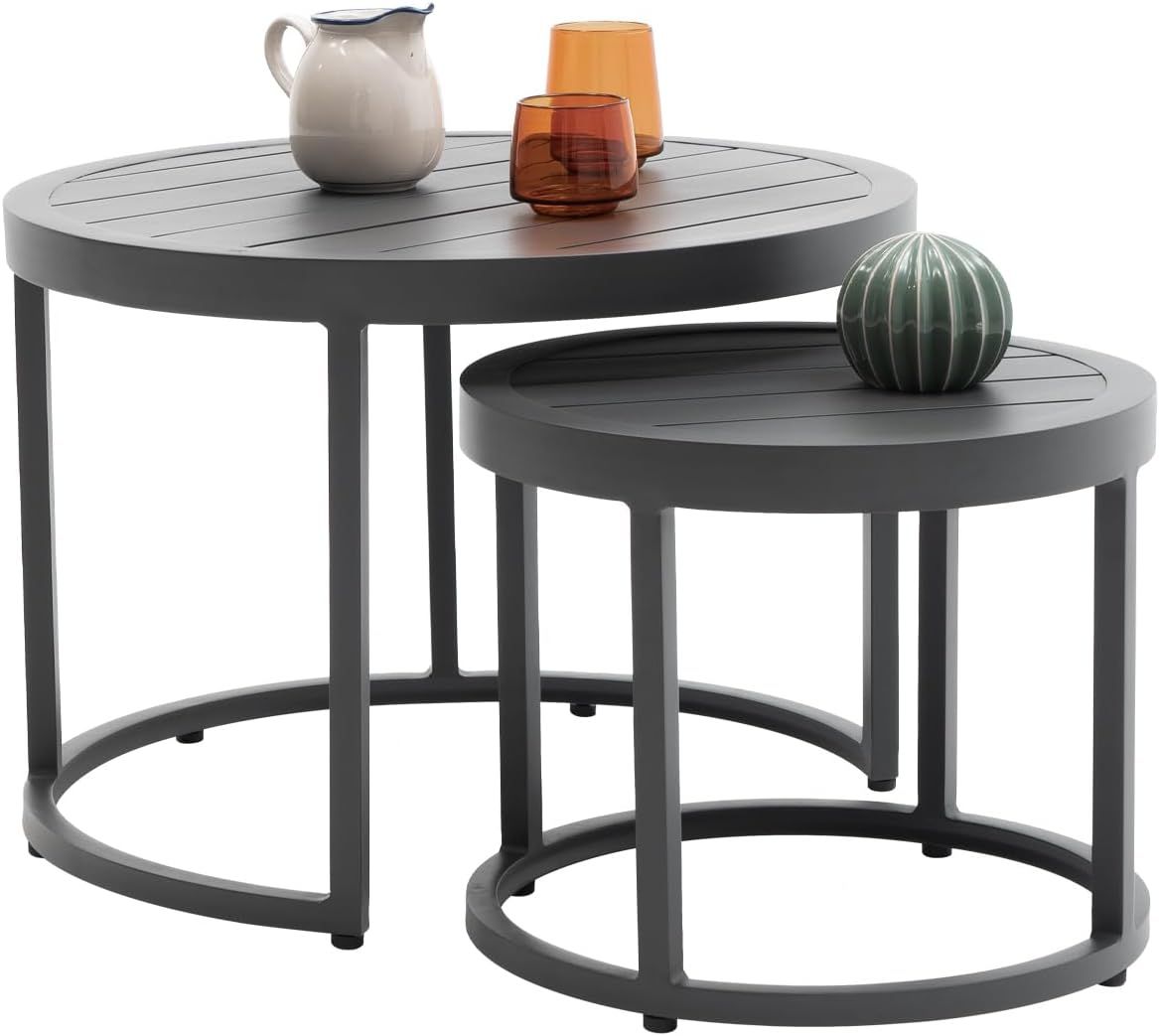
Aluminum has its own superpowers too. Recyclable aluminum is lightweight, which is perfect for nesting sets since you have to move them around often. The secret sauce here is the powder coating. This isn’t just paint; it is a baked-on finish that bonds to the metal. It stops rust from ever starting, even near the ocean where the salt air is nasty.
When you combine teak and aluminum, you get a set that feels substantial but is easy to manage. You can stack the chairs up in a corner during a winter blizzard, and when spring comes, they are ready to go. There is no warping to worry about. No rust spots to scrub. Just solid, reliable furniture that looks great whether it is 90 degrees or freezing cold.
The Invisible Shield: Polywood and Recycled Plastics
Let’s talk about Polywood. It sounds like a brand name, but it has become a word for a type of material made from recycled plastic lumber. This is HDPE (high-density polyethylene). It is virtually indestructible. If you drop a heavy plate on it, it doesn’t dent. If a tree branch hits it, it doesn’t crack. It is designed to take a beating.
What makes it special for dining sets is that it handles temperature swings better than almost anything else. One minute it is hot, the next it is freezing. Some materials expand and contract too much, leading to cracks. Polywood stays stable. It also doesn’t absorb water, so there is no risk of mold growing inside the material. You can leave it out in the rain, and it will never rot.
It is also an eco-friendly choice because it is made from recycled milk jugs and other plastic waste. So when you buy this, you are helping the planet while getting furniture that lasts decades. In 2026, this is one of the most popular choices for families who want a bright, colorful set that doesn’t need constant care. Just hose it down and it looks brand new again.
Tackling the Coastal Challenge and Salt Air
Living near the beach is amazing, but the environment is tough on furniture. Salt air is corrosive. It eats away at metal and can damage fabric. That is why materials for coastal spaces need to be extra tough. Standard steel might rust quickly if it isn’t treated perfectly.
This is where specialized powder-coated aluminum and high-performance fabrics come in. Some fabrics, like WeatherWeave, are designed specifically to resist UV rays, mildew, and water. They are often backed by warranties because the makers know they can handle the salt. The fabric won’t fade, even under the intense sun hitting the beach.
For the frames, recyclable aluminum is the star here. It doesn’t rust. If you get a nesting dining set made for coastal living, you can leave the chairs out year-round. You don’t need to bring them inside. The materials are engineered to ignore the salt, the humidity, and the sand. This means less work for you and more time enjoying the ocean breeze with a fresh-looking table.
Simple Routines That Keep Everything Looking New
Even the best materials need a little love to stay at their best. You don’t need to spend hours on it, but a simple routine makes a big difference. The key is consistency. For example, when pollen season hits, just give the table a brush or a wipe. Pollen can get stuck in the weave of your wicker or the cracks of your wood. If you leave it there, it might stain or make the surface look dingy.
After a rainstorm, let your covers dry thoroughly before you put them away. This prevents moisture buildup, which can lead to mold or bad smells. It is a small step, but it keeps your furniture smelling fresh. Also, make sure to check the nesting spots. Sometimes dirt gets trapped where the chairs slide into the table. A quick vacuum or brush keeps those moving parts smooth.
In 2026, we know that maintenance doesn’t mean hard work. It just means paying attention. A quick rinse with a hose, a little soap if needed, and a dry cloth. That is it. If you do this, your nesting set will look as good as it did the day you bought it, even after years of use.
Looking ahead, the trend is clear. We are moving towards furniture that feels like an extension of our home, not an afterthought. The materials we use are becoming greener and stronger. We are seeing more recycled content in plastics and more sustainably sourced wood. The goal is to make outdoor dining a year-round activity, not just a summer hobby.
The beauty of nesting dining sets is that they adapt to your life. You can stack them when you need space for a party, or spread them out for a quiet dinner. The weather-resistant materials ensure that this flexibility doesn’t come at the cost of durability. They are built to perform, no matter what the weather throws at them.
So, when you are shopping for your next set, look for these features. Don’t settle for something that looks good for a season. Choose materials that are built to last. Whether it is synthetic wicker, teak, or polywood, the right choice means your outdoor space remains welcoming and fresh year after year. It is about creating memories, not worrying about damage.