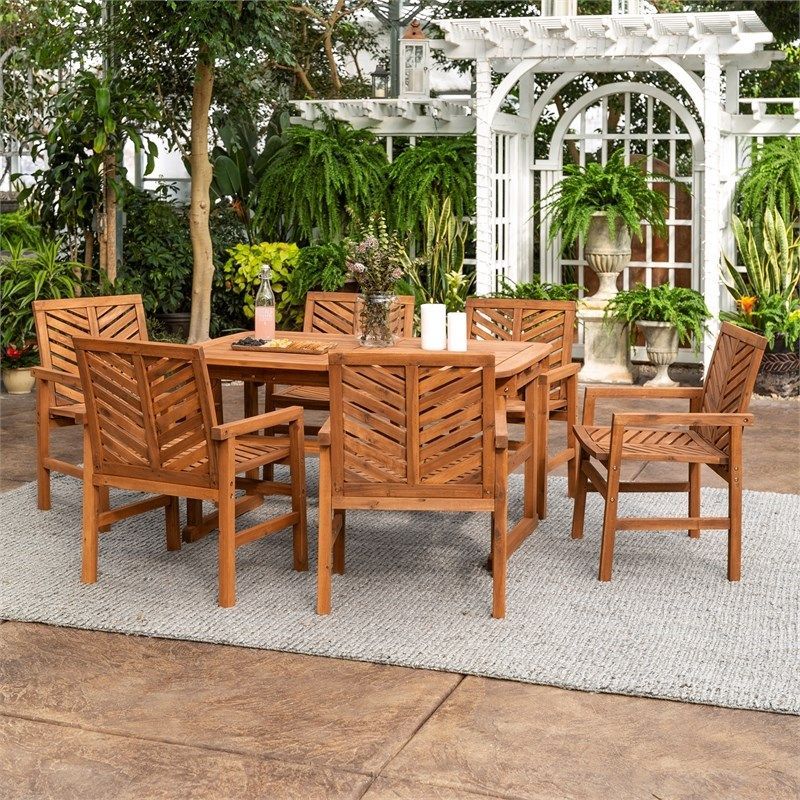
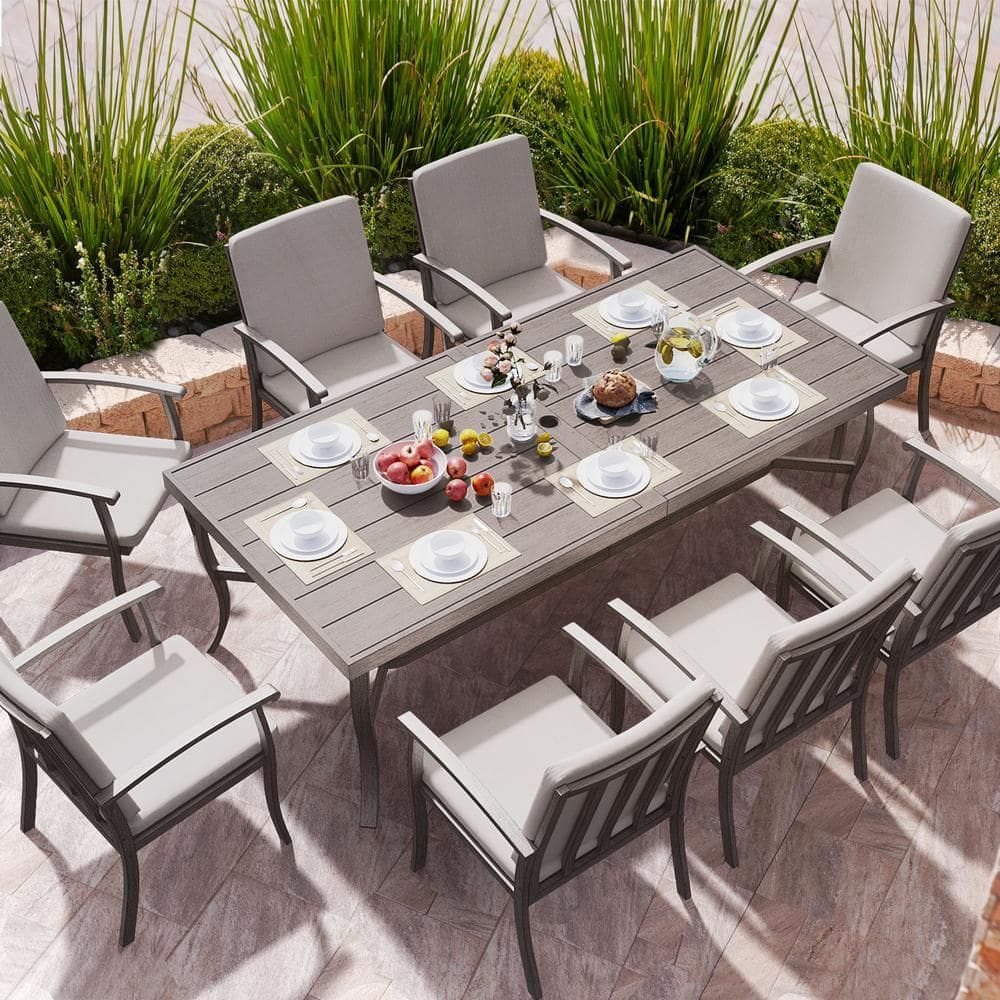
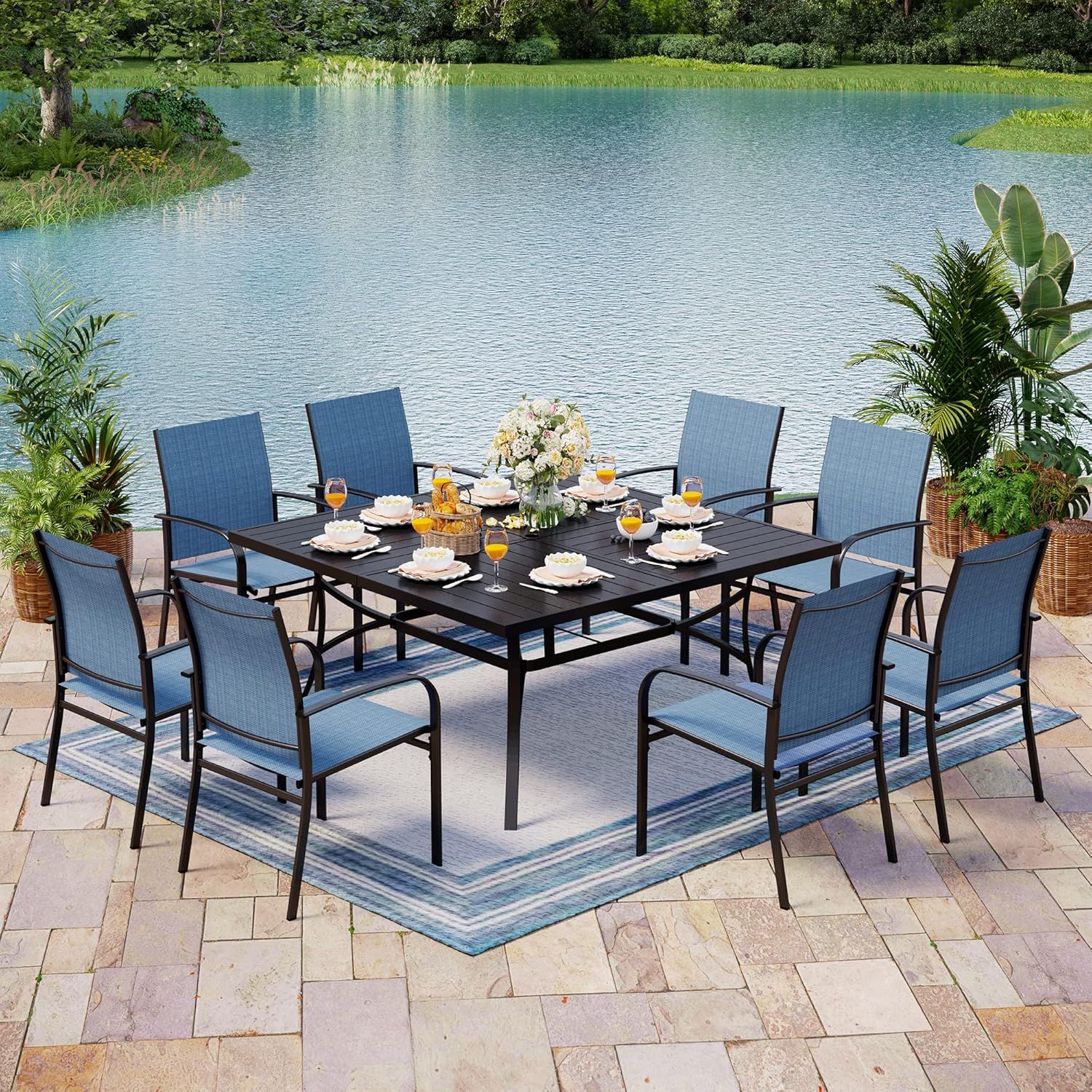
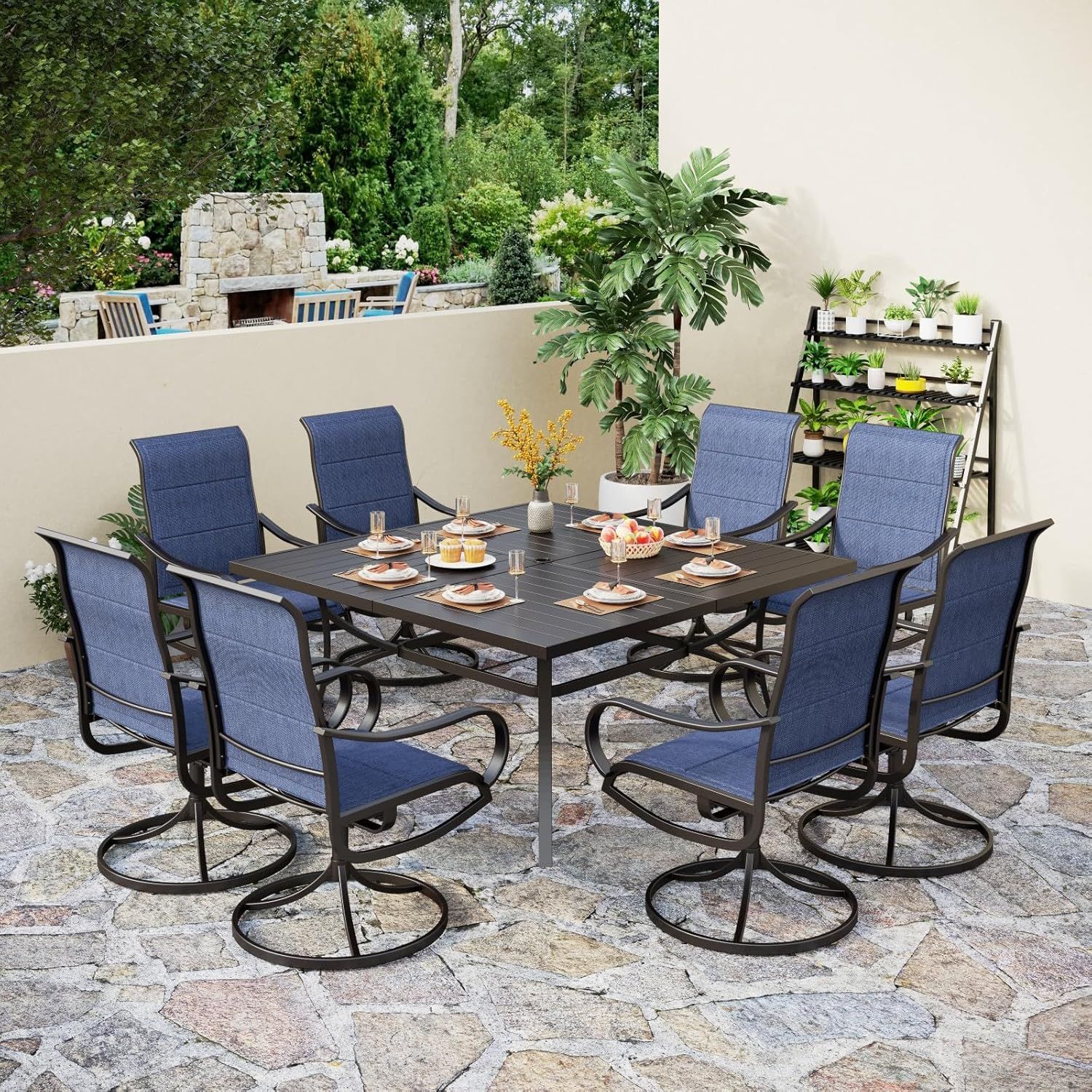
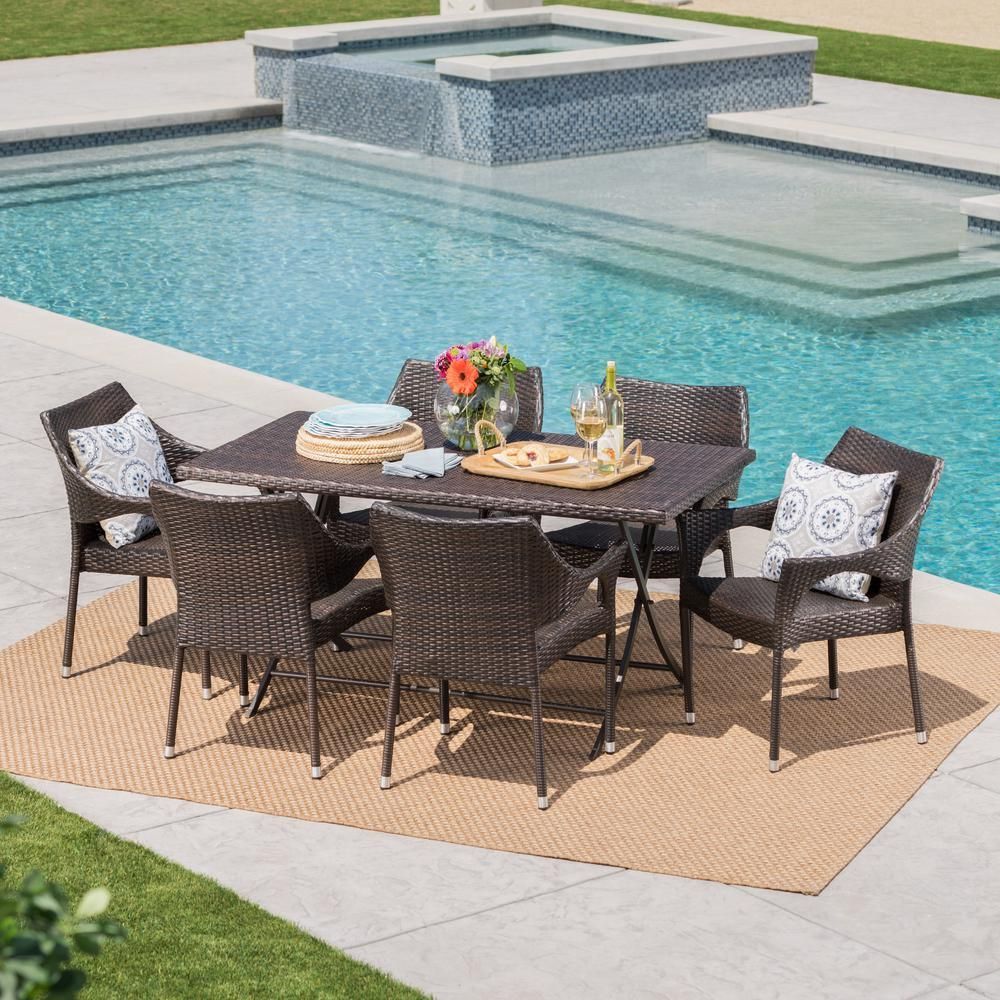
There is a specific kind of heartbreak that happens when you bring home a beautiful, sprawling outdoor dining set, only to realize it eats up half your deck while leaving zero room to walk. It happens to the best of us. You see the table, you imagine the laughter, the clinking glasses, the summer nights. Then you try to push the chairs in, and suddenly, you are stuck in a corner, elbow-to-elbow with a potted plant.
It is a nightmare we all want to avoid.
In 2026, outdoor living isn’t just about having a table; it is about crafting a flow. We are talking about spaces that breathe, where guests can move freely without stepping on toes or knocking over drinks. The old rules of thumb are changing. Today, we are going to look at the math behind the magic, but don’t worry, we are keeping it simple. No confusing formulas, no engineering degrees required. Just a tape measure, some common sense, and a whole lot of vision for your future gatherings.
The Foundation: Measuring the Blank Canvas
Before you even think about looking at catalogs or scrolling through endless online shops, you need to know exactly what you are working with. Start by grabbing your tape measure and looking at the area where you plan to set up shop. It sounds obvious, but many people skip this and just eyeball it. That is where the trouble starts.
Grab a piece of chalk or some painter’s tape. If your patio is a weird shape, like a circle or a rectangle with a cut-out corner, measure the longest and widest points first. Then, try to find the biggest square or rectangle that fits inside that shape. This is your usable zone. You want to know the hard limits. Are there permanent obstacles? Maybe a grill, a built-in fire pit, or those stubborn support columns that never go away. Mark those spots clearly on the ground.
Once you have the boundaries, measure the length and width of that usable zone. Write it down. Do not trust your memory. I have seen people measure twice and still get it wrong because they forgot to account for a door swing or a sliding glass track. Be thorough. Get the numbers down on paper so you have a concrete starting point for everything else.
The Golden Rule of Clearance
Okay, so you have the room size. Now, what about the furniture? Here is where the magic happens. The most common mistake people make is measuring only the table and chairs themselves. They forget the people moving around. A table might fit, but if no one can get out of their chair without bumping into something, it is not going to be a pleasant dinner.
The general rule that has held true for years, and is still the gold standard in 2026, is to add three feet (36 inches) to each side of the table. This gives you a comfortable walkway for general traffic. If you are in a tight spot, you might get away with two feet (24 inches), but only if you are sure no one is walking behind seated guests often. Think about how you want to move. Do you need to pass behind someone to get a drink? Do you need room to serve the food from the side?
If you have a large group coming over, that three-foot rule is even more critical. You want to be able to pull a chair out without it hitting the railing or the neighbor’s planter. It is about comfort. When you have enough space, people relax. They lean back, they stretch their legs, they stay longer. When you are cramped, everyone is tense and hyper-aware of their surroundings.
Sizing the Table for Your Crew
Now let’s talk about the centerpiece. You want a large dining set, which usually means you are hosting a crowd. The size of your table depends entirely on how many people you regularly host. For a group of four to six people, a standard medium-sized patio space of about 10 to 16 feet long and wide is usually perfect. But you need to know the dimensions of the table itself.
Each chair needs about 18 to 24 inches of space from the table edge to the back of the chair when someone is seated. That is the absolute minimum for comfort. If you are using wide, deep lounge-style chairs, you might need even more room. Think about the width of the chair plus the space needed for legs to wiggle. It is not just about the seat width; it is about the footprint of the whole person.
If you are planning for a big family reunion or a weekly get-together, consider a round table. They often fit better in tight spaces because there are no sharp corners to bump into, and they encourage conversation. A square or rectangular table is great for long dining rooms, but make sure you have enough space on the ends too. Don’t just focus on the sides. The ends matter just as much when you are trying to serve dishes or when someone wants to get up and stretch.
Handling the Weird Shapes and Obstacles
Not every patio is a perfect rectangle. Some are rounded, some have steps, and some have weird nooks where the fence turns. Dealing with irregular outdoor spaces can be a challenge, but it is not impossible. The key is to adapt your measurements to the space, not the other way around.
If you have a rounded patio, measure for the largest square or rectangle that fits within that circle to get a usable measurement. Do not try to force a huge rectangular table into a corner where the curve is tight. It will look awkward and feel cramped. Instead, look for a shape that flows with the architecture of your home. Maybe a smaller round table works better there, or perhaps you need to split the space into two zones.
Use painter’s tape to mark out the furniture layout on the ground before you buy anything. This is a game-changer. You can actually walk around it, sit in the "chairs" (even if they are just placeholders), and see how it feels. You might be surprised to find that you need to shift the table a few inches to the left to make room for a sliding door to open fully. If you are unsure about a specific angle, just measure the diagonal. It helps you visualize the true scale of the room.
The Flow and Future-Proofing Your Layout
In 2026, we are thinking about more than just where the table goes. We are thinking about the flow. How does traffic move through the space? Are you connecting your dining area to a kitchen, a lounge, or a pool? You want to create a path that feels natural. If you are serving food from a grill, make sure there is a clear line of sight and a clear path for the server to walk without weaving around seated guests.
Consider the future too. Maybe you will get more friends next year. Maybe you will buy a bigger umbrella. Leave a little extra breathing room if you can. It is better to have a table that fits comfortably now with a little extra space than to squeeze in the maximum number of chairs and regret it later. You can always bring in extra stools or benches if guests arrive, but you cannot add space that isn’t there.
Also, think about maintenance. Do you want to be able to sweep the floor easily? Will the furniture need to be covered during winter? If you are using heavy covers, you need to be able to pull them off and put them back on without knocking over everything. A little extra space now saves you a lot of hassle later. It makes the whole experience of outdoor living feel effortless rather than like a chore.
Visualizing the Final Look
Once you have your numbers, take a step back. Look at the tape on the ground. Does it feel right? Sometimes the math works, but the feel is off. Try to imagine a full dinner party. Can you see the wine bottles on the table? Can you see the napkins? Can you see the light from the string lights or lanterns?
If you are still unsure, do a dry run. Bring in some cardboard boxes or old chairs to represent the dining set. Sit at the "table." Stand up. Walk around. If you feel like you are in a box, you need to rethink the layout. Maybe you need a smaller table. Maybe you need to move the table closer to the house. Trust your gut. If it feels cramped, it probably is.
The goal is to create a space that invites you to stay. It should feel open, airy, and welcoming. When you get the measurements right, the furniture will seem to float in the space rather than clutter it. You will feel free to move, to serve, to chat, and to just enjoy the moment. That is what it is all about.
Measuring your space for a large outdoor dining set is more than just math. It is about planning for the memories you want to make. It is about ensuring that when your friends and family arrive, they feel comfortable and relaxed from the moment they step outside. By measuring carefully, respecting the clearance rules, and visualizing the flow, you can avoid the pitfalls that trip up so many others.
Take your time. Be thorough. Use that painter’s tape. It is a small investment of time that saves you from a huge headache later. In 2026, we have more options than ever, but the most important tool you have is still a simple tape measure and a clear head. With the right space, you will have a dining area that becomes the heart of your home, filled with laughter and good food for years to come.