You know the drill. It’s early spring. The sun is finally peeking out, and you’re dreaming of morning coffee on the deck. You scroll through a big-box store website, eyes landing on a shiny aluminum bistro set for $199. It looks okay. Maybe even cute. So you click buy. Fast forward to August. That same chair is wobbly. The fabric is faded to a weird shade of beige-gray. And by next year? It’s probably sitting at the curb, waiting for trash day. Again.
We’ve all been there. It’s tempting to treat outdoor furniture like disposable decor. After all, it sits in the rain. It bakes in the sun. Why spend a fortune on something that gets dirty? But here’s the thing: cheap patio furniture isn’t just a bad financial move. It’s a vibe killer. It makes your beautiful backyard feel temporary. Unloved. Like a waiting room instead of a retreat.
In 2026, the conversation is shifting. People are tired of the churn. They’re realizing that buying one great piece is better than buying three mediocre ones. This isn’t about snobbery. It’s about value. It’s about creating a space that feels good, looks good, and actually lasts. Let’s talk about how to break the cycle of cheap buys and invest in styles that stand the test of time.
The Hidden Cost of "Bargain" Buys
Let’s do some quick math. Say you buy a $300 resin wicker set. It looks fine for the first season. But by year two, the wicker is cracking. The cushions are flat. You replace it. That’s $600 spent in two years. Now compare that to a $800 powder-coated aluminum set. It costs more upfront, sure. But it lasts ten years. Maybe fifteen. Suddenly, the "expensive" option is way cheaper per year.
But it’s not just about dollars. Think about the hassle. The trips to the store. The assembly. The disappointment when something breaks right before a party. Cheap furniture creates stress. It demands constant attention. High-quality pieces? They just work. You sit down. You relax. You don’t worry about whether the leg will snap off.
There’s also the environmental angle. We’re all trying to be a bit more conscious in 2026. Throwing away furniture every few years generates a ton of waste. Most cheap patio sets aren’t recyclable. They end up in landfills. Investing in durable materials like teak or heavy-gauge aluminum means less waste. It’s a small choice, but it adds up. Plus, well-made furniture often has repairable parts. A cushion can be re-covered. A bolt can be tightened. It’s designed to live a long life.
Materials That Actually Last Outside
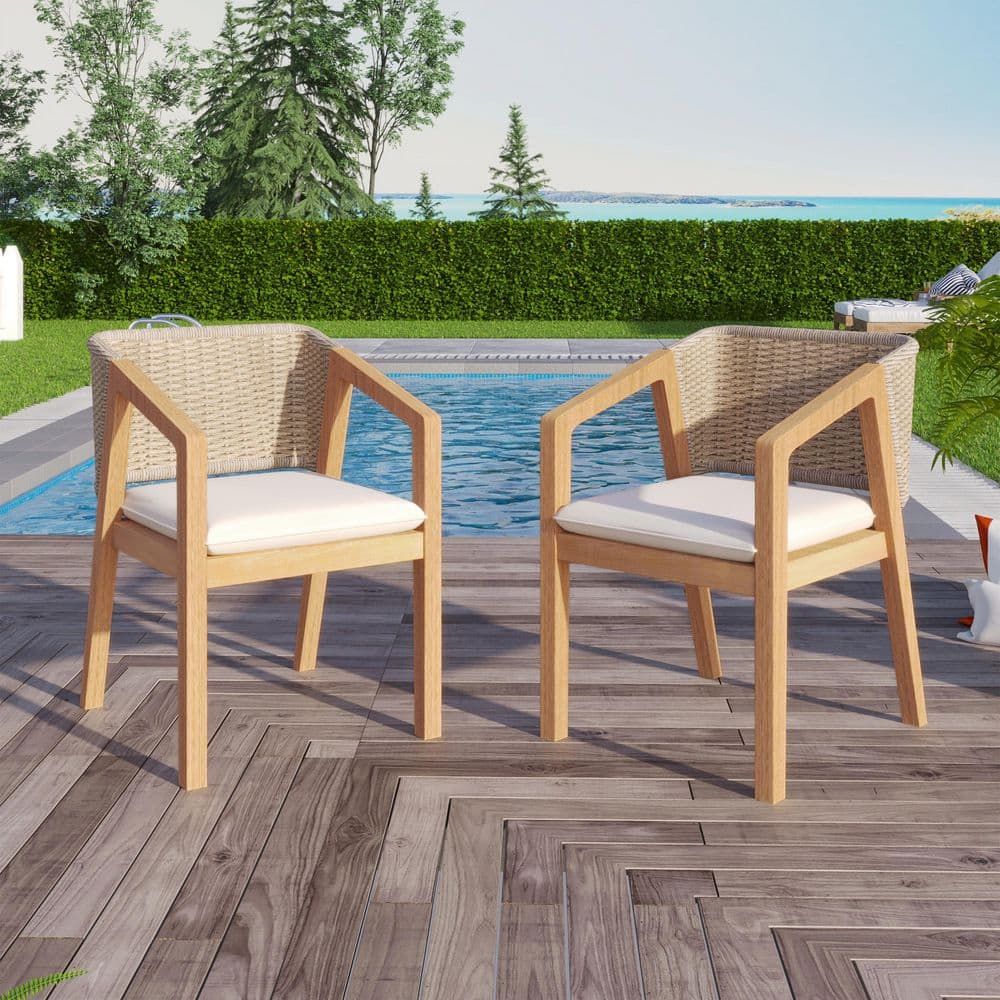
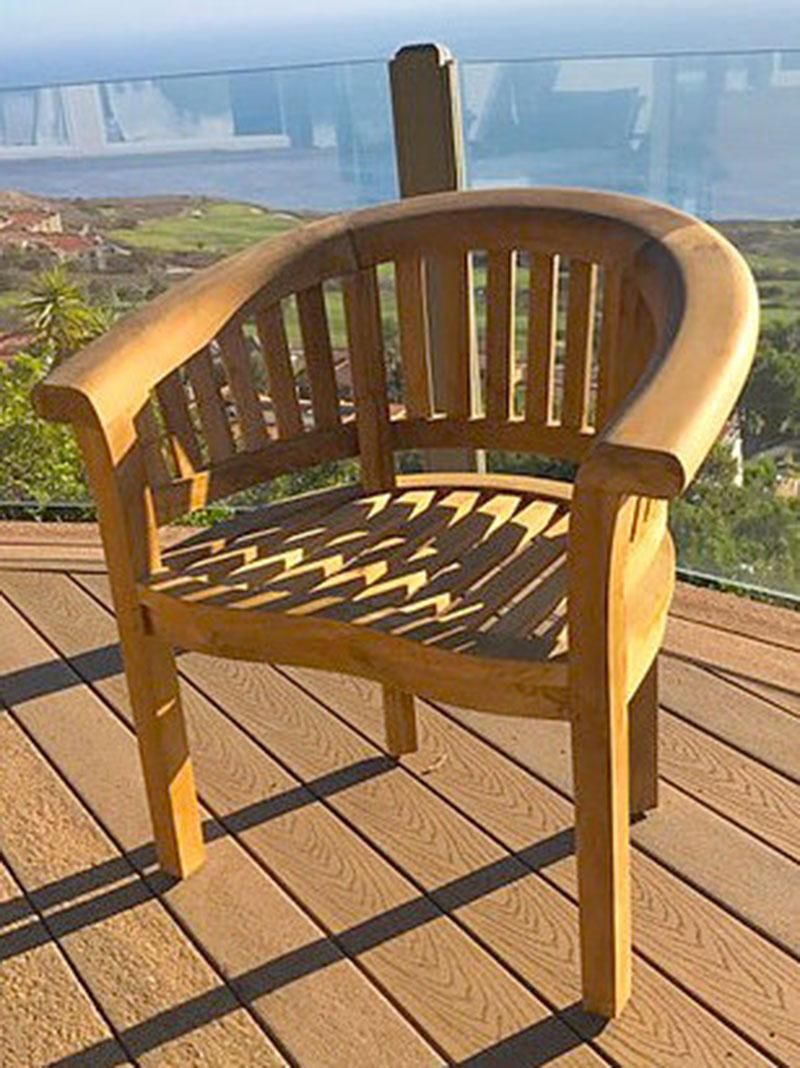
So, what should you look for? Not all "outdoor" materials are created equal. Some are built to survive. Others are built to sell. First up: teak. This wood is the gold standard for a reason. It’s naturally oily, which means it resists rot and insects without needing chemicals. Over time, it turns a lovely silvery-gray if you leave it alone. Or you can oil it to keep the warm honey color. Either way, it’s tough as nails.
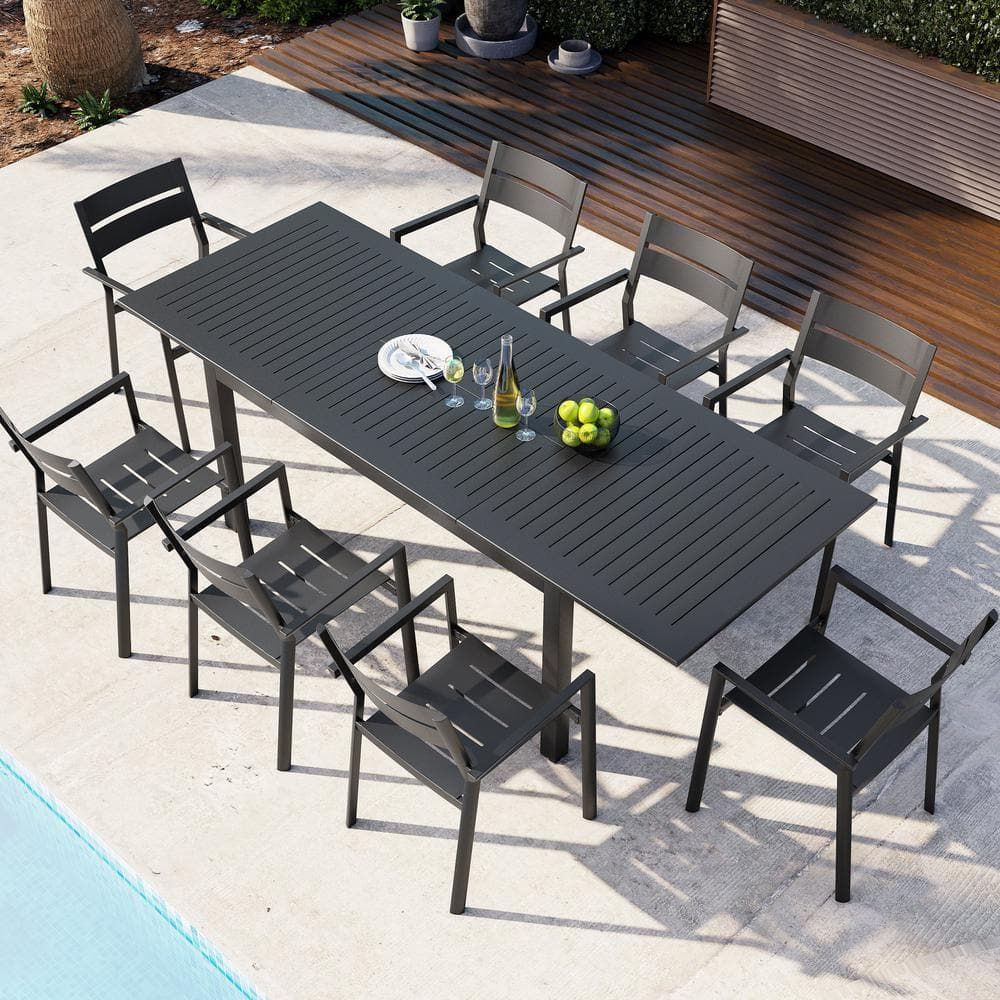
Then there’s powder-coated aluminum. Don’t confuse this with flimsy, thin aluminum that bends if you look at it wrong. Good quality aluminum is heavy. The powder coating is baked on, creating a hard shell that resists rust and fading. It’s lightweight enough to move around but sturdy enough to handle wind. It’s also low maintenance. A hose-down is usually all it needs. Perfect for busy folks.
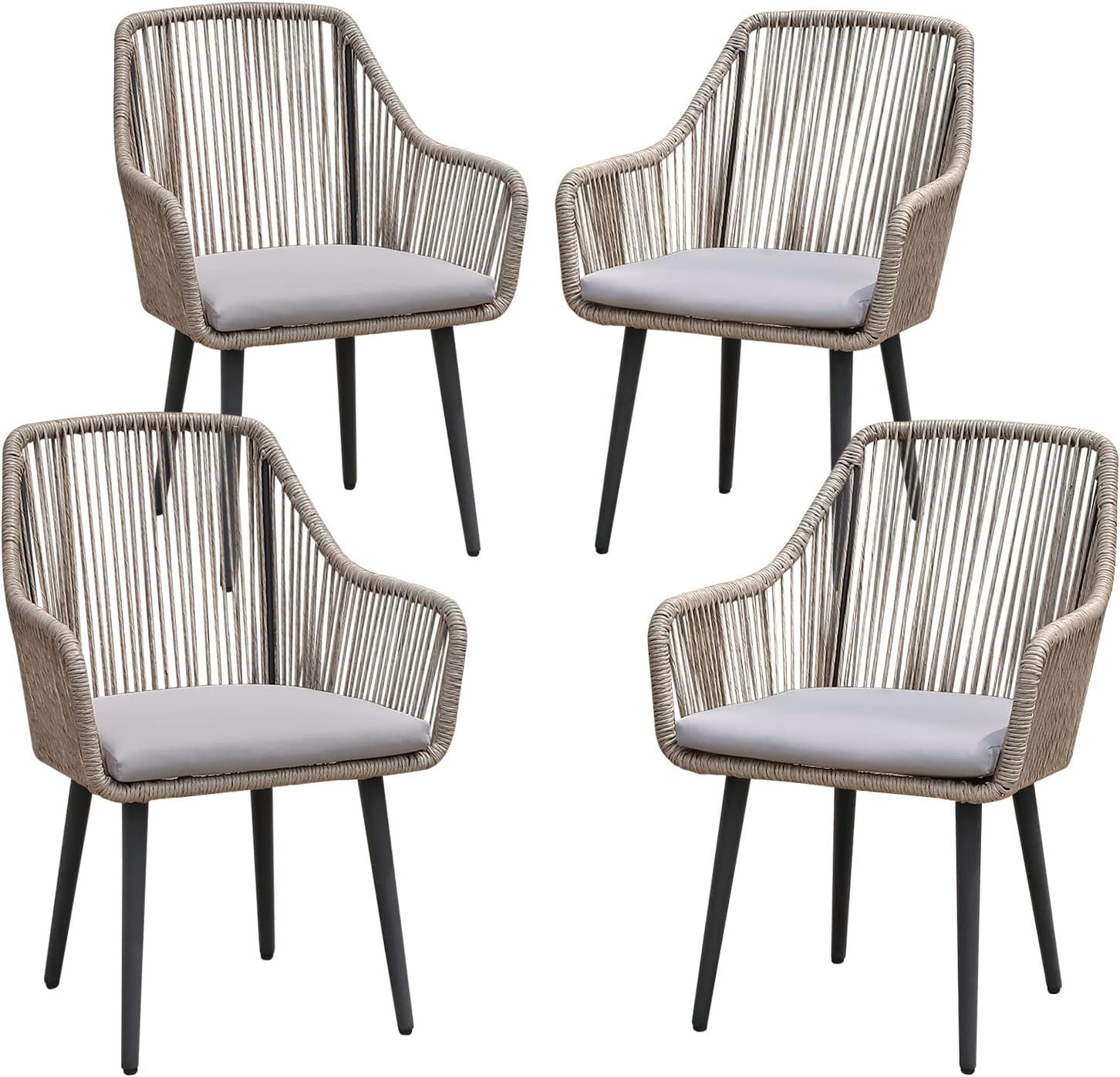
Avoid cheap plastic resins and thin steel. Plastic becomes brittle in the sun. It cracks. Steel rusts quickly unless it’s heavily treated, and even then, it’s risky. If you love the look of wicker, make sure it’s PE (polyethylene) wicker, not natural rattan. Natural rattan falls apart outside. PE wicker is synthetic, UV-resistant, and can handle the elements. Always check the weave. Tight, even weaving means better quality. Loose strands mean trouble ahead.
Timeless Designs That Never Go Out of Style
Trends come and go. Remember when neon orange patio sets were everywhere? Yeah, let’s forget that. To avoid dating your space, stick to classic shapes. Clean lines. Simple silhouettes. Think mid-century modern influences or traditional Adirondack styles. These designs have been around for decades because they work. They don’t scream "2024" or "2025." They just look good.
Neutral colors are your friend here. Whites, grays, tans, and blacks form a solid foundation. They blend with any garden backdrop. If you want pops of color, add them with cushions, pillows, or plants. Those are easy to swap out. Changing a cushion cover is way easier than replacing a whole sofa. This flexibility keeps your space feeling fresh without breaking the bank.
Also, consider scale. Big, bulky furniture can overwhelm a small patio. Tiny, delicate pieces get lost on a large deck. Measure your space. Leave room for movement. A timeless design respects proportion. It doesn’t try too hard. It just fits. Look for pieces with open bases or legs that lift off the ground. This creates visual lightness. It makes the space feel bigger. And it helps with cleaning underneath. Win-win.
Comfort Is King (and Queen)
Here’s a secret: the most beautiful furniture is useless if it’s uncomfortable. You won’t use it. It’ll just sit there, looking pretty and gathering dust. So, test before you buy if you can. Sit in it. Lean back. Does it support your lower back? Are the arms at a good height? If you’re buying online, read reviews specifically about comfort. Look for comments on cushion density.
High-resilience foam is key. Cheap cushions use low-density foam that flattens fast. Good cushions bounce back. They hold their shape. Also, pay attention to the fabric. Solution-dyed acrylics like Sunbrella are industry leaders. They’re fade-resistant, water-repellent, and easy to clean. In 2026, there are even more eco-friendly options hitting the market, made from recycled plastics. They perform just as well and feel softer.
Don’t skimp on the extras either. Throw pillows add layers of comfort. An outdoor rug defines the space and feels nice underfoot. These touches make your patio feel like an extension of your living room. They invite you to stay longer. To read that book. To have that second glass of wine. Comfort turns a patio into a home.
Maintenance Myths Busted
People avoid quality furniture because they think it’s high maintenance. Honestly? It’s the opposite. Cheap furniture requires constant fixing. Quality furniture needs basic care. Teak might need oiling once a year if you want to keep the color. If you like the gray look, you do nothing. Just wash it with soap and water. That’s it.
Aluminum needs a rinse now and then. Maybe a mild detergent if it gets dusty. Cushions should be stored during harsh winters or heavy rain storms if possible. But many modern fabrics are designed to stay out all year. Check the manufacturer’s guidelines. Usually, it’s simple stuff. Brush off debris. Spot clean stains. Done.
The key is consistency. Don’t wait until things are grimy. A quick wipe-down after a storm takes five minutes. It prevents buildup. It keeps everything looking new. Think of it like brushing your teeth. Small effort, big reward. And remember, patina is okay. A little weathering shows your furniture has lived. It has character. Embrace it. Perfection is boring.
You don’t need to spend a fortune at high-end boutiques. But you do need to look beyond the clearance aisle. Specialty outdoor retailers often carry better brands. Look for companies that specialize in outdoor living. They understand the materials. They offer warranties. A good warranty is a sign of confidence. If a company stands behind their product for five years, they probably built it to last.
Online marketplaces have improved too. Many direct-to-consumer brands now offer high-quality pieces at lower prices by cutting out middlemen. Read the specs carefully. Look for details like frame thickness, fabric type, and joinery. Dovetail joints or welded seams are stronger than screws alone. Ask questions. Customer service can tell you a lot about a brand.
Consider vintage or second-hand options too. Old teak furniture can be restored beautifully. Sand it down. Oil it. It looks amazing. This is sustainable and unique. You get a one-of-a-kind piece with history. Just inspect it for structural damage. Wobbly legs can be fixed, but rotten wood is a no-go. With a little elbow grease, you can find gems that outperform new cheap sets.
Breaking the habit of buying cheap patio furniture feels scary at first. The price tag stings. But once you make that first quality purchase, you’ll never go back. You’ll notice the difference immediately. The sturdiness. The comfort. The way it elevates your entire outdoor experience. It’s not just furniture. It’s an investment in your daily life. In your peace of mind.
So this season, pause before you click "buy." Look for materials that endure. Choose designs that age gracefully. Prioritize comfort. Your future self will thank you. Imagine sitting on your patio five years from now, sipping coffee, knowing your chairs are still solid. Still beautiful. Still yours. That’s the power of buying well. It’s time to stop replacing and start enjoying.