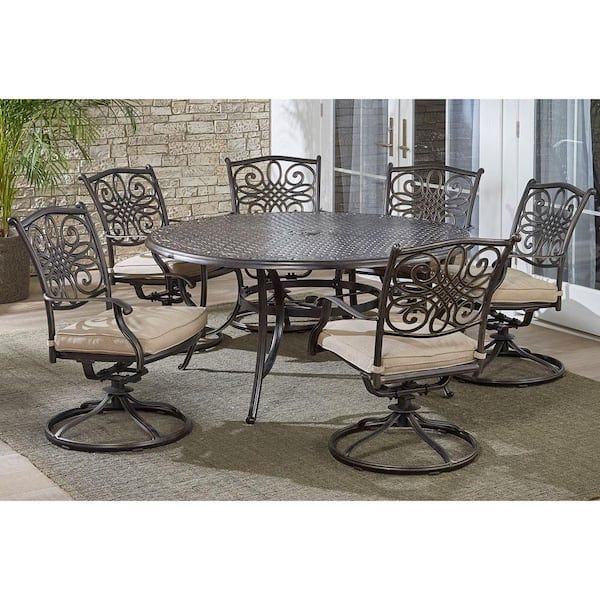
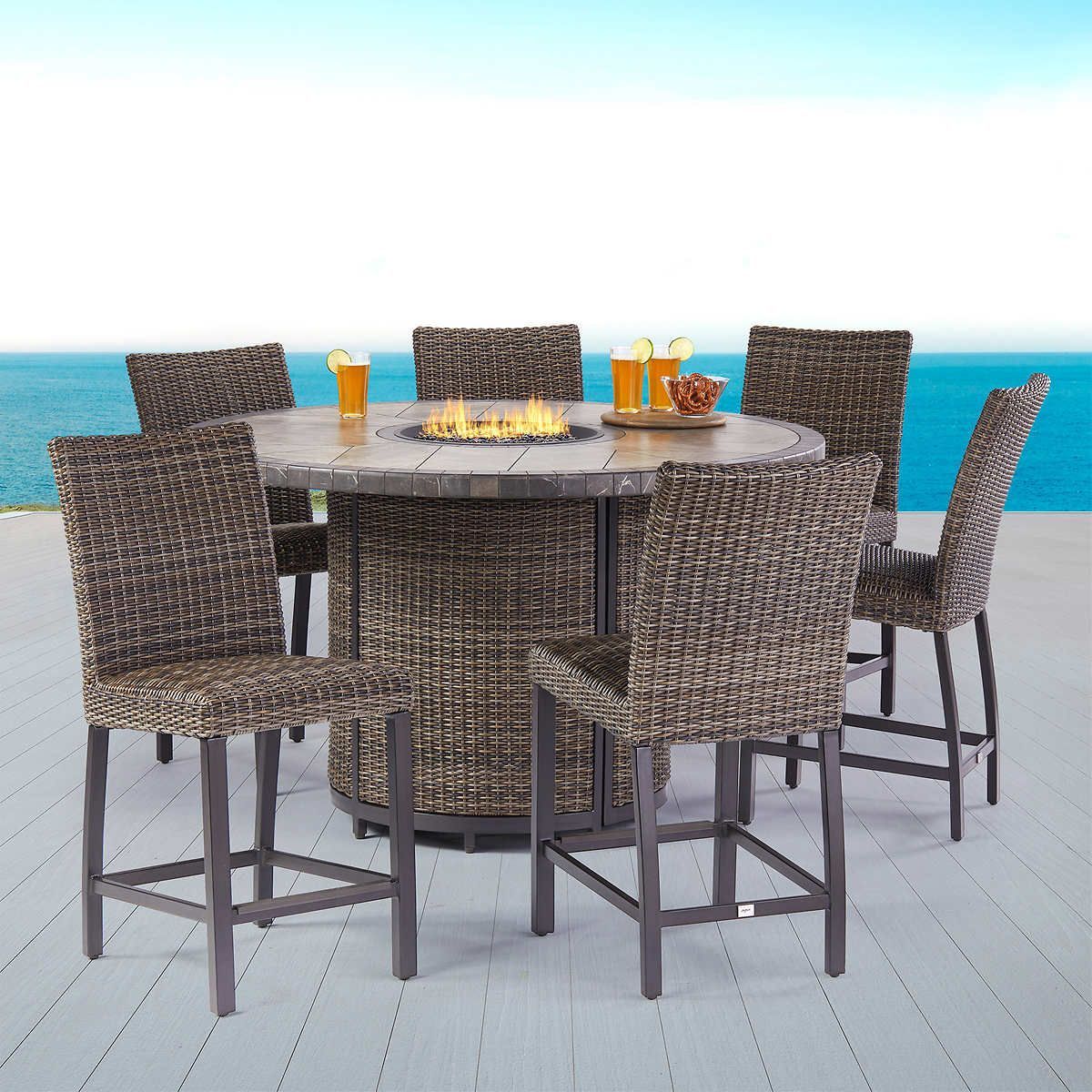
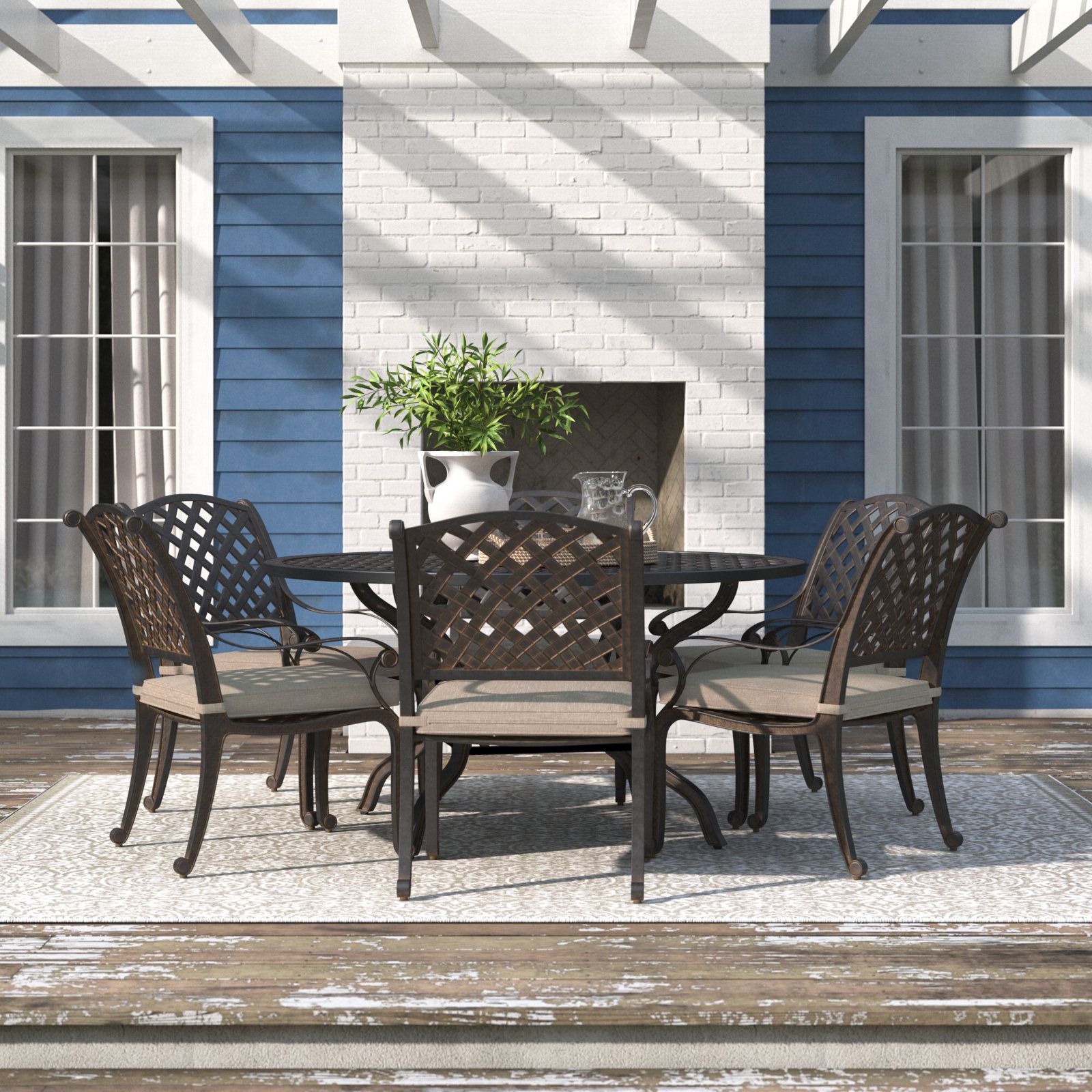
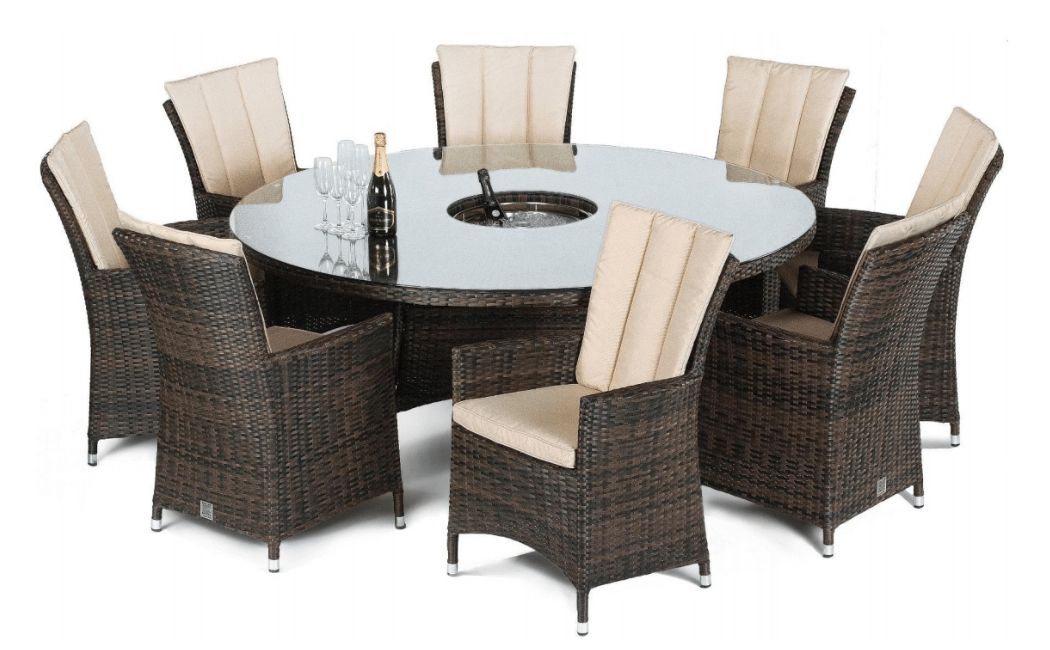
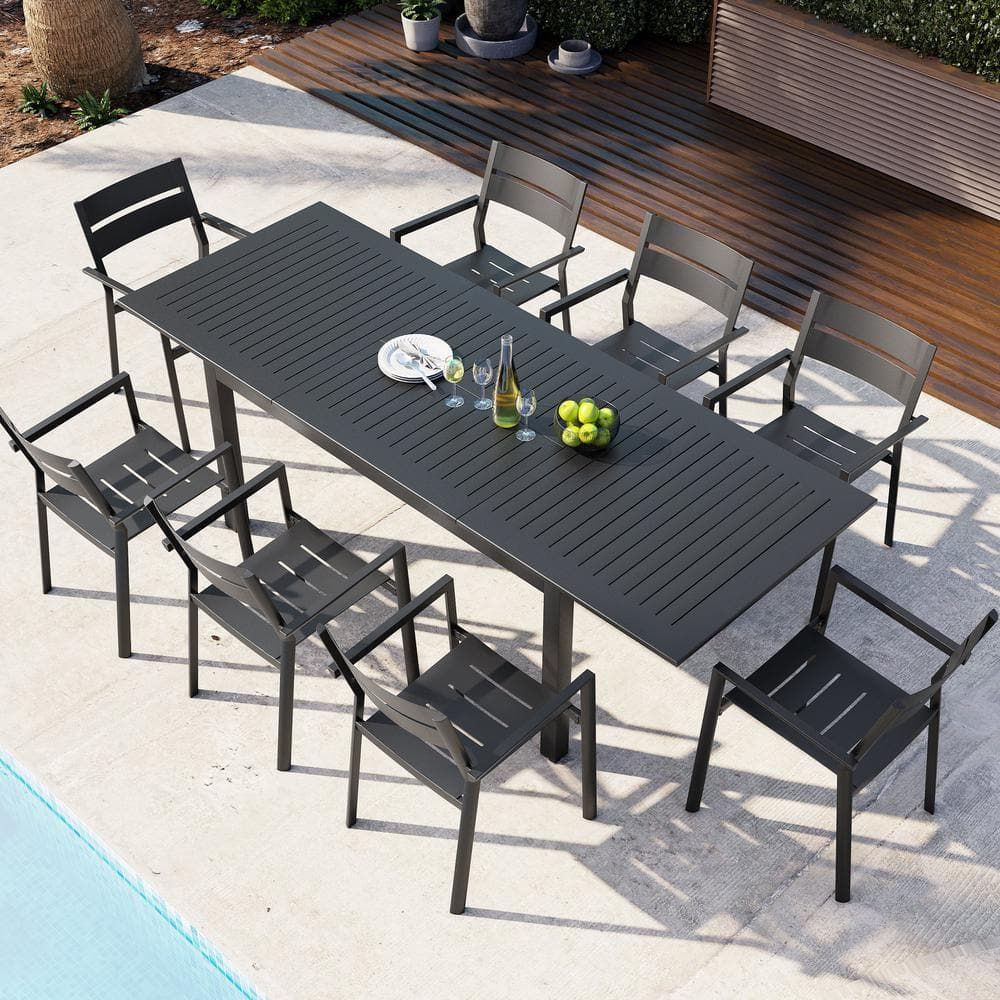
There is something undeniably magnetic about a round table. It pulls people in. Literally. When you sit at a rectangular table, you are often staring at the back of someone’s head or shouting across a void to the person at the other end. But a circle? A circle is democratic. It says everyone matters equally. In 2026, as we continue to value genuine connection over flashy displays, the humble round dining set has become the heart of the modern patio. It is not just furniture; it is an invitation to lean in, share stories, and linger over dessert.
But owning the set is only half the battle. You can have the sturdiest teak or the sleekest aluminum frame, yet if the styling feels sterile, the vibe will be off. We are talking about those quiet Tuesday nights with your partner, or that small dinner party with three close friends where the conversation flows as easily as the wine. This is about intimacy. It is about creating a space that feels like a warm hug rather than a showroom floor. Let’s dig into how you can transform that 7-piece set—usually one table and six chairs—into a sanctuary for meaningful moments.
Choosing the Right Foundation and Flow
Before you even think about napkins, you have to look at the bones of your setup. A 7-piece round set typically features a table that seats six comfortably, which is perfect because it leaves room for movement without feeling cramped. The first step is placement. You do not want this table floating in the middle of nowhere unless you have a massive estate. For intimate gatherings, proximity creates comfort. Tuck it near a wall, under a pergola, or beside a lush garden bed. This creates a sense of enclosure, a "room" without walls.
Consider the material of your chairs. If you have hard metal or wood frames, you are going to need cushions. In recent years, the trend has shifted toward high-performance fabrics that feel like indoor upholstery but resist mold and fading. Think deep, plush seat pads in neutral tones like oatmeal, slate, or terracotta. These colors ground the space. They do not compete with the food or the sunset. If your set comes with an umbrella, use it. Even in the evening, a cantilever umbrella can define the space overhead, making it feel like a ceiling. It adds vertical interest and makes the area feel protected and cozy.
Also, pay attention to the spacing between chairs. With six chairs around a round table, it can get tight. Ensure there is enough gap for people to slide in and out without knocking elbows. If your set allows, angle the chairs slightly outward when not in use to invite people in. It sounds small, but these micro-adjustments signal hospitality. You are telling your guests, "There is room for you here." That psychological cue is powerful. It sets the tone before anyone even sits down.
Lighting That Whispers, Not Shouts
Lighting is make or break. Harsh overhead lights kill intimacy faster than anything else. You want glow. You want flicker. You want shadows that dance gently. In 2026, LED technology has advanced so much that you can get warm, dimmable options that last forever and use barely any energy. Start with string lights. Drape them loosely above the table in a zig-zag pattern or create a canopy effect. Keep the bulbs large and Edison-style for that vintage warmth. The goal is to keep the light source below eye level or well above, never directly in anyone’s face.
Candles are non-negotiable for intimate settings. But please, skip the tiny tea lights that disappear on a large table. Go for pillar candles of varying heights grouped in the center, or lanterns with real flame (or realistic flameless ones if you are worried about wind). The flicker of a candle mimics the rhythm of breathing. It calms the nervous system. Place them in glass hurricanes if you are in a breezy spot. This protects the flame and adds a layer of reflection that amplifies the glow.
Do not forget the periphery. If you have nearby plants or a fence, wrap some fairy lights around them. This draws the eye outward and makes the space feel larger yet still contained. Avoid white or blue-toned lights; they feel clinical. Stick to amber, soft white, or even a very subtle warm pink if you want a romantic edge. The key is layering. Combine the overhead string lights with the table-level candles and maybe a small floor lamp in the corner if you have space. This depth of light creates a bubble of warmth that separates your gathering from the dark world outside.
Textiles and Texture for Softness
Outdoor spaces can feel hard. Stone floors, metal chairs, wooden tables. It is a lot of rigid surfaces. To create intimacy, you need to introduce softness. This is where textiles come in. Start with a table runner. Unlike indoor dining, you do not need a full tablecloth outdoors—it blows away and gets dirty too fast. A long, textured runner down the center anchors the place settings and adds a splash of color or pattern. Choose materials like cotton-linen blends or outdoor-specific acrylics that feel soft to the touch.
Next, look at the chairs. If your set does not have built-in cushions, buy them. Thick, tufted cushions change the entire experience. They encourage people to slouch, to relax, to stay longer. Add throw pillows if the chair backs allow it. Mix patterns but keep the color palette cohesive. For example, if your runner is sage green, use pillows with subtle leaf patterns or solid creams. The texture is important too. Think woven textures, chunky knits (made from weather-resistant yarn), or smooth silks. Contrast is key. Smooth table against rough runner. Hard chair against soft pillow.
In cooler months, have a basket of blankets nearby. Nothing says "stay awhile" like offering a guest a cashmere-blend throw when the evening air turns crisp. This tactile element engages the senses. When people feel physically comfortable, they open up emotionally. It is simple psychology. By softening the hard edges of your 7-piece set, you are removing barriers. You are creating a nest. And in that nest, conversations deepen. Memories are made. It is not just about looking good; it is about feeling good.
Centerpieces That Spark Conversation
The centerpiece should not block eye contact. That is the golden rule. Since you are aiming for intimacy, you want people looking at each other, not hiding behind a massive floral arrangement. Keep it low. Think horizontal rather than vertical. A long, shallow bowl filled with moss, succulents, and scattered stones works beautifully. Or perhaps a cluster of small potted herbs like rosemary, thyme, and basil. Not only do they smell amazing, but guests can also pluck a sprig to add to their drink or food. It becomes interactive.
Seasonality matters. In spring, use budding branches in low vases. In summer, go for vibrant citrus fruits piled in a wire basket. Fall calls for gourds, dried wheat, or pinecones. Winter might feature evergreen boughs and berries. By changing the centerpiece with the seasons, you keep the space feeling fresh and alive. It shows care. It shows that you are present in the moment. In 2026, there is a big push towards sustainable decor, so using natural, biodegradable items is both stylish and responsible.
Avoid clutter. A round table has limited surface area. You have plates, glasses, cutlery, and maybe a serving dish. If the centerpiece is too bulky, there is no room for food. Keep it minimal. One striking element is better than five mediocre ones. A single large ceramic vase with one dramatic branch can be more impactful than a dozen small flowers. Let the negative space breathe. This emptiness allows the focus to remain on the people and the food. It reduces visual noise, which helps reduce mental noise. Calm visuals lead to calm minds.
Tableware That Feels Personal
Plastic plates have their place, but not here. For intimate gatherings, you want weight. You want texture. Use melamine or high-quality bamboo if you are worried about breakage, but choose designs that mimic ceramic or stone. Earthy tones work best. Speckled grays, warm whites, deep blues. These colors hide minor stains and look sophisticated under candlelight. Avoid bright, neon colors unless that is your specific brand of fun. For intimacy, subtlety is king.
Napkins should be cloth. Yes, even outdoors. A linen napkin feels luxurious. It signals that this meal matters. Roll them simply or tie them with a piece of twine or a fresh sprig of lavender. It takes ten seconds but adds a huge touch of thoughtfulness. Cutlery should be sturdy. Lightweight plastic forks feel cheap and disposable. Invest in some nice stainless steel or bamboo sets that are designed for outdoor use. They hold heat better and feel substantial in the hand.
Glassware is another detail. Stemless wine glasses are practical outdoors because they do not tip over easily. But consider the shape. A wider bowl allows the aroma of the wine to escape, enhancing the sensory experience. For water, use textured tumblers. The way light hits textured glass is beautiful. It catches the candlelight and sparkles. These small details accumulate. They create an atmosphere of care. When guests see that you have thought about the weight of the fork and the feel of the napkin, they feel valued. And when people feel valued, they connect.
The table is the stage, but the surrounding area is the context. What do your guests see when they look up from their plates? If you are facing a blank wall, hang some outdoor art or a mirror. A weather-resistant mirror reflects the greenery and the light, doubling the visual impact of your space. If you have a view, frame it. Arrange the chairs so the best sightlines are accessible to everyone. Do not force someone to sit with their back to the sunset. Rotate the table if needed.
Sound is invisible but vital. Keep music low. Create a playlist of instrumental jazz, acoustic folk, or lo-fi beats. Nothing with heavy lyrics that demand attention. The music should be a backdrop, like wallpaper. It fills the silent gaps in conversation without overpowering them. Use a small, portable speaker hidden in a planter or on a side table. The source should be unseen. This maintains the illusion of natural ambiance.
Finally, consider scent. We already mentioned herbs in the centerpiece, but think bigger. Jasmine vines climbing a nearby trellis. Citronella candles that smell like lemongrass rather than chemicals. The smell of charcoal if you are grilling nearby. Scent triggers memory more strongly than any other sense. By curating the olfactory environment, you are anchoring the experience in the guests’ minds. They will remember not just what they ate, but how the air smelled. It completes the immersion. It makes the moment stick.
Styling a 7-piece round outdoor dining set is not about perfection. It is about intention. It is about choosing elements that soften, warm, and invite. In a world that often feels rushed and digital, these analog moments of shared food and face-to-face talk are precious. By paying attention to light, texture, and flow, you create more than a dining area. You create a haven. So go ahead. Light the candles. Fluff the pillows. Pour the wine. The table is ready. The rest is up to you and the people you love.