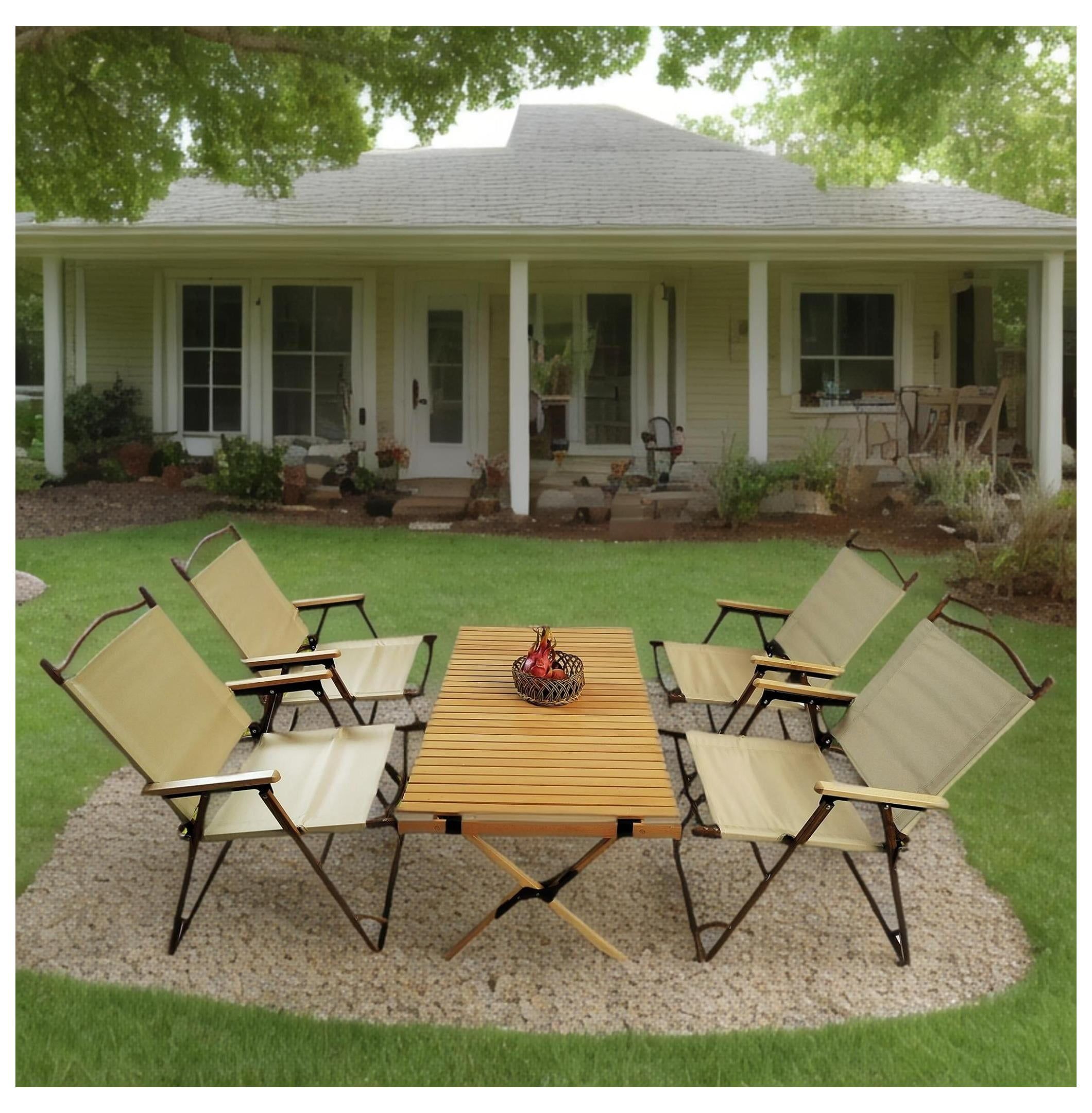
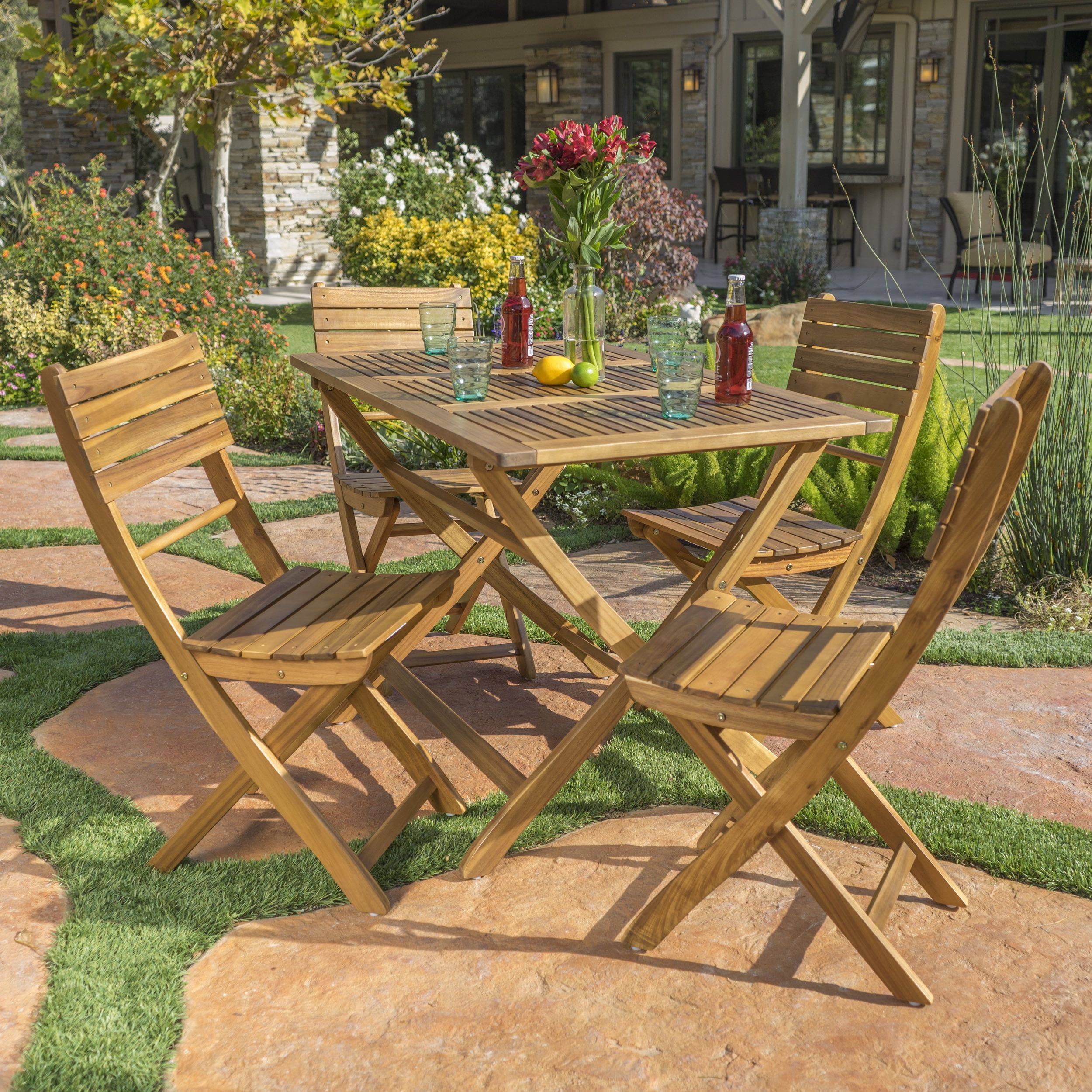
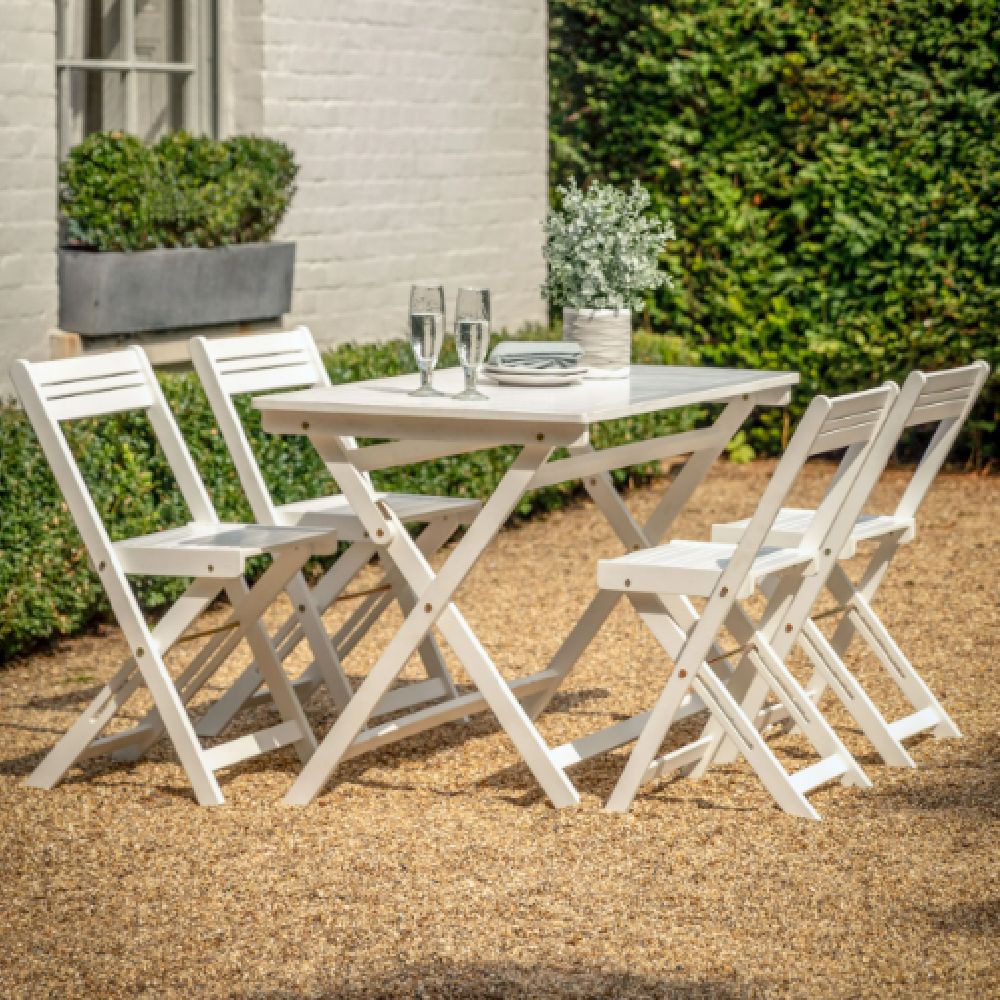
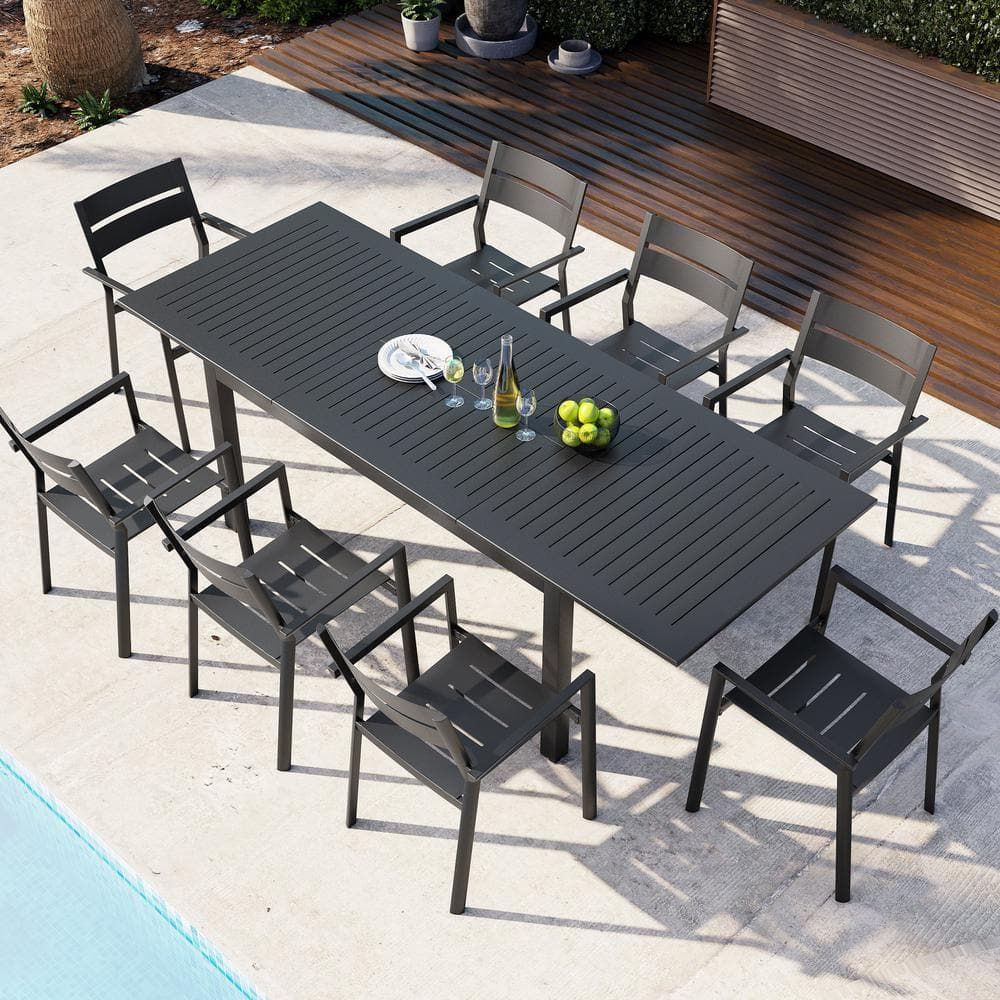
You know the feeling. You’re standing in the aisle of a big-box store, or maybe scrolling through endless tabs on your phone at midnight. You see it. The perfect folding table. It looks sleek, it’s on sale, and it promises to be the hero of your next summer gathering. You buy it. You bring it home. You set it up for that long-awaited dinner party. And then… wobble. Or worse, a leg snaps under the weight of a heavy casserole dish.
It’s frustrating, isn’t it? We’ve all been there. Buying outdoor furniture feels simple enough until you realize that "outdoor" is a harsh environment. Rain, sun, wind, and the occasional clumsy guest don’t care about your budget. They just want to break things. A folding table seems like a low-stakes purchase, but get it wrong, and you’re stuck with a piece of junk that clutters your garage or, even worse, embarrasses you in front of friends.
Let’s fix that. In 2026, the market is flooded with options, from high-tech composite materials to classic aluminum. But the core principles of choosing a good one haven’t changed. It’s not just about price. It’s about fit, function, and longevity. Here are the five biggest mistakes people make when buying their first folding outdoor table, and exactly how you can avoid them so your next purchase is the last one you’ll need for a long time.
Mistake 1: Ignoring the Material’s Relationship with the Elements
The first trap is assuming all "weather-resistant" labels mean the same thing. They don’t. In fact, this is probably the number one reason tables end up in landfills within two years. You might see a table made of cheap steel with a thin powder coating. It looks great in the showroom. But leave it out during a humid July in 2026, and that coating will chip. Once moisture hits the bare metal, rust sets in fast. Suddenly, your white table is bleeding orange streaks onto your patio stones.
On the flip side, some people go too far the other way and buy heavy, solid wood tables that require monthly oiling. If you’re not willing to spend your Saturday afternoons sanding and sealing, don’t buy teak. For a folding table, you want low maintenance. Aluminum is often the sweet spot. It doesn’t rust. It’s light. Modern aluminum alloys in 2026 are incredibly strong and often come with UV-resistant finishes that won’t fade into a chalky mess after one summer.
Then there’s plastic resin. Don’t turn your nose up at it just yet. High-density polyethylene (HDPE) has come a long way. It’s tough, easy to wipe down, and handles temperature swings well. But check the quality. Thin, brittle plastic will crack in the winter cold. Look for tables that specify UV stabilization. If the product description doesn’t mention UV protection, assume it will turn yellow and brittle within a season. Ask yourself: where will this table live? Will it be under a covered porch, or exposed to direct rain and sun? Your answer should dictate the material, not just the price tag.
Mistake 2: Misjudging the Size and Scale of Your Space
Here’s a scenario that plays out every weekend. You measure your deck. You see a table that says "48 inches." You think, "Perfect, that fits." You order it. It arrives. You set it up. And suddenly, your deck looks like a cluttered storage unit. Why? Because you forgot about the chairs. And the walking space. And the grill.
When buying a folding table, context is everything. A table doesn’t exist in a vacuum. It exists in a ecosystem of movement. If you have a small balcony, a massive rectangular table might technically fit, but it will dominate the space. You won’t be able to slide chairs in without hitting the railing. In 2026, modular and adaptable designs are huge for a reason. Consider a round table for tight corners. They take up less visual space and allow for easier flow around them.
Also, think about the folded size. This is crucial. A folding table is only useful if you can actually store it when you’re not using it. Measure your closet, your car trunk, or that awkward corner in the shed. I’ve seen people buy beautiful, sturdy tables that are a nightmare to fold down because the mechanism is bulky. If you plan to take this table camping or to the beach, weight matters too. A 40-pound table is great for a permanent patio spot, but terrible if you need to carry it up three flights of stairs.
Don’t just look at the dimensions on the box. Visualize the use case. Will four people sit comfortably? Can you put a centerpiece in the middle without elbows colliding? If you’re unsure, go smaller. It’s easier to add a small side table later than it is to shrink a monstrosity that blocks your sliding glass door.
Mistake 3: Overlooking the Locking Mechanism and Stability
Let’s talk about the wobble. It’s the enemy of enjoyment. Nothing kills a casual outdoor lunch faster than watching your wine glass tilt precariously every time someone leans on the table. The mistake here is focusing only on the tabletop and ignoring the legs and hinges. The engineering of the fold is what determines the life of the table.
Cheap folding tables often use simple friction hinges or flimsy pins. These wear out quickly. After ten or twenty folds, the legs start to sag. They don’t lock into place firmly. When you’re shopping, look for positive locking mechanisms. You want to hear a distinct "click" or feel a solid snap when the legs open. Some higher-end models in 2026 feature double-braced legs or cross-support bars. These aren’t just marketing fluff; they prevent the table from racking (shifting side-to-side) when weight is applied unevenly.
Test it if you can. If you’re buying online, read the reviews specifically for mentions of stability. Look for comments like "rock solid" or "doesn’t budge." Avoid tables where the legs feel loose even when new. Also, check the feet. Are they flat? Do they have adjustable levelers? Outdoor surfaces are rarely perfectly flat. A table with adjustable feet can compensate for a sloped patio or uneven grass. Without them, you’ll be shimming cardboard under one leg all summer long.
Remember, a folding table undergoes more stress than a static one. Every time you open and close it, the joints take a hit. Quality hardware—stainless steel rivets, robust hinges—is worth the extra cost. It’s the difference between a table that lasts three seasons and one that lasts three decades.
Mistake 4: Chasing the Lowest Price Tag
We all love a bargain. Who doesn’t? But with outdoor folding tables, the cheapest option is often the most expensive in the long run. This is the classic "buy nice or buy twice" dilemma. A $30 table might seem like a no-brainer. But if it rusts out in six months, you’ve wasted $30. If you buy a $150 table that lasts ten years, you’re paying $15 a year. Which is the better deal?
In 2026, the gap between budget and mid-range tables has widened. Budget tables often cut corners on material thickness. The aluminum might be so thin it bends under pressure. The plastic might be recycled fillers that degrade quickly. Mid-range tables invest in better alloys, thicker gauge metals, and superior finishes. You don’t need to buy the most expensive designer brand, but you should avoid the bottom tier of pricing.
Look for sales, sure. End-of-season clearance in late summer is a great time to buy. But don’t let a deep discount blind you to poor quality. Check the warranty. A company that stands behind its product will offer at least a one-year warranty, often more. If there’s no warranty, or if it’s limited to "manufacturing defects" with a vague definition, walk away. That’s a sign they expect it to break and don’t want to pay for it.
Think about value, not just cost. Does the table serve your needs? Is it versatile? Can it handle the weight of your typical gatherings? Sometimes spending an extra $50 gets you a table that folds flatter, weighs less, and looks significantly better. That’s money well spent.
Mistake 5: Forgetting About Maintenance and Storage
This is the silent killer of outdoor furniture. You buy the table. You use it. You love it. Then winter comes. You leave it outside because "it’s weather-resistant." Come spring, it’s covered in mold, mildew, or worse, structural damage from freezing water trapped in the hinges.
"Weather-resistant" does not mean "weather-proof." There’s a difference. Even the best aluminum table will suffer if it’s left submerged in snow or caked in wet leaves for months. The mistake is assuming you can set it and forget it. Folding tables have nooks and crannies where debris accumulates. These spots trap moisture, which leads to corrosion or rot, depending on the material.
Make a plan for storage. If you have a garage, shed, or basement, bring the table inside during the off-season. If you must leave it outside, invest in a high-quality, breathable cover. Not a plastic tarp—that traps condensation and causes mildew. A proper furniture cover allows air circulation while keeping rain and snow off.
Cleaning is also part of the equation. Don’t wait until the table is grimy to wipe it down. A quick hose-off after a dusty windstorm or a spill prevents stains from setting. For aluminum, a mild soap and water solution once a month keeps it looking new. For plastic, avoid abrasive cleaners that can scratch the surface, making it harder to clean in the future. A little bit of effort goes a long way. Treat your table like a tool, not a disposable item, and it will reward you with years of service.
So, how do you pull it all together? Start by assessing your space and your habits. Be honest about how much maintenance you’re willing to do. If you’re lazy (like me), go for aluminum or high-quality resin. If you love tinkering, maybe wood is your jam. Measure twice, not just for the table, but for the storage space too.
When you’re ready to buy, look past the shiny photos. Read the specs. Check the weight capacity. Look for those locking mechanisms. And please, resist the urge to grab the cheapest option on the shelf. It’s tempting, but it’s a trap. Invest in something that feels solid when you touch it. Something that clicks into place with confidence.
In 2026, we have better materials and smarter designs than ever before. There’s no excuse for a wobbly, rusty table ruining your vibe. Take your time. Ask questions. Imagine the table in your space, filled with food and friends. That’s the goal, right? Not just owning a table, but creating moments.
Get it right, and you won’t just have a piece of furniture. You’ll have a reliable partner for every barbecue, every game night, and every quiet morning coffee in the sun. And honestly, isn’t that worth getting right the first time?