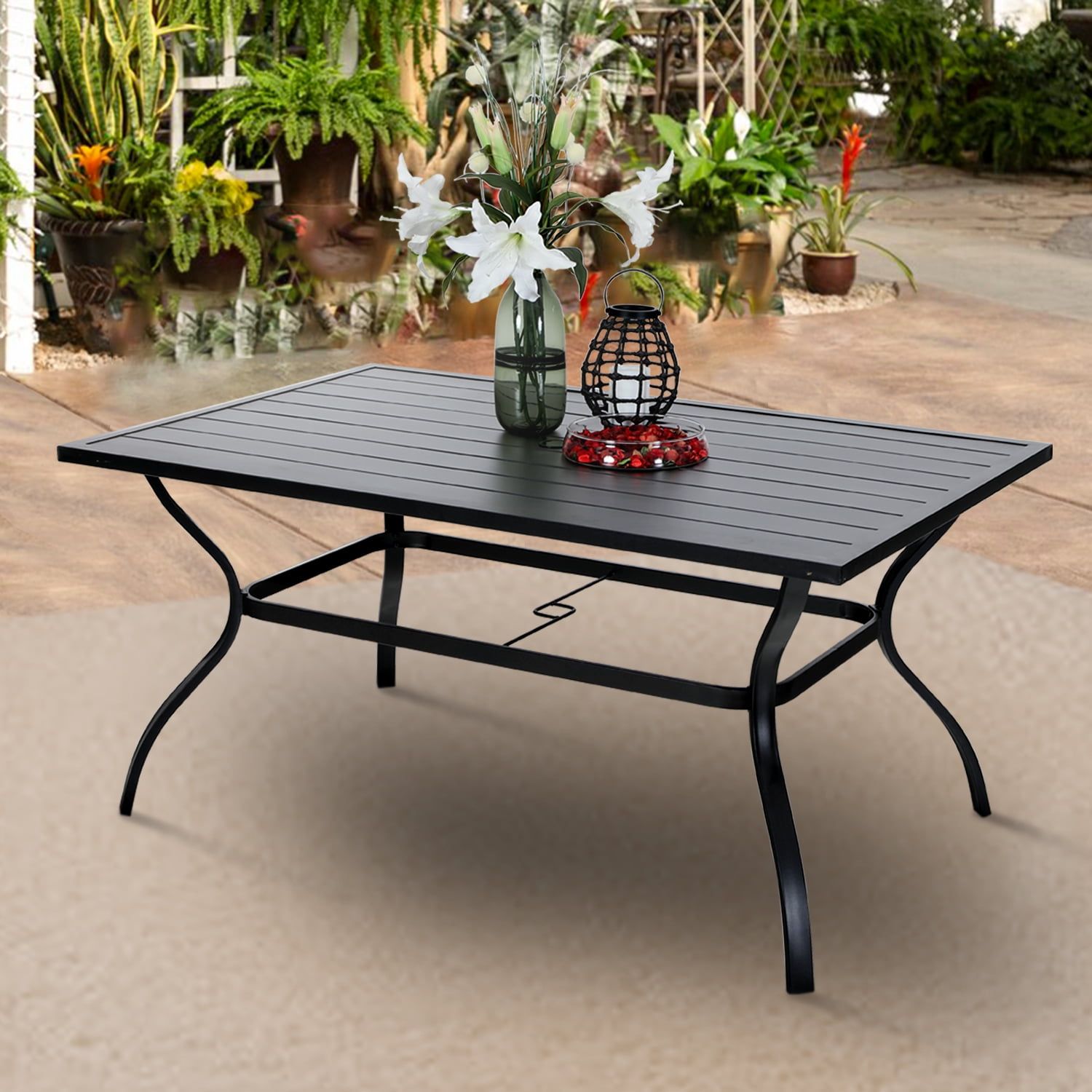
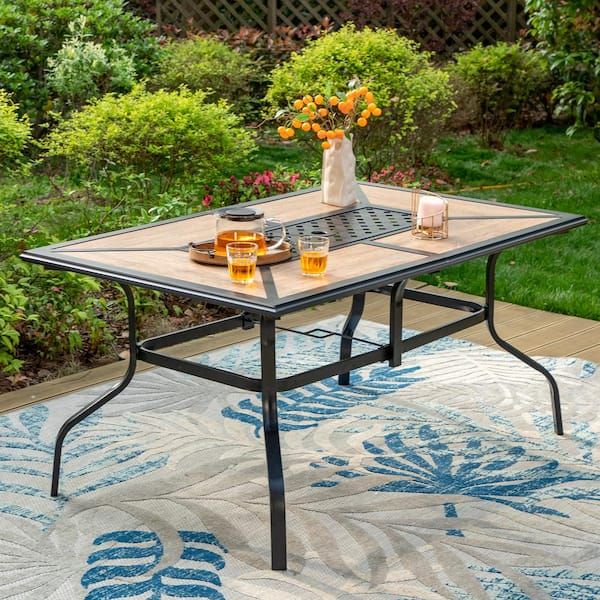
We’ve all been there. You’re scrolling through patio furniture catalogs, dreaming of summer evenings with a glass of wine in hand. Then you see it: that gorgeous, intricate wrought iron set. It looks timeless. Heavy. Substantial. It screams "quality." But then you remember your uncle’s old bench, the one that started bleeding orange rust onto the deck after just two rainy seasons. Suddenly, that romantic iron aesthetic feels a bit like a trap.
It’s 2026, and the conversation around outdoor living has shifted. We aren’t just buying furniture; we’re buying time. We’re buying peace of mind. For decades, wrought iron held the crown as the king of durability. But let’s be honest—was it ever really low maintenance? Or did we just accept the sanding and painting as part of the deal? Today, the tide has turned. Aluminum, specifically cast aluminum, has stepped out of the shadow of its heavier cousin. It’s not just an alternative anymore; for most modern homeowners, it’s the smarter, sharper choice.
Let’s cut through the marketing noise. This isn’t about saying iron is "bad." It’s about understanding why aluminum fits the rhythm of modern life better. It’s lighter, it doesn’t rust, and it looks just as good ten years from now as it does today. If you’re tired of the hype surrounding traditional metals and want the blunt truth about what actually works on a contemporary patio, you’re in the right place. Let’s dig in.
The Weight of Tradition vs. The Lightness of Being
Here’s the thing about wrought iron that nobody mentions until it’s too late: it is incredibly heavy. Like, back-strainingly heavy. If you live in a region with harsh winters, you know the annual ritual. You have to drag those chairs and tables into the garage or shed before the first snowflake falls. It’s a workout. It’s annoying. And if you miss a spot, or if the storage area gets damp, you’re setting yourself up for corrosion issues before spring even arrives.
Cast aluminum changes that dynamic entirely. It’s significantly lighter—often weighing a third or even a quarter of what a comparable iron piece would. Does that mean it feels flimsy? Not at all. High-quality cast aluminum has a substantial feel, but it’s manageable. You can move a chair with one hand to catch the shifting shade of an oak tree. You can rearrange the table for a dinner party without calling in reinforcements. This flexibility is huge for modern patios, which often serve multiple purposes: yoga space in the morning, dining area at night, lounge zone on weekends.
And let’s talk about wind. It sounds counterintuitive, right? Isn’t heavy better for stability? Well, yes and no. Wrought iron stays put because it’s heavy, but if a strong gust does catch it, the sheer mass can cause damage to your deck or the furniture itself upon impact. Aluminum, being lighter, is often designed with wind-resistant shapes or can be easily secured with simple weights if needed. Plus, if you live in a high-rise condo with a balcony, many building codes actually restrict the use of heavy iron due to load-bearing limits. Aluminum slips right under those radar, giving you style without the structural headache.
The Rust Myth and the Reality of Weather Resistance
Let’s address the elephant in the room: rust. Wrought iron is iron. Iron oxidizes. It’s chemistry. No matter how good the powder coating is, eventually, moisture finds a way in. A tiny chip from a misplaced grill tong, a scratch from moving the table, or just the relentless humidity of a coastal summer. Once that protective layer is breached, the metal underneath starts to corrode. Before you know it, you’re looking at orange flakes on your nice clean cushions. It’s a never-ending battle.
Aluminum, on the other hand, doesn’t rust. Period. It forms a natural oxide layer when exposed to air, which actually protects it from further corrosion. This is a game-changer. You can leave aluminum furniture out in the rain, the snow, the salt spray of the ocean—it doesn’t care. In 2026, with climate patterns becoming more unpredictable and storms more frequent, having furniture that can withstand a sudden downpour without panicking is a massive relief. You don’t need to rush outside with tarps every time the sky turns gray.
This weather resistance also means aluminum holds its value better over time. A wrought iron set might look great in year one, but by year five, it often shows signs of wear unless you’ve been meticulously maintaining it. Aluminum looks virtually the same in year ten as it did in year one. For people who view their patio as an extension of their indoor living space, this consistency is key. You want the transition from inside to outside to feel seamless, not like you’re stepping into a workshop project.
Maintenance: Reclaiming Your Weekends
Think about how much time you spend maintaining your home. Now add the outdoors to that list. Wrought iron demands attention. It needs to be inspected for chips. It needs to be touched up with paint. Eventually, it might need to be stripped and repainted entirely. That’s sanding, priming, and painting. It’s messy. It’s time-consuming. And frankly, most of us just don’t have the bandwidth for it. We’d rather be enjoying the patio than fixing it.
Cast aluminum is practically neglect-proof. What’s the maintenance routine? Wash it. That’s it. A hose down, maybe a little mild soap and a soft brush if there’s some pollen or bird droppings, and you’re done. No scraping. No painting. No worrying about whether the humidity is too high for the cure time of your touch-up paint. This low-maintenance factor is arguably the biggest selling point for aluminum in the modern era. We value convenience. We value our free time. Aluminum respects that.
Consider the cost of ownership, too. Sure, the upfront price of high-end cast aluminum can be comparable to wrought iron. But factor in the cost of paint, sandpaper, primer, and your own labor hours over a decade. Aluminum wins hands down. It’s an investment that pays dividends in saved weekends. Imagine spending your Saturday morning reading a book on your patio instead of scrubbing rust spots. That’s the lifestyle aluminum supports. It’s not just about the material; it’s about what the material allows you to do with your life.
Style Evolution: From Ornate to Effortlessly Modern
There’s a misconception that aluminum looks "cheap" or "plasticky." That might have been true thirty years ago, but the manufacturing technology has leaped forward. Today’s cast aluminum is poured into molds, allowing for intricate, detailed designs that mimic the look of wrought iron almost perfectly. You can get the scrollwork, the curves, the classic elegance, but with the benefits of aluminum. It’s the best of both worlds: the aesthetic of tradition with the performance of modern engineering.
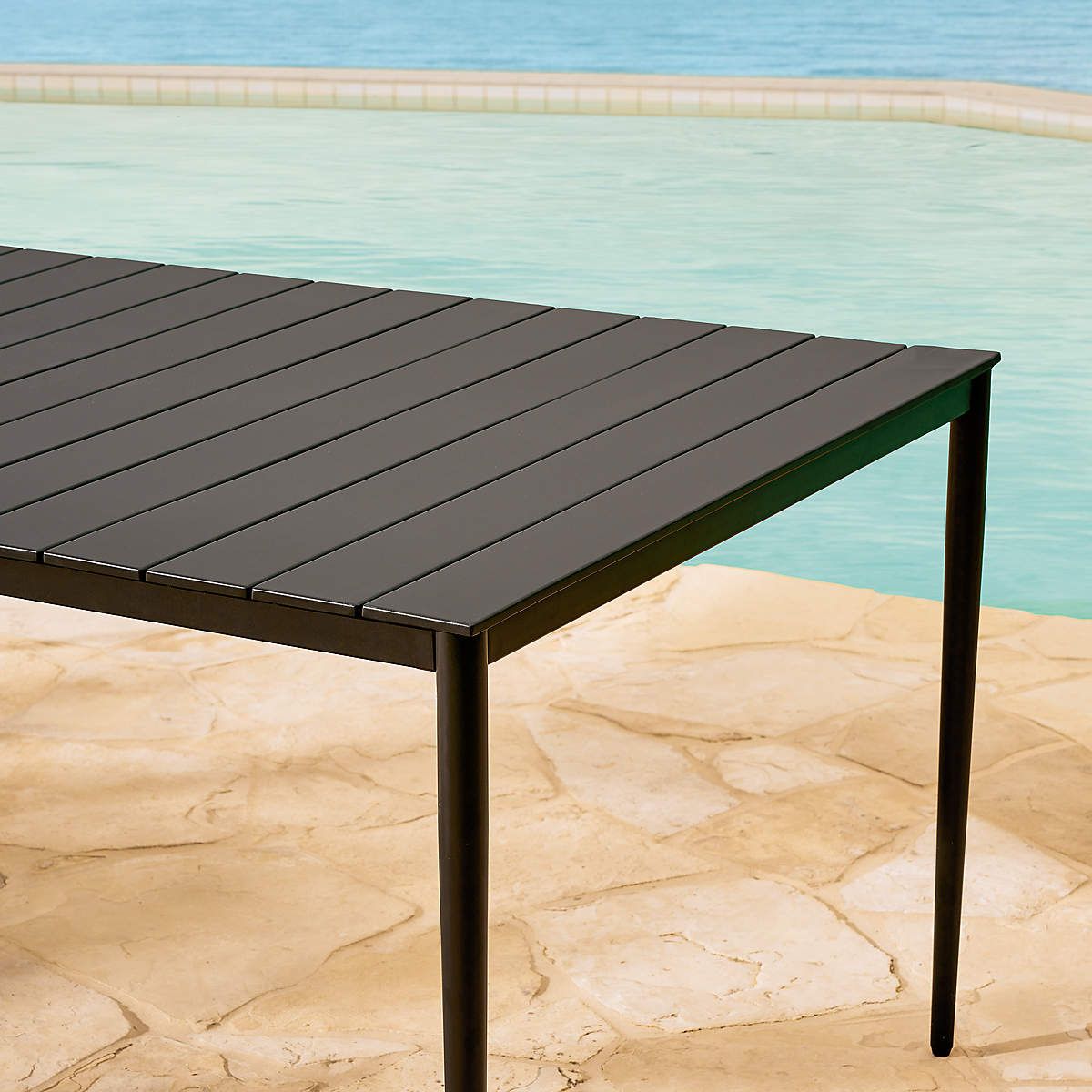
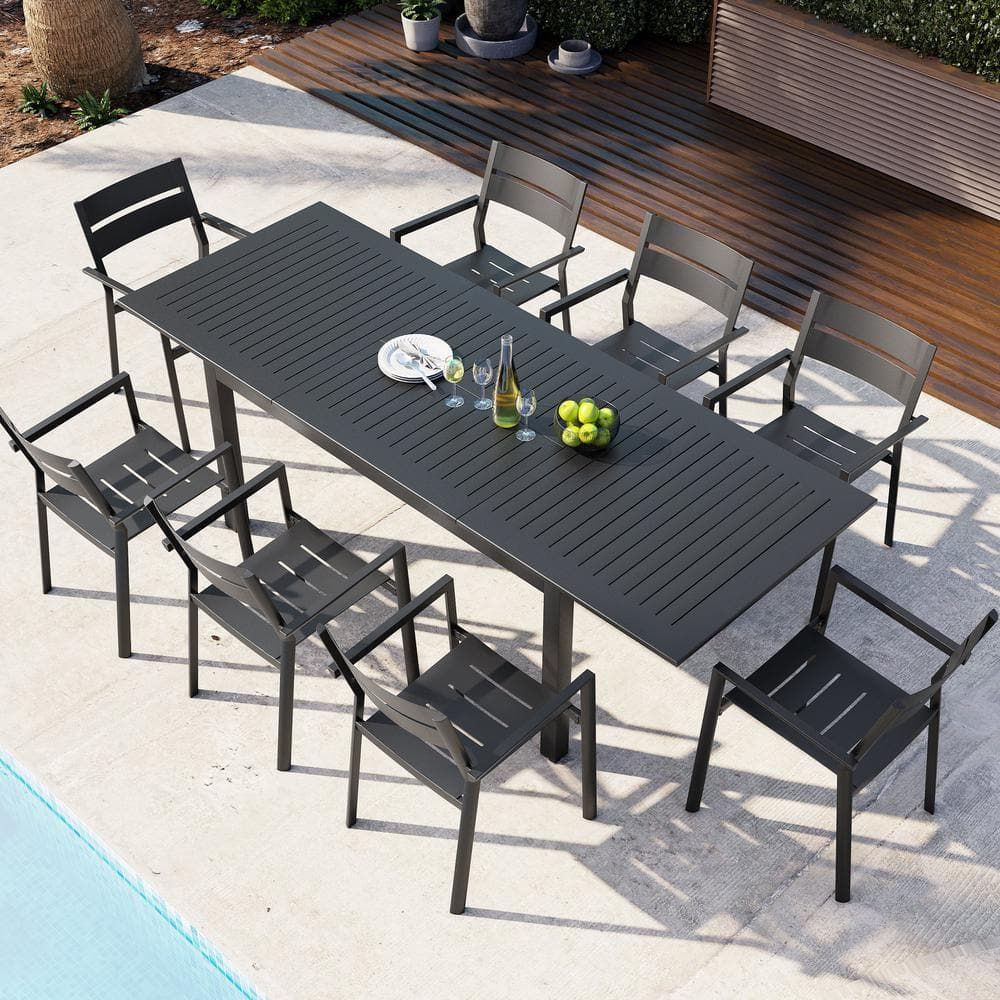
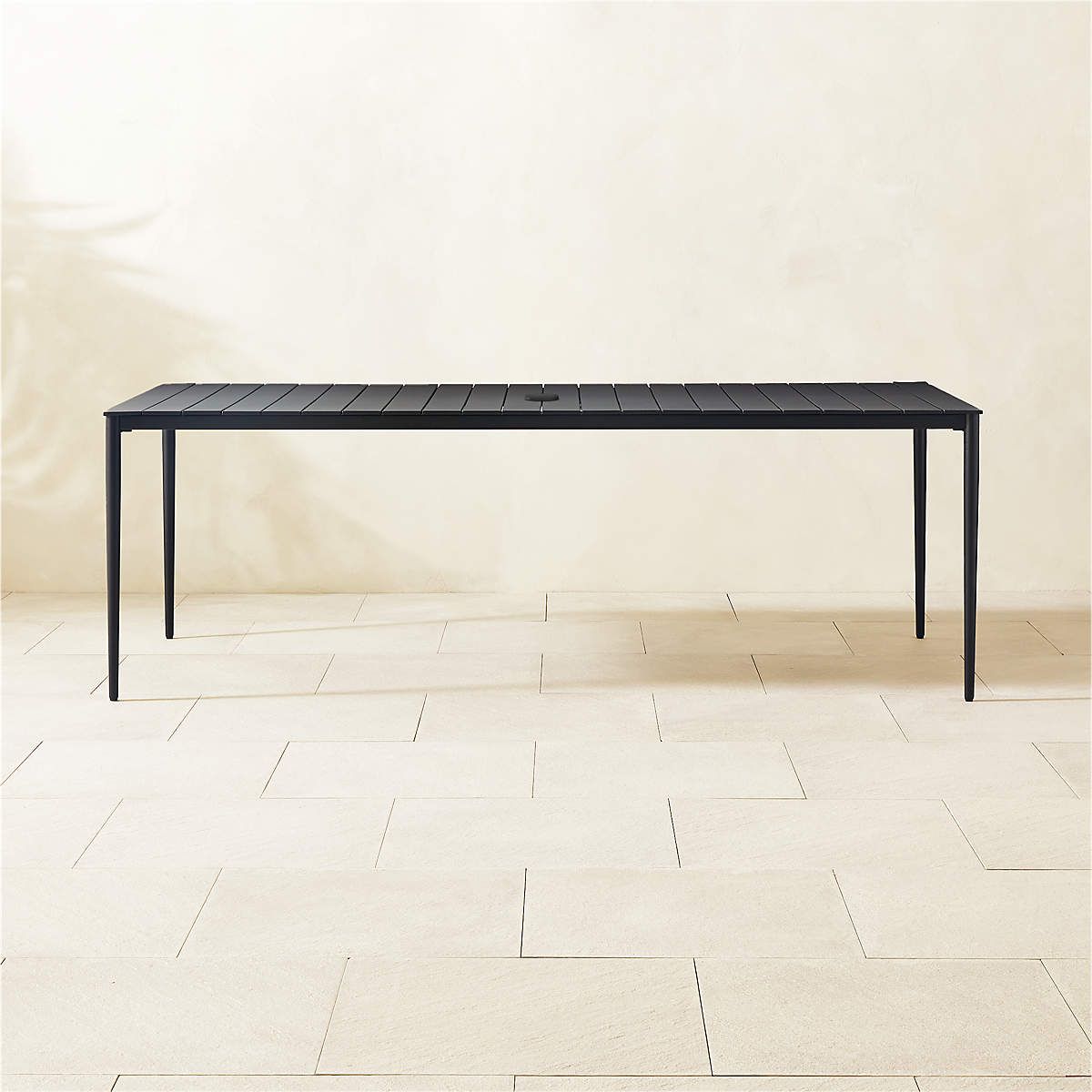
But aluminum also shines in modern, minimalist designs. Because it’s easier to mold and finish, designers can create sleek, clean lines that are harder to achieve with bent iron. Think smooth surfaces, geometric shapes, and contemporary finishes like matte black, bronze, or even white. These styles fit perfectly with the modern architectural trends of 2026, where indoor-outdoor flow is paramount. The furniture doesn’t shout; it complements. It blends with the clean lines of large glass doors and open-plan living spaces.
Wrought iron, by contrast, is stuck in a specific aesthetic lane. It’s traditional. It’s ornate. If your home is a mid-century modern build or a sleek contemporary box, wrought iron can look out of place. It fights the architecture rather than flowing with it. Aluminum is versatile. It can dress up or dress down. It can be the statement piece or the subtle background player. This adaptability makes it a safer bet for homeowners who might change their decor style or even move to a different type of home in the future. Your furniture grows with you.
The Cost Conversation: Upfront vs. Long-Term Value
Let’s talk money. When you walk into a showroom, you’ll often see wrought iron and cast aluminum priced similarly, though high-end custom iron can skyrocket. However, the sticker price is only half the story. As mentioned earlier, the long-term costs diverge sharply. With iron, you’re signing up for a lifetime of upkeep. With aluminum, you’re paying for freedom.
In 2026, consumers are smarter. We’re looking at total cost of ownership. We’re asking, "What will this cost me in five years?" When you run those numbers, aluminum often comes out ahead. You aren’t buying cans of rust-inhibiting paint. You aren’t replacing cushions stained by rust runoff. You aren’t replacing the furniture itself because it corroded beyond repair. Aluminum lasts. It’s durable. It’s tough. And because it doesn’t degrade visually, it retains its resale value better. If you decide to upgrade in seven years, you can likely sell your aluminum set for a decent price. Try selling a rusty iron set. Good luck with that.
Also, consider the shipping and handling costs. Because aluminum is lighter, it’s cheaper to ship. If you’re buying online—a common practice now—this can save you a significant chunk of change. And if you’re moving houses, moving your patio furniture won’t require hiring a separate crew or renting a truck. You can toss it in the back of your SUV. These small logistical wins add up, making aluminum the more economical choice in a holistic sense. It’s not just about the purchase; it’s about the entire lifecycle of the product.
We can’t ignore the environmental angle. In 2026, sustainability isn’t a buzzword; it’s a baseline expectation. How do these materials stack up? Wrought iron is durable, which is good, but its production is energy-intensive. Mining iron ore, smelting it, and shaping it requires massive amounts of energy. Plus, the ongoing need for paints and chemical treatments introduces volatile organic compounds (VOCs) into the environment. Every time you repaint that bench, you’re adding to the chemical load.
Aluminum is highly recyclable. In fact, a huge percentage of aluminum used in furniture today is made from recycled content. The recycling process for aluminum uses a fraction of the energy required to produce new aluminum from bauxite ore. And because it lasts so long without needing chemical treatments, its ongoing environmental footprint is minimal. At the end of its life—which could be decades away—an aluminum chair can be melted down and turned into something new with very little waste. It’s a circular material.
Choosing aluminum is a quieter, easier way to make a sustainable choice. You don’t have to preach about it. You just buy a product that aligns with a lower-impact lifestyle. It doesn’t leach chemicals into your soil. It doesn’t require constant resource input to maintain. For the eco-conscious homeowner, this is a major win. It’s durability meeting responsibility. And let’s be real, knowing your choices are kinder to the planet feels good. It adds a layer of satisfaction to every evening you spend on that patio.
So, where does this leave us? The hype around wrought iron is built on nostalgia and a perception of strength that, while true, comes with heavy baggage. Aluminum has evolved. It’s no longer the "cheap alternative." It’s the superior solution for modern living. It offers the style you want without the chores you hate. It respects your time, your budget, and your environment.
If you’re still clinging to the idea that only iron is "real" furniture, ask yourself why. Is it worth the rust? Is it worth the heavy lifting? Is it worth the lost weekends? For most of us, the answer is no. We want our homes to serve us, not the other way around. Aluminum understands that. It’s light, it’s tough, and it’s ready for whatever weather—or life—throws at it.
Next time you’re outfitting your outdoor space, look past the tradition. Look at the reality. Choose the material that lets you sit back, relax, and actually enjoy the view. That’s the power of aluminum. It’s not just furniture; it’s freedom. And in 2026, that’s exactly what we’re all looking for.