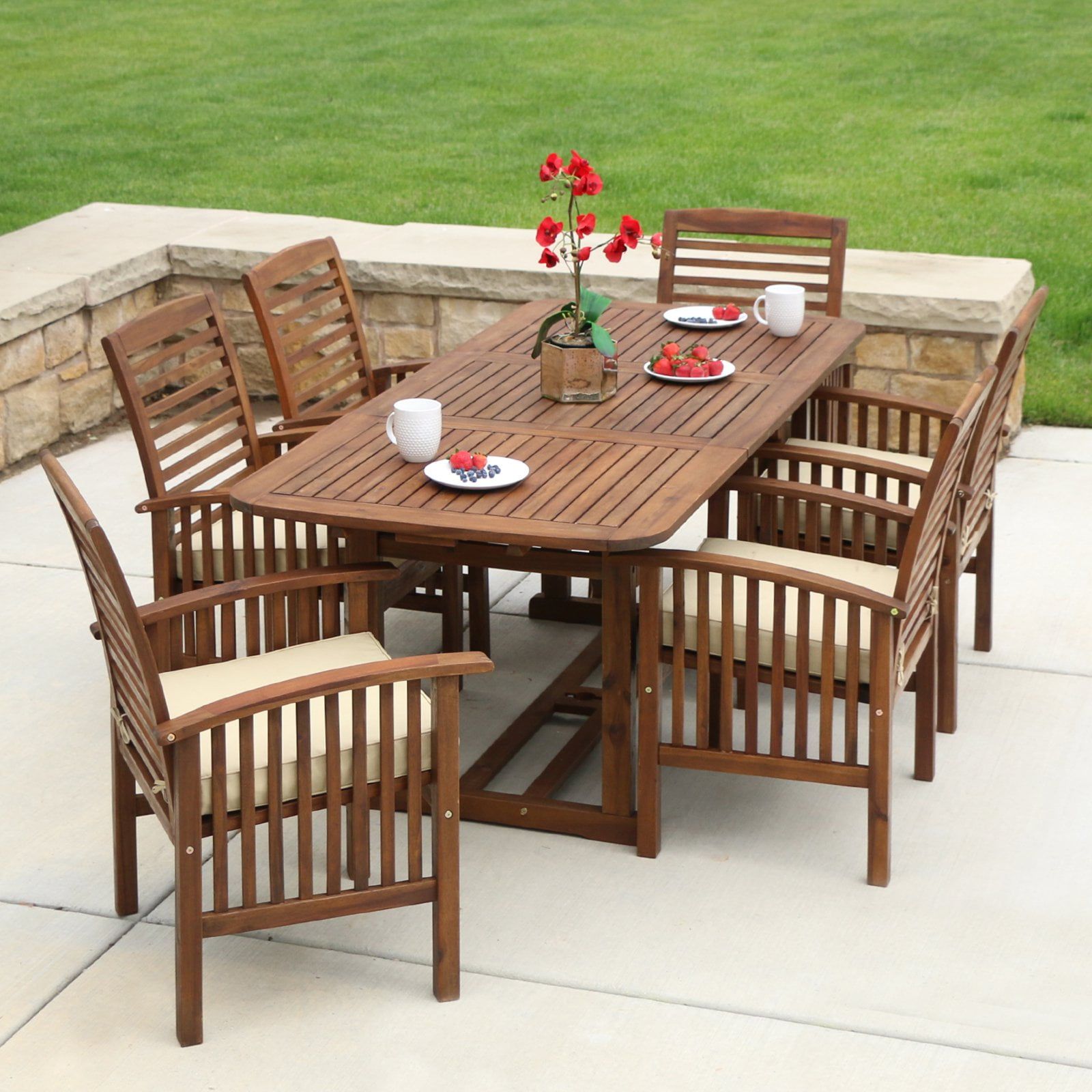
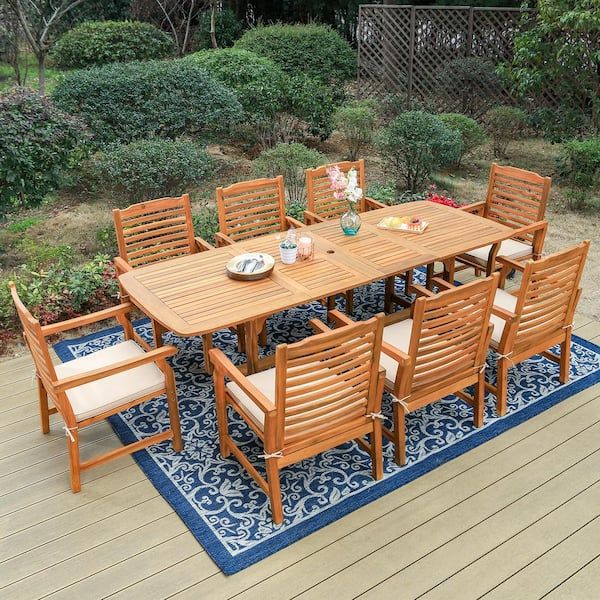
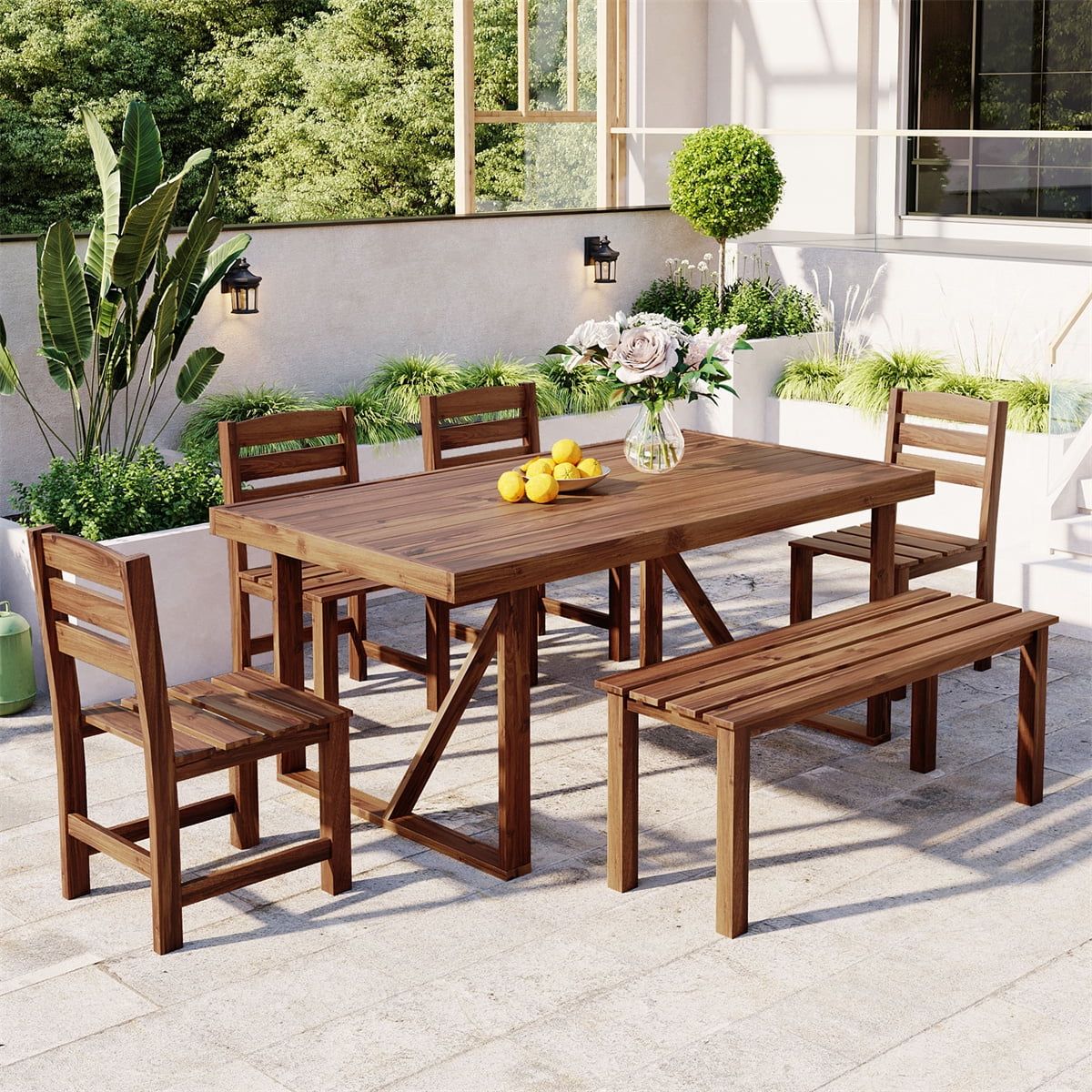
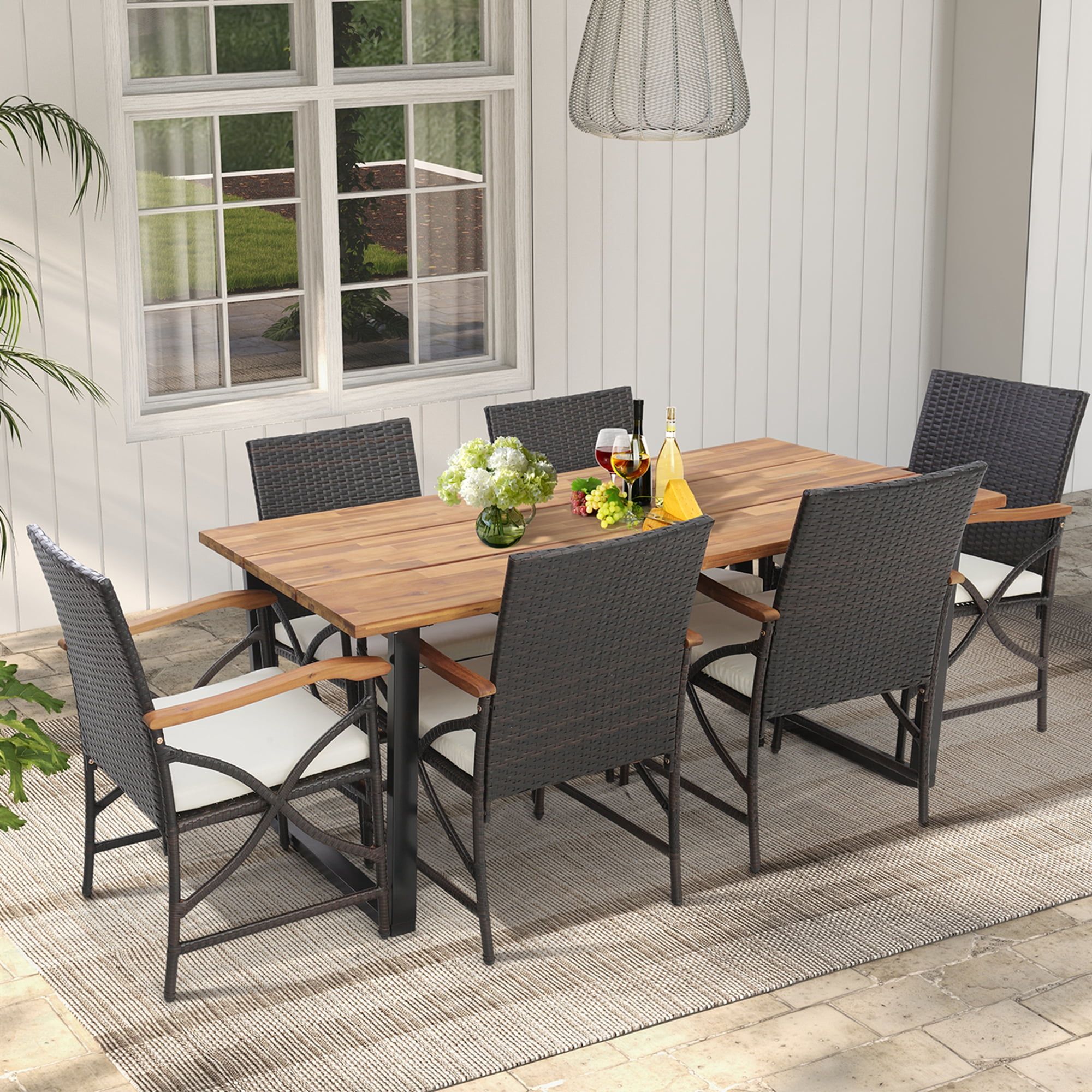
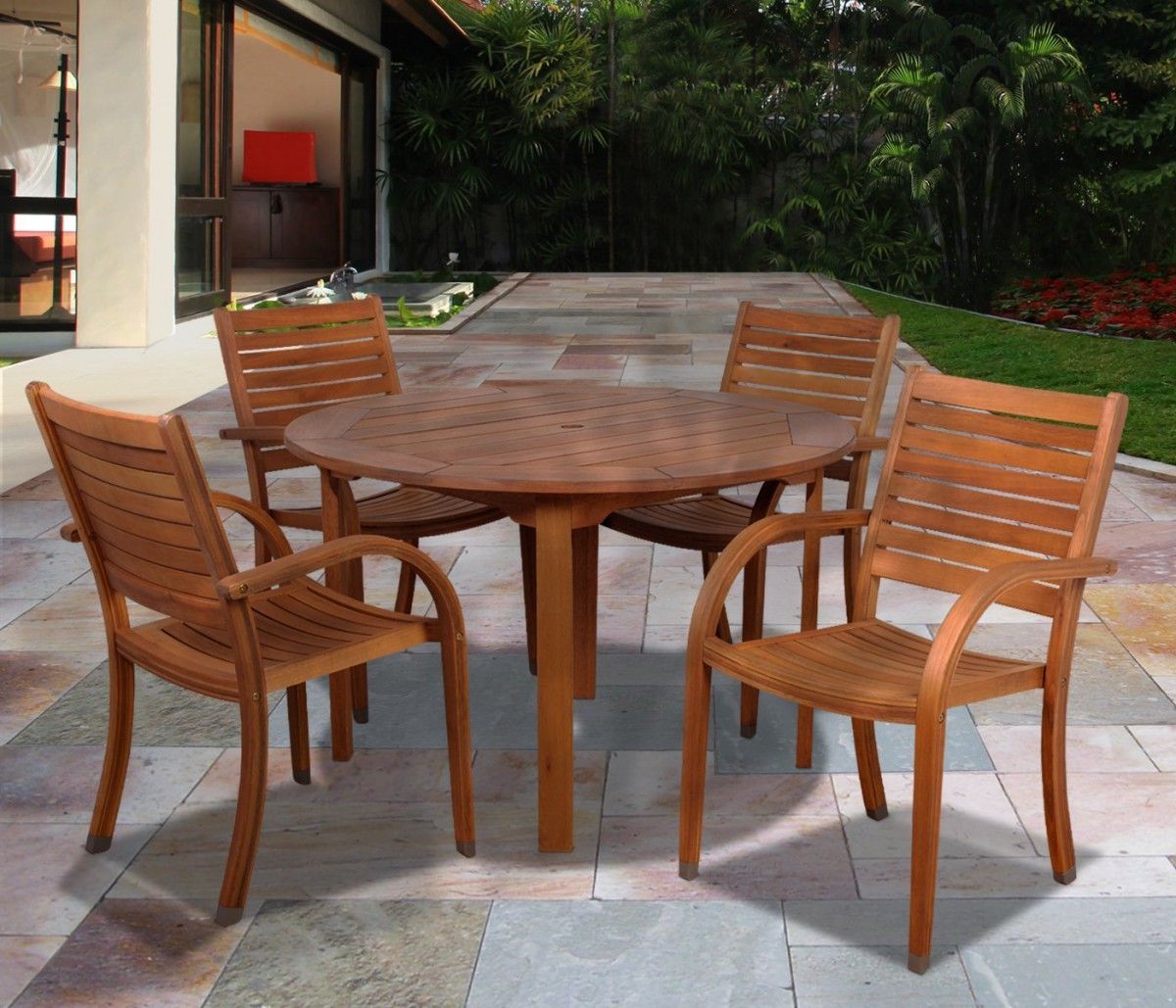
There is a specific feeling you get when you sit down at a table made of teak. It isn’t just the smooth grain or the warm color; it’s the quiet confidence that this piece will outlast you. In 2026, as we look at our patios and gardens, it is easy to get distracted by the latest trends in synthetic wicks or high-tech composites. But when you really think about it, nothing beats the natural heft and history of solid teak. It feels less like a product you bought and more like a legacy you are starting.
Why does it hold this spot so firmly when the world is moving so fast? Well, it comes down to a perfect storm of chemistry, design, and a shift in how we view our outdoor spaces. People aren’t just throwing a picnic blanket on the grass anymore. We are building rooms outside, turning decks into extensions of our living rooms. And in that shift, teak has become the anchor. It bridges the gap between the wild outdoors and the cozy indoors, making the transition seamless.
Let’s be honest for a second. The price tag can make you pause. You look at a set of teak chairs and then at a set made of cheaper materials, and the difference is stark. But is it really about the cost, or is it about the cost per year of enjoyment? When you factor in decades of use without rotting, warping, or needing a coat of toxic sealant, the math actually flips in teak’s favor. It is an investment that pays back in quiet moments of peace, not just in dollars.
The Natural Armor: Oil and Density Working Together
The real secret behind teak isn’t just that it is a tree; it is what is inside the tree. Teak wood is naturally packed with high levels of oil and rubber. These aren’t added by humans in a factory; they are part of the wood’s DNA, grown deep within the grain. In 2026, as we become more conscious of the chemicals we put on our furniture, this natural armor is more valuable than ever. You don’t need to spray your table with harsh preservatives to keep water away. The wood repels moisture all on its own.
This density is what gives teak its legendary strength-to-weight ratio. It sounds like a contradiction, right? How can something so heavy also feel manageable? Well, think about lifting a heavy oak table versus a teak one. Teak is dense enough to feel substantial and sturdy, so it doesn’t rattle or wobble when you set a heavy platter down. But it isn’t so heavy that you can’t move it to rearrange your seating for a sunset gathering or store it away for a storm. It strikes a balance that lighter woods just can’t match.
When you look at the grain, you see tight, interlocking fibers. This structure is what stops the wood from warping or cracking when the sun beats down or the rain pours. Other woods might swell up and then shrink, leaving gaps or splits. Teak maintains its shape through all that chaos. It is a low shrinkage coefficient in action. You can leave it out in the UK climate or the humid heat of the south, and it will just keep doing its job, level and sturdy, year after year.
The 2026 Regulatory Shift and Sustainable Sourcing
If you have been keeping an eye on the industry, you might have heard about the changes in April 2026. The regulatory environment for teak wood shifted significantly this year. Governments and international bodies tightened rules on how teak is harvested and traded to ensure forests are not being stripped bare. This wasn’t just bureaucracy; it was a necessary step to protect the long-term future of the material. For the consumer, this means that buying teak in 2026 carries a different weight than it did five years ago.
But here is the good news: these stricter rules actually make the wood better. Because of the new regulations, what is hitting the market now is often from certified sustainable plantations. You are getting wood that was grown with care, harvested responsibly, and processed with an eye on the future. It supports forest management that actually lets the trees regenerate. So when you buy a teak dining set this year, you aren’t just buying furniture; you are voting for a system that values nature.
This shift has also educated buyers. People now look for the little stamps of approval on the tags. They want to know the wood came from a place where the ecosystem is thriving. It adds a layer of peace of mind to the purchase. You don’t have to worry that your beautiful new table is contributing to deforestation. Instead, it is part of a cycle that keeps the forests green. It turns a simple purchase into a statement about where we stand in 2026 regarding our planet.
The Aesthetic Evolution: From Gold to Silver
One of the most beautiful things about teak is that it changes with you. When it is new, teak has a rich, golden honey color that looks warm and inviting. But if you let it sit outside without treating it, it slowly transforms. It weathers to a distinguished, silvery-grey patina. Some people worry about this change, thinking the wood is fading or losing its value. But in the world of design, this is a feature, not a bug.
By 2026, the "weathered look" has become a major trend. It signals a connection to nature. It shows that the furniture has lived with the seasons. It feels honest. You can see the history of the rain and the sun on the surface. It is a look that cheaper, painted woods simply cannot fake. If you try to paint over teak to keep it golden, you often end up with a peeling mess. Letting it turn grey is the path of least resistance and maximum beauty.
However, if you prefer that original golden glow, the choice is still yours. You can use a simple, eco-friendly oil to bring the color back. But the key is that you don’t have to. Many people now embrace the silver look because it requires zero chemical intervention. It is a functional heirloom that doesn’t need your constant attention to stay pretty. Whether you like the gold or the grey, teak adapts to your style, evolving as your life changes around it.
The Comfort Factor: How Teak Feels to Live With
There is a tactile quality to teak that you just don’t get with metal or plastic. When you run your hand over a teak chair back, it feels warm. Even on a chilly morning, it doesn’t bite at your skin like cold steel or fiberglass. In the summer, it doesn’t get blistering hot under the sun either, especially if it has weathered a bit. It has a thermal mass that keeps it temperate, making it comfortable to sit on for hours while you enjoy a long dinner or a lazy afternoon coffee.
The design of modern teak sets in 2026 has also leaned into ergonomics. Because the wood is so strong, designers can create sleeker profiles without sacrificing support. You see thinner legs and wider seats that provide comfort without looking bulky. It creates a sense of openness in the garden. It feels like entering a room, not leaving one. The furniture is chosen as a foundation, with the same care given to a sofa or a dining set indoors.
This comfort extends to the social aspect of dining. Teak sets are often heavy enough that they don’t slide around when chairs are pushed in, yet light enough to rearrange for a party. You can move the table to the shade, or pull the chairs around to create a cozy circle for conversation. It is manageable for seasonal rearrangement or storage, but stable enough that it feels grounded. That balance is crucial for creating a space where people want to linger.
The Economic Truth: A Long-Term Investment
Let’s talk money, because it is the reality of the situation. A teak dining set costs more upfront than a set made from aluminum or poly-wood. It is a significant chunk of change. But if you look at the lifespan, the math gets really interesting. Cheaper sets often last three to five years before they start to degrade. They might rust, crack, or the finish might peel off. You end up replacing them every few years.
Teak, on the other hand, can last for decades. We are talking about pieces that are fifty or even a hundred years old and still standing strong. When you divide the cost of a teak set by twenty years of use, the annual cost is actually quite low. It becomes a piece of furniture you buy once and pass down. It becomes an heirloom. In a world of disposable goods, owning something that lasts is a rare and valuable thing.
Plus, there is the resale value. Good teak furniture holds its value incredibly well. If you decide to move or upgrade, you can often sell your teak set for a decent price. You get some of that investment back. Cheaper furniture usually ends up in a landfill or gets sold for pennies. Teak is a smart pick for enduring outdoor enjoyment because it respects your wallet over the long haul. It is not an expense; it is an asset.
As we look toward the rest of 2026 and beyond, the trend is clear: natural materials are dominant. The days of synthetic, plastic-looking furniture are fading. People want spaces that feel organic and grounded. Teak, stone surfaces, terracotta, and woven natural fibres are defining the aesthetic across European outdoor design this year. It is about less visual noise and better materials.
This shift is driven by a desire for spaces that are designed to do more than one thing well. A teak dining set can be a place for a romantic dinner, a work-from-home spot, or a place to watch the kids play. It is versatile because it is timeless. It doesn’t go out of style. While trends might change in fabrics or colors, the beauty of solid wood remains constant. It anchors the space.
In conclusion, teak remains the gold standard not because of marketing, but because of performance. It offers a unique combination of durability, beauty, and sustainability that nothing else can match. Whether you are in the UK or the tropics, teak adapts to you. It requires less maintenance, offers more comfort, and looks better with age. So, when you are ready to invest in your outdoor space, remember that you aren’t just buying a table. You are buying a foundation for memories that will last for generations. It is the smartest, most beautiful choice you can make for your home in 2026.