Choosing the right material for your outdoor dining table isn’t just about looks anymore. It’s about creating something that will last through countless meals, weather changes, and daily wear and tear. In 2026, buyers are prioritizing durability over flashy appearances, especially when it comes to spending money on furniture that will see regular use outdoors.
The reality is simple: Outdoor tables face constant challenges. Sun exposure causes fading, rain leads to rust or water damage, and temperature shifts can cause expansion and contraction. The materials we choose today will determine whether our tables look great next summer or start showing signs of deterioration within months.
Think about it: you wouldn’t want to invest in a beautiful table only to watch it turn into a sad reminder of how quickly outdoor furniture can degrade. That’s why understanding the strengths and weaknesses of different materials becomes crucial for anyone planning to bring their dining experience outside.
In 2026, aluminum and teak continue to dominate the outdoor dining scene. These two materials have proven themselves time and again, offering that perfect balance between strength and aesthetics. Aluminum tables, particularly those with powder-coated finishes, have been tested extensively and show remarkable resistance to corrosion. As noted by experts, some aluminum tables have survived multiple seasons of rain and sun without showing signs of damage.
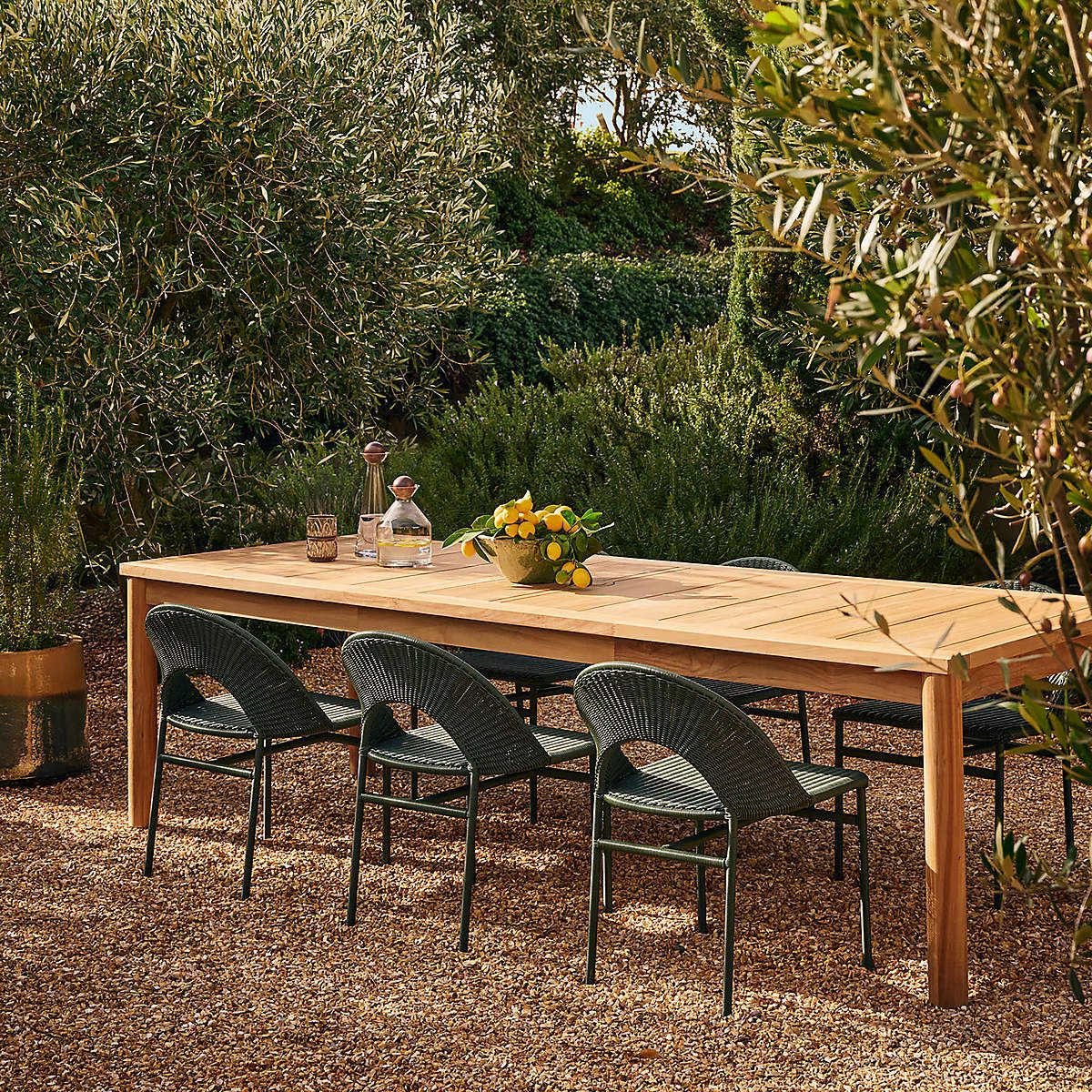
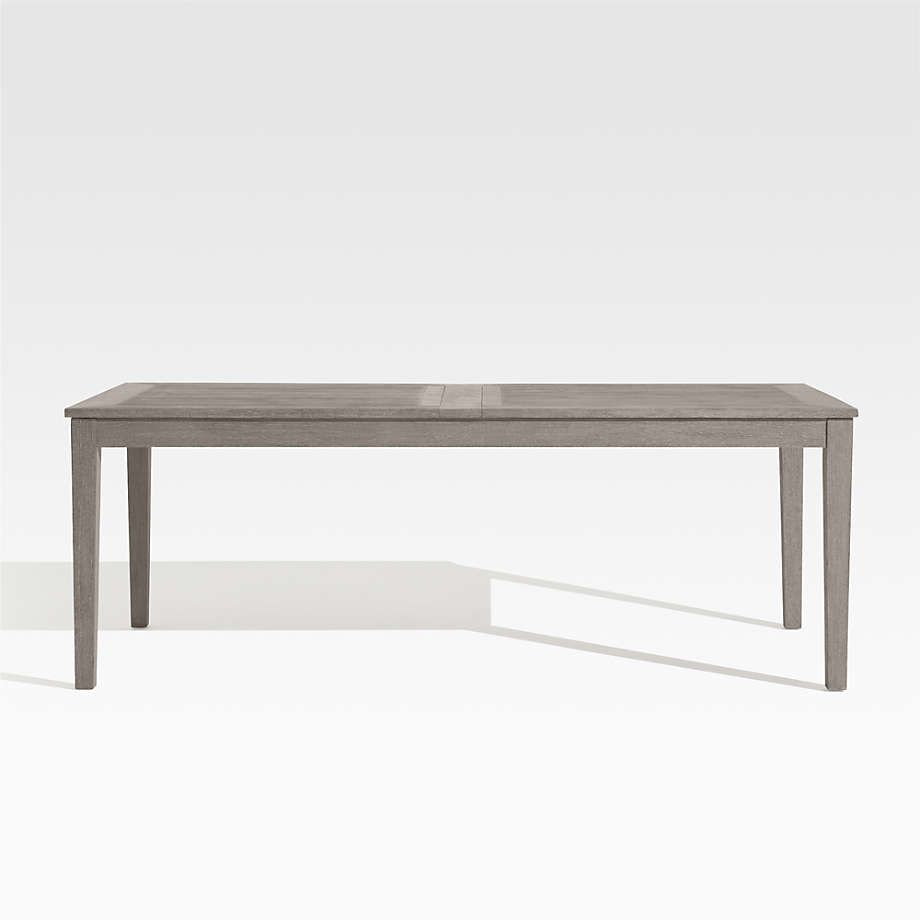
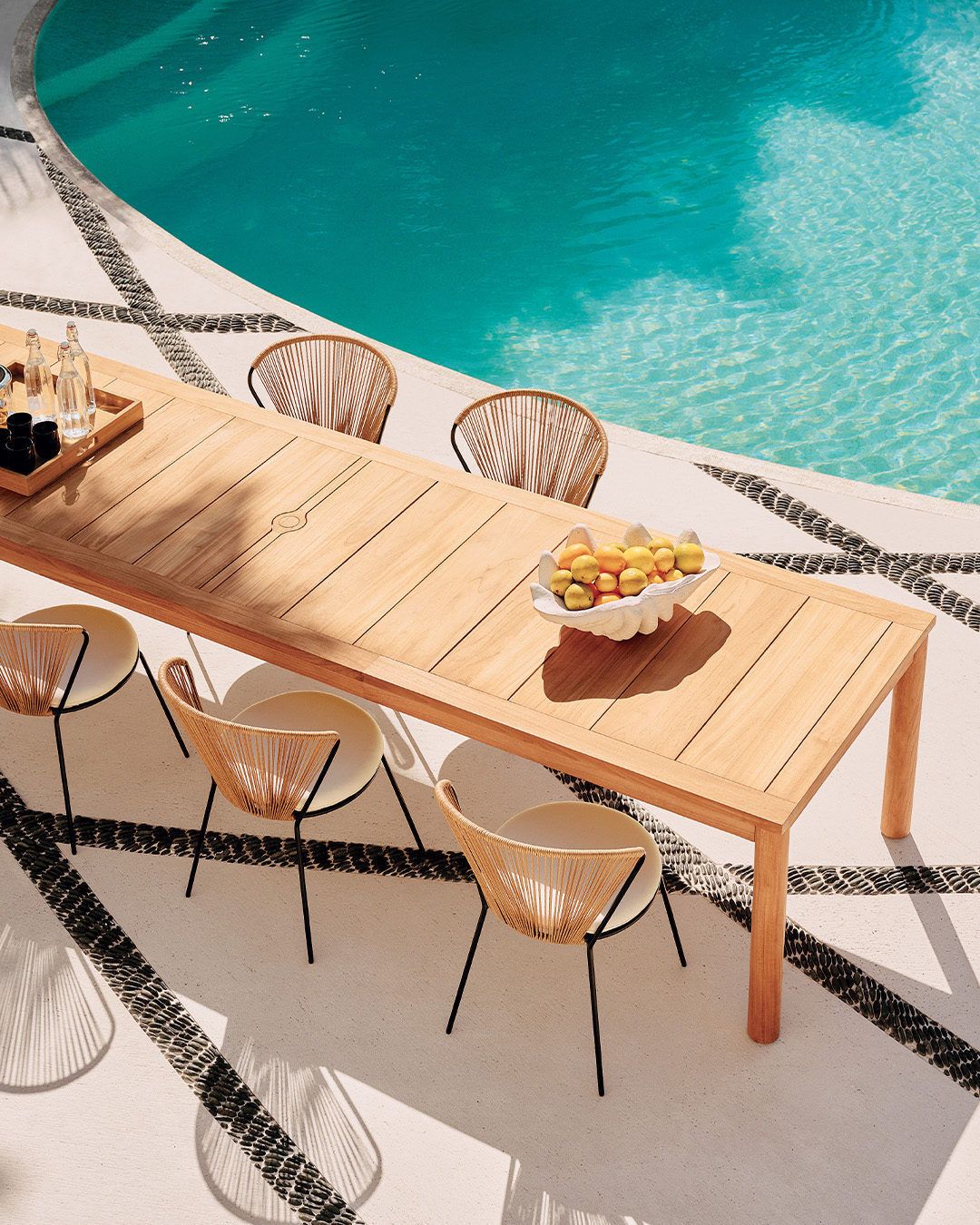
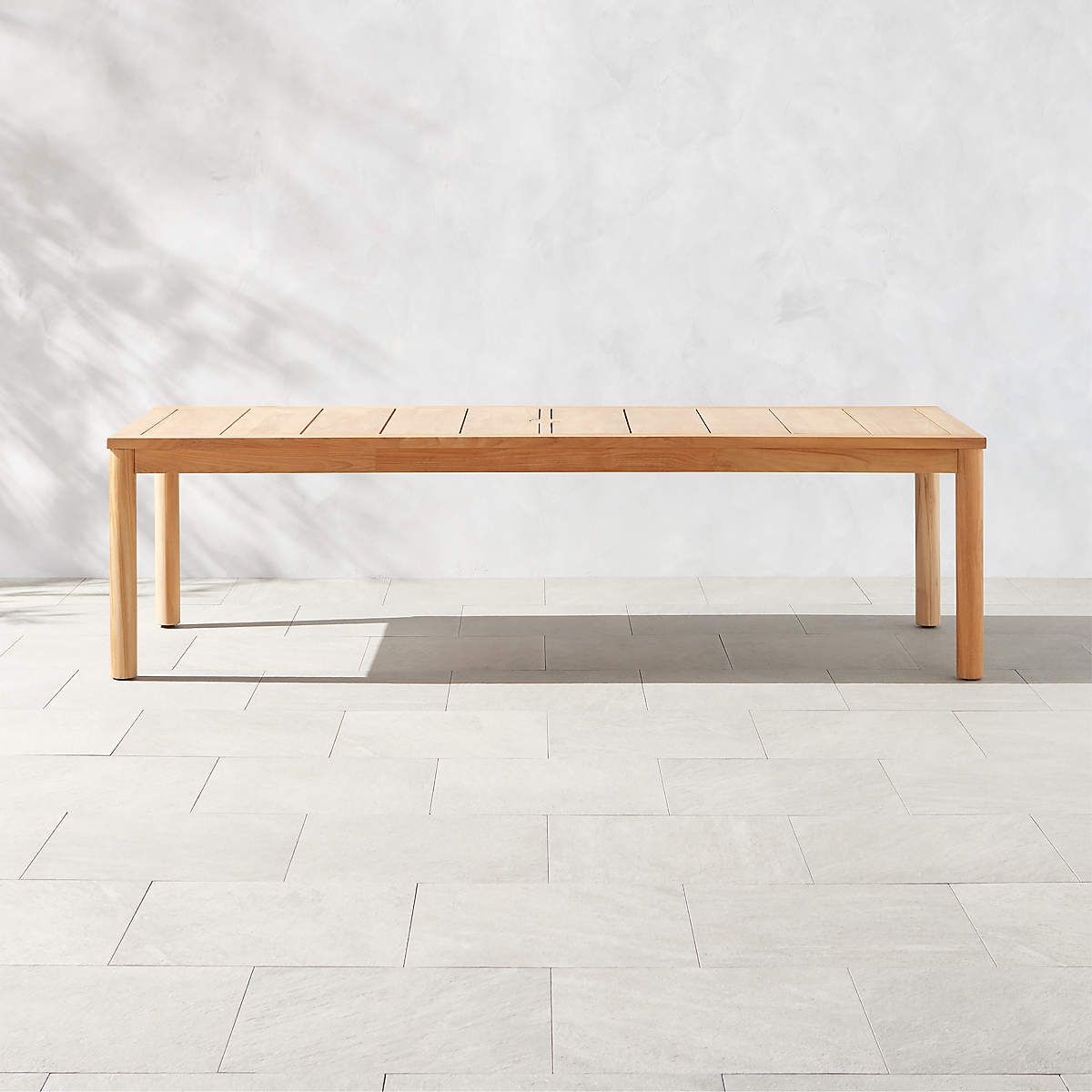
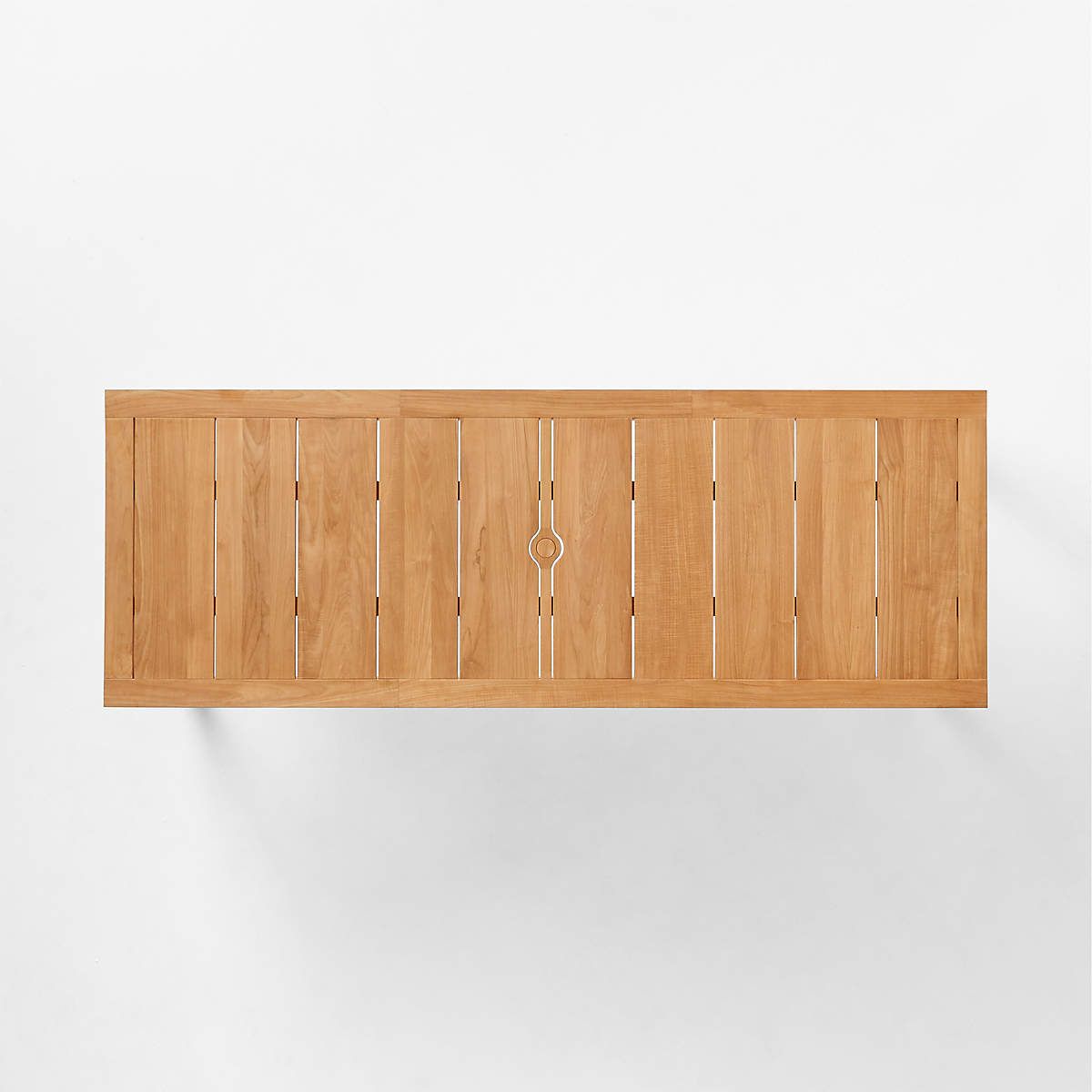
Teak, on the other hand, has been a trusted favorite for decades. Its natural oils make it incredibly resistant to rot and insect damage. Many people love how teak develops a beautiful silver-gray patina over time, giving it character rather than just fading into oblivion. This wood is especially popular in coastal areas where salt air can be particularly damaging to other materials.
Both materials offer low maintenance requirements compared to others. You won’t find yourself constantly treating or re-oiling these surfaces. They’re built to handle the elements, which means more time enjoying your meals and less time worrying about upkeep.
Wood Options: Sustainable and Stylish Choices
Wood remains a major player in 2026 outdoor dining tables, but it’s evolved quite a bit. We’re seeing more sustainable options like bamboo, acacia, and recycled lumber making waves. These alternatives offer the warmth and natural beauty of wood while being more environmentally friendly and often more durable than traditional hardwoods.
Bamboo, in particular, has become a standout choice. It grows incredibly fast and requires minimal resources to cultivate. The result is a material that feels luxurious and looks great in modern outdoor settings. Many designers are incorporating bamboo into their outdoor dining collections because it holds up well against weather and pests.
Live edge tables are also making a strong comeback. These tables preserve the natural shape of the wood, showcasing the tree’s original edge and unique grain patterns. When combined with brass accents or industrial metal bases, they create stunning focal points that blend rustic authenticity with contemporary design. This trend shows no signs of slowing down.
Plastic and Composite Alternatives
While plastic might seem like a simple choice, composite materials and POLYWOOD have transformed the game completely. These aren’t your old-fashioned plastic tables that look cheap or flimsy. Modern composites are engineered to resist fading, cracking, and warping while maintaining a natural wood appearance.
POLYWOOD, specifically, has gained significant traction for its ability to withstand rain, snow, sun, and even coastal environments without deteriorating. It’s an excellent choice for people who want the look of wood but don’t want to deal with the maintenance issues that come with traditional wood tables.
These materials are also easier to clean and maintain. No need for special treatments or frequent polishing. Just wipe them down and they’re ready for another meal.
Metal and Mixed-Material Designs
Metal tables continue to be popular, especially when paired with wood or glass tops. This combination creates what many call an "industrial vibe," which is trendy in 2026. Metal bases provide stability and durability, while wood or glass tops add warmth and visual interest.
Cast aluminum has become particularly appealing due to its ornate patterns and superior photo appeal. These tables often look more elegant in outdoor photos, which is important for social media-savvy homeowners. They’re also versatile enough to fit into various design styles, from modern minimalist to rustic farmhouse.
The key here is balance. A table with a heavy metal base and a light wood top can create a pleasing contrast that works both visually and functionally. The metal provides the necessary support, while the wood adds comfort and aesthetic warmth.
Making Your Final Decision
When choosing an outdoor dining table in 2026, consider several factors beyond just material. Think about your local climate, how much maintenance you’re willing to do, and what aesthetic you want to achieve.
Here’s a quick checklist to help guide your decision:
- Climate: Do you live in a humid area, near the ocean, or in a region with extreme temperatures?
- Maintenance: Are you someone who likes to treat and oil furniture regularly, or do you prefer low-maintenance options?
- Style: Do you lean toward classic designs, modern minimalism, or something more eclectic?
- Budget: Some materials like teak can be more expensive upfront, but they may save money over time due to lower replacement needs.
Ultimately, the best outdoor dining table is one that fits your lifestyle and environment perfectly. Whether you choose the timeless appeal of teak, the sleekness of aluminum, or the sustainability of bamboo, make sure it reflects both your personal taste and your practical needs.
As we move forward into 2026 and beyond, sustainability and smart design will continue to drive trends. We’re seeing more emphasis on recycled materials and eco-friendly manufacturing processes. Consumers are increasingly aware of environmental impact, and this awareness is shaping purchasing decisions.
Smart features are also becoming more common. Extendable tops, compact round shapes, and modular designs help maximize space in smaller outdoor areas. These innovations allow people to enjoy their outdoor dining experiences without sacrificing functionality.
The bottom line is that outdoor dining tables are evolving beyond simple furniture pieces. They’re becoming statements about lifestyle, sustainability, and personal style. With so many excellent options available in 2026, there’s truly something for everyone, whether you’re looking for something classic or cutting-edge.
So take your time, do your research, and choose a material that will serve you well for years to come. After all, your outdoor dining table should be a place where memories are made, not a source of frustration or disappointment.