Think about how many entertainment centers you’ve seen in your lifetime – some look brand new after decades, while others crumble after just a few years. What separates the durable pieces from the flimsy ones? It’s not just about price or style. It’s about understanding materials and finishes that can handle daily use, environmental changes, and the occasional accidental bump from a remote control. The right choices mean your TV furniture will be a reliable part of your home for years to come.
When it comes to building or buying television furniture, the decisions you make about materials and finishes can make all the difference between a piece that ages gracefully and one that needs replacing within months. This isn’t just about aesthetics – it’s about functionality, longevity, and practicality. Every piece of furniture tells a story, and that story should be one of durability and resilience. Whether you’re designing from scratch or shopping for something already made, understanding these fundamentals helps ensure you’re investing in quality that pays off over time. Think of it like choosing a reliable car versus a lemon – the upfront cost might seem similar, but the long-term experience couldn’t be more different.
Understanding Wood Types for TV Furniture
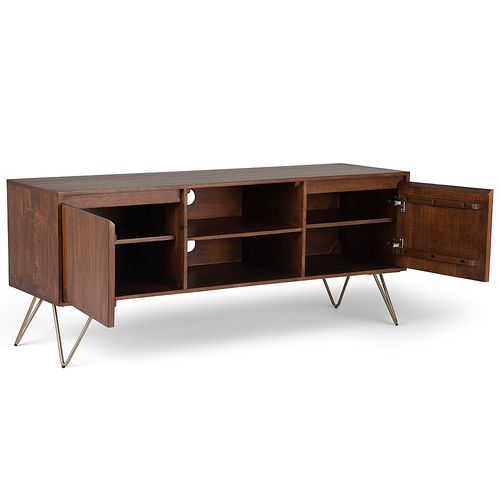
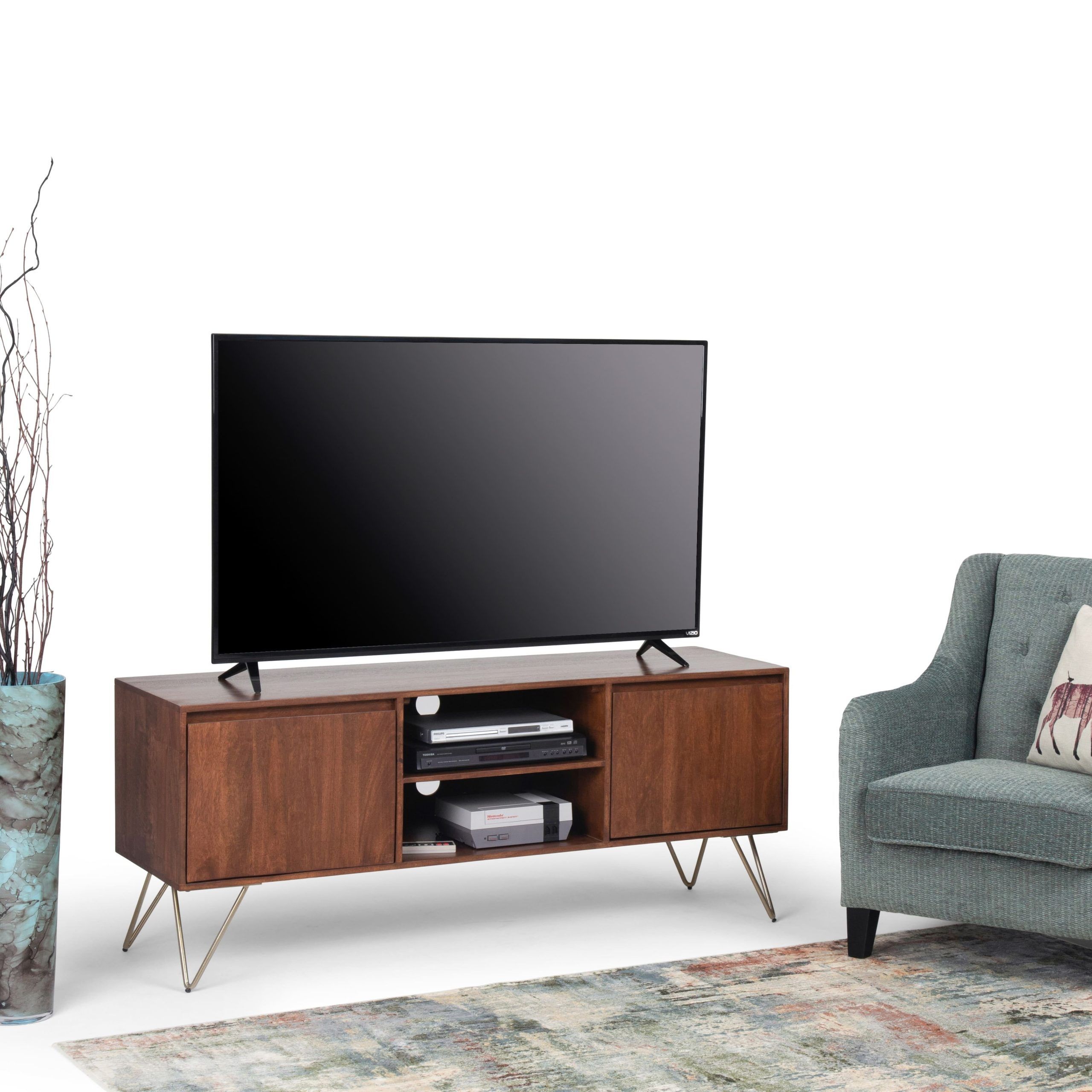
Wood remains one of the most popular choices for TV furniture because it offers both beauty and strength. When selecting wood, consider not just the appearance but also its durability characteristics. Hardwoods like oak, maple, and cherry offer excellent resistance to wear and tear. These woods have dense grain structures that make them ideal for heavy items like televisions. Softwoods such as pine and cedar are more affordable options but require more careful handling and maintenance. Oak stands out for its strength and ability to handle moisture well, making it perfect for living rooms where humidity levels might fluctuate. Maple provides a smooth surface that’s easy to clean and maintain. Cherry wood develops a beautiful patina over time, adding character rather than detracting from it. Consider the local climate too – if you live in a humid area, choose woods that resist swelling and warping. For example, teak wood is naturally resistant to moisture and insects, making it excellent for tropical environments.
Metal Frameworks: Strength and Modern Appeal
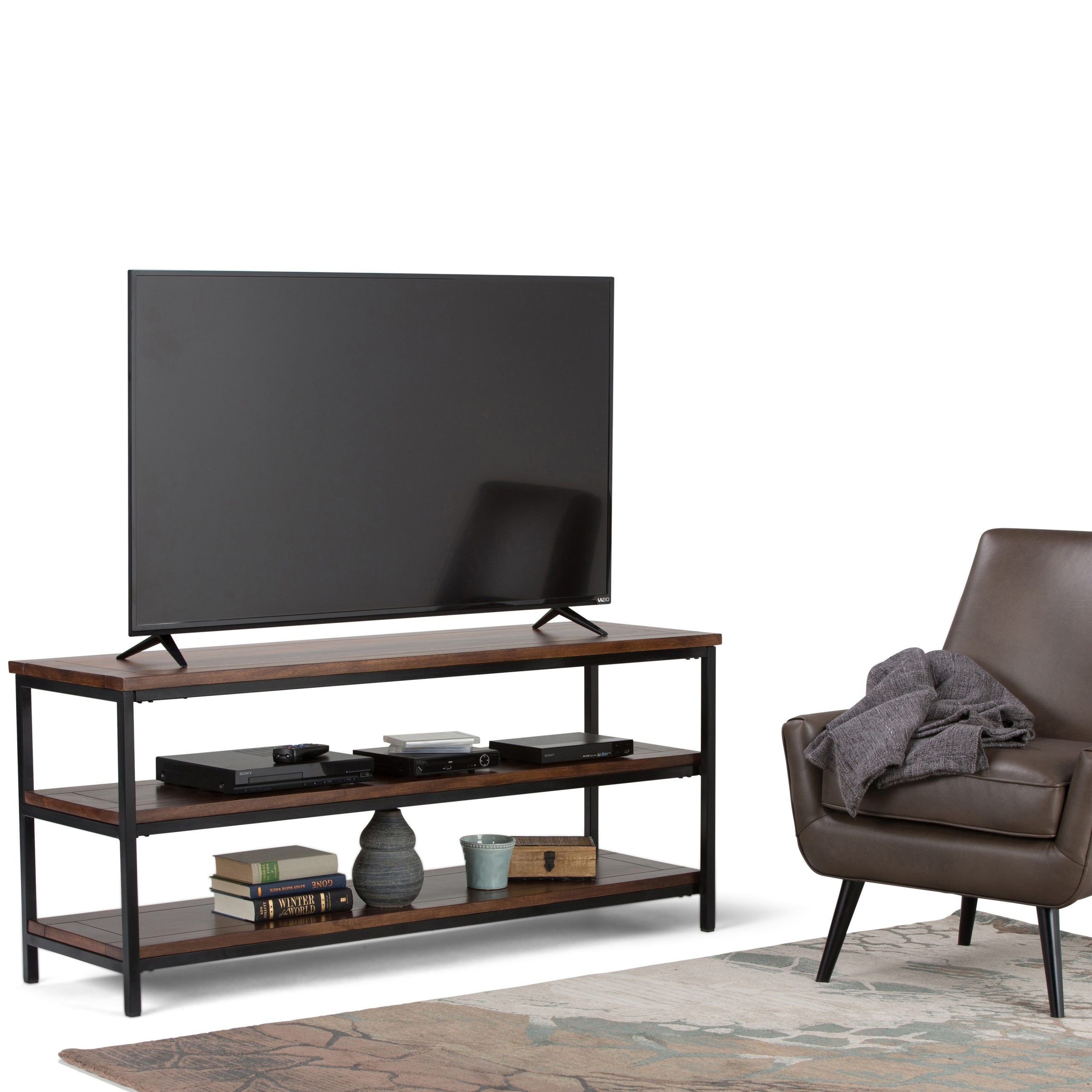
Metal frames bring a different kind of sturdiness to furniture design. Steel and aluminum offer incredible structural integrity, especially when used properly in construction. Steel frames provide maximum strength and can support very heavy displays without flexing or bending. They’re particularly useful for large screen TVs or when mounting multiple devices. Aluminum, while lighter than steel, still offers good durability and is resistant to rust. Many modern designs incorporate metal elements to add contemporary flair while maintaining structural soundness. However, metal furniture requires attention to coating systems to prevent corrosion. Powder coating provides excellent protection against scratches and fading. Some manufacturers use stainless steel components for added longevity and a premium feel. The key is matching the metal type to your environment – steel might work better in dry climates, while aluminum handles moisture better. Metal frames also allow for sleeker designs, often featuring clean lines and minimalist appeal that complement modern interiors.
Composite Materials: The Best of Both Worlds
Composite materials combine the benefits of different substances to create something stronger than the sum of its parts. Engineered wood products like plywood and particle board offer consistent quality and stability. They’re less prone to warping than solid wood and can be shaped more easily for intricate designs. High-density fiberboard (HDF) provides excellent surface smoothness for painting or finishing. These materials are particularly useful for budget-conscious projects or when working with complex shapes. Laminates and veneers applied to composite cores give them the look of solid wood while maintaining practical advantages. For instance, a particle board core with a hardwood veneer creates a beautiful surface that’s both attractive and durable. These combinations can be surprisingly strong and long-lasting, especially when properly sealed and finished. Composite materials also offer consistent color and texture, which is helpful when creating matching sets or maintaining uniformity across multiple pieces.
Finish Options That Stand the Test of Time
The surface treatment you choose can either protect your furniture or leave it vulnerable to damage. Lacquer finishes provide a hard, protective layer that resists scratches and chemicals. They’re particularly effective on wood surfaces and can be polished to a high shine. Varnish offers similar protection but with a slightly more matte appearance. It’s often preferred for outdoor applications or areas with high traffic. Paint finishes come in many varieties, from basic latex to specialty formulations designed for furniture. The key is proper preparation – sanding, priming, and using compatible products. Stains allow the natural wood grain to show through while providing protection. They’re excellent for maintaining the organic look of wood while adding durability. Clear coatings like polyurethane offer invisible protection that’s great for high-use areas. Each finish type has specific care requirements, so consider how much maintenance you’re willing to invest in your furniture.
Environmental Factors and Their Impact
Your local environment plays a huge role in how well furniture holds up over time. Humidity can cause wood to swell and contract, leading to warping and cracking. In high-humidity areas, consider moisture-resistant woods or finishes specifically designed for damp conditions. Temperature fluctuations affect all materials differently – extreme heat can cause adhesives to break down, while freezing temperatures can make metals brittle. Sunlight exposure fades colors and degrades materials over time. UV-resistant finishes and materials help preserve appearance and structure. If you have pets or children, you’ll want to prioritize scratch-resistant materials and finishes. Areas with high foot traffic benefit from materials that can handle constant contact and movement. Consider the lifestyle of your household when selecting materials – a family room with active kids needs different considerations than a quiet study or formal dining area. Testing samples in your actual space can reveal how materials perform under your specific conditions.
Practical Tips for Making Smart Choices
Start by identifying your priorities – do you value durability over appearance, or vice versa? Consider how much time you want to spend maintaining your furniture. Look for materials that match your lifestyle and budget. Quality hardware matters enormously – even the best wood frame will fail if hinges and drawer slides aren’t built to last. Check warranty terms carefully – they often reveal manufacturer confidence in their materials. When buying, examine joints and construction details closely. A well-built piece will have reinforced corners and secure fastening methods. Test moving parts before purchasing – drawers should slide smoothly, doors should close evenly. Consider the total cost of ownership, including maintenance and replacement costs. Sometimes a slightly higher initial investment pays off in reduced long-term expenses. Don’t forget to factor in future changes – will your furniture accommodate larger screens or additional electronics? Planning ahead ensures your investment continues serving you well.
Choosing the right materials and finishes for TV furniture isn’t just about picking what looks good – it’s about making smart investments that serve you for years to come. The right combination of wood, metal, or composite materials, paired with appropriate finishes, creates furniture that can handle daily life while maintaining its appearance and function. Remember that durability doesn’t mean sacrificing style – there are plenty of beautiful options that also stand up to the test of time. Consider your specific needs, environment, and lifestyle when making choices. Take time to research and compare options, because the furniture you select will become a permanent fixture in your home. The effort you put into material selection today will save you time, money, and frustration tomorrow. After all, your entertainment center should enhance your life, not complicate it with frequent repairs or replacements. Making thoughtful choices now means fewer headaches later.