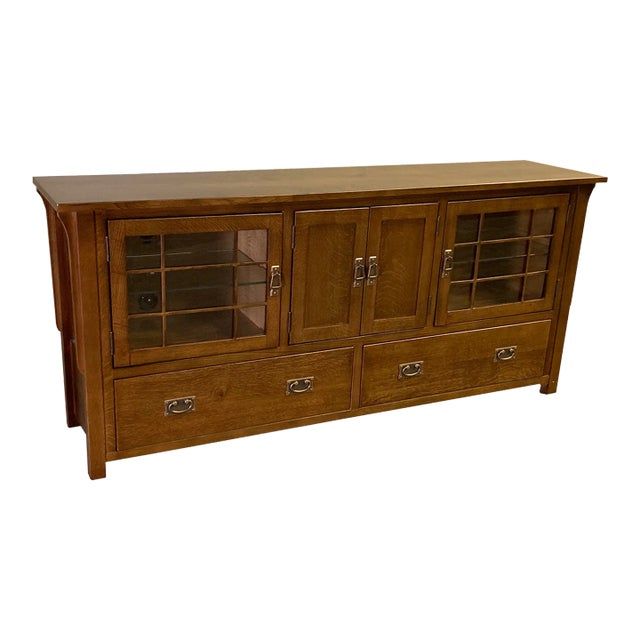
When you think of mission style oak furniture, you’re looking at more than just beautiful woodwork. You’re witnessing centuries of tradition, careful attention to detail, and the dedication of craftsmen who understood that good furniture lasts generations. These pieces aren’t just functional objects – they’re heirlooms that tell stories of craftsmanship, simplicity, and enduring quality.
Mission style oak furniture has captured hearts worldwide for its clean lines, honest construction, and timeless appeal. But beneath the surface lies a fascinating world of traditional woodworking techniques that have been passed down through generations. Whether you’re considering purchasing a piece or simply appreciate fine craftsmanship, understanding how these treasures are made adds depth to their beauty. Think about it – when you run your hand along the smooth grain of oak, you’re touching something that was shaped by someone who truly understood wood and its natural characteristics.
The Origins and History of Mission Style Furniture
Mission style furniture emerged in the late 19th century, drawing inspiration from the Spanish missions of California. The style was popularized by the Arts and Crafts movement, which celebrated handcrafted goods over mass-produced items. Craftsmen wanted to create pieces that were both beautiful and functional, reflecting a return to traditional values and honest construction methods. The word ‘mission’ comes from the Spanish word for ‘missionary,’ referencing the religious buildings that influenced the design aesthetic. These early craftsmen believed that furniture should be built to last, using quality materials and time-honored techniques. You might notice that many pieces feature simple geometric shapes and straight lines, which reflect the influence of Spanish colonial architecture and the desire for uncluttered, purposeful design.
Key Characteristics of Mission Oak Furniture
Mission oak furniture stands out due to several defining traits that distinguish it from other styles. First, there’s the emphasis on natural wood grain patterns. Oak’s distinctive grain creates visual interest without needing elaborate decoration. The wood itself becomes the primary decorative element. Second, the furniture typically features solid construction with joinery that doesn’t rely heavily on glue or metal fasteners. Instead, craftsmen use traditional mortise and tenon joints, dovetails, and other time-tested methods. Third, the overall design tends toward simplicity with clean lines and minimal ornamentation. This approach allows the wood’s natural beauty to shine through. Finally, many pieces showcase thick, substantial proportions that convey durability and permanence. The proportions feel balanced and grounded, never appearing fragile or overly delicate.
Traditional Joinery Techniques
The heart of mission oak furniture lies in its joinery methods. Master craftsmen use techniques that have been refined over hundreds of years. Mortise and tenon joints create strong connections between pieces without requiring nails or screws. Dovetail joints, often seen in drawers, provide exceptional strength while being visually appealing. These joints require precision and skill – a mistake in cutting can compromise the entire piece. Some artisans still use hand tools like chisels, planes, and saws rather than power tools. They work slowly, allowing the wood to guide them rather than forcing it into predetermined shapes. The process can take weeks or months to complete a single piece. What’s remarkable is that each joint tells a story of the craftsman’s skill and dedication to quality. When you examine a well-made drawer, you’re seeing evidence of careful planning and precise execution.
Wood Selection and Preparation Process
Selecting the right oak is crucial to creating authentic mission style furniture. Craftsmen look for wood with straight grain patterns and minimal knots. They often prefer quartersawn oak because it provides greater stability and a distinctive flame pattern. The preparation process involves air-drying wood for months or even years before beginning work. This allows moisture to dissipate naturally, preventing warping or cracking later. Some craftsmen use wood that has been seasoned for decades, knowing that older timber often yields better results. During preparation, they carefully inspect each piece for defects and plan how to best utilize the wood’s natural characteristics. The grain direction matters enormously – it affects both the piece’s strength and its appearance. Some makers even save the wood scraps to create smaller projects or decorative elements.
Hand Finishing Methods
The finishing process brings out the natural beauty of oak while protecting it for future generations. Traditional methods involve multiple coats of oil-based finishes, often including tung oil or linseed oil. These products penetrate deep into the wood grain, enhancing its natural color and texture. Some craftsmen apply shellac or varnish for additional protection and sheen. The process requires patience and skill – each coat must dry completely before sanding and applying the next. Buffing and polishing steps bring out the wood’s luster without obscuring its character. Many artisans use natural abrasives like sandpaper or steel wool rather than chemical strippers. The final result should feel smooth to the touch while maintaining the wood’s natural warmth and texture. A well-finished piece should look and feel like it belongs in the room for decades to come.
Modern Craftsmanship vs. Traditional Methods
Today’s mission oak furniture makers walk a fine line between preserving traditional techniques and meeting modern expectations. While some craftspeople still work entirely by hand, others incorporate modern tools to increase efficiency. However, the core principles remain unchanged: respect for materials, attention to detail, and commitment to longevity. Many contemporary makers use computer-aided design to plan complex pieces, but still execute the actual construction by hand. The challenge lies in balancing speed with quality. Some argue that mass production has diminished the artistry of furniture making, while others believe modern technology helps preserve traditional methods. What hasn’t changed is the fundamental belief that good furniture should be built to last. Even with new tools, the emphasis remains on craftsmanship and the relationship between maker and material.
Mission style oak furniture represents more than just a design aesthetic – it embodies a philosophy of craftsmanship that values honesty, durability, and respect for materials. Every piece tells a story of the craftsman’s skill, the wood’s natural beauty, and the timeless appeal of well-made objects. Whether you’re a collector, homeowner, or simply appreciate fine workmanship, understanding the effort that goes into these pieces enhances your appreciation. The next time you encounter a mission oak table or chair, remember that you’re experiencing centuries of tradition brought to life through careful hands and patient dedication. These are not just furniture pieces – they’re investments in quality that will continue to add beauty and function to your space for generations to come.