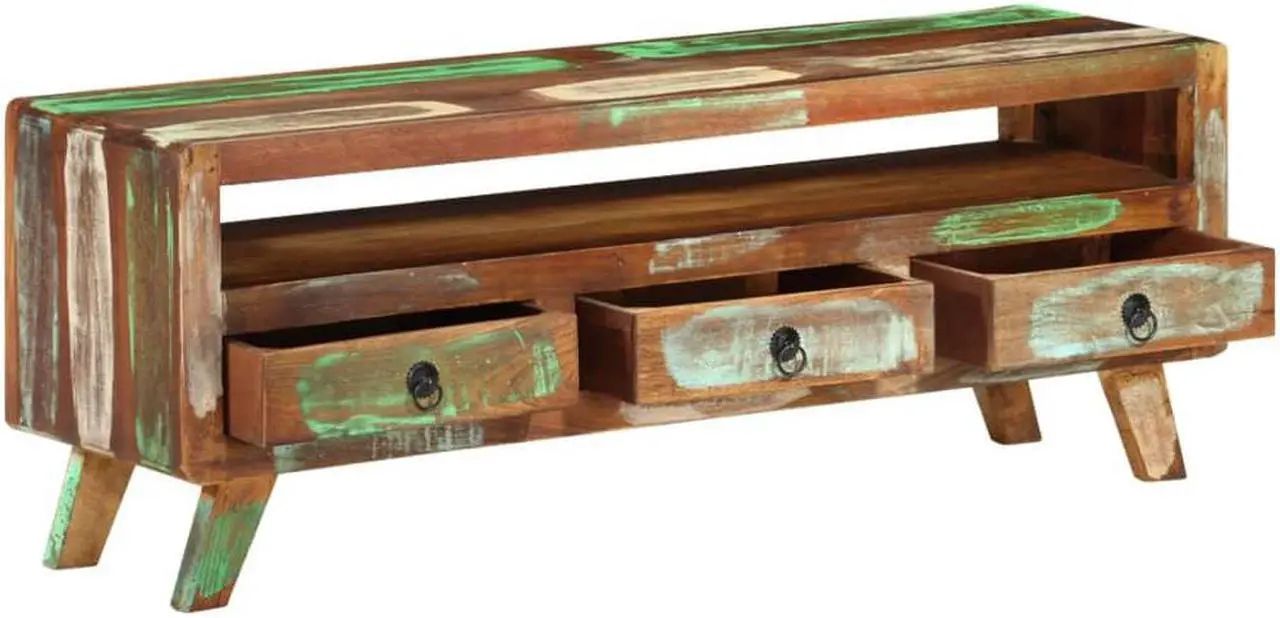
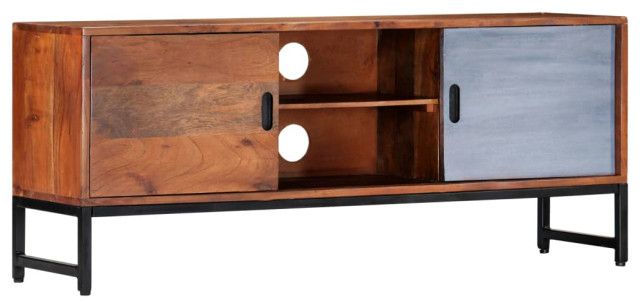
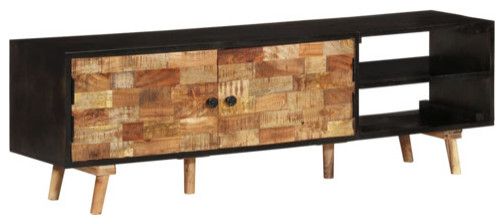
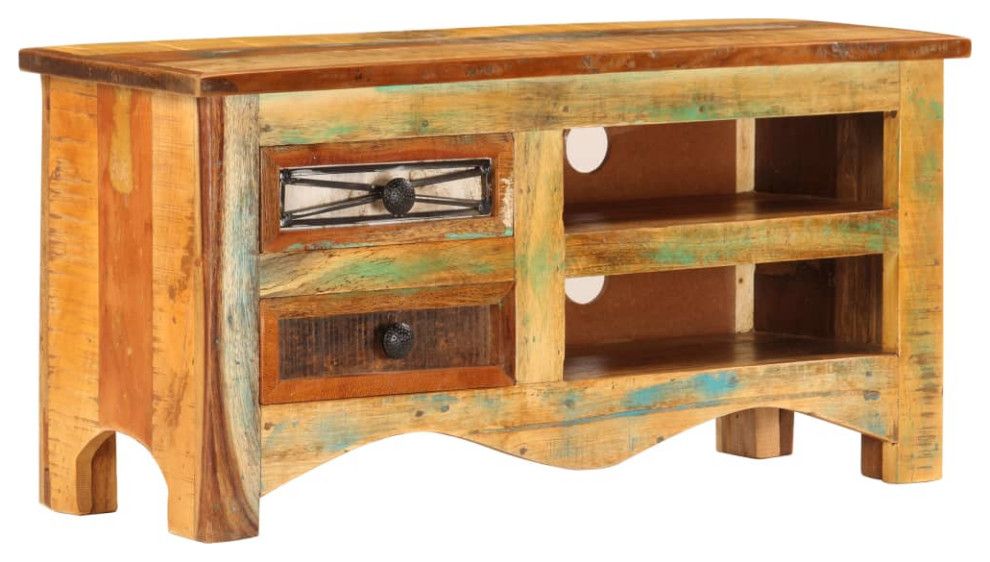
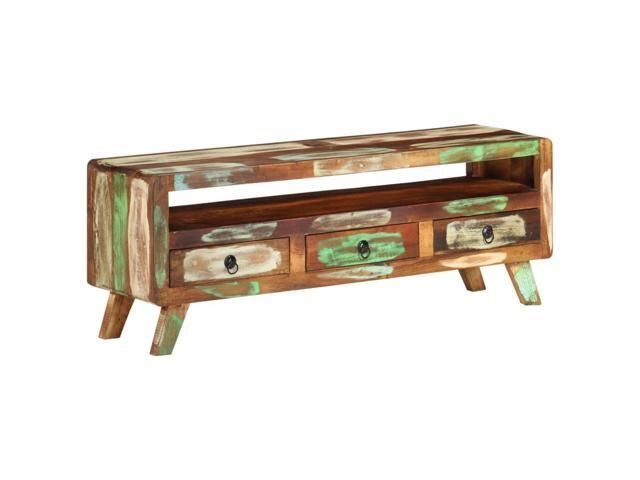
The way we build our homes and workplaces is changing. Gone are the days when furniture was simply about style and comfort. Today, the choices we make about what materials go into our chairs, tables, and sofas have profound implications for our environment and future generations. As consumers become more aware of their impact on the planet, manufacturers are responding with innovative solutions that prove you don’t have to compromise between beauty and responsibility.
Think about your last furniture purchase. Chances are, you focused on aesthetics, durability, and price. But what if I told you that behind every piece of furniture lies a story about its environmental footprint? The materials used in manufacturing have evolved far beyond simple wood and metal. Today’s furniture industry is experiencing a quiet revolution, one that’s driven by conscious choices and environmental awareness. This shift isn’t just about doing good – it’s about creating products that last longer, cost less over time, and contribute positively to our world. Whether you’re shopping for a new dining table or considering a bedroom set, understanding sustainable materials can transform your perspective on furniture buying.
What Makes a Material Sustainable?
Sustainability in furniture manufacturing goes beyond just using recycled materials. It’s about creating a complete lifecycle that considers environmental impact from start to finish. A truly sustainable material might come from responsibly managed forests, be made from renewable resources, or be designed for easy recycling at the end of its life. Take bamboo, for instance – it grows incredibly fast, requires minimal water, and regenerates quickly after harvesting. Compare that to traditional hardwoods, which can take decades to mature. The key is looking at the whole picture, not just the immediate benefits. Some materials might seem eco-friendly at first glance but could have hidden costs in terms of transportation, processing, or disposal.
Bamboo: Nature’s Superstar Material
Bamboo has emerged as one of the most exciting sustainable options in furniture manufacturing. This remarkable grass grows at an astonishing rate, some species growing up to three feet in a single day. Unlike trees that need years to reach maturity, bamboo is ready for harvest within three to five years. It produces oxygen and absorbs carbon dioxide at rates higher than most plants, making it a powerful tool against climate change. The material itself is incredibly strong, often stronger than steel on a weight-for-weight basis. Furniture makers are using bamboo to create everything from sleek dining tables to sturdy chairs. The versatility extends beyond just structural components – bamboo fiber is also being used for upholstery and decorative elements. What makes bamboo particularly appealing is its ability to be processed in various ways, from natural finishes to engineered composites that offer both beauty and durability.
Recycled Metals and Plastics
The concept of recycling furniture isn’t new, but recent innovations have made it more practical and appealing. Recycled aluminum, steel, and even plastic are finding their way into modern furniture designs. These materials bring several advantages to the manufacturing process. First, they eliminate the need for virgin materials, reducing mining and extraction impacts. Second, they often require less energy to process than creating new materials from scratch. Consider recycled aluminum furniture – it’s lightweight yet extremely durable, resistant to rust, and can be recycled again at the end of its life. Recycled plastic lumber offers similar benefits, providing weather resistance and low maintenance requirements. The challenge lies in ensuring these materials meet safety standards and aesthetic expectations. However, many manufacturers are successfully combining recycled materials with natural elements to create pieces that are both environmentally responsible and visually striking.
Cork and Cork-Based Composites
Cork might seem like an unusual choice for furniture, but it’s proving to be one of the most sustainable materials available. Harvested from cork oak trees without harming the tree itself, cork is a renewable resource that can be harvested every nine years. The bark regrows completely, making it a truly regenerative material. Cork naturally resists water, fire, and mold, making it ideal for various applications. In furniture manufacturing, cork is often combined with other materials to create composite panels that offer excellent strength and stability. These panels work well for tabletops, cabinet doors, and wall panels. The material also provides natural acoustic properties, helping to reduce noise in living spaces. What’s particularly appealing is how cork’s unique cellular structure gives it a distinctive appearance that adds character to any piece. Furniture designers are discovering that cork’s natural texture and color variations create organic, earthy looks that complement both modern and traditional design styles.
Organic and Natural Finishes
Sustainable furniture isn’t just about the materials themselves – it’s also about how those materials are treated and finished. Traditional wood treatments often involve chemicals that can be harmful to both workers and consumers. Organic finishes offer a cleaner alternative, using plant-based oils, waxes, and natural pigments. These finishes are typically biodegradable and non-toxic, making them safer for indoor air quality. Linseed oil, beeswax, and plant-based stains are becoming popular choices among environmentally conscious manufacturers. They provide protection while maintaining the natural beauty of the wood. The challenge with natural finishes is often their longevity compared to synthetic alternatives. However, many companies are developing hybrid approaches that combine natural ingredients with modern techniques to achieve better performance. Some furniture makers now offer extended warranties on pieces finished with organic treatments, demonstrating confidence in their effectiveness.
Economic Advantages of Sustainable Materials
While sustainability often gets praised for environmental benefits, it also brings significant economic advantages. Sustainable materials can actually reduce long-term costs for both manufacturers and consumers. Bamboo, for example, grows much faster than traditional timber, making it more cost-effective in the long run. Recycled materials often cost less than virgin materials, especially as demand for sustainable products increases. Many sustainable materials also require less maintenance over time, saving money on repairs and replacements. Additionally, consumers are increasingly willing to pay premium prices for sustainable furniture, recognizing the value in reduced environmental impact. The market for green furniture is growing rapidly, with studies showing that eco-conscious purchases are becoming mainstream rather than niche. Companies that invest in sustainable materials early often find themselves ahead of competitors in terms of brand reputation and customer loyalty.
The journey toward sustainable furniture manufacturing represents more than just a trend – it’s a fundamental shift in how we think about the objects that surround us daily. From bamboo’s incredible growth rate to cork’s renewable harvesting, these materials offer genuine alternatives to traditional approaches. The economic benefits, environmental advantages, and aesthetic possibilities continue to grow as technology improves and consumer awareness expands. As you consider your next furniture purchase, remember that every choice contributes to larger patterns of consumption and environmental impact. Whether you’re drawn to the warmth of reclaimed wood, the strength of recycled metals, or the natural beauty of bamboo, each sustainable option tells a story of conscious decision-making. The future of furniture manufacturing is bright, not just because of the beautiful pieces it creates, but because of the positive impact these choices have on our planet and future generations.