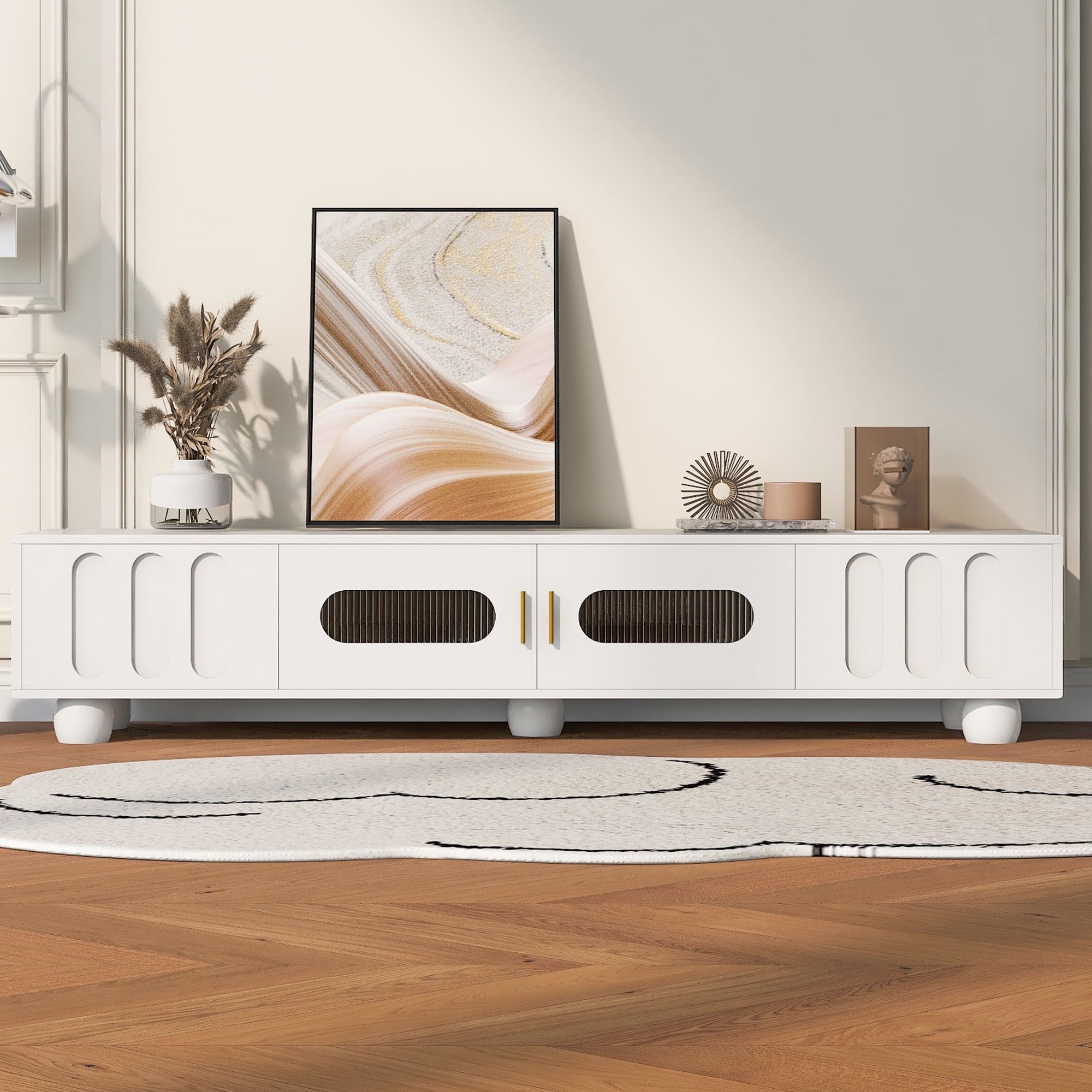
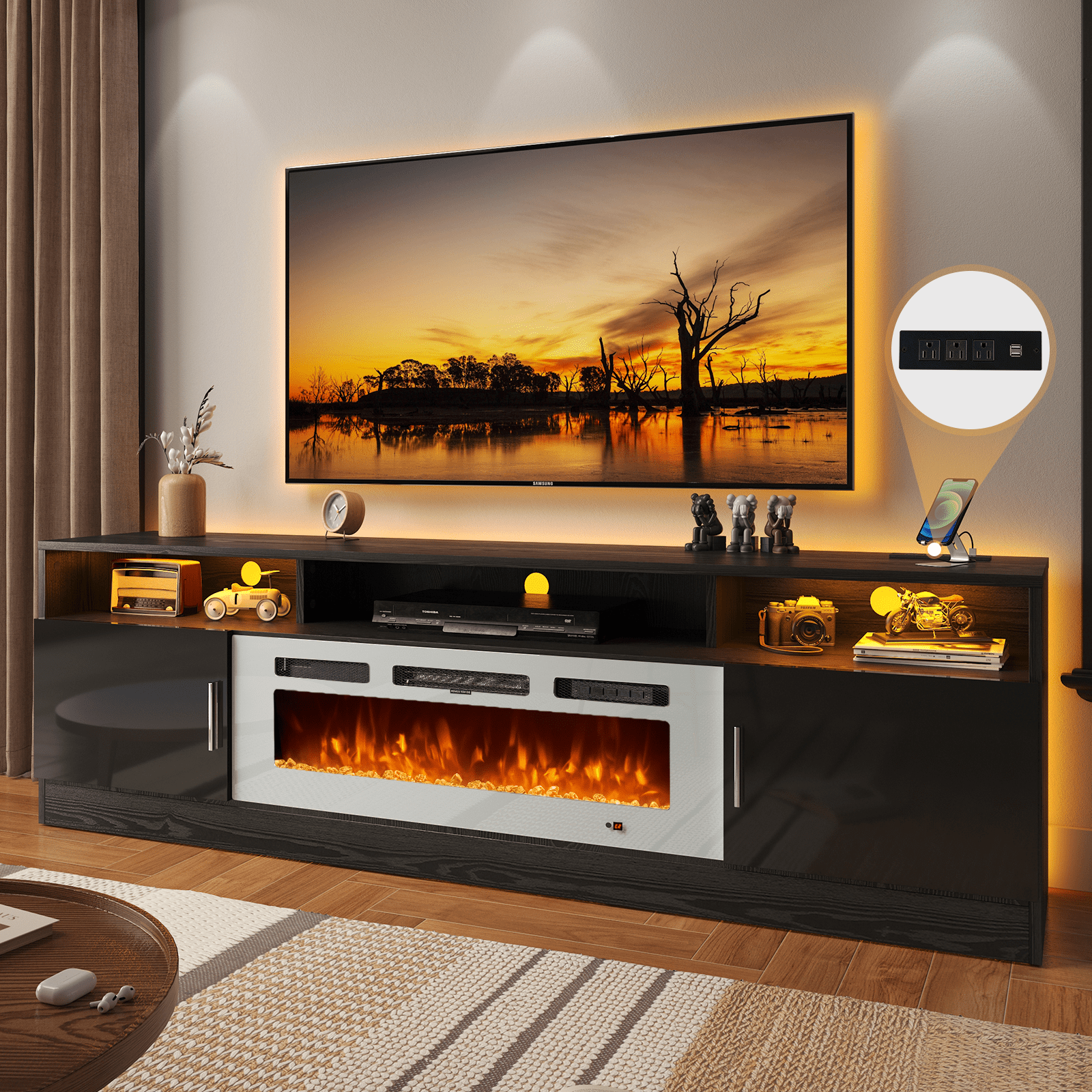
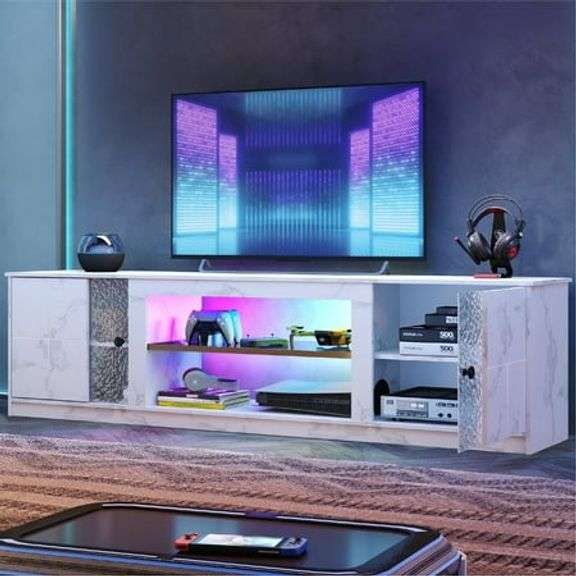
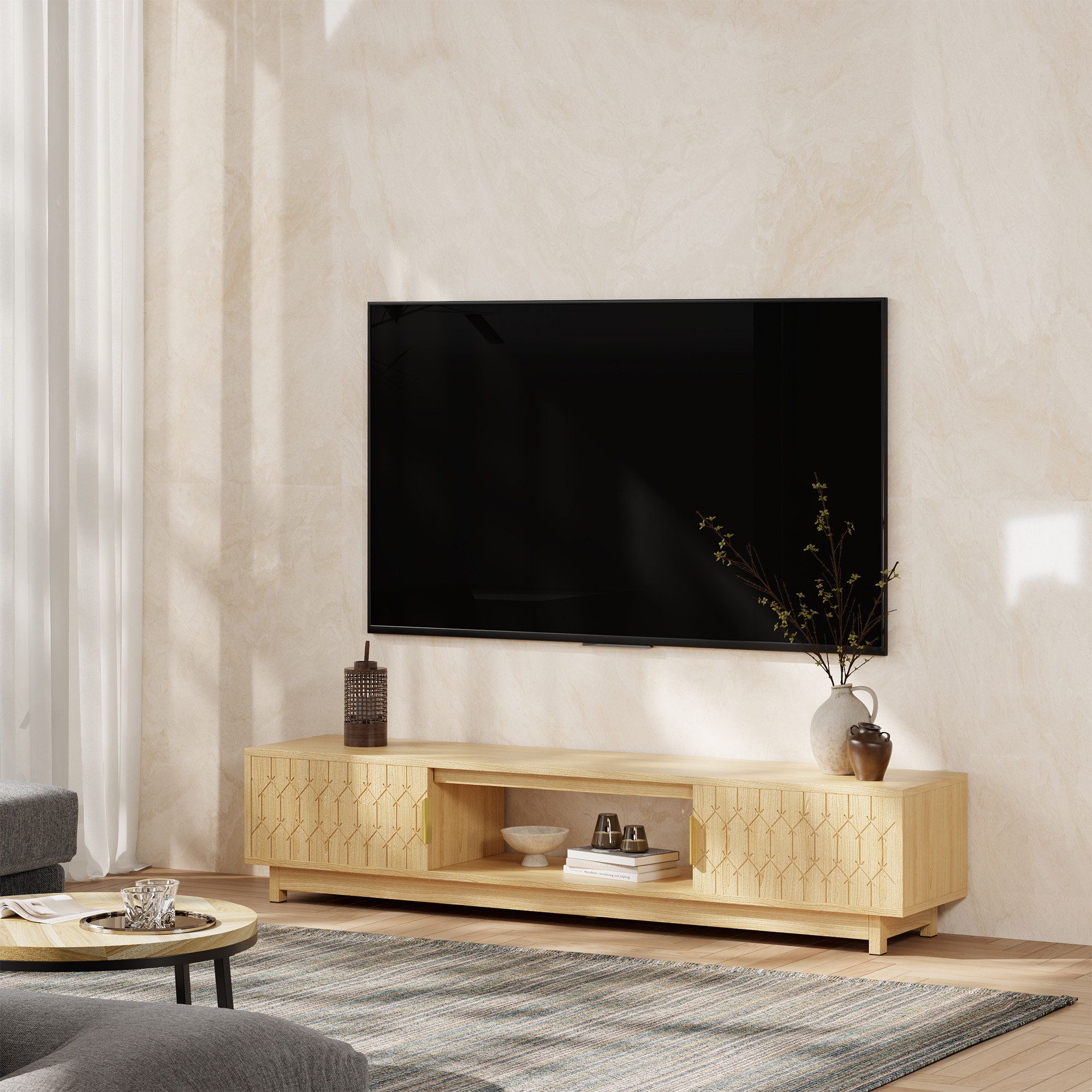
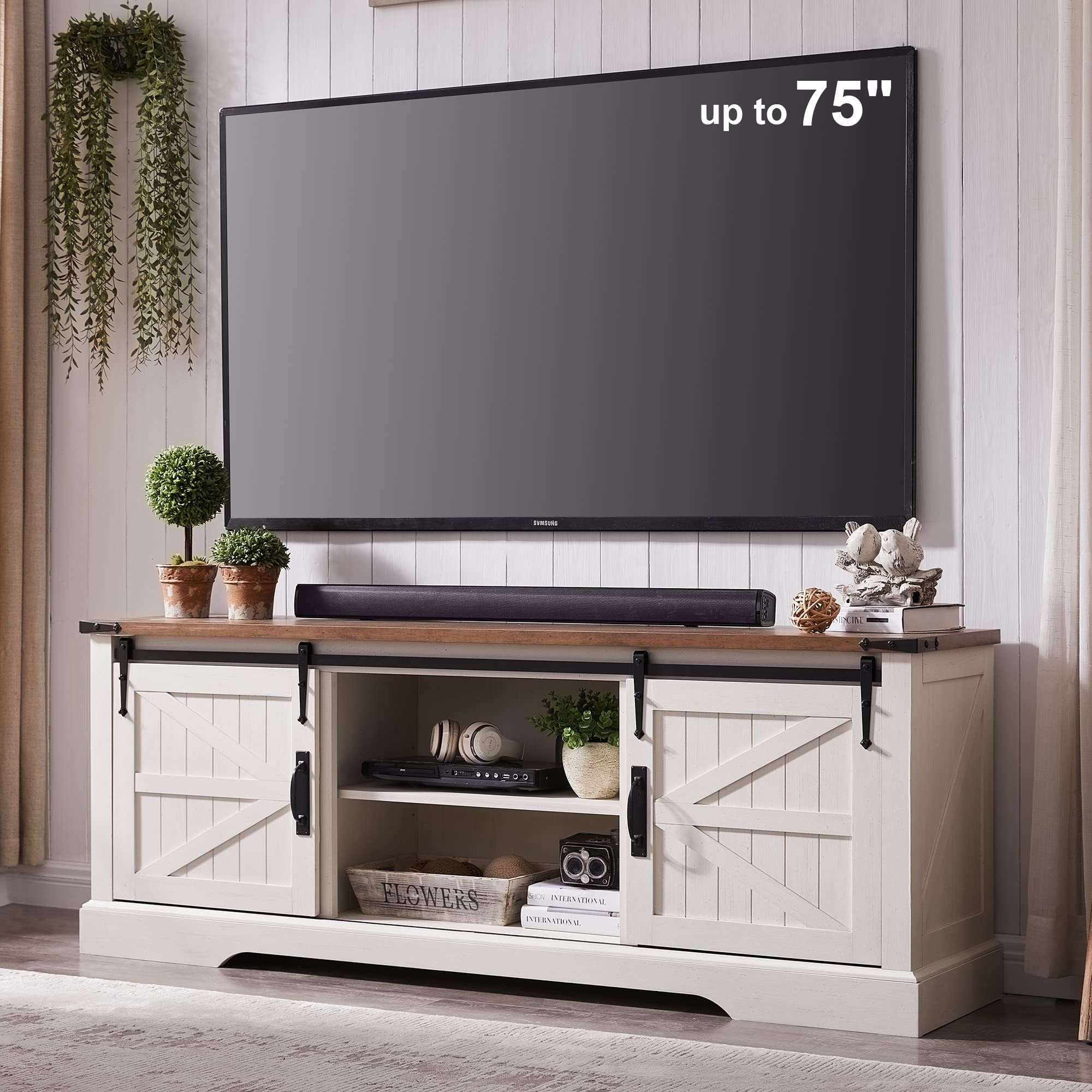
Picture this: you’re settled in your living space, surrounded by cutting-edge technology, comfortable seating, and beautiful design elements. This isn’t just a dream – it’s achievable when form and function work together in harmony. Media room design has evolved far beyond simple TV setups. Today’s successful spaces blend visual appeal with practical performance, creating environments that delight both the eye and the senses.
When it comes to creating the perfect home entertainment space, there’s a delicate dance happening between beauty and usefulness. You want your media room to look incredible, but it also needs to work flawlessly day after day. Think about it – how often do you see spaces that are so stunning they’re almost too good to use? Or worse, places that function perfectly but look like they belong in a warehouse? The magic happens when these two elements come together seamlessly. This isn’t about choosing one over the other. It’s about finding that sweet spot where your room looks fantastic AND performs exceptionally well. Every element, from the color scheme to the lighting setup, must serve both aesthetic and practical purposes. The result? A space that feels like a true sanctuary for entertainment and relaxation.
Understanding the Core Elements
Designing a media room means understanding that every component has dual roles. The walls aren’t just surfaces – they’re acoustic panels, display areas, and visual anchors all at once. Consider the speakers, for instance. They need to produce crystal-clear sound, but they also need to blend with your decor. You could go with hidden speaker systems that disappear into the walls, or choose stylish speaker designs that double as room accents. Either way, the choice impacts both form and function. Lighting plays a crucial role too. You need bright lights for setting up, but dimmable options for movie time. Smart lighting solutions can handle both tasks while adding visual interest to your space. The seating arrangement matters enormously. Comfortable chairs might look great, but they also need to provide proper viewing angles and support for long sessions. The right balance means selecting furniture that enhances the room’s appearance while meeting practical requirements.
Acoustics: The Silent Foundation
This is where many people overlook the critical connection between form and function. Acoustic treatment isn’t just about preventing echoes and sound leakage – it’s about creating a visual environment that complements your overall design. For example, fabric-wrapped acoustic panels can serve as beautiful wall art while solving audio problems. These panels come in various colors, textures, and shapes. Some look like modern artwork, others mimic architectural details. The key is matching their appearance to your room’s style while addressing the acoustic needs. Consider using textured materials for walls that naturally absorb sound. These might be wood paneling, fabric draperies, or even carefully chosen wallpapers. They create visual depth while performing their technical duties. Sometimes, the best solution involves hiding equipment behind decorative screens or built-in cabinetry. This approach maintains clean lines and aesthetic appeal while keeping cables and electronics out of sight.
Lighting Solutions That Work Hard
Good lighting design in a media room goes beyond just turning lights on and off. You’re creating layers of illumination that adapt to different activities and moods. Ambient lighting provides general room brightness during setup or socializing. Task lighting helps with specific activities like adjusting equipment or reading. Accent lighting highlights architectural features or creates dramatic effects. Smart LED systems allow you to control brightness and color temperature easily. They can shift from bright white light for working to warm amber tones for relaxing. Many modern systems integrate with smartphone apps or voice commands, making them incredibly user-friendly. Dimmer switches offer another layer of control, allowing gradual transitions between settings. The key is choosing fixtures that complement your design aesthetic rather than clashing with it. Track lighting can provide focused illumination while maintaining visual simplicity. Pendant lights add character to a room while delivering necessary illumination.
Technology Integration Without Compromise
This aspect often causes the biggest headaches for designers and homeowners alike. You want your technology to be invisible, yet still fully functional. Cable management becomes crucial – hidden pathways, raceways, and neatly organized systems keep everything looking clean. Consider the placement of outlets and connections carefully. You don’t want to compromise your design vision for convenience, but you also can’t ignore practical needs. Projection systems require specific lighting conditions and screen placements. The projector needs to be positioned correctly to avoid shadows or glare. Screen choices matter significantly – motorized screens can be hidden when not in use, maintaining visual appeal. Smart home integration allows you to control multiple systems through one interface. This reduces clutter and simplifies operation. Touchscreens or remote controls can manage everything from lighting to temperature to entertainment systems. The goal is making technology feel effortless rather than complicated.
Seating and Spatial Planning
Comfort and sightlines determine how well your room functions for its intended purpose. People spend hours in media rooms, so seating choices directly impact satisfaction levels. Recliners might seem luxurious, but they need enough room for movement and easy access. Sectional sofas offer comfort and flexibility, but they also need careful planning for optimal viewing angles. Consider the room’s shape and how people will move through it. Is there enough space for walking around? Are there clear pathways to equipment? The viewing distance affects screen size and seating arrangements. Too close and you’ll strain your eyes; too far and details become lost. Proper spatial planning ensures everyone gets the best possible experience. Storage solutions should blend with the overall design rather than standing out as utilitarian elements. Built-in shelving can hold media collections while serving as decorative features. The goal is creating a space where comfort and functionality don’t sacrifice each other.
Color Psychology and Visual Harmony
Colors don’t just look nice – they affect mood and perception. In media rooms, darker tones often work better for reducing glare and creating cinematic atmospheres. However, they need to be balanced with lighter elements to prevent feeling cramped or oppressive. Neutral colors like beige, gray, and cream provide excellent backgrounds for both technology and decor. They reflect light effectively and don’t compete with screen displays. Accent colors can add personality and visual interest without overwhelming the space. These might be bold furnishings, artwork, or carefully placed accessories. The challenge lies in selecting colors that enhance both the technology and the overall aesthetic. For example, dark wood tones can add warmth while maintaining a sophisticated look. Metallic accents bring modernity and can be incorporated through hardware, lighting fixtures, or decorative elements. Textures also play a significant role – smooth surfaces reflect light differently than rough or patterned materials. Mixing textures creates visual interest while maintaining the room’s intended atmosphere.
Balancing form and function in media room design isn’t about making compromises – it’s about finding creative solutions that serve multiple purposes beautifully. When you approach your space with this mindset, you’ll discover that aesthetic choices actually support practical needs, and functional decisions enhance visual appeal. The most successful media rooms are those where every element works together harmoniously. From the acoustic treatments that solve sound problems while adding visual interest, to the lighting that adapts to different moods and activities, each component should have dual benefits. The key is thoughtful planning and consideration of how each element will interact with others. Remember, your media room should feel like a special place where you want to spend time, not just a place to watch movies. It’s about creating a space that brings joy through both its appearance and performance. Whether you’re starting from scratch or renovating an existing area, keeping this balance in mind will guide you toward a truly exceptional result.