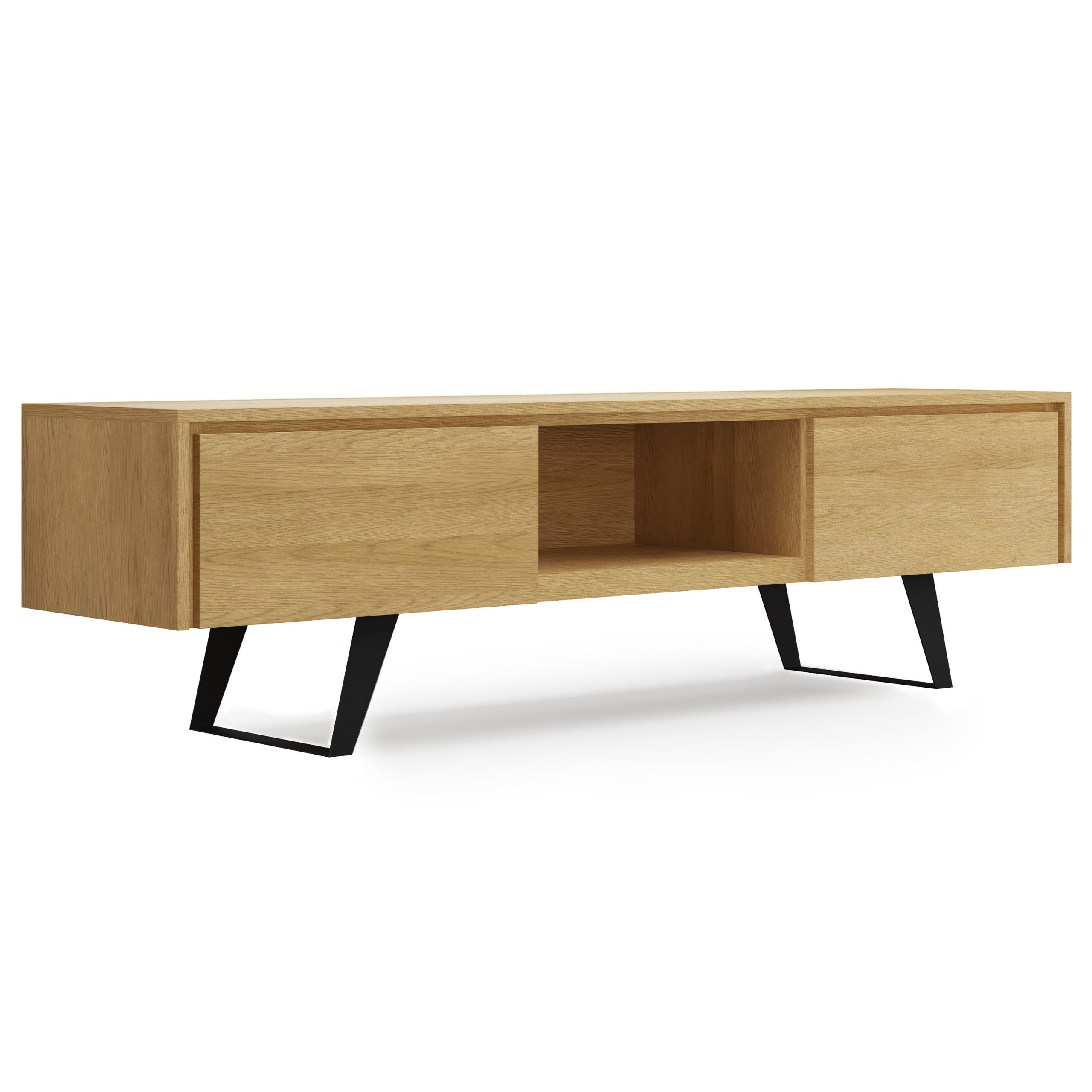
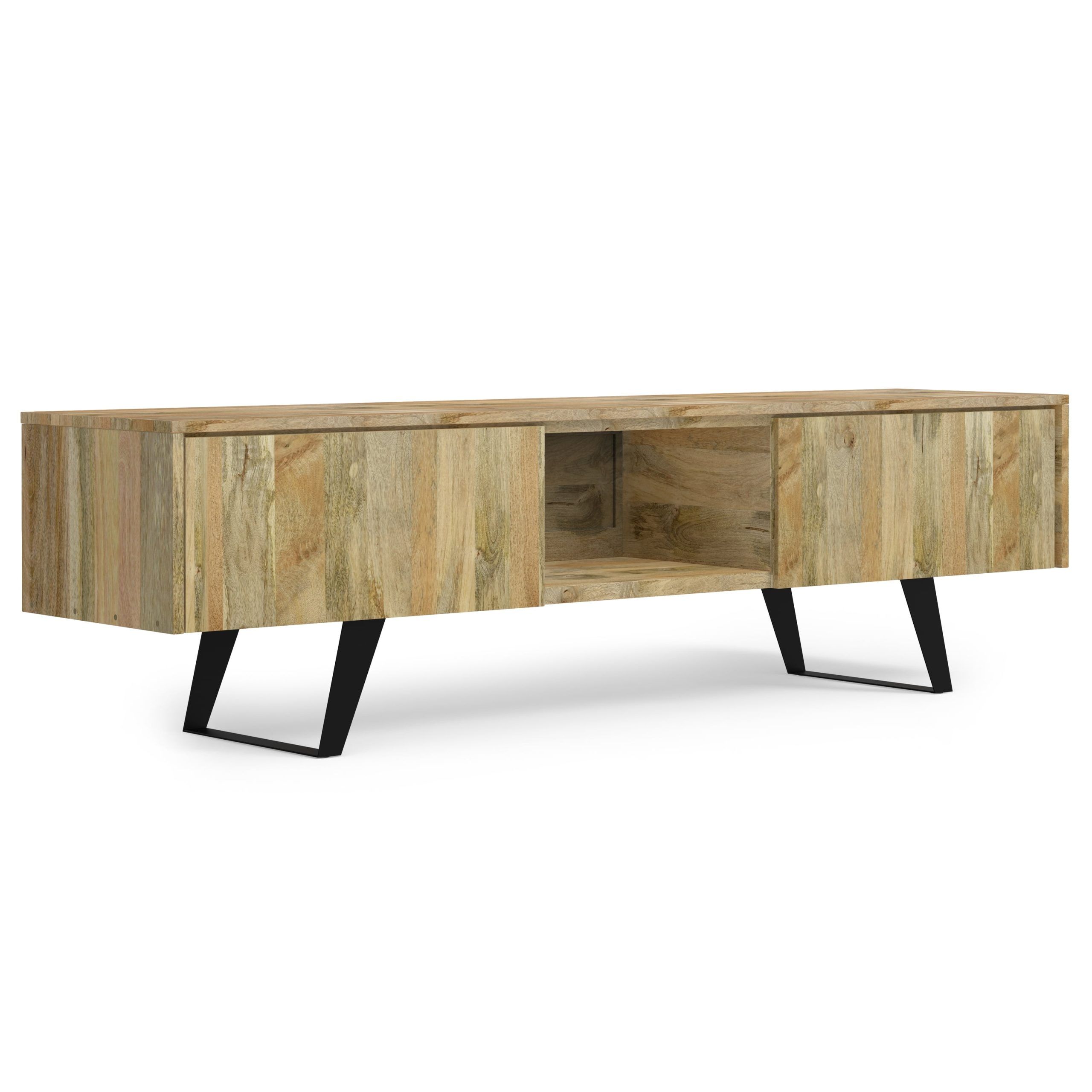
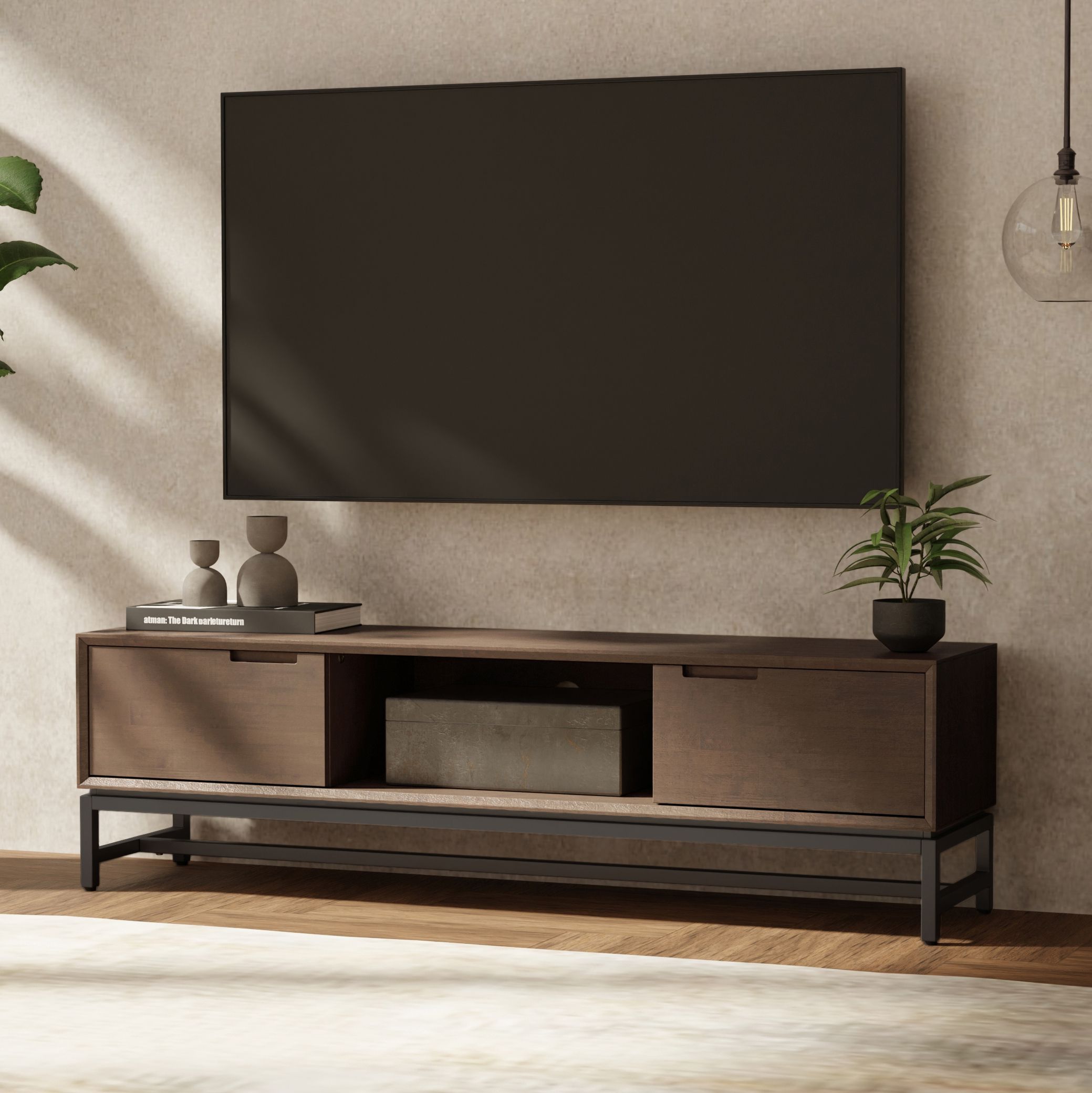
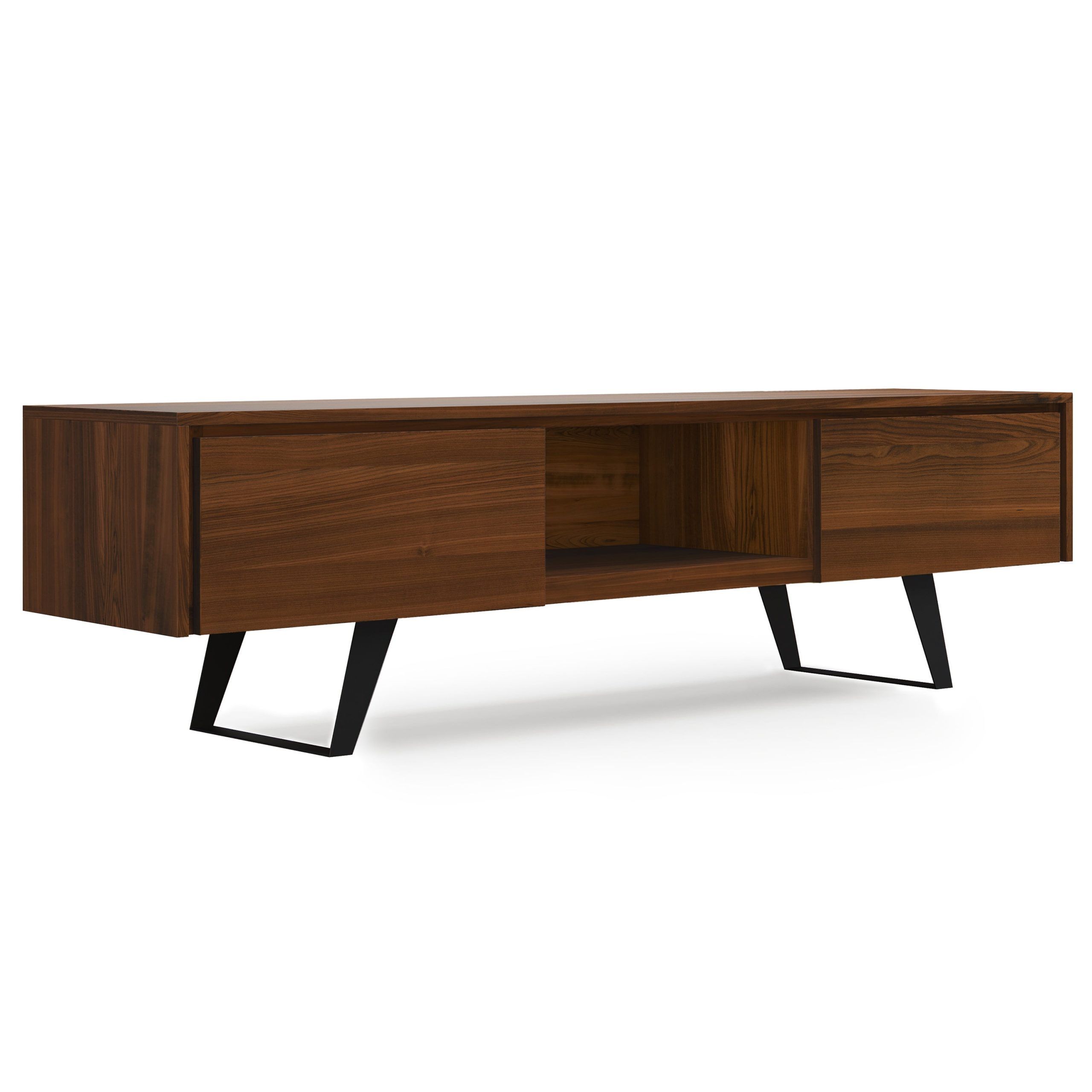
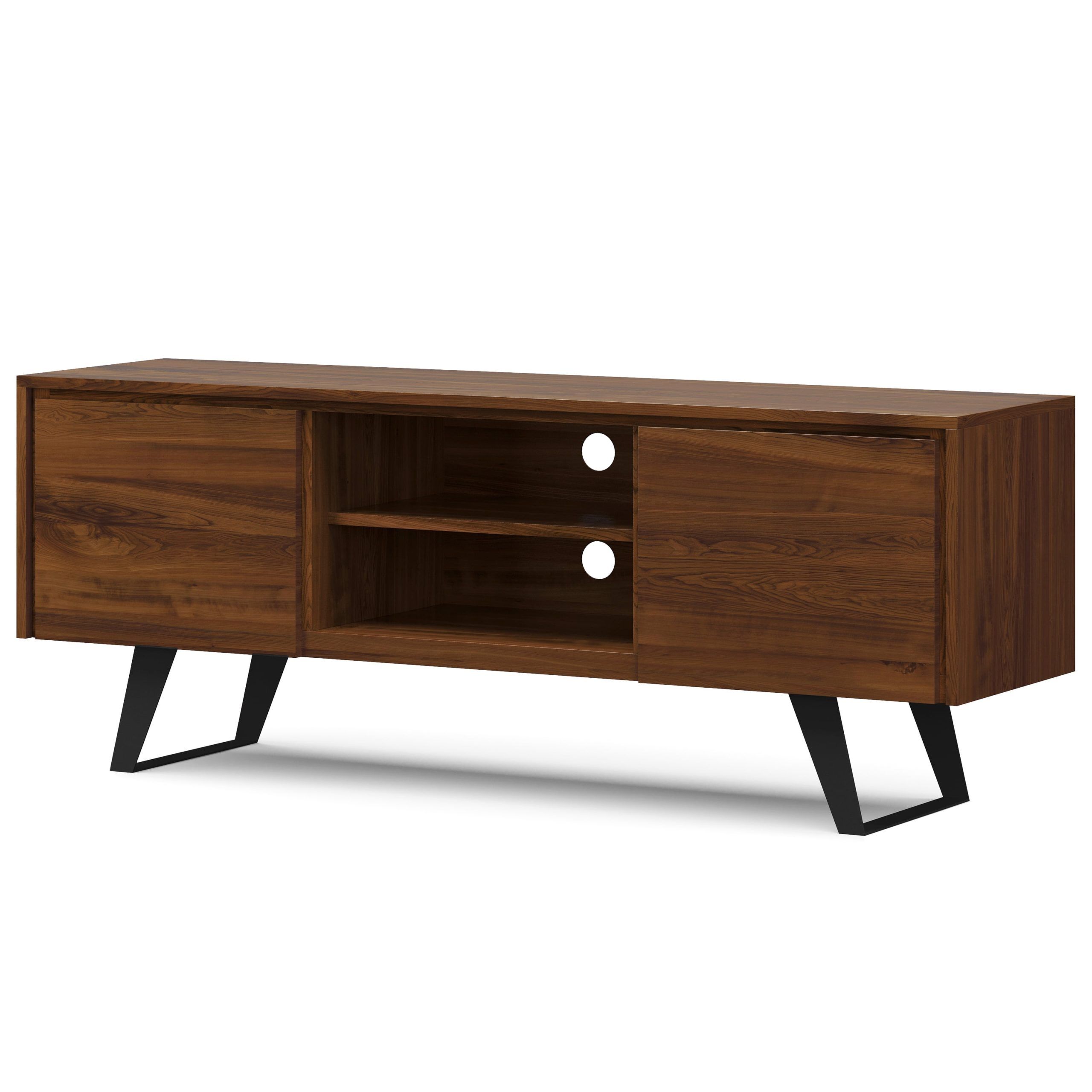
Imagine walking into a room where exposed steel beams meet warm wood tones, where the very essence of factory craftsmanship finds its way into your living space. This isn’t just a design trend – it’s a complete aesthetic shift that’s transforming how we think about home entertainment furniture. What started as a nod to urban loft living has evolved into something much bigger, influencing everything from television stands to entire media centers.
There’s something undeniably captivating about furniture that looks like it belongs in a warehouse rather than a living room. The industrial aesthetic – characterized by raw materials, exposed elements, and utilitarian forms – has found its way from industrial spaces into our homes. When it comes to entertainment furniture, this movement represents more than just a visual choice; it’s a statement about how we want our spaces to feel and function. Whether you’re setting up a home theater or simply looking to upgrade your media center, industrial design offers solutions that are both visually striking and surprisingly practical.
What Makes Industrial Design So Appealing?
The industrial aesthetic draws us in because it’s honest. Unlike traditional furniture that often hides its construction, industrial pieces celebrate their raw nature. Think of exposed metal brackets, unfinished wood surfaces, and the natural patina of steel. This approach works particularly well in home entertainment setups because it mirrors the functional requirements of modern technology. The look speaks to our desire for authenticity in an age of mass production. There’s a certain romance in pieces that show their work, their history, and their purpose. You might wonder why anyone would want furniture that looks like it came from a construction site, but there’s actually something deeply satisfying about the unpretentious honesty of industrial design.
Key Materials and Their Role in Modern Entertainment Furniture
Steel and iron form the backbone of most industrial entertainment furniture. These metals aren’t just structural elements – they’re design statements. Steel pipes can become sleek TV stands, while ironwork can create dramatic shelving units. Wood plays a crucial supporting role too. Reclaimed timber brings warmth to cold metal frames, while raw lumber adds texture and contrast. The combination creates a dynamic tension that makes spaces feel alive and interesting. Consider how a steel frame with wooden shelves can house your streaming devices while maintaining that distinctive industrial look. The beauty lies in the juxtaposition – the hard and soft, the old and new, the functional and aesthetic all coexisting in harmony.
Design Elements That Define the Industrial Look
Exposed elements are perhaps the most recognizable feature. You’ll see bolts, pipes, and framework visible rather than hidden. This openness creates a sense of transparency and honesty in design. The color palette typically favors neutral tones – grays, blacks, browns, and whites – with occasional pops of color. Hardware often includes brushed steel, matte finishes, and aged textures. Functional design is paramount; every element should serve a purpose. This means storage solutions that are both beautiful and practical, with cable management built right into the structure. The overall effect is a piece that feels both sophisticated and grounded in real-world utility.
Practical Benefits Beyond Visual Appeal
Industrial design isn’t just about looking good – it’s about working well too. The robust construction means these pieces can handle the weight of modern electronics with ease. Steel frames provide excellent stability for large screens, while the open design allows for better heat dissipation. Cable management becomes part of the design rather than an afterthought, keeping wires organized and out of sight. Many industrial pieces are modular, meaning you can adjust them as your needs change. The durability factor is impressive – these pieces are built to last decades, not seasons. Think about how many times you’ve had to move or reconfigure your entertainment setup. Industrial furniture often adapts better to those changes than traditional alternatives.
Integrating Industrial Aesthetics Into Existing Spaces
One of the strengths of industrial design is its adaptability. It can work in traditional homes, modern apartments, or eclectic spaces. Start by choosing one focal point – perhaps a dramatic industrial TV stand – and build around it. The key is balance. Too much rawness can overwhelm a space, so pair industrial elements with softer textures like throw pillows or area rugs. Consider the scale carefully; a massive steel cabinet might dominate a small room, while a smaller industrial piece can create subtle interest in larger spaces. The goal isn’t to transform your entire home overnight, but to add character and personality to your entertainment area.
Common Mistakes and How to Avoid Them
Many people make the mistake of going overboard with industrial elements, creating spaces that feel harsh or unwelcoming. Remember that the best industrial designs strike a balance between rawness and comfort. Another common error is ignoring the practical aspects – industrial furniture needs proper ventilation and cable management. Don’t let the aesthetic drive away from functionality. Some people think industrial means completely unfinished, but that’s not always necessary. The key is finding the right level of finish and texture that suits your personal style and lifestyle. Finally, consider the lighting – industrial spaces often benefit from warm, ambient lighting to soften the starkness of metal and concrete elements.
The industrial aesthetic in home entertainment furniture represents more than just a passing trend – it’s a thoughtful response to how we live and interact with technology today. By combining raw materials with careful design, these pieces offer both visual impact and practical benefits that traditional furniture often cannot match. Whether you’re building a new entertainment center or updating an existing one, industrial design provides a compelling pathway to create spaces that are both functional and emotionally resonant. The key is understanding that this aesthetic isn’t about rejecting comfort for the sake of appearance, but rather about finding new ways to express personality through honest, well-crafted design. The future of home entertainment furniture may well lie in embracing this bold, uncompromising approach to beauty and function.