Corner furniture can transform a living room, but only when placed thoughtfully. The right arrangement creates flow, draws the eye, and makes a space feel intentional rather than cluttered.
Every room tells a story, and your living room is no exception. When you think about it, corners often get overlooked in the design process. They’re tucked away, seemingly insignificant. But here’s the thing – corners are actually powerful spots in a room. They can become focal points or quiet nooks. The secret lies in how you treat them. Specifically, how you handle corner furniture. Whether you’re working with a small apartment or a sprawling family room, corner pieces have the ability to either enhance your space or make it feel unbalanced. It’s all about intention and understanding how to create visual harmony.
Understanding Visual Weight in Corner Spaces
Visual weight is like gravity in design. Some elements pull your eye more strongly than others. Heavy furniture, bold colors, and large shapes carry more weight than light pieces or subtle textures. In corner spaces, this becomes even more critical because corners naturally create angles and lines that can either guide or disrupt the flow of a room.
Think about it like this: if you were standing in a room and looked toward a corner, what would catch your attention first? Is it the big, dark sofa that dominates the area? Or perhaps a tall bookshelf that reaches toward the ceiling? Those are heavy elements. They demand attention. On the other hand, a small accent chair or a delicate lamp might seem lighter in comparison.
When placing corner furniture, consider the visual weight of each piece. A large sectional might look great in one corner, but if there’s nothing else in the room to balance it out, it could make the entire space feel top-heavy or lopsided. The goal isn’t just to fill the corner – it’s to create a sense of equilibrium.
Choosing the Right Corner Pieces
Not every piece of furniture works well in a corner. You want to select items that complement the room’s overall aesthetic while also serving a purpose. Let’s break this down:
• Sectionals – These are excellent for larger corners and offer comfort and conversation space. However, they require careful placement to avoid overwhelming the room.
• Bookcases – Tall and narrow, these work beautifully in corners and can add vertical interest. They’re also practical for storage.
• Accent chairs – These are perfect for smaller corners. They don’t take up too much space and can serve as cozy reading nooks.
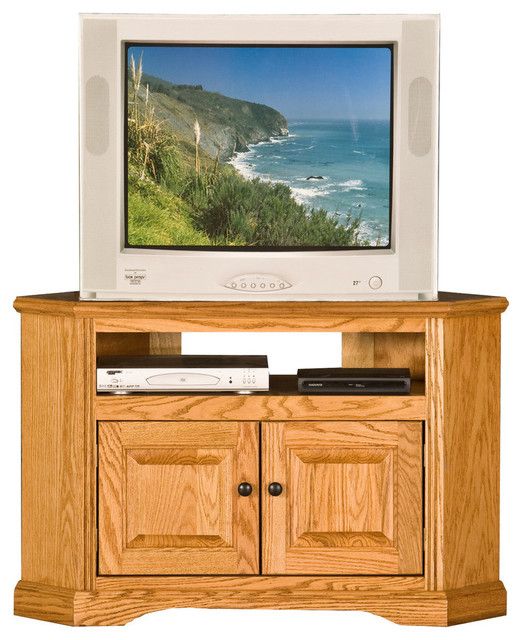
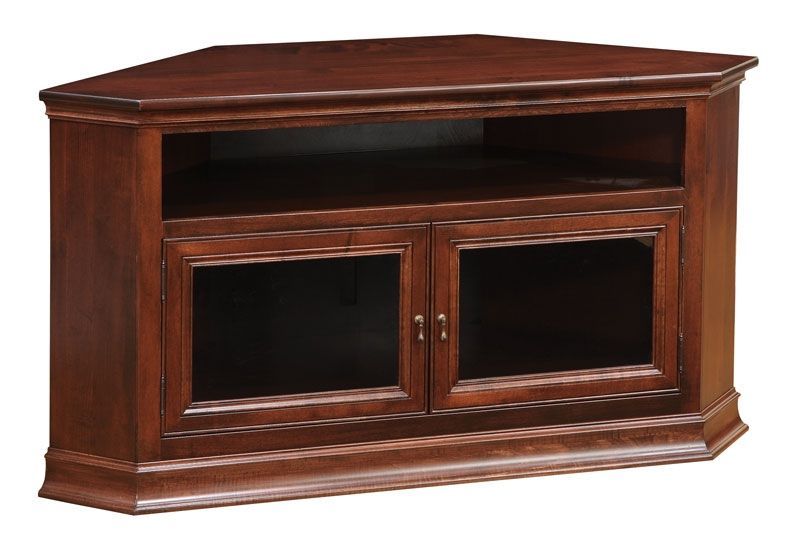
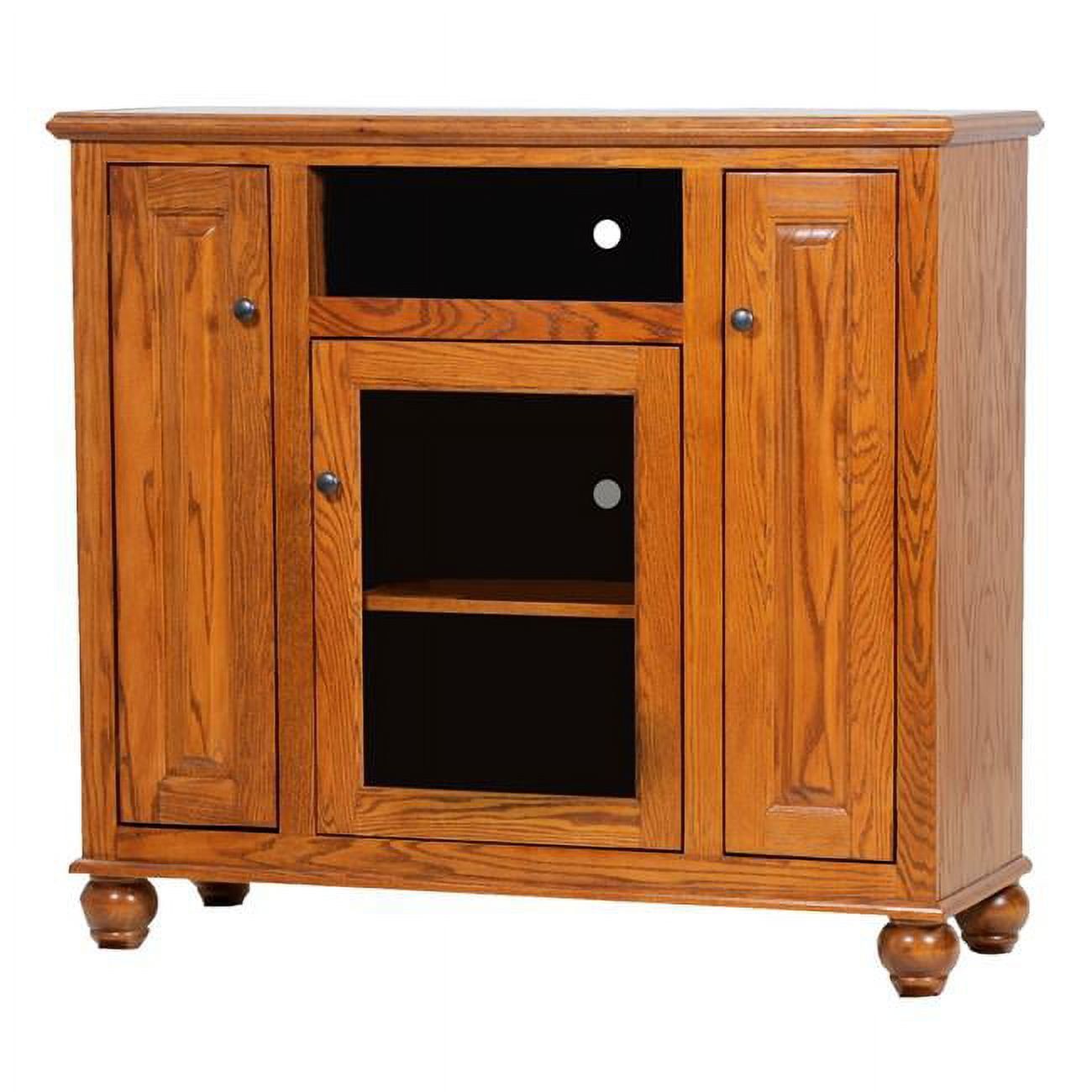
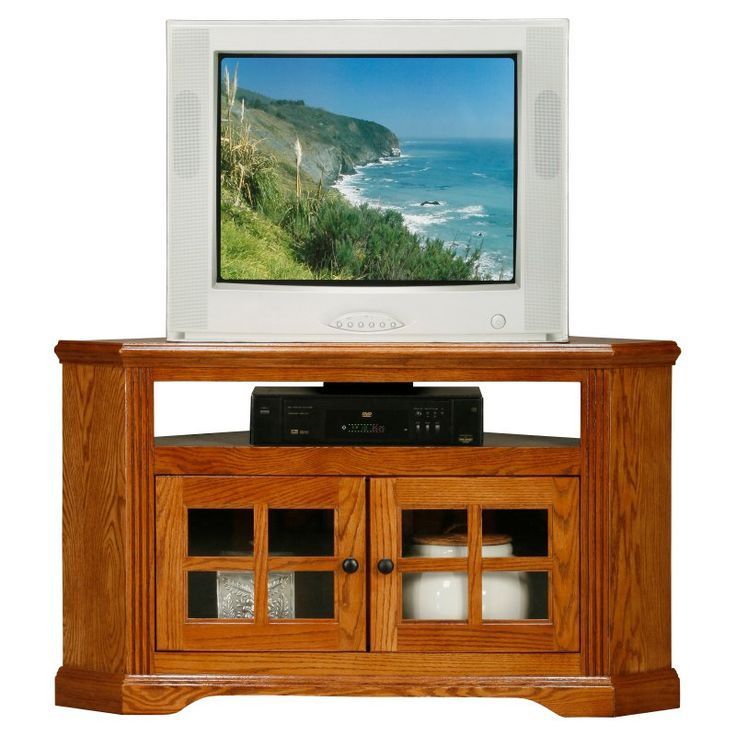
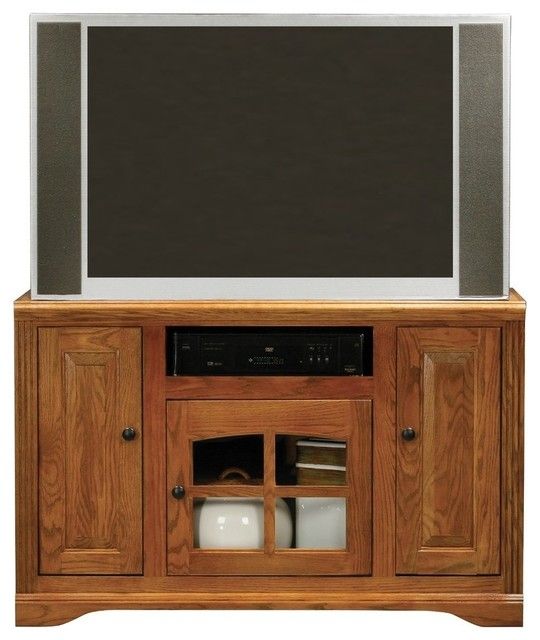
• TV stands or media units – These are ideal for corners where you want to showcase electronics while maintaining a clean look.
• Side tables – These are great for adding functional and visual balance to a corner.
The key is matching the scale of the piece to the size of the corner. A massive console won’t fit well in a tiny corner, and a tiny side table may get lost in a large space. Consider both the physical dimensions of the furniture and its visual impact on the room.
Proportional Placement Techniques
The way you position corner furniture affects how the whole room feels. Proportion plays a big role here. You want to ensure that the pieces you choose don’t dominate the space or make it feel cramped.
Here’s how to approach proportionality:
• Rule of Thirds: Imagine your room divided into thirds both horizontally and vertically. Place your corner furniture along these imaginary lines to create a balanced composition.
• Scale Matching: If you have a large coffee table, consider placing a matching or slightly smaller piece in the opposite corner. This helps maintain visual equilibrium.
• Symmetry vs. Asymmetry: Symmetrical arrangements feel stable and traditional, while asymmetrical designs can be more dynamic and modern. Both approaches can work, depending on your style preferences.
For example, if you place a large L-shaped sofa in one corner, consider balancing it with a smaller, complementary piece in another corner. This prevents the room from feeling one-sided or off-balance.
Creating Flow and Movement
A well-designed room guides your eye around the space naturally. Corners can either support or hinder this flow, depending on how they’re used.
To create good movement:
• Avoid blocking pathways – Make sure people can walk freely around and through the room. A corner piece shouldn’t force anyone to walk around it or squeeze through tight spaces.
• Use furniture to direct traffic – Think of corner pieces as part of the room’s layout. If you want to encourage conversation, position furniture so that people can easily face each other.
• Consider sightlines – What do you see when you stand in different spots in the room? Are there any blind spots or awkward angles that could be improved?
For instance, a tall bookcase in a corner can block the view across the room. Instead, try placing it at an angle or using a lower, wider piece that allows for better sightlines. Sometimes, a little creative positioning can make a huge difference.
Color and Texture Coordination
Colors and textures are like ingredients in a recipe. They must blend together to create a harmonious result. In corner furniture, this means thinking about how colors and materials interact with the rest of the room.
• Color Harmony: Choose pieces that either match or complement existing colors in the room. A warm-toned corner chair can tie in with a neutral couch, or a bold blue corner side table can provide a striking contrast.
• Texture Contrast: Adding texture can break up monotony. A smooth leather chair next to a rough wood console creates interesting visual depth. Just be careful not to go overboard – too many contrasting textures can make a room feel chaotic.
• Material Balance: If you have a lot of metal or glass in your living room, consider incorporating some wood or fabric elements in your corner furniture to soften the look.
Think of a room as a painting. Each piece of furniture contributes to the overall tone and mood. When you carefully consider color and texture in corner placements, you’re essentially creating a visual rhythm that ties everything together.
Practical Tips for Small and Large Spaces
Whether you’re working with a compact studio or a spacious open-plan living area, the principles remain the same. Here’s how to adapt corner furniture placement for different room sizes:
Small Spaces:
• Use corner pieces to maximize storage without taking up floor space.
• Choose lightweight, multi-functional furniture.
• Keep the corner furniture low to avoid making the room feel cramped.
Large Spaces:
• Fill empty corners with statement pieces to anchor the room.
• Use taller furniture to draw the eye upward and create a sense of height.
• Consider grouping multiple pieces in a corner to define a seating area or dining zone.
In both cases, remember that less is often more. Don’t overcrowd a corner just because it’s available. A single well-placed piece can be more impactful than several smaller ones. The goal is to enhance the space, not to fill it with unnecessary items.
Real-Life Examples and Case Studies
Let’s look at a few scenarios to see how these concepts play out in practice:
Case Study 1: The Modern Apartment
In a small downtown loft, a sleek corner TV stand was positioned diagonally to avoid the main entrance. This allowed the room to feel open while still providing a dedicated entertainment area. The stand was paired with a minimalist side table and a small plant, keeping the corner light and airy.
Case Study 2: The Family Home
A large family room had a corner with two bookshelves on either side of a window. The shelves were filled with books and decorative objects, creating a cozy reading nook. The arrangement balanced the natural light coming through the window, making the corner feel welcoming and functional.
Case Study 3: The Open Concept
An open kitchen and living room space featured a corner with a large sectional and a matching corner bench. The bench was positioned so that it created a defined seating area, separating the living space from the dining area without using walls or curtains. This made the space feel cohesive and well-organized.
These examples show that effective corner placement is less about following rigid rules and more about understanding how furniture interacts with the room’s energy and function.
Common Mistakes to Avoid
Even experienced designers sometimes fall into traps when placing corner furniture. Here are some common pitfalls to watch out for:
• Overcrowding corners – Too many pieces in one corner can make it feel cluttered and chaotic.
• Ignoring traffic flow – Placing furniture in high-traffic areas can cause inconvenience and safety issues.
• Mismatched proportions – A large piece in a small corner can overwhelm the space.
• Neglecting lighting – Corners can become shadows if not properly lit. Consider adding a small lamp or wall sconce.
• Forgetting about function – Just because something looks good doesn’t mean it serves a purpose. Always ask yourself why you’re placing something there.
Each of these mistakes can be corrected with a little thought and planning. The key is to step back and evaluate how the corner furniture affects the entire room.
Final Thoughts on Corner Harmony
Creating visual balance with corner furniture isn’t rocket science, but it does require attention to detail and a thoughtful approach. The goal isn’t to create a perfectly symmetrical room – though that can certainly work – but to make sure every element, including the corner pieces, supports the overall flow and function of the space.
Remember, a corner is just a spot in the room. It’s how you use that spot that makes the difference. Whether you’re aiming for a cozy reading corner or a dynamic conversation area, the right corner furniture can elevate your living space. Start by considering the visual weight, proportions, and flow of the room. Then, let your creativity guide you. The best results come when you combine practicality with aesthetic appeal.
Corner furniture is more than just a place to put things – it’s a chance to shape how your living room feels and functions. When you approach corners with intention and understanding, you can turn those often-overlooked spaces into powerful design features. Whether you’re working with a tiny apartment or a grand home, the principles of visual balance apply. By choosing the right pieces, placing them thoughtfully, and avoiding common mistakes, you can create a living room that feels both beautiful and lived-in. The magic happens when you stop seeing corners as dead ends and start viewing them as opportunities for creativity and connection.