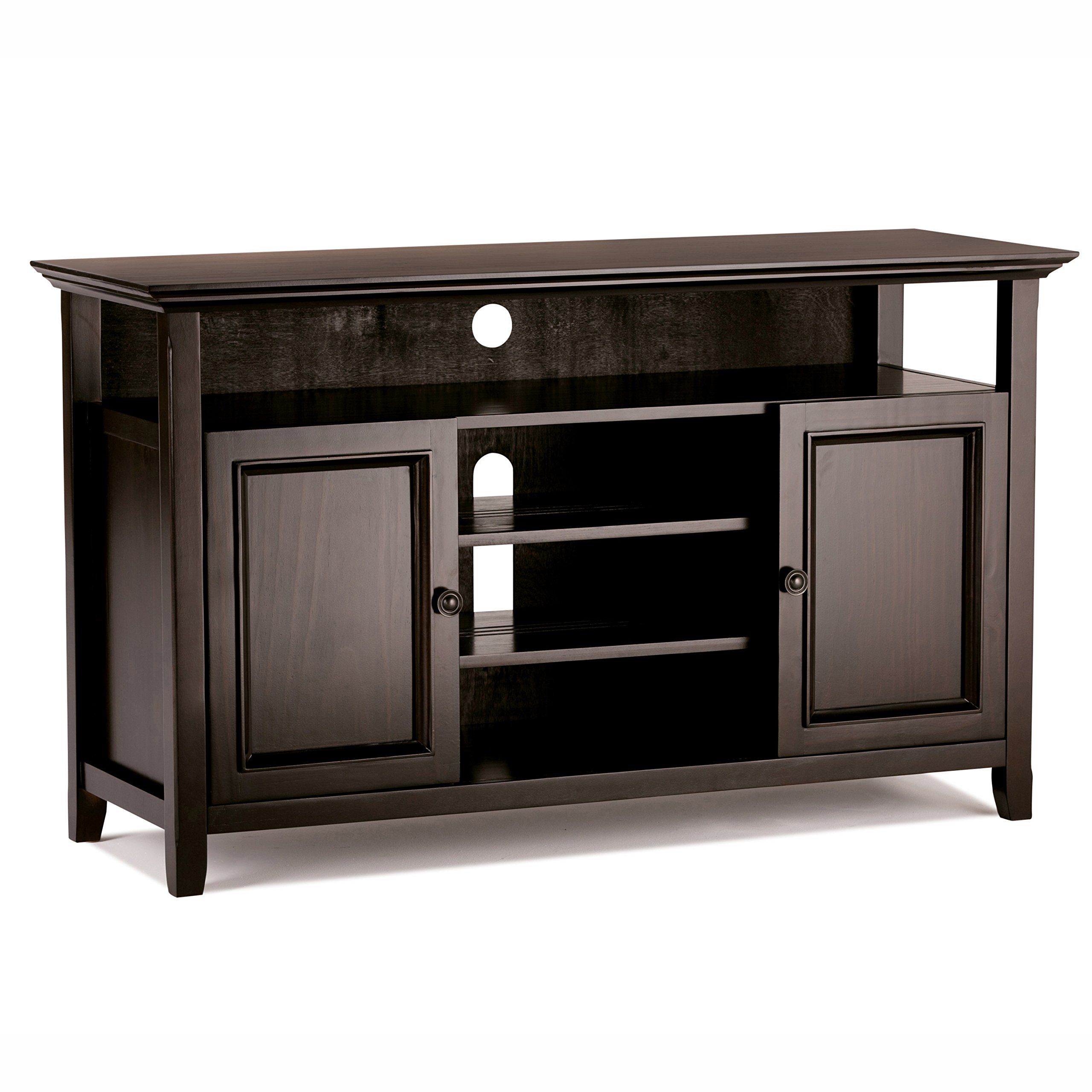
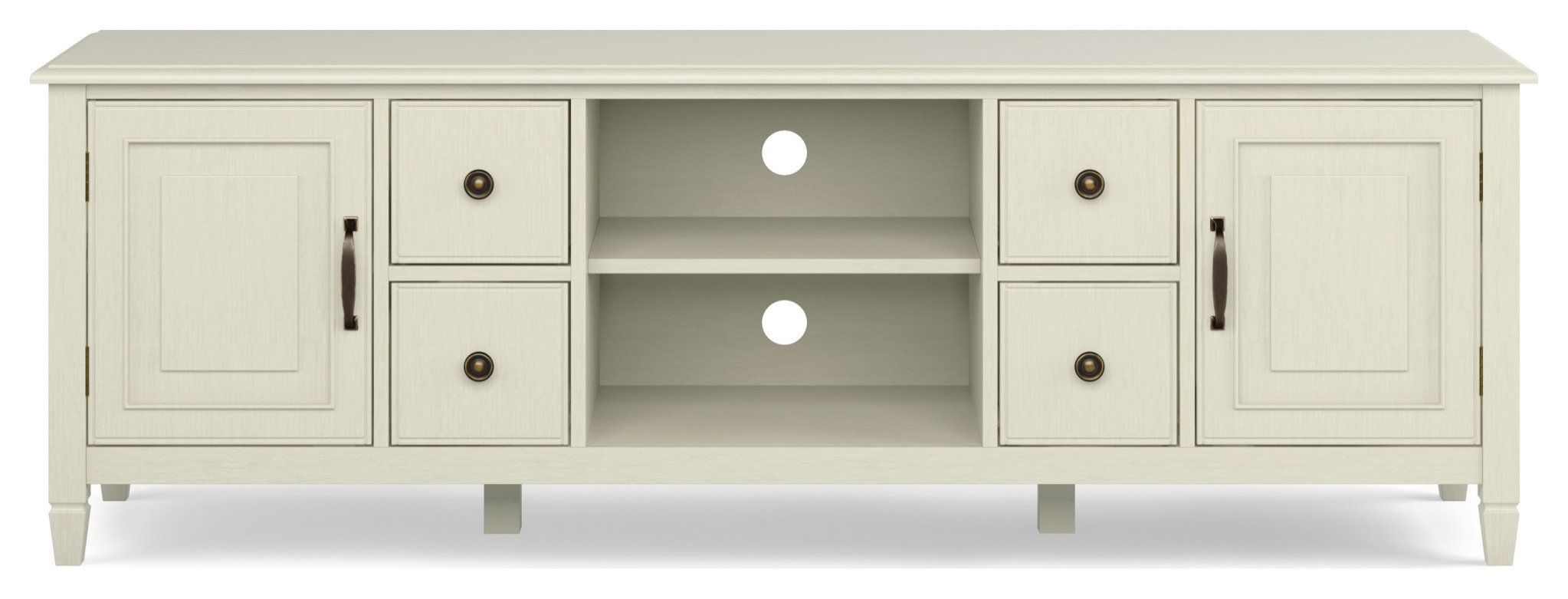
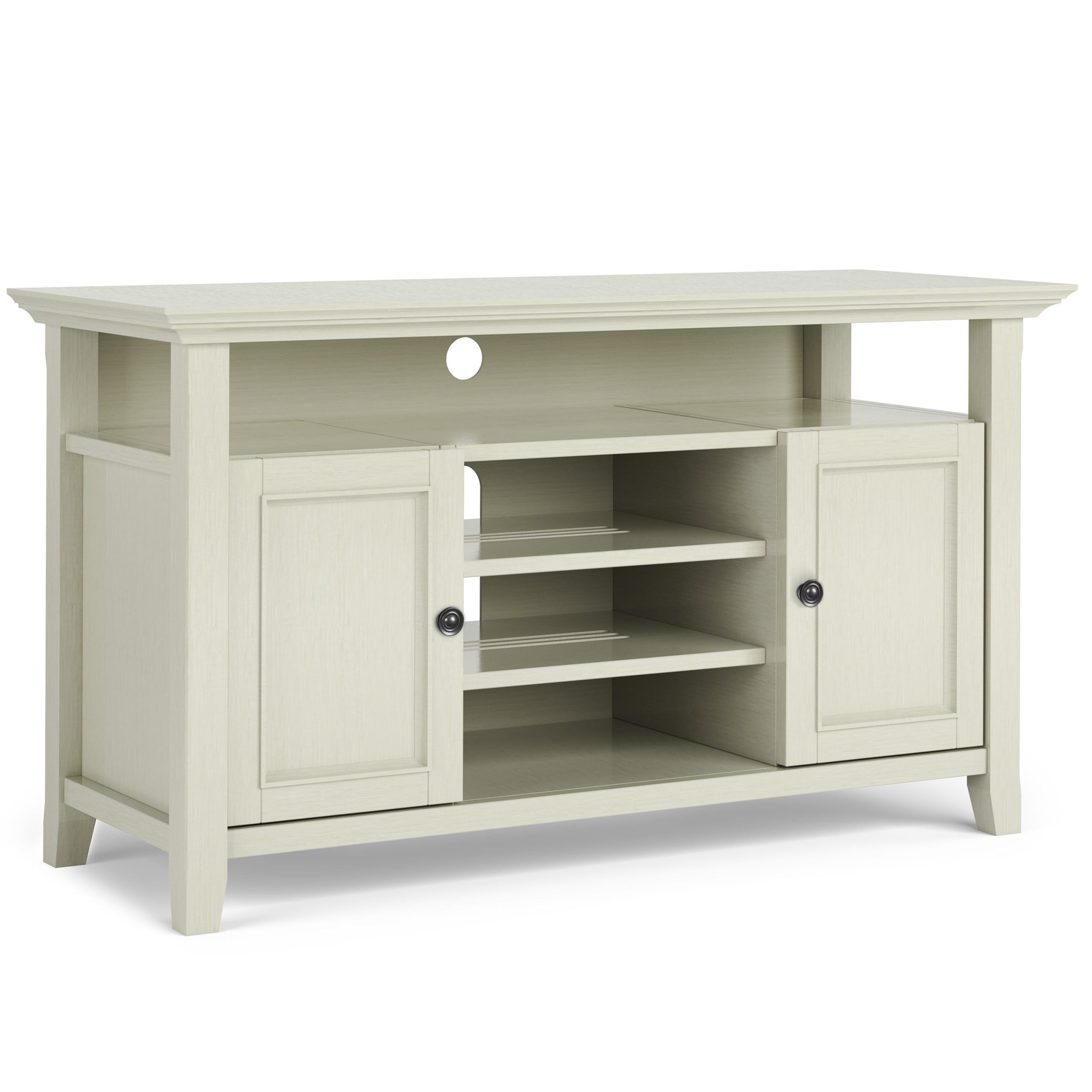
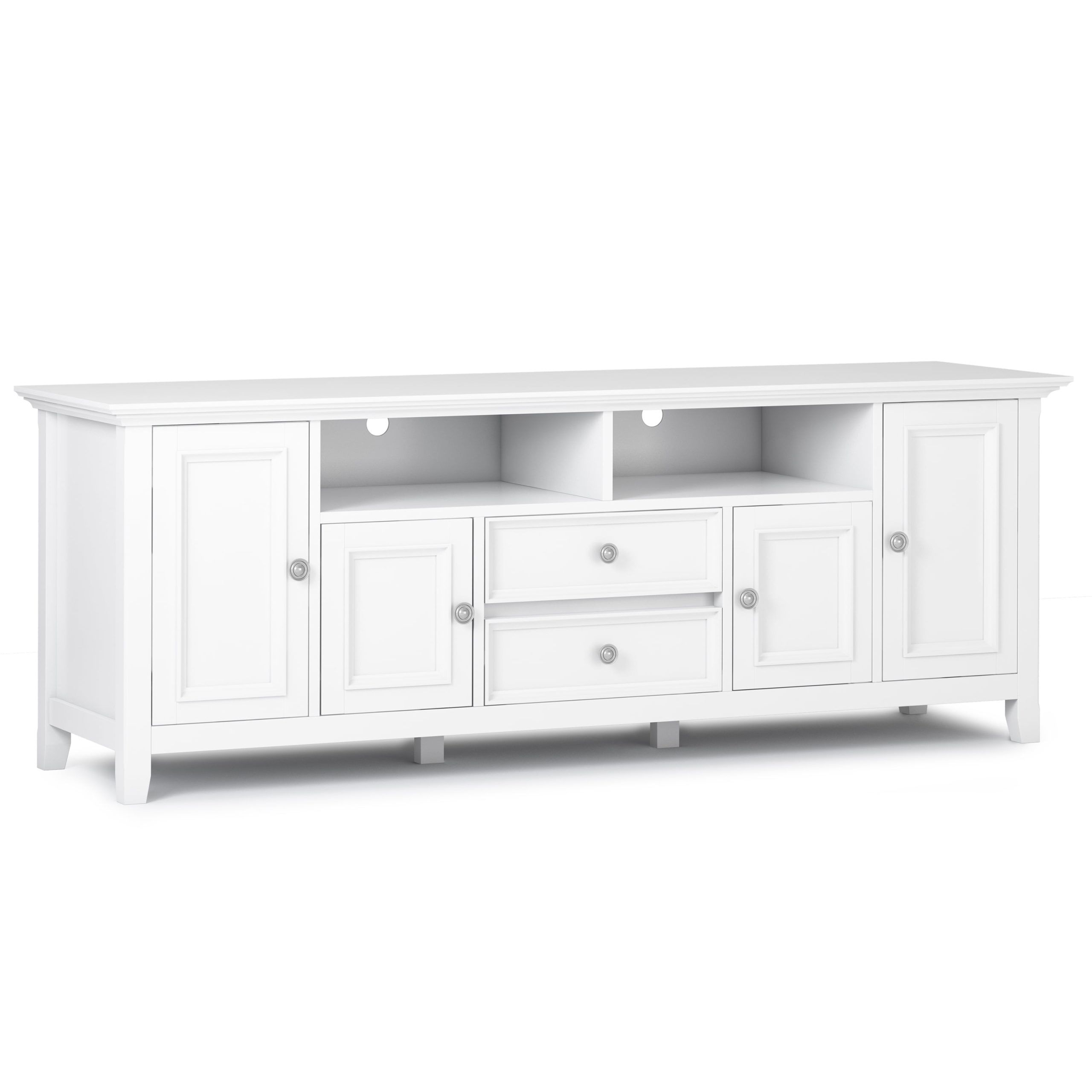
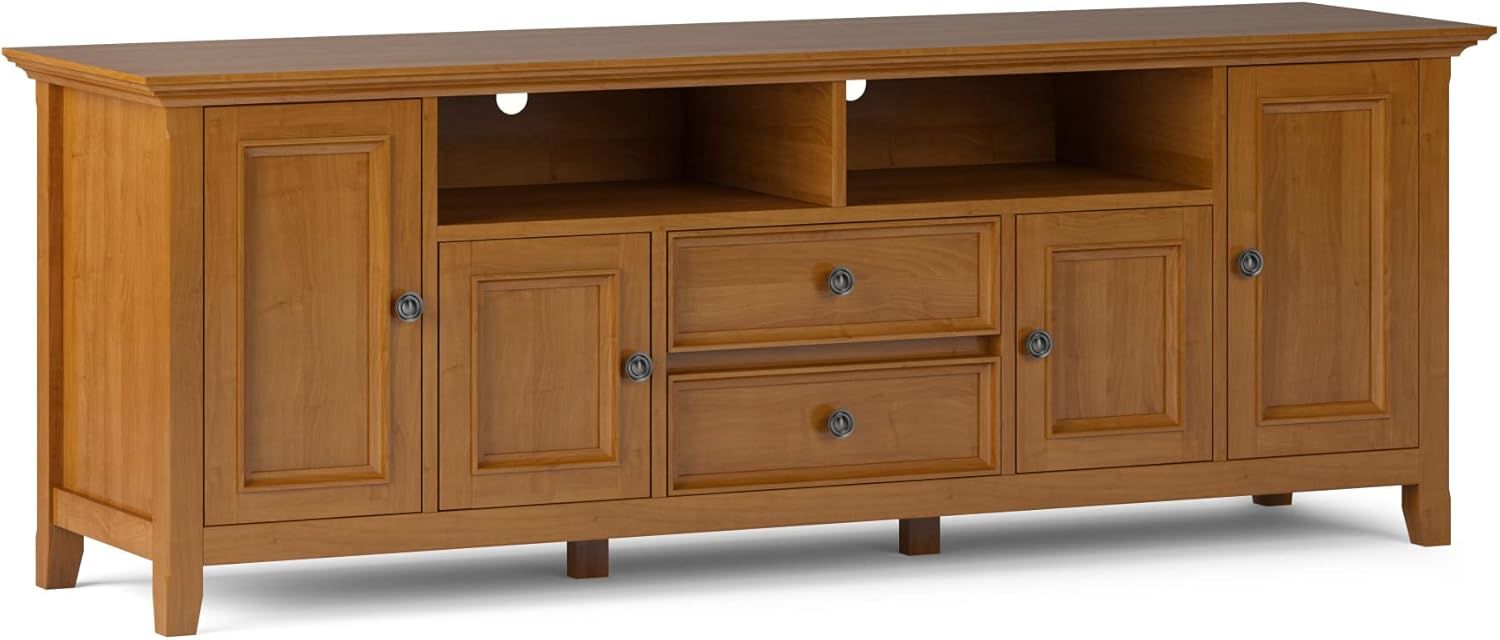
Every home deserves a television stand that doesn’t just hold your screen but also enhances your entire room. It’s not just about having something to put your TV on – it’s about creating a focal point that speaks to both your aesthetic taste and your daily needs. When you think about it, we all want our entertainment center to be the star of the show, but not just in appearance. It needs to work for us too.
Picture this: You’ve just bought the most stunning 65-inch 4K TV, complete with all the latest features and a price tag that makes you feel like you’ve struck gold. Now comes the tricky part – finding the perfect stand that makes your investment shine rather than hide. It’s like choosing a suit for a job interview – it has to look sharp AND fit perfectly. This balance between form and function isn’t just about aesthetics. It’s about creating a solution that works seamlessly with how you live. Think about it, how often do you find yourself struggling with a stand that looks amazing but can’t handle your weight? Or worse, one that’s so practical it looks like it belongs in a warehouse? The art lies in finding that sweet spot where beauty meets usefulness.
Understanding the Core Elements of Design
When we talk about balancing form and function, we’re really discussing two fundamental aspects of good design. Form refers to the visual appeal – how something looks, feels, and fits into your overall aesthetic. Function is all about what it actually does for you. Let’s break this down a bit more. A beautiful TV stand might feature sleek lines, premium wood grain, or elegant metalwork that catches the light just right. But if it can’t securely hold your television, then you’ve got a problem. The best stands integrate both elements naturally. Consider a stand with built-in cable management that looks like it was designed to hide wires rather than just accommodate them. Or one with adjustable shelving that can adapt to different sizes of electronics while still maintaining its stylish profile. It’s about making smart compromises. You won’t find perfection everywhere, but you can find excellence in thoughtful combinations. Sometimes that means sacrificing a little bit of pure beauty for better usability, or vice versa. The key is understanding your priorities.
Material Matters: What You Need to Know
The materials used in TV stands play a huge role in both their appearance and performance. Wood stands offer warmth and classic appeal, but they require more care and can be affected by humidity. Metal stands provide durability and modern flair, though they may feel cold to touch. Glass adds elegance and makes spaces feel bigger, but it’s fragile and needs careful handling. Let’s talk about some real-world scenarios. Imagine you have a family with small children – you’ll probably want something sturdy and easy to clean. A wooden stand might scratch easily, while a metal or glass option could be safer. On the other hand, if you’re someone who loves vintage aesthetics, reclaimed wood might be perfect for your space. The material choice affects not just how your stand looks but also how it behaves over time. Think about your lifestyle, your environment, and how much maintenance you’re willing to put into keeping things looking great. It’s also worth noting that many modern stands combine materials – like wood tops with metal legs – to get the best of both worlds.
Size and Proportions That Work
This is where things get really interesting. A stand that’s too big can overwhelm a small room, while one that’s too small makes your TV look lost and insignificant. The rule of thumb is that your stand should be roughly 75-80% the width of your television. But that’s just the beginning. Consider the height too – a stand that’s too tall can make your TV seem like it’s floating, while one that’s too low can make everything look cramped. Picture this: You have a 60-inch TV, and you’re thinking about a stand that’s 50 inches wide. That’s a good starting point, but what if the stand is 30 inches high? You might end up with a look that’s either unbalanced or overly dramatic. The key is to consider the room’s proportions as well. A large open-concept living room might handle a grander stand, whereas a tiny apartment might need something more compact. And don’t forget about the space around your TV. There should be enough clearance for ventilation, and maybe even some breathing room for cables. Think of it as creating a visual frame for your screen, not just a platform for it.
Storage Solutions That Actually Work
One of the biggest challenges with TV stands is incorporating storage without making everything look cluttered. The best stands offer smart solutions that make sense for how people actually live. Think beyond simple shelves. Consider drawers that can hide away remote controls, gaming accessories, or even books. Some stands feature hidden compartments for electronics that aren’t visible from the front. Others have modular designs that let you add or remove components as your needs change. For example, a stand might start with basic storage and later expand to include additional shelving or even a media drawer. The trick is to avoid overcomplicating things. Too many storage options can make a stand look busy and chaotic. The ideal approach is to focus on what you use most and make that easily accessible. Maybe you have a lot of streaming devices – a dedicated shelf with dividers might work better than a general-purpose drawer. Sometimes less is more when it comes to storage design. You want storage that’s both functional and doesn’t distract from the main purpose of the stand.
Cable Management Made Elegant
We’ve all been there – staring at a tangled mess of cables running across our TVs and furniture. Cable management should be invisible, not obtrusive. The best stands integrate this functionality seamlessly into their design. You might see a stand with built-in holes or channels that guide cables neatly behind the unit. Some even have sliding panels that can be opened to access connections without exposing the chaos underneath. A clever design might include a small drawer specifically for cables, or a compartment with zip ties and organization tools built right in. The goal isn’t to hide everything completely, but to make the visible cables look intentional rather than accidental. Imagine a stand where all your wires disappear into neat channels, leaving only a clean, polished look. This attention to detail can make a huge difference in how your entertainment setup appears. It’s also practical – when cables are organized, they’re less likely to get damaged or accidentally pulled loose. The right cable management system should be so well-thought-out that you almost forget it’s there.
Real-Life Scenarios and Practical Tips
Let’s get practical for a moment. Say you’re buying a stand for a modern minimalist living room. You want something that looks like it belongs in a design magazine but also handles your tech needs. A slim, low-profile stand with clean lines and minimal storage might be your best bet. For a family room with kids, durability trumps everything else. Look for stands made from tough materials that can handle drops and spills. You might even want to consider stands with rounded edges or soft finishes to prevent injuries. If you’re a gamer, you’ll want a stand that supports heavy equipment and offers plenty of ports for all your gear. Some stands even feature cooling systems or special mounting options for gaming setups. Another common scenario involves small apartments where every inch counts. Here, multi-functional furniture becomes crucial. A stand that doubles as a bookshelf or has hidden storage can be a game-changer. Don’t forget about lighting considerations too – some stands come with built-in LED strips that highlight your setup without being distracting. The right stand should make your life easier, not harder.
Choosing a TV stand that balances form and function isn’t just about picking something that looks nice. It’s about creating a solution that fits your lifestyle, your space, and your values. Whether you’re drawn to the warmth of wood, the sleekness of metal, or the elegance of glass, the key is finding something that serves you well beyond just holding a screen. Remember, the best stands don’t try to be everything to everyone. They focus on solving specific problems while looking great doing it. So take your time, consider your needs, and don’t be afraid to ask yourself whether the stand you’re considering will truly enhance your life or just look pretty for a few months before becoming an eyesore. The investment in a quality stand pays off not just in visual appeal, but in daily convenience and peace of mind. After all, your television deserves more than just a place to sit – it deserves a proper home that reflects your personality and meets your practical requirements. The art of balance isn’t just about design principles; it’s about creating a space where you feel comfortable and confident.