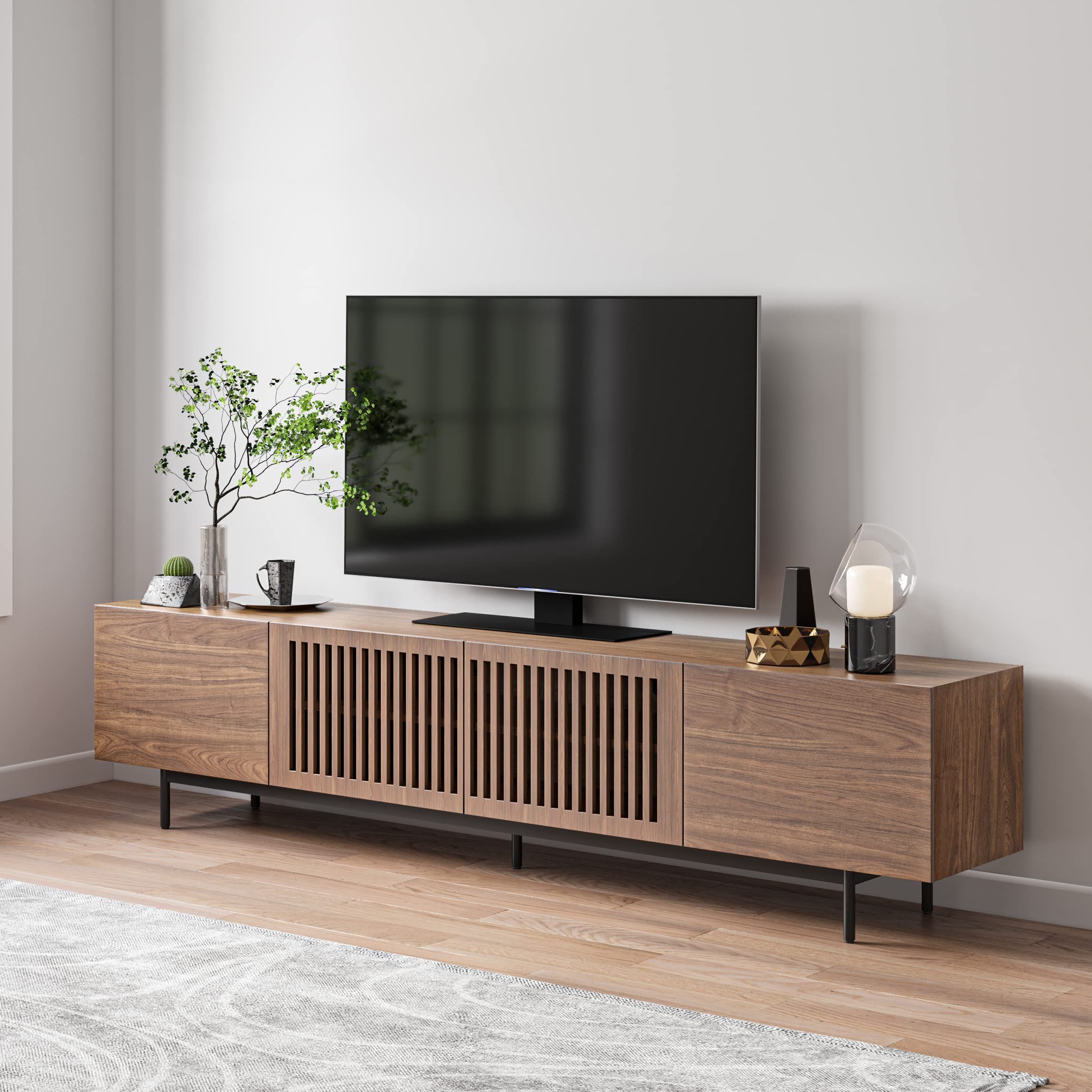
Picture this: You’re sitting in your living room, surrounded by decades of television history. There’s something deeply satisfying about how our viewing experience has evolved, not just in technology, but in the very way we display our entertainment systems. The humble TV console has undergone quite the transformation since those early days when televisions were massive wooden cabinets. Today’s consoles are sleek, minimalist, and often barely noticeable in a room. But how did we get from there to here? Let’s take a trip through time and explore the fascinating story of TV console design evolution.
Television consoles have been around nearly as long as television itself, but their design has changed dramatically over the decades. What started as bulky wooden boxes with little regard for aesthetics has transformed into sophisticated pieces of furniture that blend seamlessly with modern interiors. This journey isn’t just about looking pretty – it reflects how our relationship with technology and home spaces has evolved. Think about it: when your grandparents had their first television, it was a big deal. It was often the centerpiece of the living room, requiring special placement and careful consideration. Fast forward to today, and we’re talking about wall-mounted displays that disappear into the background. The story of TV console design is really the story of how we’ve learned to live with technology in our homes.
The Golden Age of Wood and Bulky Designs
In the 1950s and 60s, television consoles were all about making a statement. These weren’t just storage units – they were architectural elements. Wooden cabinets dominated the scene, often featuring ornate carvings and rich finishes that made them look like mini furniture pieces. They were designed to be seen, not hidden away. The typical setup involved placing the television in the center of a room, often on a large console that served multiple purposes. These consoles were heavy, sometimes weighing over 100 pounds, and required serious engineering to support the weight of the television sets of that era. The wood was usually oak or mahogany, giving them a substantial feel that matched the importance of the television in the household. Many of these designs featured elaborate doors that could be opened to reveal the television, creating a dramatic reveal moment. The idea was to make the television a focal point of the home, something that showed off family status and taste. Some even included built-in speakers and radio components, turning the console into a complete entertainment hub. The design philosophy was simple: if you’re going to invest in a television, make sure it’s displayed properly.
The Rise of Minimalism and Modern Aesthetics
By the 1980s and 90s, things started to change. Television technology became smaller and lighter, which meant consoles could follow suit. This period saw the emergence of minimalist designs that focused more on functionality than grandeur. The shift toward flat-screen technology was just beginning, and designers started thinking about how to accommodate these new devices. The focus moved from making the console a showpiece to making it work seamlessly with modern living spaces. This era introduced the concept of the "TV stand" rather than the traditional console. These were typically lower profile and more integrated with existing furniture. The materials shifted toward lighter woods and metal, and the overall aesthetic became cleaner and more streamlined. Designers began experimenting with different shapes and configurations, including wall-mounted options. The idea was to create something that didn’t compete with the television but instead enhanced it. This period also saw the beginning of modular designs, where families could customize their console setups based on their specific needs and available space. The influence of Scandinavian design was evident, with clean lines and functional approaches becoming popular. Some consoles featured adjustable shelves and hidden cable management, addressing practical concerns that hadn’t been as important before. The overall feeling was one of sophistication without ostentation.
The Digital Revolution and Smart Integration
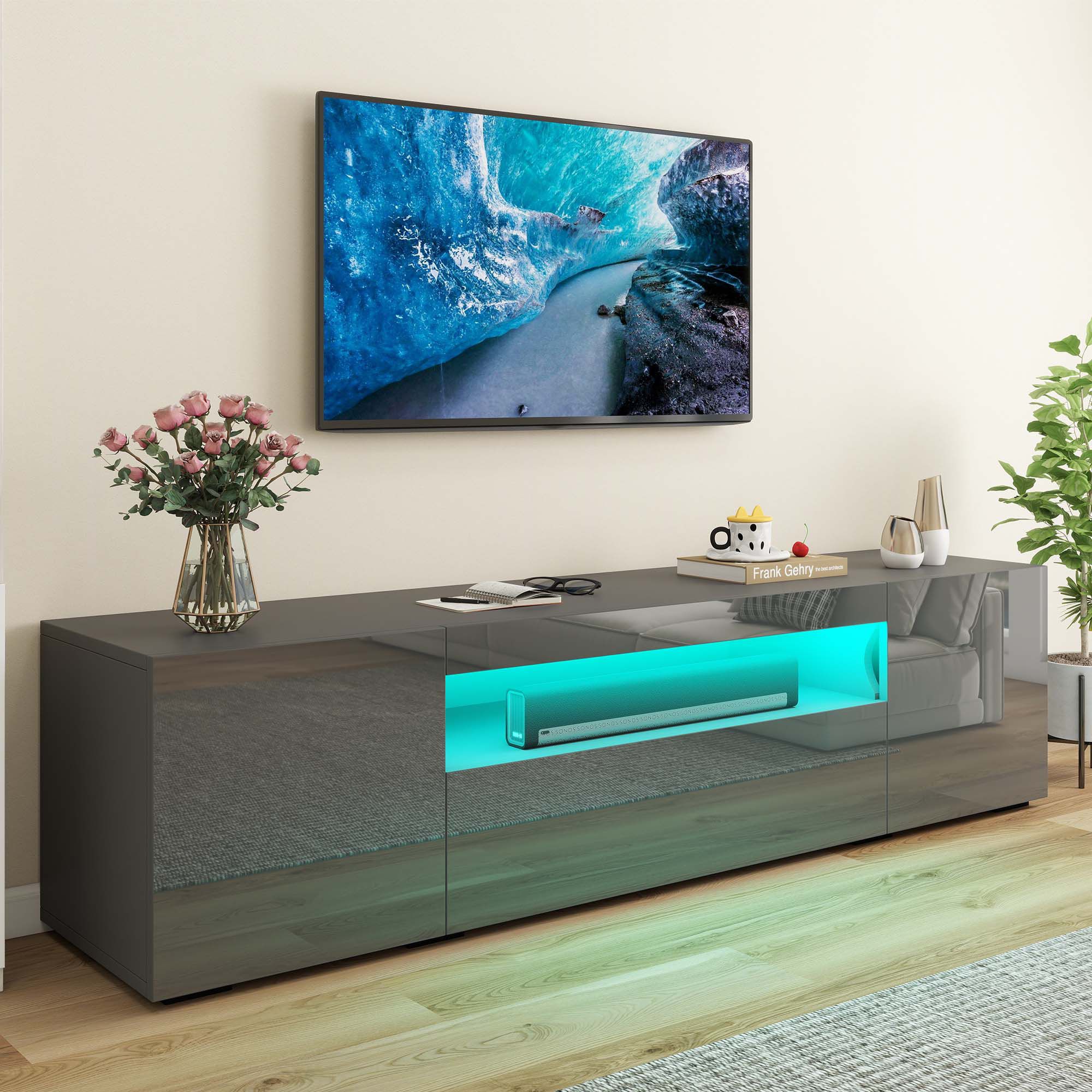
The turn of the millennium brought us digital technology, and with it, a whole new set of challenges and opportunities for console design. As televisions became thinner and more technologically advanced, designers had to think differently about how to house them. The concept of the "media center" emerged, where consoles became hubs for multiple devices rather than just television displays. This period saw the integration of DVD players, gaming systems, streaming devices, and audio equipment into single units. The focus shifted toward creating versatile spaces that could accommodate various forms of entertainment. Smart home integration became a major consideration, with some consoles featuring built-in Wi-Fi capabilities and smartphone connectivity. The size and shape of consoles became more varied, with designers exploring everything from curved edges to multi-tiered designs. The aesthetic choices reflected the growing importance of technology in daily life, with many consoles featuring LED lighting and touch-sensitive controls. Cable management became a crucial feature, as the number of wires increased dramatically with additional devices. Some manufacturers even started incorporating cooling systems to manage heat from multiple electronic components. The design philosophy now emphasized flexibility and adaptability to changing technology trends.
Contemporary Design Philosophy and Materials
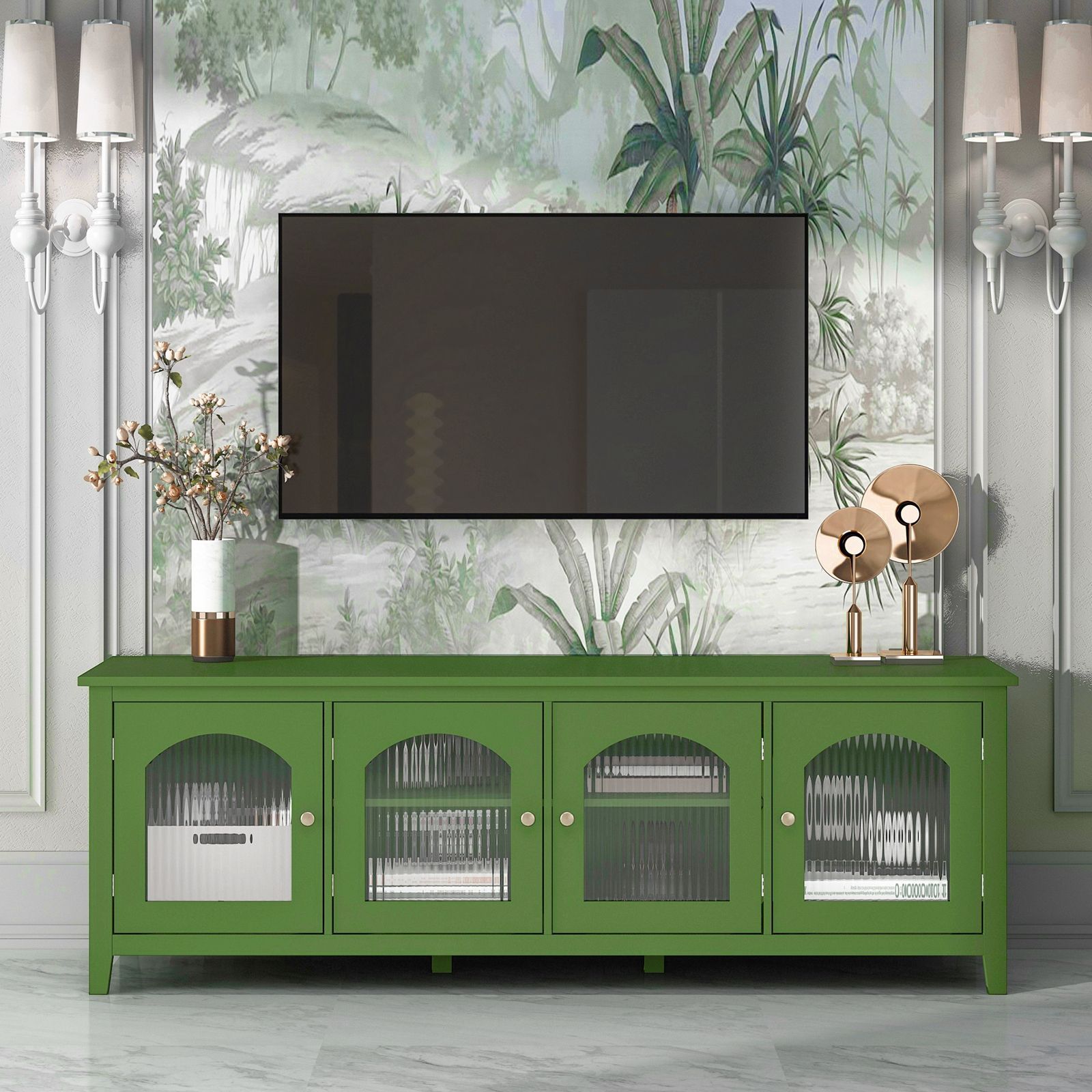
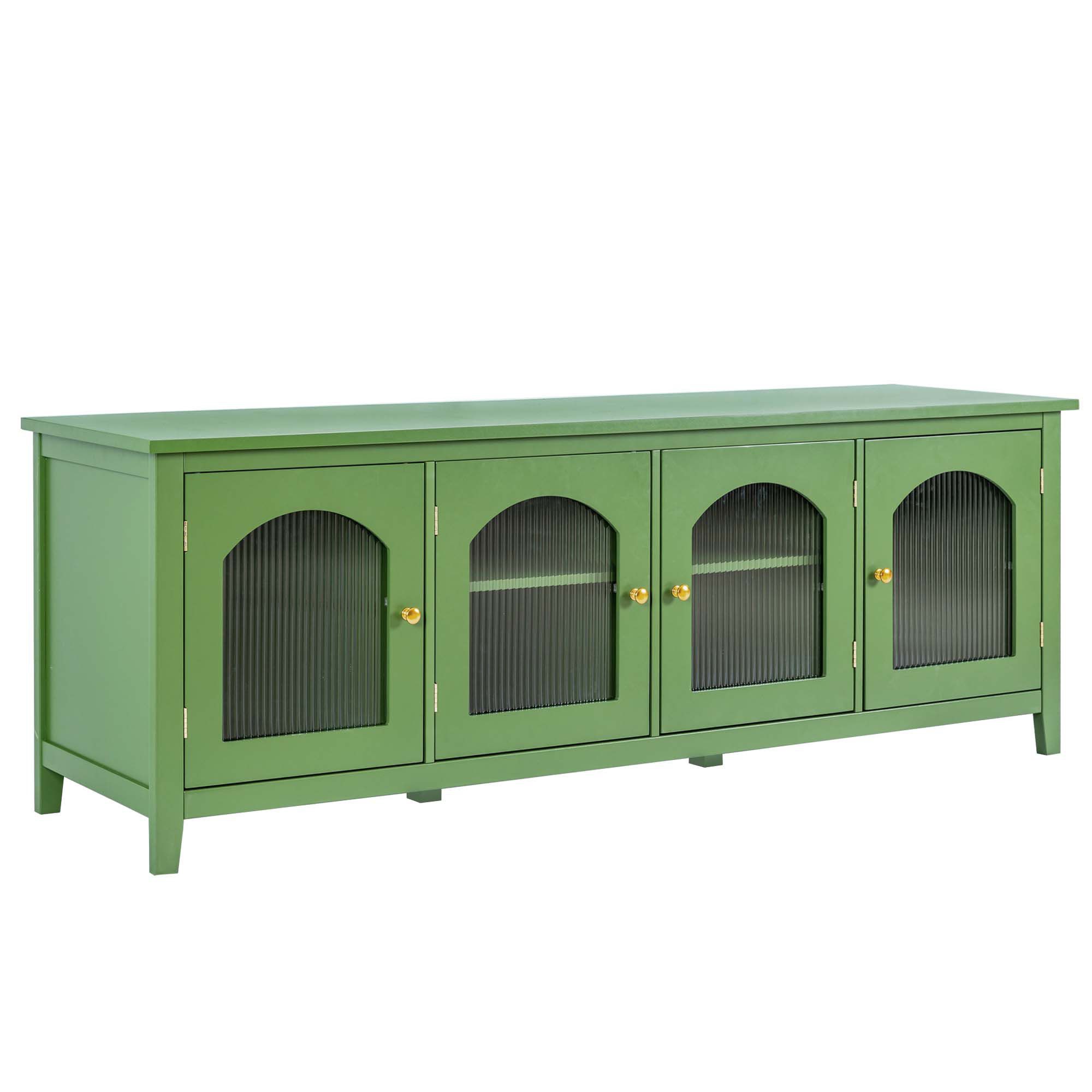
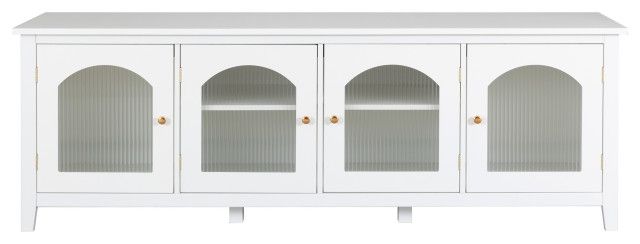
Today’s TV console design represents a culmination of decades of evolution. Modern consoles are characterized by clean lines, sustainable materials, and smart functionality. The emphasis has shifted toward creating pieces that are both beautiful and practical. Many contemporary designs use recycled materials, sustainable wood sources, and eco-friendly manufacturing processes. The color palette has become more muted and neutral, with whites, grays, and natural wood tones dominating. The overall aesthetic is about blending in rather than standing out, which makes sense given that most people want their entertainment systems to complement their existing décor rather than compete with it. Modern consoles often feature hidden mounting solutions, allowing for easy installation and removal of televisions. The rise of modular and customizable options means that consumers can tailor their console to fit their exact space requirements. Some designs incorporate smart features like built-in charging stations for mobile devices and wireless connectivity options. The focus on ergonomics and user experience has never been higher, with designers considering how people actually interact with their consoles on a daily basis. The trend toward minimalism continues, but with a more refined approach that still maintains functionality.
The Impact of Streaming and Mobile Technology
The explosion of streaming services has fundamentally changed how we think about entertainment consumption and, consequently, console design. With Netflix, Hulu, and countless other platforms, the need for traditional cable boxes and DVD players has decreased significantly. This has allowed designers to create more streamlined, compact solutions. The modern console is no longer just a place to put a television – it’s a gateway to an entire world of digital content. Many current designs feature integrated streaming capabilities and can serve as central hubs for smart home systems. The size reduction has been remarkable, with some modern consoles being less than half the size of their predecessors from just a decade ago. This shrinkage has been possible because of the advancement in display technology and the move toward wireless connectivity. The concept of "the living room as a multimedia space" has become reality, with consoles serving multiple functions beyond just displaying video content. Designers have had to consider how to handle the increasing number of devices that people want to connect, while keeping the overall look uncluttered. The importance of cable management has grown exponentially, as users now have multiple devices to keep connected and organized. Some innovative designs even incorporate hidden compartments for storing gaming controllers, remote controls, and other accessories.
Future Trends and Emerging Technologies
Looking ahead, the evolution of TV console design shows no signs of slowing down. Emerging technologies like virtual reality and augmented reality are beginning to influence how designers think about interactive spaces. The concept of "the invisible television" is gaining traction, where displays can be integrated into walls or furniture in ways that blur the line between technology and home decor. Artificial intelligence is starting to play a role in how consoles operate, with smart systems that learn user preferences and automatically adjust settings. Sustainability has become a major driving force behind new designs, with manufacturers focusing on longevity and recyclability. The trend toward customization continues, with some companies offering personalized console options based on individual lifestyle needs. We’re also seeing more emphasis on health-conscious design, with features that encourage proper viewing posture and reduce eye strain. The future will likely see even greater integration between physical and digital spaces, with consoles that can transform based on the user’s needs throughout the day. As screens continue to evolve toward flexible displays and larger formats, console designs will need to adapt accordingly. The ultimate goal remains the same: to create spaces where technology enhances our lives without overwhelming them.
The journey from wooden consoles to modern minimalist designs tells us a lot about how society has changed. We’ve gone from treating our televisions as symbols of status to viewing them as functional parts of our daily lives. The evolution of TV console design mirrors our growing understanding of how technology should integrate with our homes rather than dominate them. Each era brought its own priorities – the grandeur of the 50s, the functionality of the 80s, and the seamless integration of today. As we move forward, the challenge for designers will be balancing innovation with timeless appeal. The consoles of tomorrow will likely be even more adaptable, more sustainable, and more integrated with our lives than ever before. Whether you’re a fan of the classic wooden designs or prefer the sleek modern aesthetic, one thing remains constant: the desire to create a space where we can enjoy our favorite shows and movies in comfort and style. The evolution isn’t just about looks – it’s about creating better experiences for everyone who uses these spaces. So next time you sit down to watch your favorite show, take a moment to appreciate not just the technology in front of you, but the thoughtful design that makes it all possible.