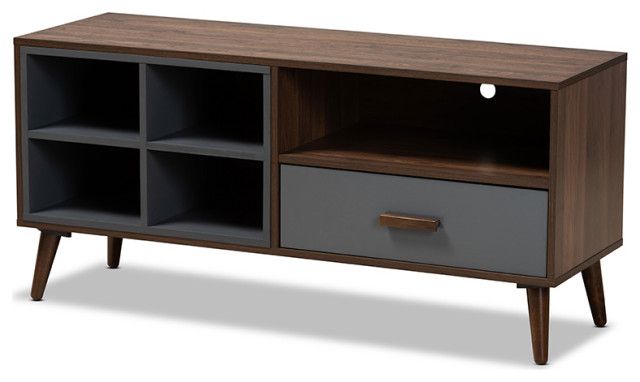
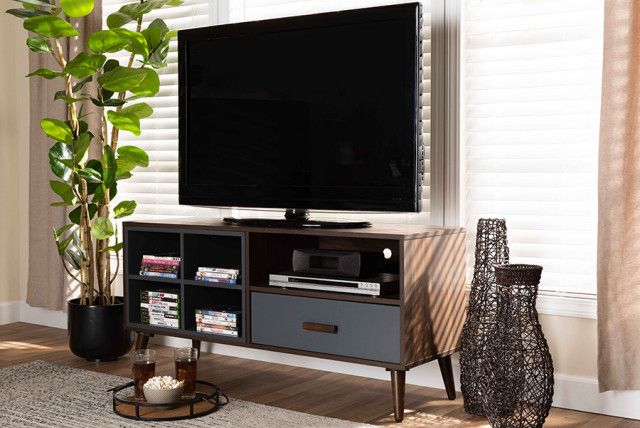
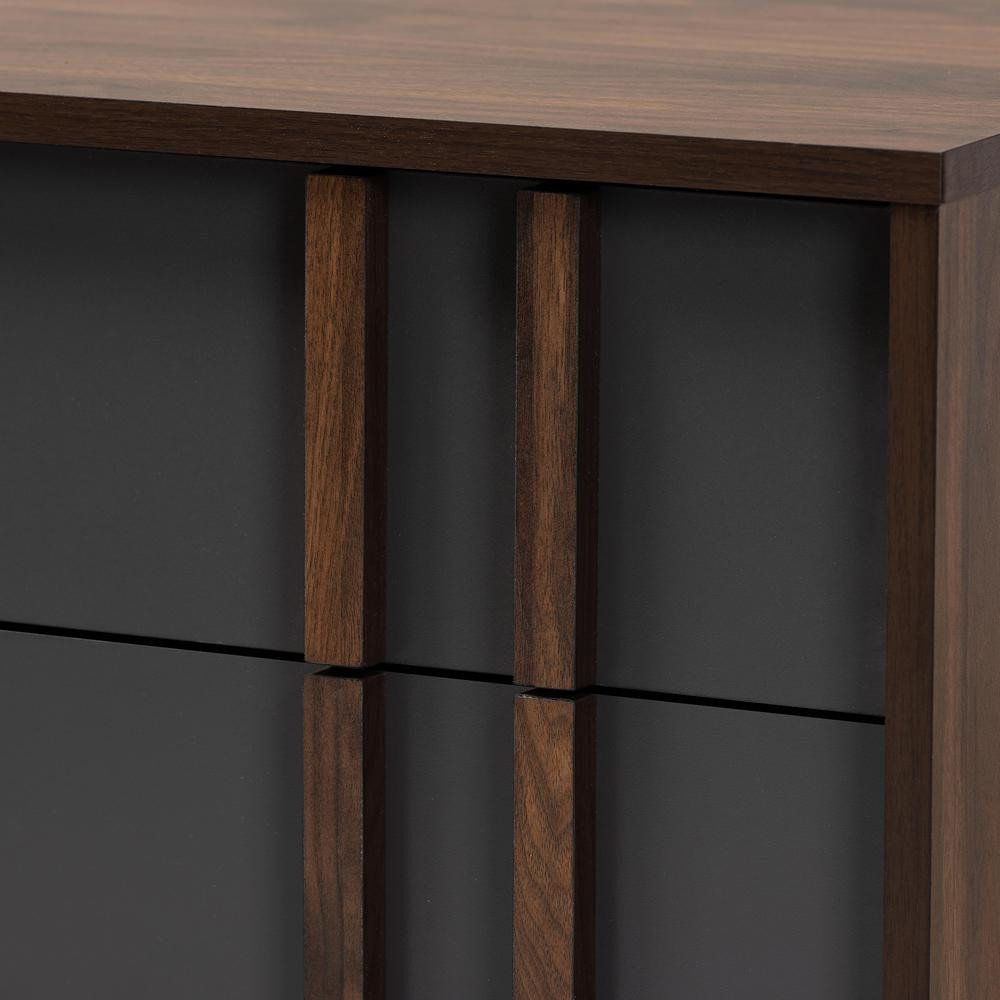
In the world of contemporary design, few combinations capture attention quite like the marriage between gray and walnut brown. This pairing doesn’t just look good—it creates something magical in interior spaces. It’s the kind of blend that makes people stop and take notice, wondering how two such different tones could work so perfectly together.
Think about your favorite living room or dining area. Chances are, it has some form of neutral palette that feels both calm and inviting. But what if we told you there’s a way to elevate those neutrals into something truly extraordinary? The secret lies in understanding how to blend gray and walnut brown in furniture design. These colors aren’t just about matching or coordinating—they’re about creating harmony, depth, and visual interest that transforms ordinary spaces into extraordinary ones.
This isn’t just about color theory. It’s about feeling. It’s about how a well-blended gray and walnut combination can make a room feel cozy yet sophisticated, grounded yet fresh. Whether you’re designing a new piece or choosing existing furniture for your home, knowing how to work with these two tones can make all the difference.
Understanding the Color Dynamics
Gray and walnut brown might seem like they belong in completely different worlds, but they actually complement each other beautifully. Gray brings coolness, clarity, and a sense of spaciousness to any room. It’s like the quiet friend who keeps things balanced and calm. Walnut brown, on the other hand, adds warmth, richness, and organic texture that makes spaces feel lived-in and welcoming.
When these two tones meet in furniture design, they create a dynamic tension that’s pleasing to the eye. The gray acts as a canvas, while the walnut brown provides the accent that makes everything pop. It’s similar to how a dark chocolate cookie looks better with a light vanilla ice cream drizzle—each element enhances the other rather than competing with it.
The key is understanding how much of each color to use. Too much gray and your space feels cold and clinical. Too much walnut brown and it becomes heavy and overwhelming. Finding that sweet spot means learning how to layer these colors thoughtfully.
The Psychology of Neutral Pairings
Colors have power beyond what we often realize. When designers blend gray and walnut brown, they’re not just creating visual appeal—they’re influencing mood and emotion. Gray tends to evoke feelings of serenity, professionalism, and cleanliness. It’s the color that makes us feel focused and organized. Walnut brown brings comfort, stability, and earthiness to the equation.
Together, they create what designers call a ‘neutral harmony’—a balance that feels both secure and exciting. Imagine sitting in a chair where the gray fabric feels cool against your skin, but the walnut wood frame wraps around you like a warm embrace. That’s the psychological magic happening when these colors work together.
Research shows that people respond positively to neutral combinations because they’re less stressful than bold color schemes. The gray and walnut brown duo offers that perfect middle ground—calming enough to reduce anxiety, yet rich enough to stimulate creativity and conversation.
Practical Application in Furniture Pieces
Let’s talk about how this blending actually works in real furniture pieces. A coffee table with a gray marble top and walnut legs is a classic example of successful gray and walnut integration. The marble provides the cool, sleek gray element, while the walnut adds warmth and organic texture that grounds the entire piece.
Consider a dining chair where the seat cushion is gray linen, but the backrest features walnut wood carving details. The gray creates a clean, modern base, while the walnut brings artisanal beauty that makes the chair feel special and unique. This contrast isn’t jarring—it’s intentional and elegant.
Here are some practical ways to apply this blend:
• Dining tables with gray tops and walnut frames
• Sideboards where gray drawers sit atop walnut shelves
• Accent chairs with gray upholstery and walnut arms
• Bookcases with gray painted panels and walnut trim
• Bed frames where gray headboards meet walnut footboards
Each application requires careful consideration of proportions and placement to ensure the colors don’t fight each other.
Texture and Material Considerations
One of the most important aspects of blending gray and walnut brown successfully is considering how different materials interact. The beauty of this combination lies in its ability to showcase various textures that add dimension to furniture pieces.
Gray fabrics can range from smooth velvet to rougher linen textures. When paired with walnut wood, which naturally has grain patterns and surface variations, you create a visual feast for the eyes. The contrast between the smooth, uniform gray fabric and the textured, natural wood grain creates depth and interest.
Think about a sofa where the gray fabric has subtle texture, perhaps with a slight weave pattern. When combined with walnut wooden armrests that show their natural grain, the result is a piece that invites touch and exploration. People want to run their hands over the smooth gray and trace the curves of the walnut wood.
The key is mixing materials that complement rather than compete. A gray leather chair with walnut wooden legs works well because both materials offer distinct textures that enhance each other. Leather brings a modern sheen, while wood adds natural warmth and character.
Color Variations and Subtle Differences
Not all grays are created equal, and neither are all walnut browns. Understanding the subtle differences between various shades can make or break your design choices. A cool gray with blue undertones will behave differently than a warm gray with yellow undertones. Similarly, a light walnut brown might feel more like honey than a deep walnut that leans toward chocolate.
When working with these colors, consider the undertones carefully. A cool gray with blue undertones pairs beautifully with a warm walnut brown that has reddish tones. The blue in the gray helps the warm brown stand out more vibrantly, while the warmth in the walnut balances the coolness of the gray.
Here’s what to look for in your color selection:
• Gray with green undertones work best with walnut that has golden undertones
• Warm gray with beige undertones pair nicely with walnut that has amber hues
• Cool gray with blue undertones complement walnut with red or burgundy undertones
Experimentation is key. Sometimes the most unexpected combinations create the most beautiful results. What matters most is how the colors make you feel when you’re looking at them.
Creating Visual Balance and Flow
The art of blending gray and walnut brown isn’t just about individual pieces—it’s about creating overall visual flow throughout a space. This means thinking about how furniture pieces relate to each other and to the surrounding environment.
A room filled with gray and walnut brown furniture should feel connected rather than scattered. The key is establishing a visual rhythm. Maybe you start with a large gray sectional, then add a walnut coffee table, followed by a gray side table with walnut legs. This progression creates a natural flow that guides the eye through the space.
Think about how light affects these colors. Gray surfaces reflect light differently than walnut brown wood, which absorbs and diffuses it. A room with lots of natural light will make both colors appear brighter and more vibrant. In dimmer lighting, the gray may seem more muted while the walnut brown gains more presence.
To create balance, consider using one color as dominant and the other as accent. For instance, a room might feature gray walls with walnut furniture, or vice versa. The dominant color sets the stage, while the secondary color provides interesting contrast and focal points.
Real-World Examples and Inspiration
Looking at actual examples can help solidify how gray and walnut brown work together in practice. Many famous modern designers have mastered this technique, creating pieces that are both functional and beautiful.
One notable example is a contemporary dining table that features a gray concrete top with walnut wooden legs. The concrete’s industrial edge meets the organic warmth of the wood, creating a piece that feels both modern and timeless. The gray concrete doesn’t overwhelm the space, while the walnut legs provide necessary warmth and visual weight.
Another inspiring combination involves a gray velvet armchair with walnut wooden arms and a carved walnut backrest. The fabric’s soft texture contrasts beautifully with the wood’s natural grain, creating a piece that’s both comfortable and visually striking.
In smaller spaces, the gray and walnut blend shines even more. A gray bookshelf with walnut trim becomes a focal point that adds both storage and style to a room. The gray keeps it from feeling too heavy, while the walnut adds elegance and craftsmanship.
These examples show that the gray and walnut combination works across different styles and sizes. Whether you’re designing a large living room or a small office space, this color pairing offers endless possibilities.
Common Mistakes to Avoid
Even with the best intentions, many people stumble when trying to blend gray and walnut brown. Understanding common pitfalls can save you from disappointing results.
One major mistake is using too many different shades within the same color family. If you choose several different grays and several different walnut browns, your design can become confusing and chaotic. Instead, pick one main gray and one main walnut brown, then use variations of those colors sparingly.
Another error is ignoring the material quality. Poor-quality gray fabric that looks cheap or flimsy next to high-quality walnut wood can make the whole piece look unbalanced. Quality matters in both materials and finishes.
People also sometimes forget about scale and proportion. A small room with large gray walnut furniture pieces can feel overwhelming. Conversely, a large space with tiny gray walnut accents might get lost. The size of your furniture should always match the size of your room.
Finally, don’t overlook the importance of lighting. Natural light changes how colors appear throughout the day. What looks perfect in morning light might seem off in evening light. Always test your color combinations at different times of day.
Tips for Successful Implementation
Getting the gray and walnut brown blend right takes practice, but here are some proven strategies that work every time:
Start with small projects. Try the combination on accessories first—throw pillows, artwork, or small decorative items. Once you’re comfortable with how the colors interact, move on to larger furniture pieces.
Use the 60-30-10 rule as your guide. This classic design principle suggests using 60% of one color, 30% of another, and 10% of a third. For gray and walnut brown, you might use gray as your base color, walnut brown as your accent, and a third color for details.
Pay attention to undertones. As mentioned earlier, the right undertones make or break a color combination. Test samples in your actual space under different lighting conditions before committing to full pieces.
Consider the purpose of each piece. If you’re designing furniture for a busy kitchen, durability might matter more than aesthetics. Choose materials that can handle daily wear while still maintaining the color balance.
Don’t be afraid to mix textures. The contrast between smooth gray fabric and rough walnut wood creates visual interest. Layering different materials in the same color family adds complexity and richness to your design.
Future Trends in Gray-Walnut Design
As we look ahead, the gray and walnut brown combination continues to evolve with new trends emerging regularly. Sustainability is becoming increasingly important in furniture design, and this color pairing supports eco-friendly choices beautifully.
Natural wood finishes are gaining popularity, and walnut brown fits perfectly into this movement. Combined with gray, which represents clean, minimalist aesthetics, the result is furniture that appeals to environmentally conscious consumers who don’t want to sacrifice style.
Technology integration is another growing trend. Smart furniture that incorporates hidden technology while maintaining aesthetic appeal can benefit from the gray and walnut combination. The gray provides a clean, modern base that hides technology seamlessly, while the walnut adds warmth and craftsmanship.
Minimalism continues to influence design, and gray and walnut brown support this trend beautifully. The combination creates spaces that feel uncluttered yet rich, which aligns with modern lifestyle preferences for simplicity without sacrificing comfort.
The future of this color pairing seems bright, with designers finding new ways to incorporate these colors into innovative furniture solutions that serve both form and function.
Blending gray and walnut brown in modern furniture design isn’t just about matching colors—it’s about creating experiences. When done right, this combination brings together the best of both worlds: the cool sophistication of gray and the warm comfort of walnut brown. The result is furniture that not only looks great but also feels right in your space.
Whether you’re designing a new piece or selecting existing furniture, remember that the key lies in balance. Too much of either color can throw off the harmony, while thoughtful blending creates something truly special. The gray provides structure and clarity, while the walnut brown adds soul and warmth.
The beauty of this approach is that it works across different styles, spaces, and budgets. You don’t need to spend a fortune to create stunning gray and walnut combinations. With careful planning and attention to detail, anyone can master this timeless pairing.
So the next time you’re looking to refresh a room or create something new, consider giving gray and walnut brown a try. They might just become your favorite color duo for years to come.