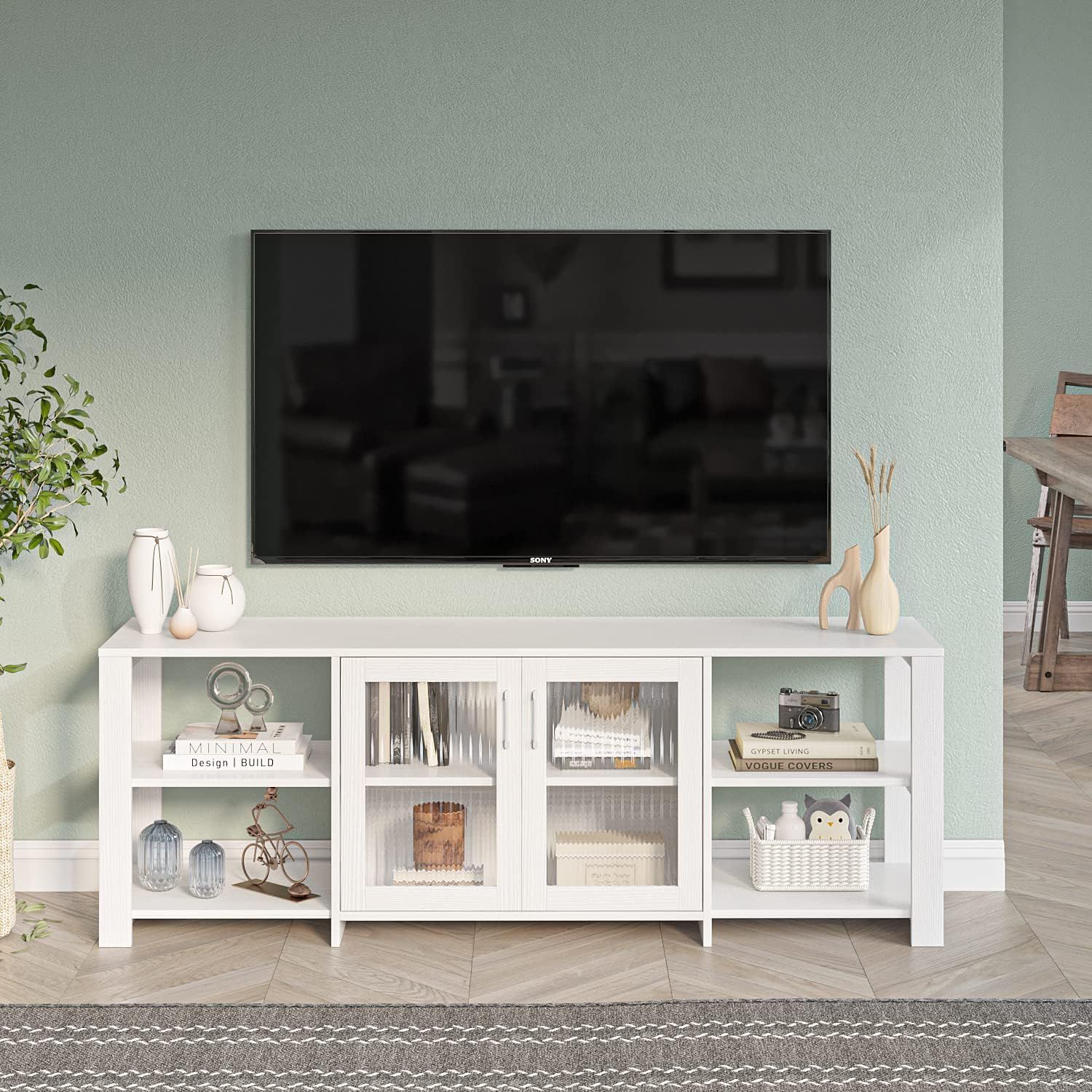
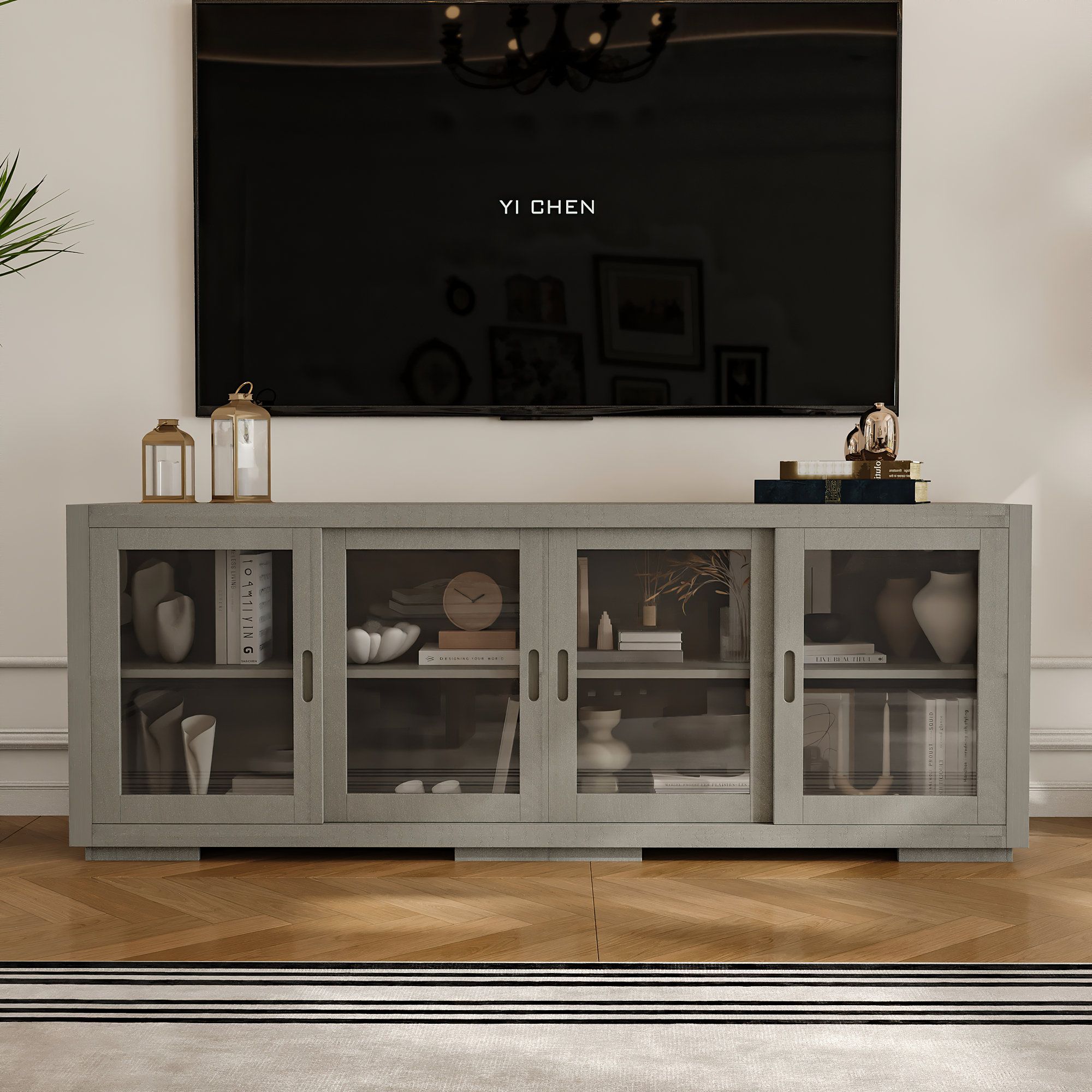
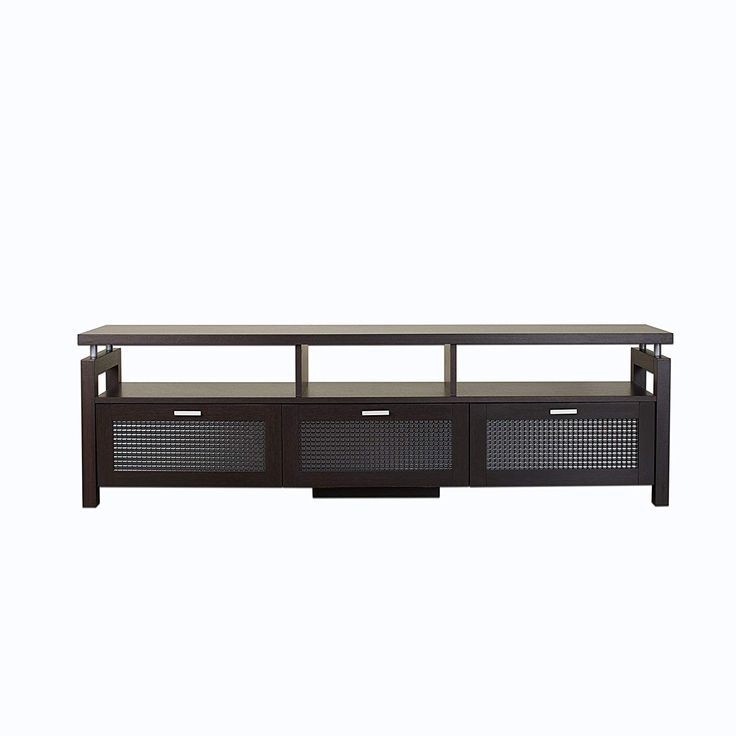
Picture this: You’re settling in for the evening, ready to enjoy your favorite show. Your living room is cozy, the lighting just right, and there’s something special about how everything fits together. That’s the magic of a well-designed TV stand. It’s not just about putting a screen on a surface anymore. Today’s stands are like architectural statements, carefully crafted to serve both form and function. They’ve evolved far beyond simple platforms into sophisticated pieces that define spaces.
TV stands have undergone quite the transformation over the past decade. What started as basic wooden platforms has blossomed into a design category that rivals any piece of furniture in your home. These aren’t just storage solutions anymore – they’re focal points that reflect personal style while solving real problems. Whether you’re dealing with a massive 75-inch screen or a modest 40-inch model, modern stands offer creative ways to integrate technology seamlessly into your living space. The challenge isn’t just about holding a television anymore. It’s about creating harmony between your entertainment setup and your overall interior design.
Minimalist Aesthetics with Hidden Storage
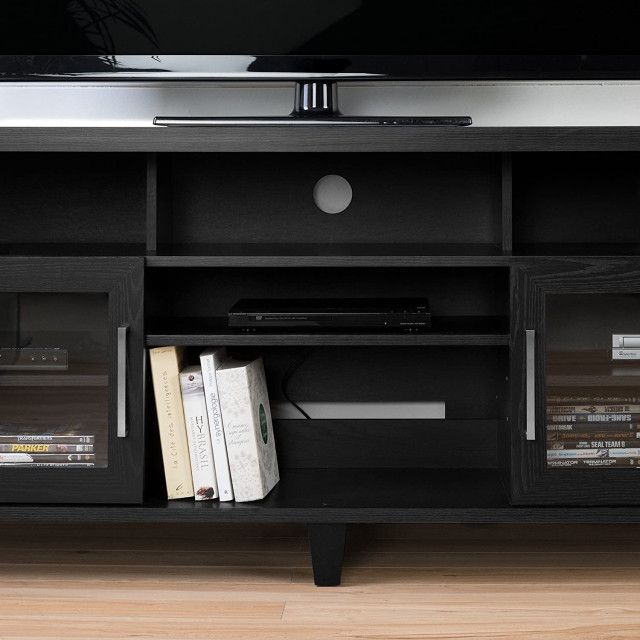
The minimalist movement has taken over TV stand design like wildfire. Clean lines, uncluttered surfaces, and subtle functionality are now the hallmarks of premium stands. But here’s where it gets interesting – the real genius lies in hidden storage solutions. Instead of having cables and devices sticking out like sore thumbs, designers have created clever compartments that keep everything tucked away.
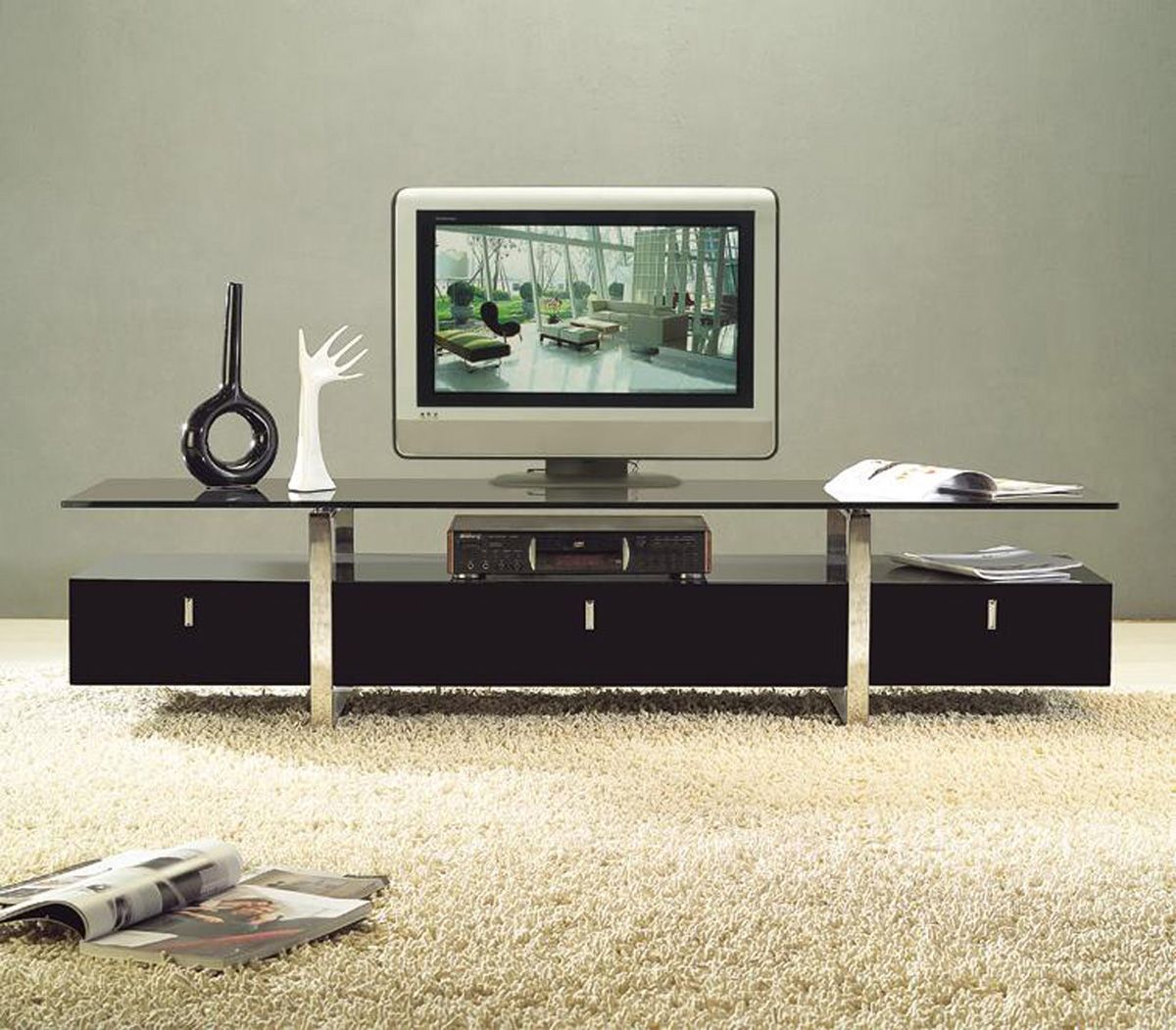
Consider a sleek, low-profile stand with sliding drawers. You can store your streaming devices, gaming consoles, and remote controls without compromising the clean look. Some models even feature built-in cable management systems that route wires through concealed channels. The result? A pristine surface that looks like it belongs in a high-end gallery rather than a living room.
This approach works particularly well in smaller spaces where every inch matters. A minimalist stand can make a cramped entertainment area feel more spacious simply because there’s less visual clutter.
Multi-functional Integration Solutions
Today’s consumers want everything in one place. This desire has driven innovation in multi-functional TV stand designs. These aren’t just about stacking shelves – they’re about maximizing every available space.
Take the modular approach, for example. These stands allow you to customize the layout based on your needs. You might start with a basic configuration and add components later as your entertainment needs grow. Some models feature integrated speaker systems, wireless charging pads, and even small LED lighting elements.
Another trend is the combination of traditional furniture elements with modern electronics integration. Think of stands that double as bookshelves, coffee tables, or even small workspaces. These hybrid designs solve multiple problems at once. A stand that holds your TV AND provides workspace means you’re getting two pieces of furniture for the price of one.
The key is finding the right balance. Too many features and you risk overwhelming the space. Too few and you miss the opportunity to solve real problems. The best multi-functional stands strike that perfect balance.
Material Innovation and Sustainability Focus
What’s really exciting about modern TV stands is the variety of materials being used. Gone are the days when wood was the only option. Today’s manufacturers experiment with everything from recycled metals to engineered woods and even bio-based materials.
Recycled aluminum stands offer a sleek, industrial look that appeals to many homeowners. They’re durable, easy to maintain, and environmentally conscious. Meanwhile, reclaimed wood brings warmth and character that mass-produced alternatives simply cannot match. The natural grain patterns and weathering add personality that feels authentic and lived-in.
Sustainability has become more than just a buzzword. Many companies now focus on using renewable resources and implementing eco-friendly manufacturing processes. This isn’t just good for the planet – it often results in higher quality products that last longer. When you invest in a sustainable stand, you’re investing in longevity as well as environmental responsibility.
The material choices also affect the overall weight and stability of the stand. Lighter materials might be easier to move, but heavier options often provide better stability for larger screens. Finding the right balance depends on your specific needs and preferences.
Smart Technology Integration
Technology has transformed how we interact with our entertainment systems, and TV stands have adapted accordingly. Smart stands now incorporate features that make them more than just furniture – they’re part of your smart home ecosystem.
Some stands come with built-in Wi-Fi routers or mesh networking capabilities. Others feature touch-sensitive controls that adjust lighting or volume levels. There are even stands with integrated sensors that automatically dim lights when your TV turns on, creating a seamless viewing experience.
The integration goes beyond simple connectivity. Some stands can detect when your TV is in use and automatically adjust settings for optimal performance. They might even learn your viewing habits and suggest content based on previous selections. This level of automation requires careful design to avoid feeling gimmicky or overly complicated.
The challenge for designers is ensuring that smart features enhance rather than complicate the user experience. The technology should be invisible – working behind the scenes to improve functionality without demanding attention.
Customization and Personalization Options
One size definitely does not fit all when it comes to TV stands. Modern designs offer unprecedented levels of customization, allowing you to create something that truly reflects your personality and meets your specific requirements.
Customization ranges from simple color and finish options to complete design flexibility. Some manufacturers let you choose the exact dimensions, materials, and hardware combinations. Others offer modular systems where you can mix and match components to create your ideal solution.
Personalization extends beyond physical attributes. Many brands now offer online configurators that let you visualize different options before purchasing. You can see how various colors and materials would look in your actual space, adjusting dimensions and features until you find the perfect match.
The rise of custom orders has also led to more unique designs that cater to niche markets. For instance, stands designed specifically for home theaters, gaming setups, or vintage television collections. These specialized options demonstrate how the market has matured to serve diverse needs.
This trend toward personalization reflects broader changes in consumer expectations. People want their homes to tell their stories, and furniture plays a crucial role in that narrative.
Ergonomic Considerations for Better Viewing
The way we watch television has changed dramatically, and so have the considerations for stand design. Ergonomics has become a major factor in creating comfortable viewing experiences.
Height adjustment is perhaps the most important ergonomic feature. Modern stands often come with adjustable height mechanisms that allow you to position your screen at eye level. This simple change can significantly reduce neck strain during extended viewing sessions. Some models even feature motorized adjustments that you can control remotely.
Angle modification is another key element. Many stands now offer tilt and swivel capabilities that help eliminate glare and improve viewing angles for multiple people. This is especially useful in family rooms where different seating arrangements are common.
The positioning of accessories also matters. Cable management, device placement, and even lighting around the screen all contribute to the overall viewing experience. Some stands include built-in LED strips that can be adjusted for ambient lighting, reducing eye fatigue and creating a more immersive environment.
These ergonomic improvements aren’t just about comfort – they’re about making technology more accessible to everyone in the household. Whether you’re watching alone or with family, a well-designed stand considers the needs of all users.
The evolution of TV stand design represents more than just a shift in aesthetics – it’s a reflection of how we live, work, and entertain ourselves. Modern stands have become sophisticated solutions that address real-world challenges while enhancing our living spaces. From minimalist designs that hide complexity to multi-functional solutions that maximize utility, these pieces have found their place as essential elements of contemporary home design.
The trends we’re seeing today – sustainability, smart technology, customization, and ergonomic considerations – all point toward a future where furniture serves multiple purposes while maintaining its aesthetic value. As our lives continue to evolve, so will the demands placed on our furniture. The most successful designs are those that anticipate these changes and adapt accordingly.
Whether you’re replacing an old stand or planning a new entertainment setup, consider how these modern trends can enhance your space. The investment in a well-designed stand isn’t just about functionality – it’s about creating a foundation for comfortable, enjoyable, and aesthetically pleasing living spaces. After all, your TV stand is more than just a piece of furniture. It’s a statement about how you want to live in your home.