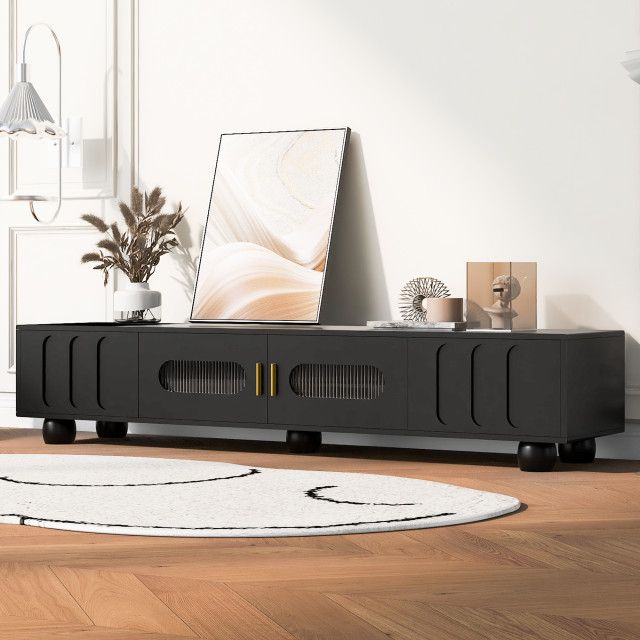
In the past decade, something subtle yet significant has happened in living rooms across the country. TV stands aren’t just storage units anymore – they’ve evolved into design statements that define entire room atmospheres. This isn’t just about placing a television on a piece of furniture. It’s about creating harmony between technology, space, and personal style.
When you walk into someone’s living room today, chances are you’ll notice the TV stand before anything else. These once-simple pieces of furniture have transformed dramatically over the last ten years. No longer relegated to being mere platforms for televisions, contemporary TV stands now serve as focal points, storage solutions, and design elements all rolled into one. What started as functional necessity has become an art form in itself. The rise of these modern stands reflects not just changing tastes, but deeper shifts in how we live, work, and interact with our homes.
Design Evolution Beyond Functionality
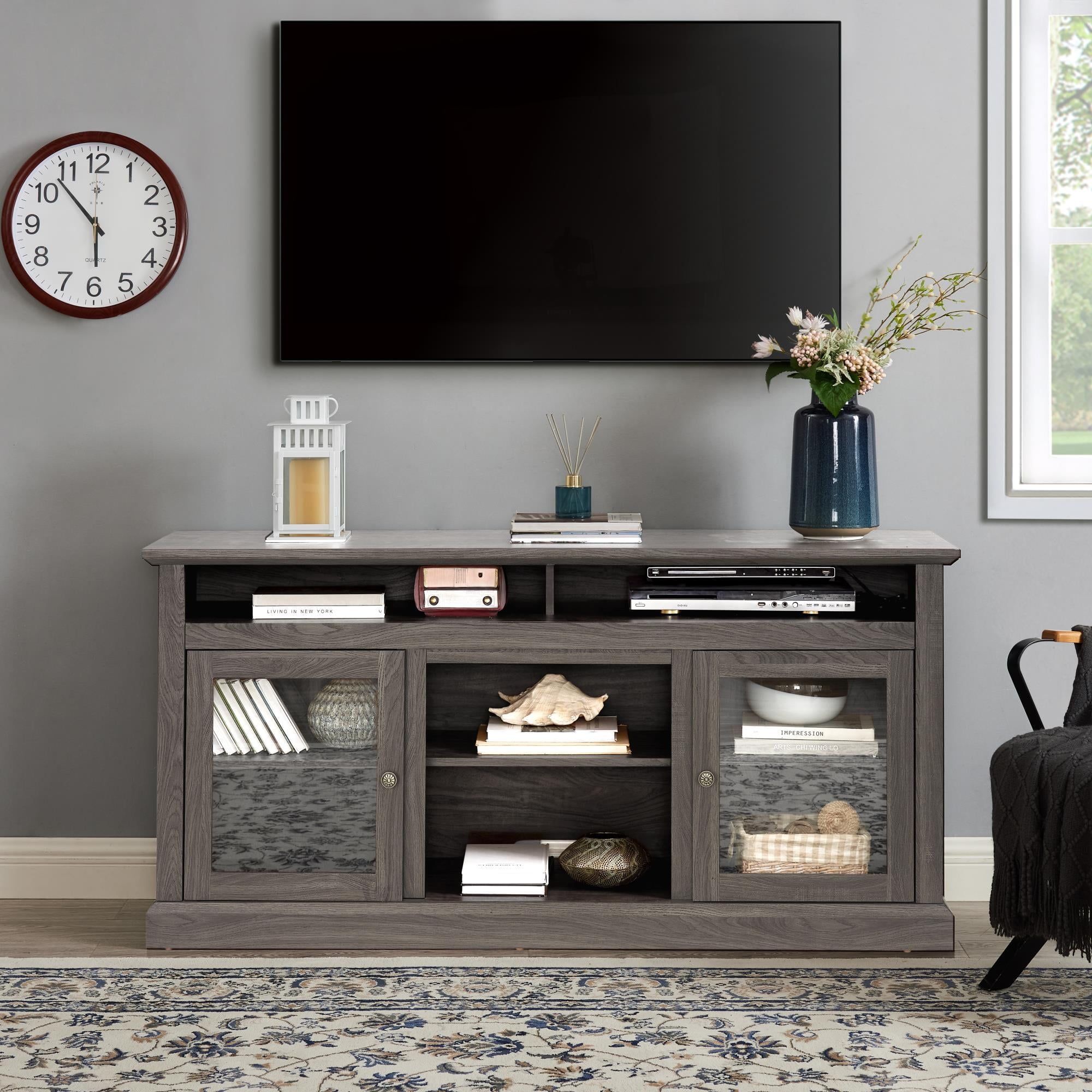
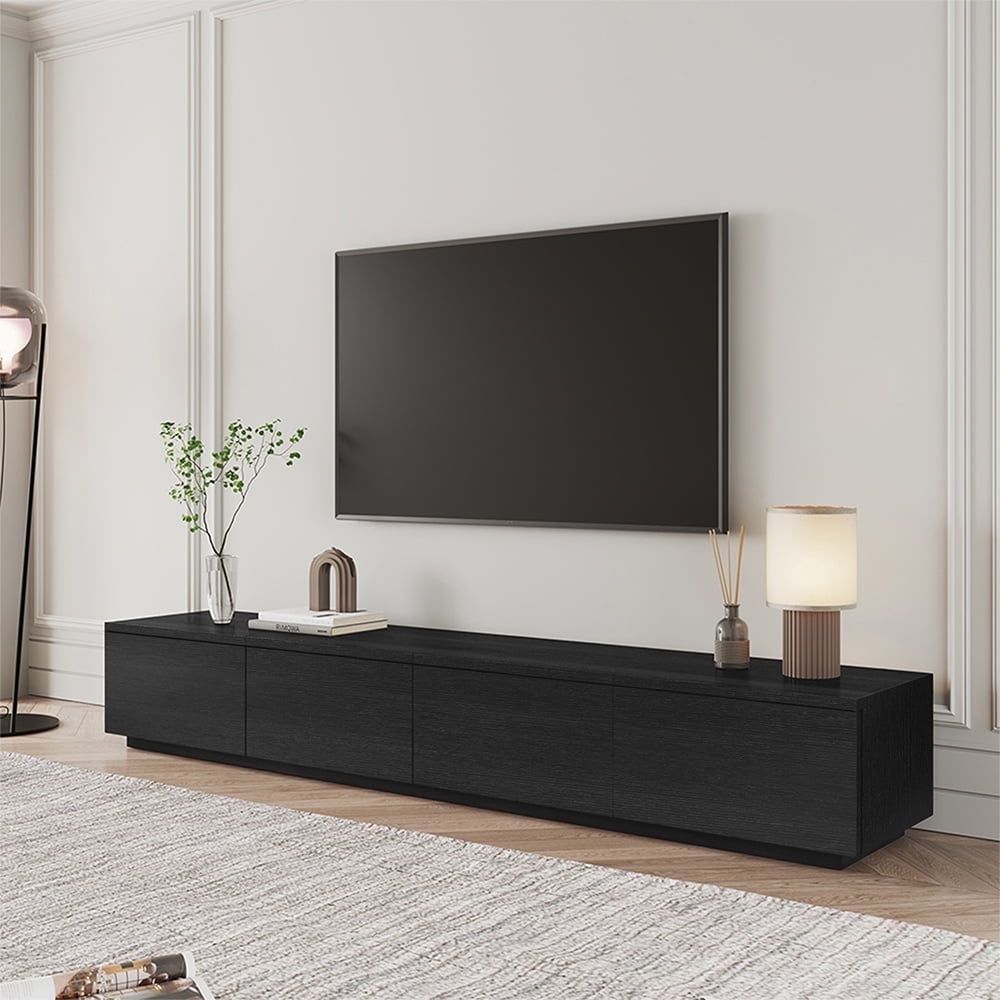
Modern TV stands have moved far beyond their original purpose of simply holding a television. Today’s designs blend functionality with aesthetic appeal in ways that were unimaginable just a few years ago. Consider the sleek minimalist lines that dominate today’s market versus the ornate wooden cabinets of decades past. These new stands often feature clean geometries, unexpected materials like metal and glass, and innovative storage solutions.
Take the floating shelf concept, for example. Rather than traditional cabinetry, many contemporary stands incorporate open shelving that displays books, plants, and decorative objects. This approach creates visual lightness while maintaining practicality. Some even integrate cable management systems directly into their construction, solving the perennial problem of tangled wires with elegant hidden solutions.
The shift toward multifunctional design means these stands now accommodate gaming consoles, sound systems, streaming devices, and even small workspaces. They’ve become the central hub of modern entertainment and productivity areas.
Material Innovation and Sustainable Choices
The material palette for contemporary TV stands has expanded dramatically. While wood remains popular, manufacturers are now incorporating recycled materials, sustainable bamboo, and even reclaimed industrial components. This change reflects growing consumer awareness about environmental impact and personal values.
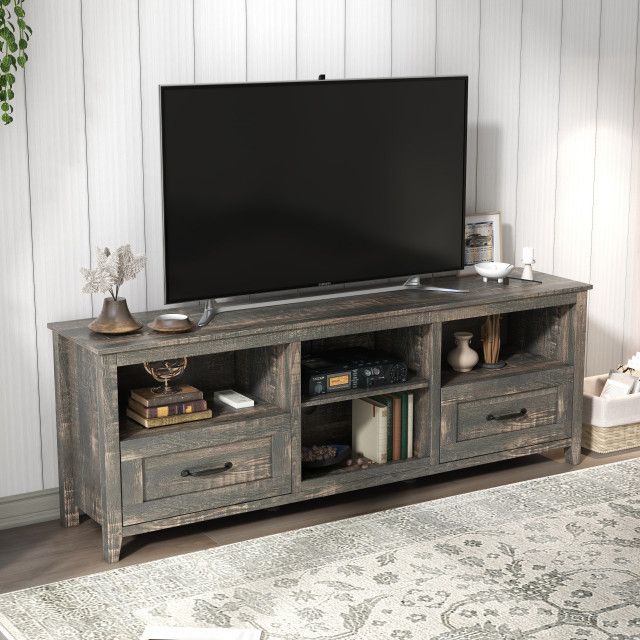
Metal stands, particularly those using brushed aluminum or steel, offer durability and a modern industrial look that appeals to younger demographics. Glass elements add transparency and lightness, making smaller spaces feel larger. Some stands combine multiple materials in creative ways – perhaps a wooden top with metal legs, or glass shelves set against wood cabinetry.
The trend toward sustainability isn’t just marketing speak. Many brands now offer stands made from reclaimed wood, recycled plastics, or materials certified by environmental organizations. Consumers increasingly view these choices as extensions of their personal ethics and lifestyle preferences.
Space Optimization and Smart Storage Solutions
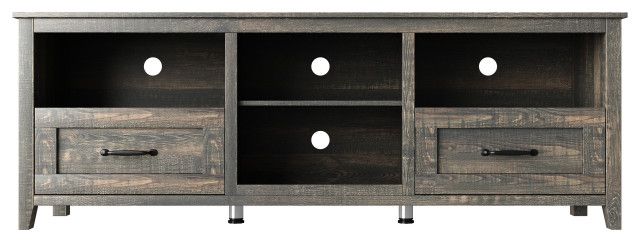
Urban living has forced designers to think creatively about maximizing every inch of available space. Contemporary TV stands address this challenge through innovative storage configurations. Built-in drawer systems, hidden compartments, and modular designs allow homeowners to store everything from remote controls to seasonal decorations without cluttering visible surfaces.
Some stands feature adjustable shelving that can accommodate different-sized electronics or display items. Others incorporate sliding doors that hide cables and accessories while maintaining an uncluttered appearance. The integration of smart storage solutions has become particularly important with the proliferation of streaming devices, gaming systems, and multiple entertainment options.
These storage innovations also support the growing trend of home offices. Many modern stands now include dedicated spaces for laptops, notebooks, and office supplies, reflecting how living spaces are adapting to hybrid work environments.
Integration with Home Automation and Technology
Today’s TV stands are designed with the future in mind. As smart home technology becomes more prevalent, these stands must accommodate wireless charging pads, smart lighting systems, and integrated speakers. The placement of outlets and connectivity ports has become a critical design consideration.
Many contemporary stands feature built-in wireless charging stations, USB ports, and even Bluetooth connectivity. Some models integrate LED strips that can change color based on media content or user preferences. The idea of a ‘smart stand’ extends beyond simple technology integration to encompass how these pieces interact with broader home automation ecosystems.
This evolution reflects how consumers expect their furniture to evolve with their technology needs rather than requiring constant updates or replacements. The stand becomes a platform for technological advancement rather than merely a container for devices.
Cultural Shifts and Social Media Influence
Social media has played a crucial role in driving the popularity of certain stand designs. Platforms like Instagram and Pinterest showcase how these pieces can transform a living room from ordinary to extraordinary. The visual appeal of a well-designed stand often makes it shareable content, influencing others to seek similar solutions.
There’s a particular fascination with ‘minimalist’ and ‘scandinavian’ aesthetics that emphasize clean lines, natural materials, and uncluttered spaces. These styles have become highly popular because they reflect contemporary values of simplicity and mindfulness. The rise of ‘cozy’ or ‘warm’ design trends has also influenced stand selection, with consumers seeking pieces that create welcoming atmospheres.
The influence of interior design influencers and lifestyle bloggers cannot be understated. Their recommendations often drive trends and create demand for specific styles or features. What starts as a single influencer’s post can quickly become a widespread movement affecting retail decisions and manufacturing priorities.
Economic Factors and Market Accessibility
The accessibility of contemporary TV stands has increased significantly due to changes in manufacturing and distribution. Mass production techniques have made high-quality designs available at more affordable price points, while online retailers have expanded the variety of options available to consumers.
However, this accessibility comes with challenges. The market now includes everything from budget-friendly options to luxury pieces that cost thousands of dollars. This diversity allows consumers to find solutions that match their budget while still achieving desired aesthetic goals.
The economic factor extends to how people view furniture purchases. With the rise of fast fashion concepts in home decor, consumers are more willing to update their stands seasonally or when trends change. This behavior has driven manufacturers to produce more versatile and adaptable designs that can remain stylish over time.
Additionally, the increasing cost of housing in urban areas has led to smaller living spaces, making the functionality and design efficiency of TV stands even more important for maximizing both form and function.
The rise of contemporary TV stands represents more than just a shift in furniture design – it reflects fundamental changes in how we live, work, and express ourselves through our homes. These pieces have evolved from simple functional items to complex design elements that communicate personality, values, and lifestyle choices. As we continue to navigate digital integration, space constraints, and evolving social behaviors, these stands will undoubtedly continue to adapt and innovate.
What’s clear is that the modern TV stand is no longer just about putting a TV somewhere. It’s about creating intentional spaces that support our daily lives while reflecting our individual stories. Whether you’re drawn to minimalist lines, bold colors, or sustainable materials, there’s a contemporary stand that speaks to your vision of home. The conversation around these pieces shows no signs of slowing down, suggesting they’ll remain central to how we think about domestic spaces for years to come.