Picture this: you walk into a living room and see a sleek entertainment unit that doesn’t just look amazing but actually works perfectly for your needs. That’s the magic of functional design. It’s not just about pretty things arranged nicely. It’s about creating spaces that serve you well while looking good doing it. When it comes to home entertainment units, this balance between beauty and utility can make all the difference between a space that feels lived-in and one that feels like it was designed by a professional.
Let’s face it – we all want our home entertainment systems to be both stunning and practical. Whether you’re a movie buff who needs space for a massive TV or someone who wants to keep gaming gear organized, the right design approach can turn your entertainment area into a true centerpiece. But how do you achieve that perfect blend? What makes a unit not just look great but also work flawlessly? These are the questions we’ll explore together. We’re going to dive deep into the core principles that make any home entertainment unit both functional and fashionable. Think of this as your guidebook to creating spaces that feel intentional rather than chaotic.
Understanding the Core Elements of Functional Design
Before we start talking about how to build something beautiful, let’s talk about what makes something truly functional. Functional design isn’t just about making things look nice. It’s about understanding how people actually use their spaces. You might think you know what you need, but when you step back and really examine your habits, you often discover things you didn’t expect. The way you move around your room, how you interact with your technology, and even how you organize your daily routine can completely change how you approach the design of your entertainment unit.
Consider this: if you watch movies at night, you probably want easy access to your remote control and maybe some ambient lighting. If you’re a gamer, you might need plenty of outlets and cable management solutions. And if you have kids, you might want to keep everything secure and out of reach. These aren’t just preferences – they’re design drivers that should shape every decision you make.
Here are the fundamental building blocks of functional design:
• User experience first
• Purpose-driven layout
• Practical storage solutions
• Smart cable management
• Easy maintenance access
• Flexibility for future changes
The Power of Strategic Storage Solutions
Storage is where most people get it wrong when designing entertainment centers. They either overdo it or underdo it. The secret lies in knowing exactly what you need to store and how you’ll use it. Let’s break this down.
First, categorize your items. Electronics go in one category, books and decor in another, games and accessories in a third. Then, ask yourself: how often do I use each item? How big are they? Do they need to be visible or hidden?
A smart approach means having different types of storage for different needs:
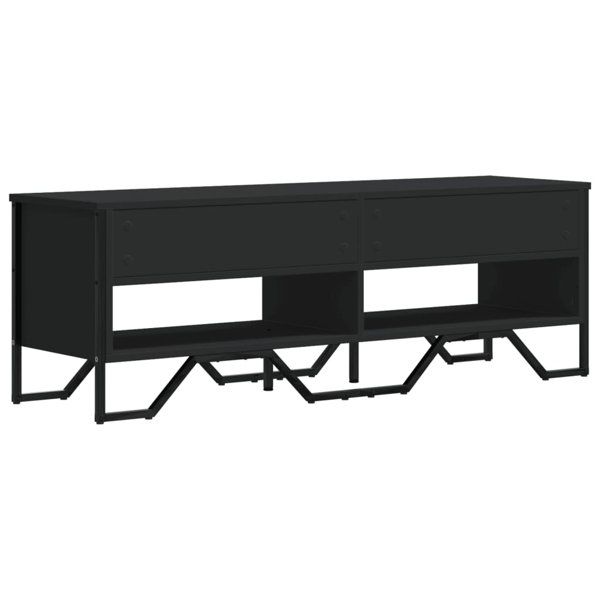
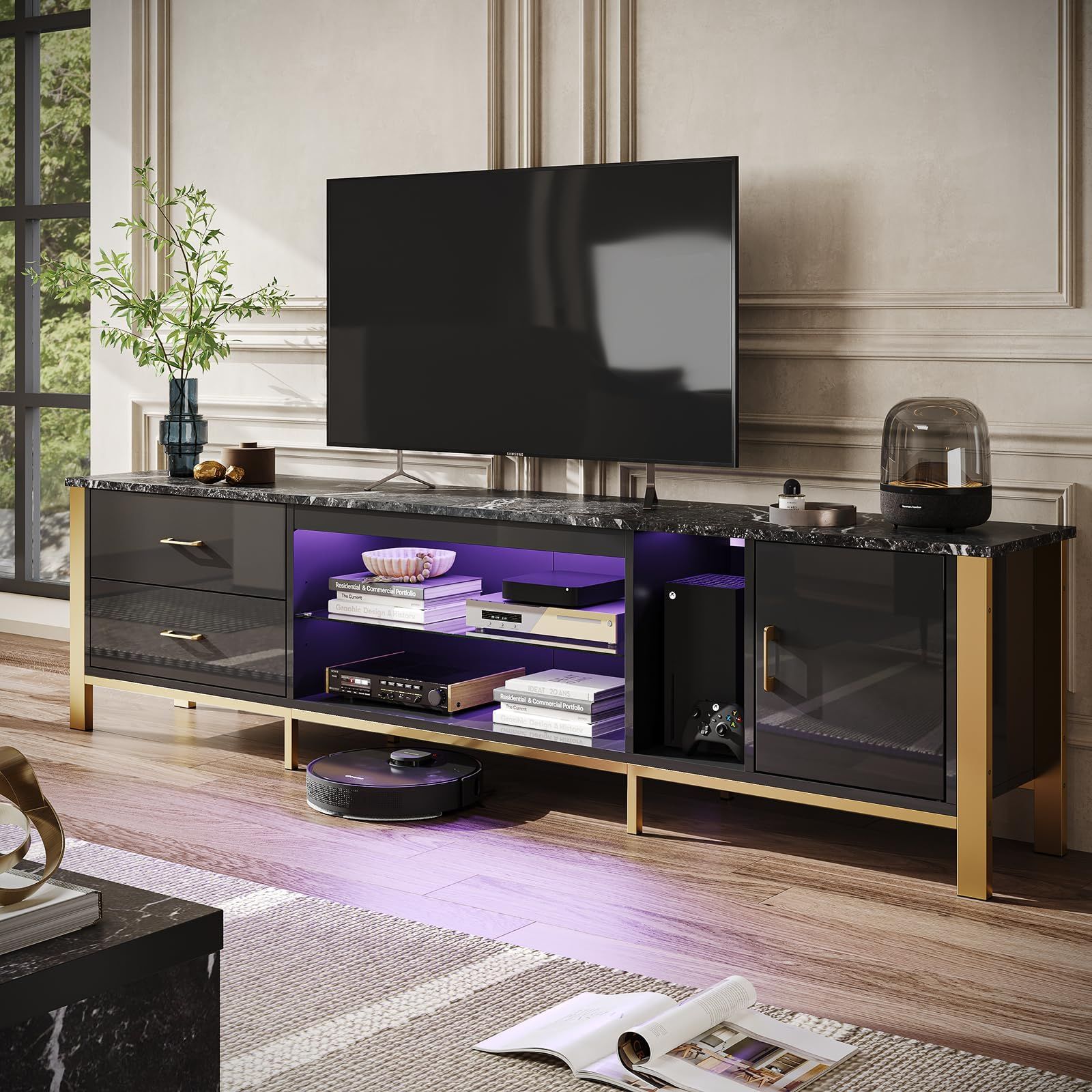
• Open shelving for frequently accessed items like books or decorative objects
• Closed cabinets for electronics that need protection from dust and light
• Drawers for smaller items like remotes, cables, or gaming accessories
• Specialized storage for items like DVDs, Blu-rays, or collectibles
Think about your daily routines. If you have a large TV, you might want to keep it elevated and easily visible. But what about all those cables and devices underneath? You don’t want to hide them completely, but you also don’t want to make them a visual mess. This is where strategic storage shines – it creates order without sacrificing aesthetics.
Cable Management Made Simple
This is the part where most people’s eyes glaze over, but hear me out – it’s actually pretty important. Cable chaos is the number one reason people hate their entertainment setups. Not because the tech doesn’t work, but because it looks like a rat’s nest. The good news? With proper planning, it’s completely avoidable.
Start with the basics. Know how many cables you have and what they’re for. Then plan ahead for future additions. A few extra outlets and cable paths can save you headaches later. You don’t need to hide everything – in fact, sometimes a neat, visible setup can be more appealing than a hidden mess.
Some practical approaches:
• Use cable raceways or channels built into the unit
• Install outlet covers that match your design scheme
• Keep cables organized in labeled bundles
• Plan for future upgrades with extra ports
• Consider wireless options where possible
Remember, the goal isn’t to make cables invisible – it’s to make them invisible in a good way. When done right, cables become a seamless part of the overall design rather than a distraction.
Lighting That Enhances Rather Than Distracts
Lighting plays a surprisingly big role in how we perceive our entertainment spaces. Poor lighting can make everything look flat and uninviting, while thoughtful lighting can elevate your entire setup. The key is choosing lighting that supports your activities without competing with your content.
There are several types of lighting to consider:
• Ambient lighting – general illumination that makes the space comfortable
• Task lighting – focused light for specific activities like reading or gaming
• Accent lighting – highlights specific items or areas
• Mood lighting – creates atmosphere and ambiance
For entertainment units, you want lighting that:
• Doesn’t create glare on screens
• Provides enough light for finding items in the dark
• Complements your existing room lighting
• Is easy to adjust or control
• Works with your overall aesthetic
A simple LED strip light behind shelves can add dimension to your unit without being overwhelming. Or perhaps a small table lamp next to your entertainment center provides the perfect amount of ambient light. Sometimes less is more when it comes to lighting in these spaces.
Choosing the Right Materials and Finishes
Materials matter more than most people realize. The right materials not only last longer but also contribute to the overall feel and function of your space. Consider how much time you’ll spend with your entertainment unit daily, and what kind of environment you’re creating.
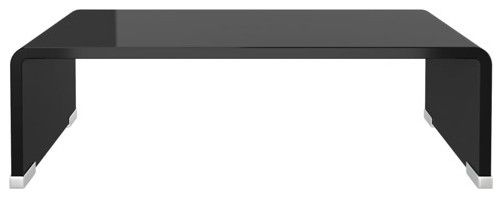
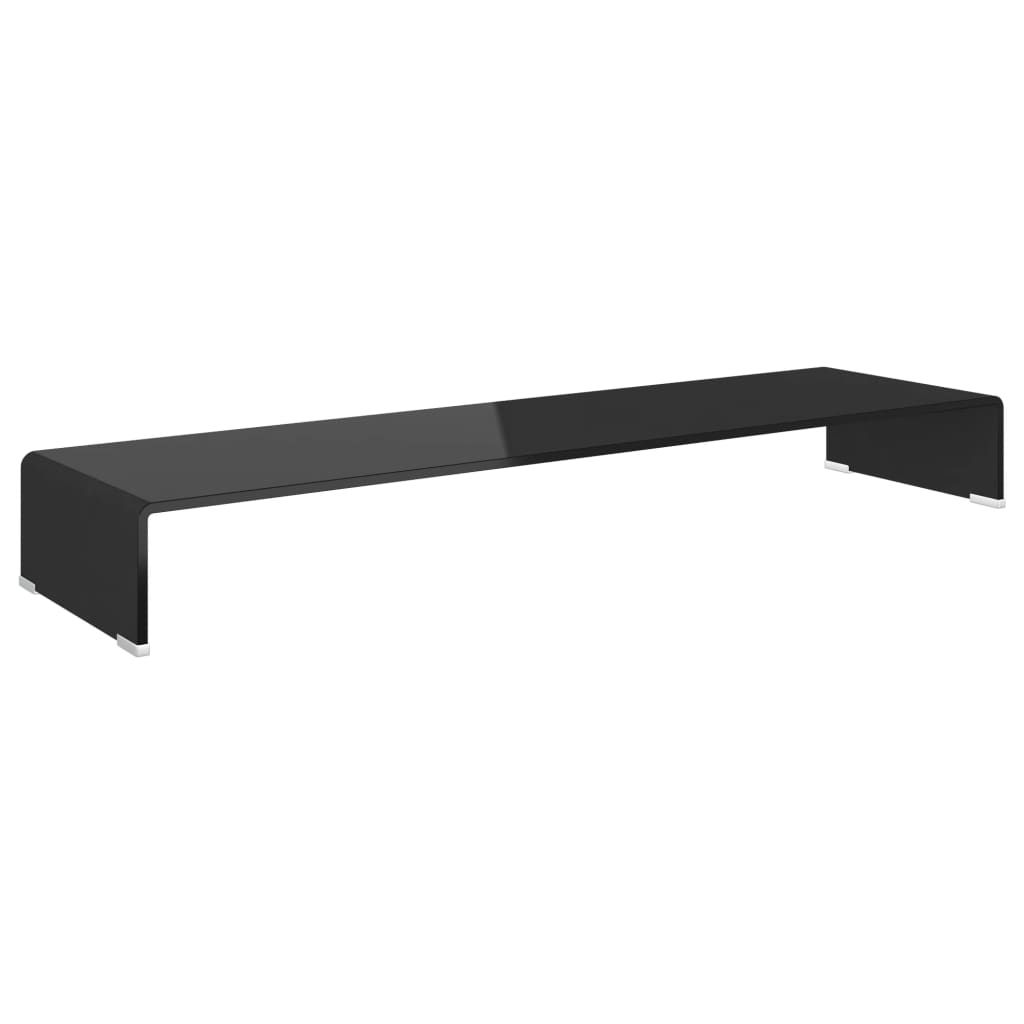
Wood is still popular for its warmth and durability, but it requires more care. Metal offers modern appeal and easy cleaning, while laminate provides excellent value and variety. Glass adds elegance but requires careful maintenance. Each material brings its own set of pros and cons.
When selecting finishes, think about:
• Your room’s existing color scheme and style
• How well the finish will handle daily wear and tear
• Whether it complements other elements in your space
• How it handles light and shadow
• Your budget constraints
A matte finish might be better for a high-traffic family room, while a glossy finish could work perfectly in a more formal setting. The material and finish choices should support the lifestyle you lead, not just the look you want to achieve.
Designing for Future Flexibility and Growth
This is probably the most overlooked aspect of entertainment unit design. Most people build something that works today, but fail to account for tomorrow’s needs. Technology changes fast, and your entertainment setup should be able to evolve with it.
Plan for flexibility by:
• Including extra outlets and ports
• Using modular components that can be reconfigured
• Choosing adaptable storage solutions
• Selecting furniture that can accommodate growth
• Building in space for new devices
Consider that your current setup might be just the beginning. You might upgrade to a larger screen, add streaming devices, or even incorporate smart home features. Having a flexible design means you won’t need to replace everything when technology advances.
It’s also worth thinking about how your space might change. Maybe you’ll have guests more often, or perhaps you’ll need to accommodate different activities. A flexible design allows for these changes without requiring major renovations.
Remember, the best designs are those that grow with you, not those that become outdated quickly.
Creating a home entertainment unit that’s both functional and stylish isn’t rocket science – it’s about thoughtful planning and attention to detail. When you start with user needs instead of just aesthetics, you build something that truly serves you. The principles we’ve explored – strategic storage, smart cable management, appropriate lighting, thoughtful materials, and future flexibility – these aren’t just design tips. They’re the foundation of spaces that last, adapt, and bring joy to daily life.
The most important thing to remember is that your entertainment unit should reflect your lifestyle, not just your taste. It should make your life easier, not harder. Whether you’re watching movies, playing games, or simply relaxing with friends, your space should support that experience. By applying these functional design principles, you’re not just building a piece of furniture – you’re creating a space that works for you, today and tomorrow. And honestly, isn’t that what we all want?