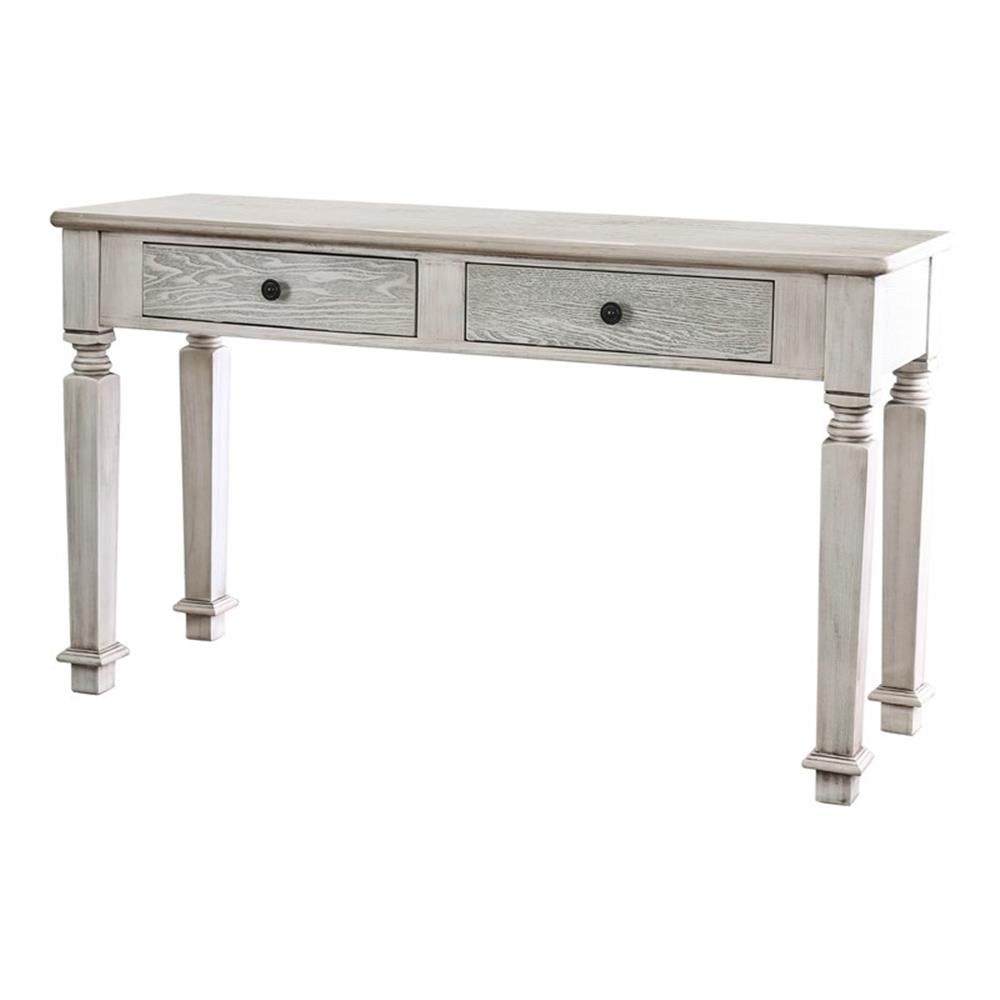
Every console table tells a story – not just about its design, but about the materials that make it endure. When you think about a beautiful console table, what comes to mind? Is it the elegant shape, the rich finish, or perhaps the way it seems to hold together even after years of daily use? The answer lies in the wood itself. Different woods bring unique characteristics to the table – some strong and enduring, others delicate and charming. But what makes one wood better than another? What really matters when choosing wood for your console table?
Console tables have always been more than just furniture. They’re the heart of living spaces, often serving as both functional pieces and artistic statements. Whether you’re looking for something that will sit proudly in your entryway or grace your dining room, the material you choose plays a huge role in how your table looks and lasts. It’s easy to get caught up in the design, the style, or even the price tag, but the foundation of a great console table lies in its material. The right wood can transform a simple piece of furniture into a lasting heirloom. But how do you know which wood is best for your needs? What makes some woods more durable than others? Let’s explore the essential factors that influence the strength and beauty of wooden console tables.
Hardwood vs Softwood: The Fundamental Difference
When you first look at a console table, you might not notice the difference between hardwood and softwood, but it’s one of the most important distinctions. Hardwoods come from deciduous trees like oak, maple, and cherry, while softwoods typically come from coniferous trees like pine and cedar. Hardwoods are generally more dense and harder, making them ideal for furniture that will see regular use. They tend to be more resistant to scratches, dents, and wear. Softwoods, on the other hand, are lighter and often more affordable, but they’re also more prone to damage over time. The grain patterns in hardwoods are usually more defined, giving them a richer appearance. Many people prefer hardwoods because they offer better long-term value. A solid oak console table will last generations if properly maintained. Softwoods can work well for rustic or casual styles, but they won’t stand up to heavy use the same way hardwoods will. You might find that a pine table looks lovely initially, but after a few years of daily use, it could start showing signs of wear.
Oak: Timeless Strength and Character
Oak stands out as one of the most popular choices for console tables. This hardwood is known for its durability and distinctive grain pattern. The wood’s natural strength means it can handle daily wear and tear better than many other options. Oak also ages beautifully, developing a warm patina over time. There are two main types: red oak and white oak. Red oak is more common and affordable, with a reddish hue that brings warmth to any room. White oak is denser and more water-resistant, making it great for areas with higher humidity. Both types offer excellent stability and are less likely to warp or crack. Oak’s classic look makes it versatile enough to fit into traditional, farmhouse, or modern designs. People often choose oak because it’s reliable – you know it will hold up under pressure, whether it’s a heavy lamp, a stack of books, or a family of four gathering around the table. Its ability to be refinished also means that an oak console table can be restored to its original beauty decades later.
Maple: Smooth, Clean Lines and Endurance
Maple is another hardwood that brings both elegance and resilience to console tables. Unlike oak’s bold grain, maple offers a smoother, more uniform surface. This makes it ideal for contemporary designs where clean lines matter. Maple is very hard and resistant to impact, which means it’s great for homes with children or pets. The wood has a light color that brightens up any space. Some people find maple’s subtle grain pattern appealing because it’s understated yet refined. It’s also a good choice for those who want a table that won’t show scratches easily. Maple isn’t as prone to warping as some other woods, which helps keep your table flat and stable. If you’re looking for a wood that’s both practical and stylish, maple might be the perfect fit. It’s not quite as robust as oak, but it’s still a strong contender for everyday use. Plus, it takes finishes beautifully, so you can customize its appearance to match your décor perfectly.
Cherry: The Aging Beauty
Cherry wood is special because of how it changes over time. When new, cherry is a light-colored wood, but it naturally darkens with exposure to light and air. This transformation creates a beautiful, rich tone that many people find irresistible. Cherry is a hardwood that’s also very stable, which means it’s less likely to expand or contract with temperature changes. It’s moderately priced and offers a nice balance of affordability and quality. The wood has a fine, even texture that’s easy to work with, allowing craftspeople to create smooth, elegant surfaces. Cherry consoles often develop a deep amber glow that’s particularly attractive in warm lighting. This aging process gives each piece a unique character, making every cherry table slightly different. It’s not as hard as oak or maple, but it’s still tough enough for regular use. For someone who appreciates the idea of their furniture becoming more beautiful with age, cherry is an excellent choice.
Walnut: Luxury Meets Durability
Walnut is often considered the premium choice for console tables. This hardwood is prized for its rich, dark brown color with hints of purple and chocolate tones. Walnut is extremely dense and strong, making it ideal for heavy-duty use. The wood has a beautiful straight grain that adds visual interest without being overwhelming. Walnut is also naturally resistant to insects and decay, which makes it a smart choice for outdoor or high-moisture environments. While it’s more expensive than many other woods, walnut’s combination of aesthetics and performance makes it worth the investment. The wood is also easy to maintain, requiring only occasional oiling to keep its luster. Walnut consoles often become conversation starters because of their luxurious appearance. They’re perfect for formal spaces or for anyone who wants a statement piece that will last for decades. The wood’s natural beauty means it rarely needs a heavy finish to look good, though some prefer to enhance its richness with a protective coating.
Pine and Cedar: Affordable Options with Unique Charm
For those working within a budget, pine and cedar offer appealing alternatives. Pine is a softwood that’s much more affordable than hardwoods, but it’s not without its charms. It has a natural, rustic appeal that works well in farmhouse or country-style settings. Pine tends to have knots and variations in its grain, which add character rather than detracting from the overall look. However, it’s softer than hardwoods, so it’s more susceptible to scratches and dents. Cedar, on the other hand, has a distinct aroma and natural resistance to insects. It’s often used for outdoor furniture and can be a good choice for console tables in certain climates. Both woods are lightweight and easy to work with, which means they’re often found in DIY projects or budget-friendly pieces. While they may not last as long as hardwoods, they can still serve their purpose well, especially if you’re looking for a casual, relaxed feel. Pine and cedar tables often develop a weathered look over time, which many people find endearing. The key is understanding that these woods are best suited for low-traffic areas or decorative pieces where their natural imperfections are part of their charm.
Choosing the right wood for your console table is more than just picking a pretty look. It’s about considering how the piece will function in your life and how long you want it to last. Each wood type brings its own strengths – from oak’s timeless durability to walnut’s luxurious appearance. Softwoods like pine offer affordability and rustic appeal, while hardwoods provide lasting strength and beauty. The grain patterns, color changes, and maintenance requirements all play a role in determining which wood suits your lifestyle and aesthetic preferences. Remember, the best choice depends on your priorities. Do you want something that will survive decades of daily use? Then hardwoods like oak or maple are your best bet. Are you drawn to the idea of a piece that changes and grows with time? Cherry might be perfect for you. Whatever your decision, the material you choose sets the stage for how your console table will perform and look throughout its life. Take your time to consider these factors, and you’ll find a wood that not only meets your needs but also enhances your home’s character.