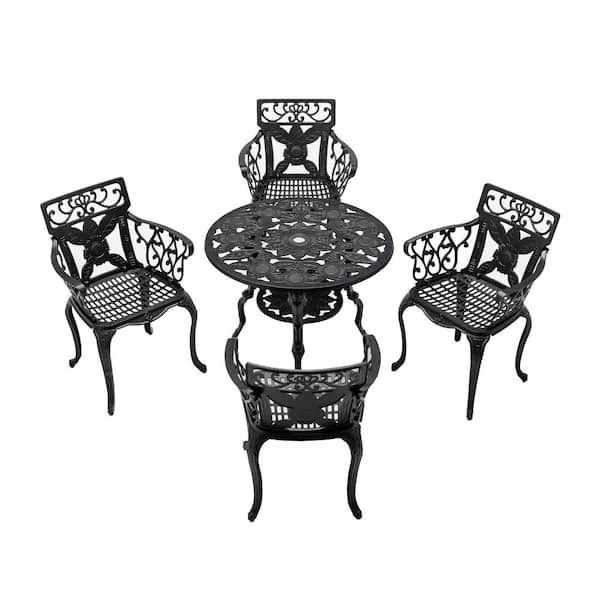
When you think about outdoor spaces, durability often takes a backseat to aesthetics. But let’s be honest – no one wants to spend money on a beautiful deck that falls apart in two seasons. The truth is, building outdoor living environments that last requires thoughtful planning, quality materials, and an understanding of how weather and daily use impact these spaces. This guide explores everything you need to know to create outdoor areas that will serve you well for years to come.
Outdoor living spaces have become essential parts of modern homes. Whether it’s a cozy patio for morning coffee, a spacious deck for family gatherings, or a serene backyard sanctuary, these areas offer a bridge between indoor comfort and nature’s embrace. But here’s the thing – they face constant challenges that indoor spaces never encounter. Sun exposure, rain, temperature fluctuations, and foot traffic all take their toll. What if we told you there’s a way to build outdoor environments that resist these elements while remaining beautiful and functional? It’s not just wishful thinking. With the right approach, smart materials, and proper construction techniques, you can create spaces that stand strong against time and weather.
Understanding the Challenges of Outdoor Construction
Outdoor environments present unique obstacles that indoor projects simply don’t face. Temperature swings cause materials to expand and contract, leading to cracks and gaps over time. Moisture from rain, humidity, and even dew creates conditions for mold, mildew, and rot. UV rays from the sun fade colors and weaken materials. And let’s not forget about foot traffic, which wears down surfaces faster than most people realize. These factors combine to create a harsh environment that demands special consideration. Think about your last outdoor furniture purchase – how many items have you replaced because of weather damage? That’s exactly why understanding these challenges upfront matters so much. Every project needs to account for these realities from day one.
Choosing the Right Materials for Longevity
Material selection makes or breaks an outdoor project. Some choices seem obvious, like using pressure-treated lumber for decks, but there are smarter options available now. Cedar and redwood naturally resist decay, while composite materials offer low maintenance and long life. For decking, consider materials like ipe or teak, which are naturally resistant to insects and moisture. Stone and concrete are excellent for patios and walkways because they handle weather extremes well. Metal work needs proper coating and treatment to prevent rust. The key isn’t just picking expensive materials – it’s choosing the right material for each application. For example, aluminum works great for railings, but might not be ideal for structural beams. Understanding the properties of different materials helps you make informed decisions that save money in the long run. When selecting materials, always check their resistance ratings for things like UV exposure, water absorption, and freeze-thaw cycles. A quick look at manufacturer specifications can prevent costly replacements later.
Foundation and Structural Considerations
The foundation sets the stage for everything else. Poorly planned foundations lead to sinking, cracking, and instability. Concrete footings provide stability, but they must be properly sized and placed. In areas with freezing temperatures, footings need to go below the frost line to avoid shifting. Soil conditions matter too – clay soils expand and contract with moisture changes, potentially causing problems. Proper drainage around the foundation prevents water accumulation that leads to deterioration. Structural elements like beams and posts require careful attention to load-bearing capacity. You don’t want your deck to sag under normal use or collapse during a storm. Consider consulting local building codes, which often specify minimum requirements for outdoor structures. Many regions have specific guidelines for deck heights, railing requirements, and material standards. These aren’t suggestions – they’re safety measures that protect both property and people.
Weatherproofing Techniques and Best Practices
Weatherproofing isn’t just about protecting against rain – it’s about managing the entire environmental assault. Proper sealing of joints and connections prevents water infiltration. Using appropriate fasteners, such as stainless steel or galvanized hardware, prevents corrosion. Installing proper drainage systems keeps water away from foundations and structures. Ventilation helps prevent moisture buildup in enclosed spaces. Consider adding overhangs or shelters to protect high-use areas from direct sun and rain. The details matter enormously – a poorly sealed corner can become a leak source within months. Regular maintenance becomes easier when you plan for it during initial construction. For instance, leaving space for access behind railings allows for future cleaning and repairs. Some contractors install removable panels or covers for easier maintenance of mechanical components. These small additions pay dividends over time.
Design Elements for Durability and Functionality
Smart design choices make a huge difference in how well outdoor spaces age. Choosing appropriate proportions ensures that elements don’t feel overwhelmed or cramped. Proper lighting design considers both function and longevity – LED fixtures last longer and produce less heat than traditional bulbs. Storage solutions built into the structure keep clutter out of sight and protect items from weather. Planning for seasonal changes means considering how spaces will be used in winter as well as summer. Shade structures provide relief from sun and rain while extending usability. Consider how furniture placement affects traffic flow and maintenance access. Some designers incorporate modular elements that can be reconfigured as needs change. The goal is creating spaces that adapt rather than deteriorate over time. Think about how you use your outdoor area – does it accommodate entertaining, relaxation, or both? The answer often dictates how you should approach the design.
Maintenance Strategies for Long-Term Success
Even the best materials need care to last. Regular cleaning removes dirt and debris that can cause damage. Inspecting for signs of wear early catches problems before they become major issues. Seasonal maintenance routines prevent small problems from growing. Pressure washing decks and patios helps remove mold and moss. Applying protective treatments according to manufacturer recommendations extends material life. Keeping gutters clean prevents water overflow onto outdoor structures. Checking fasteners and hardware regularly prevents loose elements that could cause accidents. Creating a maintenance schedule makes it easier to stay on top of tasks. Many homeowners find success with simple quarterly checks – spring, summer, fall, and winter inspections. Documenting repairs and treatments helps track what needs attention next. The investment in regular maintenance pays off dramatically compared to replacement costs.
Building durable outdoor living environments isn’t just about following rules or using expensive materials – it’s about respecting the natural forces that shape our outdoor spaces. When you plan thoughtfully, choose wisely, and maintain consistently, your outdoor areas become investments rather than expenses. These spaces deserve to be as reliable as your home’s interior, and they can be. The key lies in understanding that durability comes from combining quality materials with smart design and consistent care. Whether you’re starting a new project or renovating an existing space, remember that the effort you put into planning today will determine whether your outdoor environment remains enjoyable tomorrow. The satisfaction of having a space that stands the test of time is worth every extra hour spent on proper preparation and execution. After all, these are the places where memories are made and lives are lived outdoors.