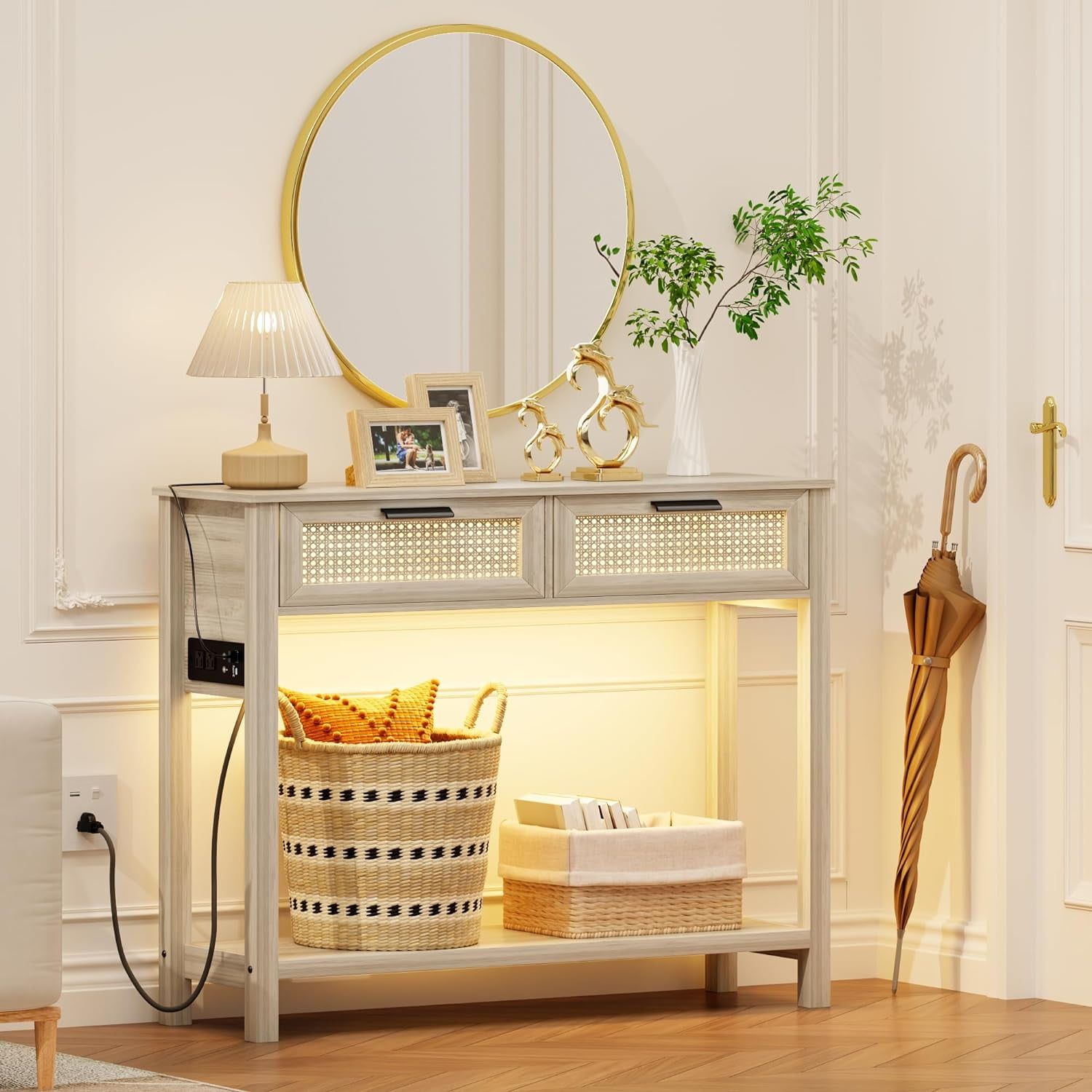
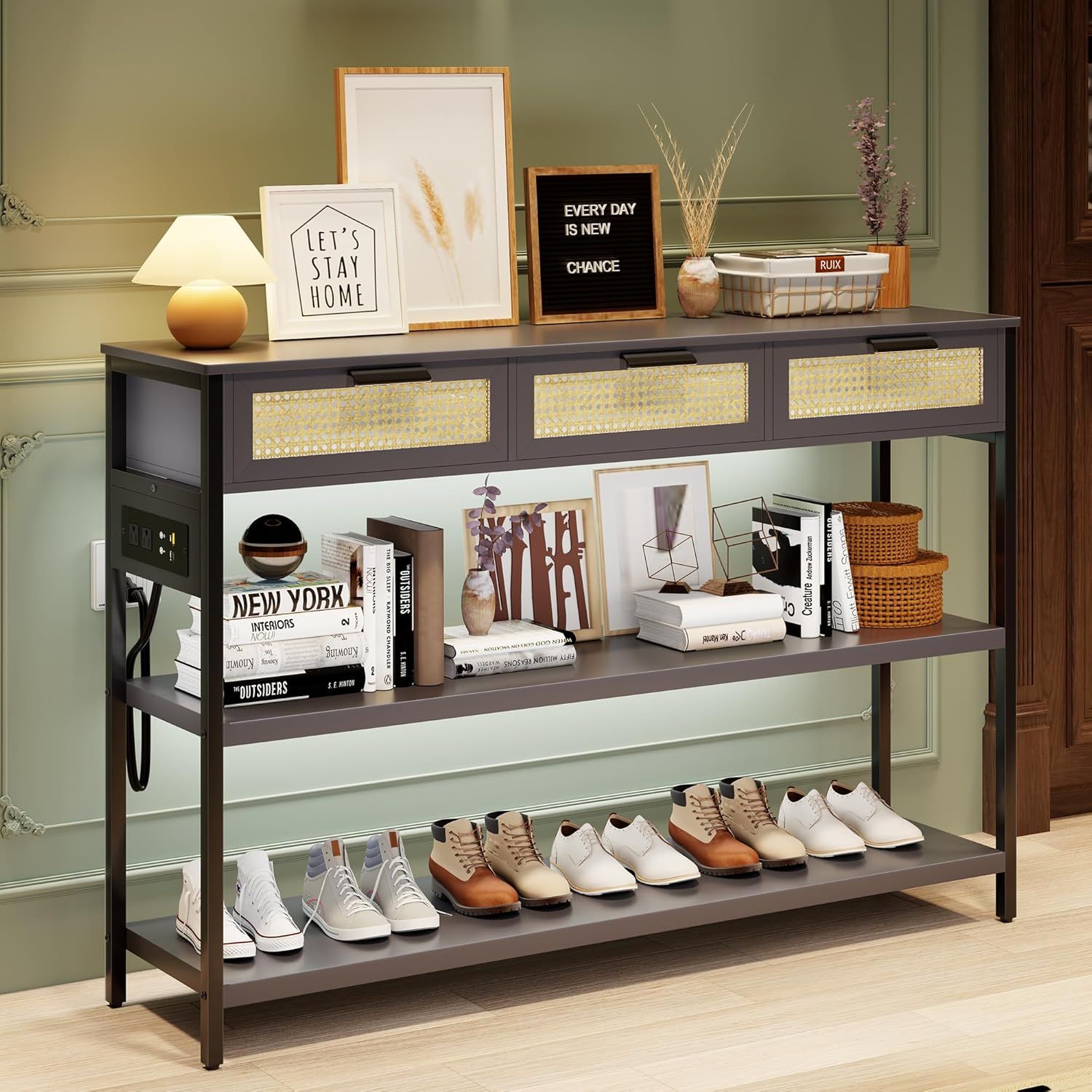
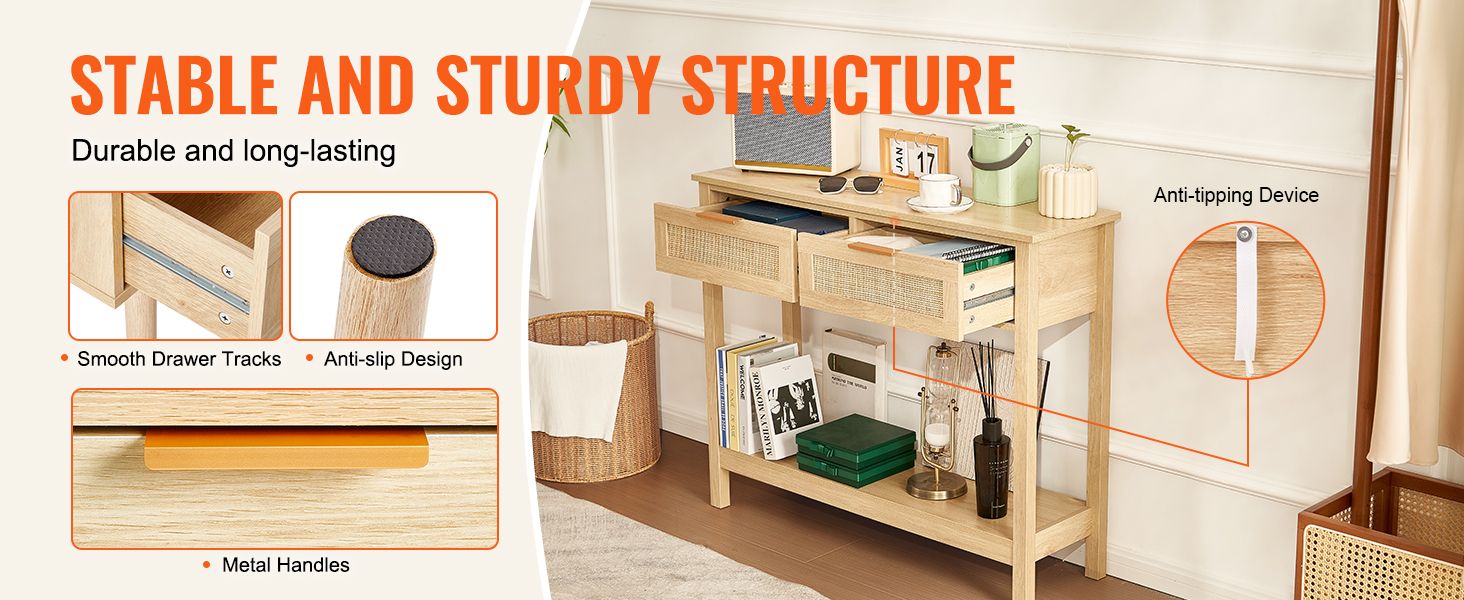
Picture this: You walk into a living room and instantly feel a sense of calm. The furniture looks both stylish and welcoming. What’s the secret? Often, it’s something subtle yet powerful – rattan. This versatile material isn’t just for tropical vacations anymore. It’s become a major player in contemporary home design, adding texture, warmth, and character to spaces that might otherwise feel too sterile or cold.
When you think about home decor materials, wood and metal probably come to mind first. But there’s a growing trend that’s quietly taking over living rooms, dining areas, and even bedrooms across the globe. Rattan, the natural fiber that has been used for centuries, is finding its way into modern homes in ways we never imagined. From sleek coffee tables to cozy reading nooks, this ancient material is proving that tradition and modernity can work hand-in-hand. What makes rattan so special? Why is it suddenly everywhere in interior design magazines and showroom displays? Let’s explore the fascinating world of rattan elements in contemporary home decor.
The Natural Appeal of Rattan
Rattan is more than just a decorative element – it’s a connection to nature that feels incredibly refreshing in our digital age. This material comes from the stems of various palm trees found primarily in Southeast Asia, particularly Indonesia and Thailand. The fibers are incredibly strong and flexible, making them perfect for weaving and crafting furniture. The natural grain patterns in rattan add visual interest that’s hard to replicate with synthetic materials. When you look at a rattan chair or table, you’re seeing the unique characteristics of each piece, creating a sense of authenticity that’s becoming increasingly rare in mass-produced items. The warm, golden tones of rattan complement almost any color scheme, making it incredibly versatile. Whether you prefer minimalist whites and grays or rich earth tones, rattan can adapt and enhance your existing aesthetic. It brings that feeling of being outdoors, even when you’re inside your home.
Versatility in Modern Furniture Design
One of the most impressive things about rattan is how it seamlessly blends into different design styles. Contemporary designers have discovered that rattan works beautifully in Scandinavian minimalism, industrial chic, and even modern farmhouse aesthetics. Consider a rattan dining table with clean lines – it adds organic warmth without overwhelming the space. Or imagine a rattan lounge chair with a simple wooden frame – the combination creates a cozy, inviting atmosphere that encourages relaxation. The material’s natural texture provides contrast against smooth surfaces, creating visual balance. Rattan elements can be used in unexpected ways too. Think about rattan wall art that adds dimension to a blank wall, or rattan baskets that serve as both storage and decoration. The possibilities seem endless when you consider that rattan can be woven, carved, or shaped into virtually any form. Even small rattan accents like picture frames or lampshades can make a significant impact. This flexibility means that rattan isn’t just for large furniture pieces – it can enhance every corner of your home.
Sustainability and Environmental Benefits
In an era where environmental consciousness matters more than ever, rattan offers compelling advantages. Unlike many materials that require extensive processing or chemical treatments, rattan is largely harvested from sustainable sources. These palm trees grow quickly and can be harvested without killing the plant, making it one of the most eco-friendly materials available. The production process typically involves minimal chemicals and energy consumption compared to synthetic alternatives. Many rattan products are biodegradable, meaning they won’t contribute to landfill waste when they eventually reach the end of their life cycle. Additionally, rattan furniture often lasts decades when properly maintained, reducing the need for frequent replacements. This longevity aligns perfectly with the growing movement toward sustainable living and mindful consumption. When you choose rattan elements for your home, you’re making a choice that supports environmental responsibility while creating beautiful spaces. The fact that it’s renewable and long-lasting makes it a smart investment for both your wallet and the planet.
Practical Considerations for Homeowners
While rattan is undeniably attractive, it’s important to understand how to care for it properly. The material does require some attention to maintain its appearance and longevity. Regular dusting with a soft cloth helps preserve the natural look. For deeper cleaning, gentle soap and water usually do the trick, though you should avoid soaking rattan pieces for extended periods. Humidity can affect rattan over time, so keeping it in moderate conditions helps prevent warping or cracking. When shopping for rattan furniture, check the construction quality carefully. Look for pieces where the rattan is securely attached and properly finished. Some manufacturers offer protective coatings that make maintenance easier. Storage is another consideration – if you need to store rattan items during seasonal changes, keep them in a dry place away from direct sunlight. These practical steps ensure that your rattan elements will continue to look beautiful for years to come. The investment in proper care pays off in long-term satisfaction and enjoyment.
Popular Applications in Contemporary Spaces
Designers are incorporating rattan elements into homes in creative and unexpected ways. In living rooms, rattan side tables provide functional storage while adding natural texture. The material works especially well in open-concept spaces where you want to define different areas without using walls. Dining rooms benefit from rattan chairs that combine comfort with style, making mealtime more enjoyable. Bedrooms see rattan nightstands that offer both function and visual appeal, while rattan headboards create focal points that are both elegant and cozy. Even bathrooms are getting in on the rattan action with storage solutions that resist moisture and humidity. Kitchen spaces benefit from rattan accessories like spice racks or cutting boards that bring warmth to the often sterile environment of modern kitchens. The versatility extends to outdoor spaces too, where rattan furniture provides a comfortable transition between indoor and outdoor living. These applications show how rattan can be integrated into every area of the home, creating cohesive design throughout the entire space.
Combining Rattan with Other Materials
The magic happens when rattan is combined with other materials in clever ways. Mixing rattan with concrete creates a striking contrast that appeals to lovers of industrial design. Pairing it with wood brings out the warmth of both materials, creating a balanced look that feels grounded and natural. Combining rattan with metals like steel or brass adds sophistication and modernity to traditional pieces. Glass and rattan together create lightness and airiness that’s perfect for smaller spaces. The key is finding the right balance – too much of any single material can overwhelm a room, but thoughtful combinations create depth and visual interest. Consider a rattan and wood coffee table with metal legs, or a rattan chair with a glass top for a contemporary twist. These hybrid designs showcase how rattan can elevate other materials rather than compete with them. The result is often a more sophisticated and layered aesthetic that feels intentional and well-thought-out.
Rattan has truly earned its place in contemporary home decor, proving that natural materials can enhance modern living without sacrificing style or functionality. From its sustainable origins to its incredible versatility, rattan offers homeowners a way to bring authenticity and warmth into their spaces. The material’s ability to complement various design aesthetics while maintaining its own distinct character makes it a standout choice for anyone looking to create a home that feels both current and timeless. Whether you’re furnishing a new space or updating an existing one, rattan elements can provide that perfect touch of natural elegance. As we continue to seek balance between technology and nature, rattan stands out as a material that bridges both worlds beautifully. Its enduring appeal lies not just in its appearance, but in its ability to create spaces that feel lived-in, welcoming, and genuinely comfortable. The future of rattan in home design looks bright, and for good reason – it continues to prove that sometimes the simplest solutions are the most effective ones.