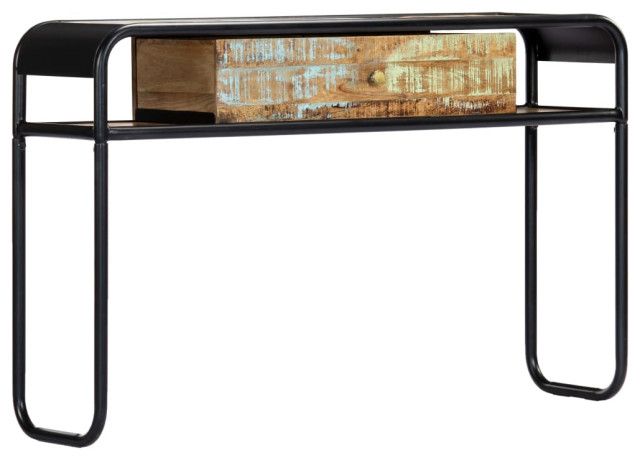
Hallways often get overlooked when it comes to interior design, but they’re actually some of the most important spaces in your home. These narrow corridors can either feel like awkward dead zones or become stunning focal points. Enter the console table – that versatile piece that can transform a mundane hallway into something truly special. But here’s the thing: placing one correctly isn’t just about finding space. It’s about creating visual balance that makes your whole hallway feel intentional and well-thought-out.
When you think about it, hallways serve as the backbone of any home. They connect rooms, guide movement, and set the tone for what lies ahead. Yet too often, these essential pathways remain forgotten in the design process. A well-placed console table can completely change how a hallway feels. It’s not just about adding furniture – it’s about crafting a visual experience. Imagine walking into a hallway where everything seems to belong, where there’s purpose behind every element. That’s the magic of balanced design. The right console table can act as both functional storage and artistic statement, but only if it’s positioned just right. This isn’t about following rigid rules – it’s about understanding how our eyes naturally move through space and how objects interact with each other.
Understanding Hallway Proportions
Before we dive into placement strategies, it’s crucial to understand what makes a hallway unique. Unlike living rooms or dining areas, hallways have specific constraints. They’re typically narrow, with limited floor space, and often have defined dimensions that can make or break a design. The key is working with what you have rather than against it. When measuring your hallway, pay attention to the width, length, and ceiling height. A console table that looks perfect in a large living room might overwhelm a narrow corridor. Consider the proportions carefully. A hallway that’s 4 feet wide needs different treatment than one that’s 8 feet wide. Think of your console table as a bridge between the walls, not a barrier across them. It should feel like it belongs there, neither too cramped nor too spacious. Sometimes, the best approach is to choose a table that’s shorter than the space allows – this creates breathing room and prevents visual clutter.
The Golden Rule of Scale
Scale matters more than you might expect. A console table that’s too big can make a hallway feel cramped, while one that’s too small can look lost. The golden rule here is simple: the table should be proportionally smaller than the space it occupies. If your hallway is 10 feet long, a 6-foot console table will usually work better than an 8-foot one. This creates visual rhythm and makes the space feel more comfortable. Also consider the height of the table. In hallways, you want to avoid anything that blocks sightlines or creates awkward shadows. A table that’s 30 inches high works well in most situations. You’ll notice that many designers prefer slightly lower tables in hallways because they allow people to walk through without feeling obstructed. Try standing in your hallway and holding a piece of paper to the wall – if it fits comfortably between the table and the ceiling, you’re probably on the right track. Remember, it’s better to err on the side of modest proportions than to go overboard.
Visual Weight Distribution
Balance isn’t just about symmetry – it’s about distributing visual weight evenly throughout the space. This means considering not just the size of your console table, but also its contents. A heavy-looking table with lots of decorative items can make one side of the hallway feel heavier than the other. Think about how you arrange things on top. Place heavier items toward the center and lighter elements toward the edges. Consider using the same style of objects on both sides to maintain consistency. For example, if you have a tall vase on the left, match it with another tall object on the right. You can also use color to create balance. If one side has dark wood tones, balance it with a light-colored item on the opposite side. The goal is to create a sense of equilibrium that your eye naturally follows. Sometimes, the most effective balance comes from using negative space strategically – leaving one side slightly less busy than the other.
Lighting and Reflection Play
Good lighting can make or break a hallway’s atmosphere. When placing a console table, consider how light hits it and reflects off nearby surfaces. Natural light is ideal, but artificial lighting can be equally effective. A table with a reflective surface – like glass or polished wood – can bounce light around the space and make it feel larger. This is especially helpful in smaller hallways where you want to avoid a claustrophobic feeling. Think about where you place your table relative to windows. If there’s a window on one side, position the table so that it doesn’t block the light. Sometimes, the best spot is slightly off-center to create a natural flow. Also consider how your table’s lighting affects the rest of the hallway. A table lamp or sconce can create a welcoming glow that draws people into the space. The interplay between shadows and highlights on the walls can add depth and dimension to otherwise flat corridors.
Functional Considerations
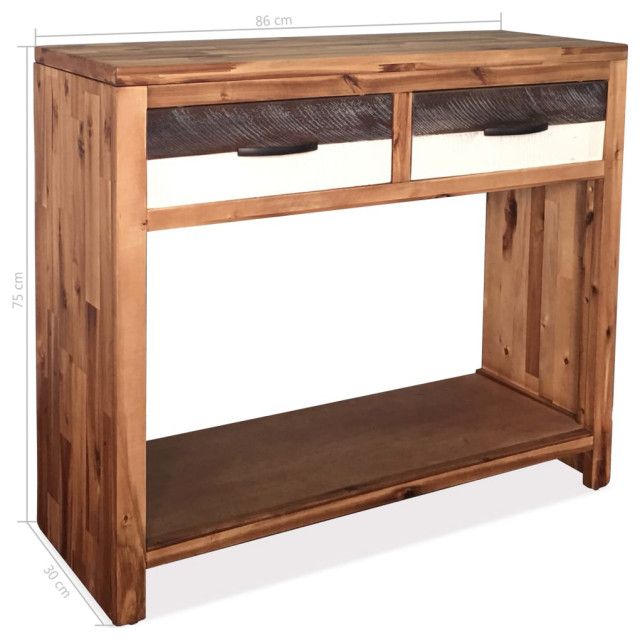
While aesthetics are important, don’t forget about function. A console table in a hallway needs to serve a purpose beyond looking pretty. Think about how people will use the space. Will they need to carry items through? Will there be coats, keys, or other daily essentials? The table should accommodate these needs without becoming a hindrance. Consider the depth of your table – you want enough space for practical items but not so much that it becomes unwieldy. A table that’s 12 inches deep works well in most hallways, providing enough surface area for items while remaining manageable. Also think about accessibility. If you have children or elderly family members, ensure the table isn’t too high or too low. The standard height of 30 inches works well for most people. Storage options matter too. Some console tables come with drawers or shelves that can hide away daily clutter, keeping the space looking clean and organized.
Style and Design Integration
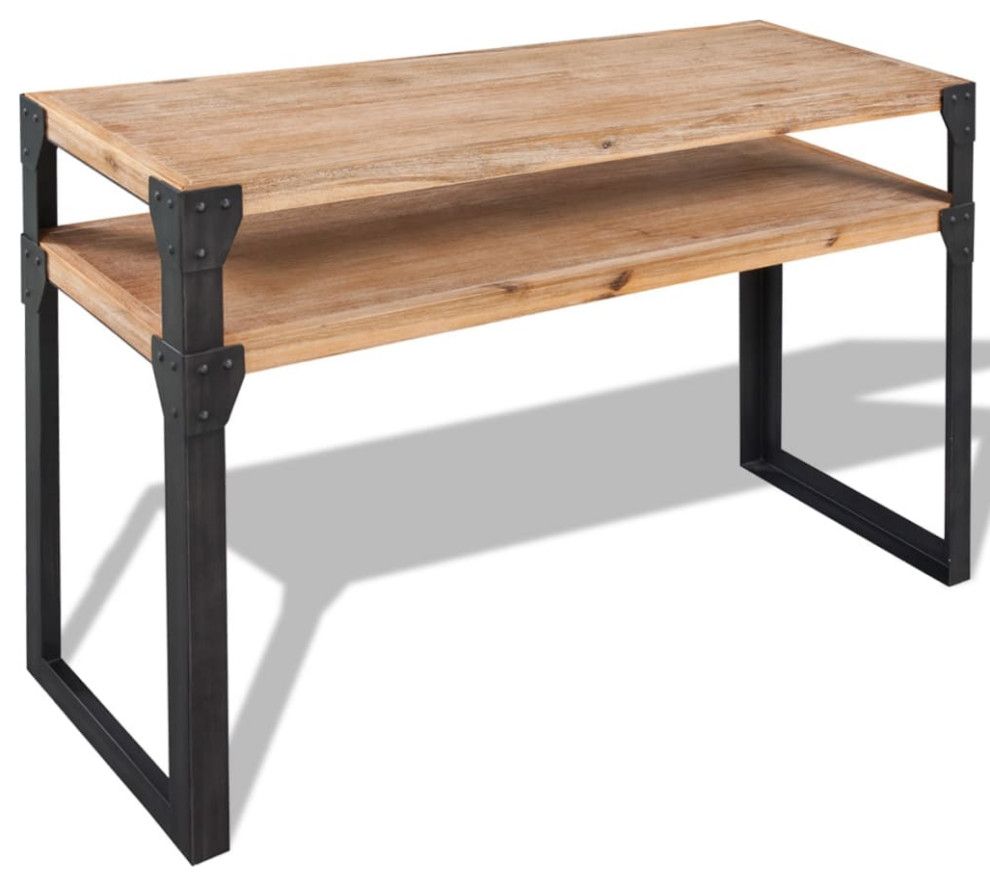
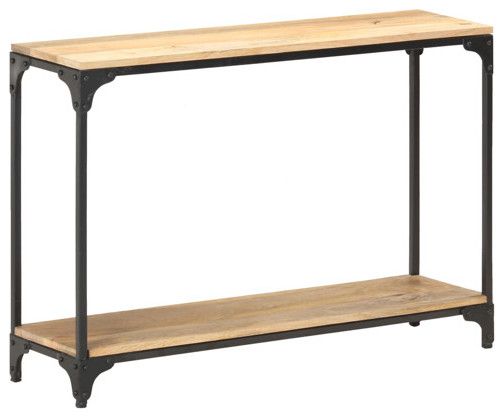
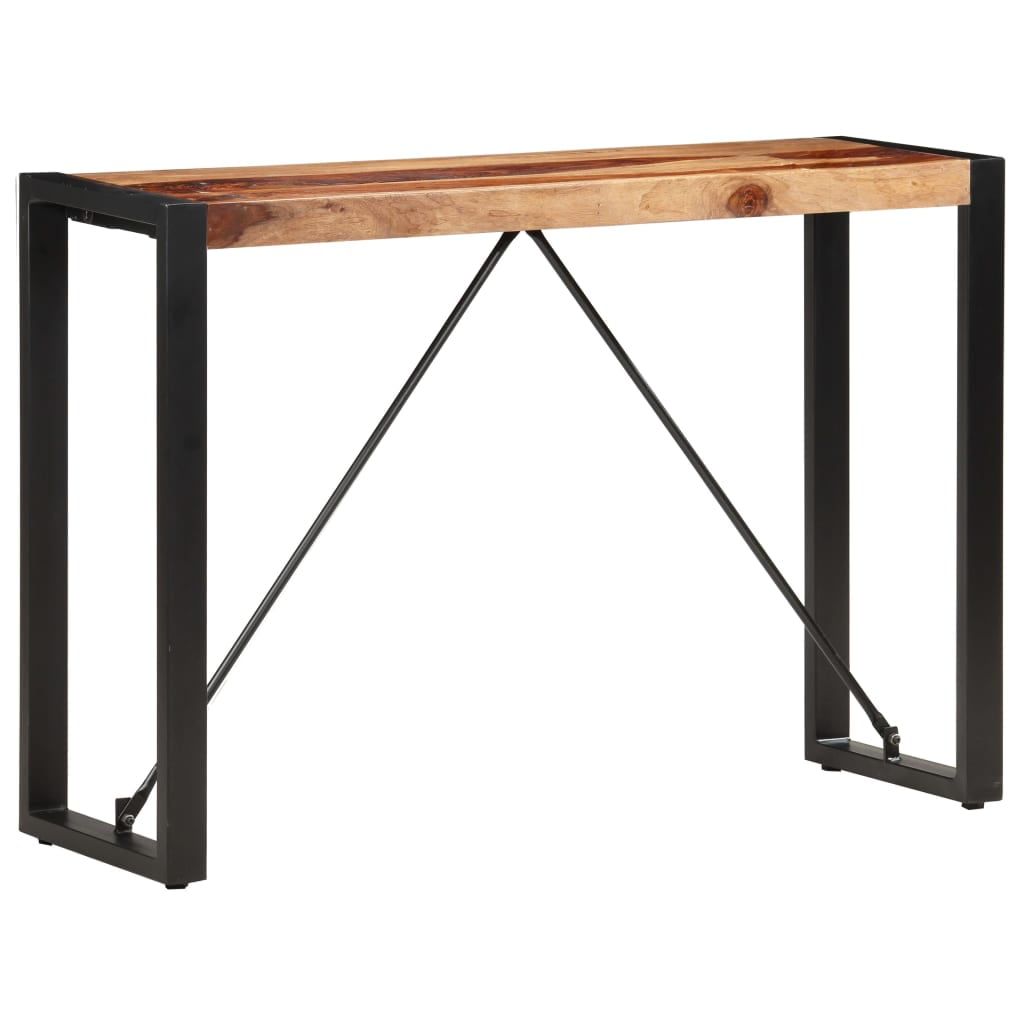
Finally, remember that your console table should blend with the overall design of your home. Look at the existing architectural elements and choose a table that complements them. If your hallway has a modern aesthetic, go for sleek lines and minimalist designs. For traditional spaces, consider ornate details and rich materials. The material itself matters – wood can add warmth, metal brings industrial flair, and glass creates openness. Don’t ignore the pattern and texture of the flooring. If your hallway has a textured floor, choose a table that won’t compete with it. Instead, let the table act as a bridge between different design elements. Think about how the table’s shape interacts with the hallway’s geometry. A rectangular table works well in straight hallways, while a curved table might be better for more organic spaces. The key is ensuring that the table feels like it was always meant to be there.
Creating visual balance with console tables in hallways is really about understanding how space works and how people move through it. It’s not just about placing furniture – it’s about crafting experiences that make people feel comfortable and welcome. The right console table can turn a boring corridor into a beautiful transition space. Remember to consider proportions, scale, visual weight, lighting, functionality, and design integration. These elements work together to create harmony that feels natural rather than forced. Every hallway is different, so trust your instincts and don’t be afraid to experiment. Sometimes the most successful designs come from unexpected placements. The goal isn’t perfection – it’s intentionality. When you approach your hallway with care and attention, you’ll find that even the simplest console table can become a true centerpiece of your home. Whether you’re designing a new space or updating an existing one, keep these principles in mind. Your hallway will thank you for it.