Picture this: warm afternoon sun casting gentle shadows across your backyard, the gentle clink of wine glasses, and friends and family gathered around a beautifully set table. That dream backyard oasis starts with one crucial element – the right outdoor dining furniture. It’s not just about having something to sit on and eat from. It’s about creating a space where memories are made, conversations flow freely, and every meal feels like a celebration.
Let’s face it – outdoor dining isn’t just a trend anymore. It’s become a lifestyle choice for many of us who want to extend our living spaces beyond the kitchen and into the fresh air. But when you’re standing in that showroom or browsing online, overwhelmed by choices, it’s easy to get lost in the shuffle. What should you consider? How do you pick something that will last through seasons and still look great? The truth is, choosing outdoor dining furniture involves more than just picking something pretty. It’s about understanding materials, thinking about function, and most importantly, matching it to your lifestyle and space. This guide will walk you through everything you need to know to make that perfect choice.
Understanding Material Options
The foundation of any good outdoor dining set lies in its material. Different materials bring different benefits, drawbacks, and aesthetics to your backyard. Let’s break down the main contenders.
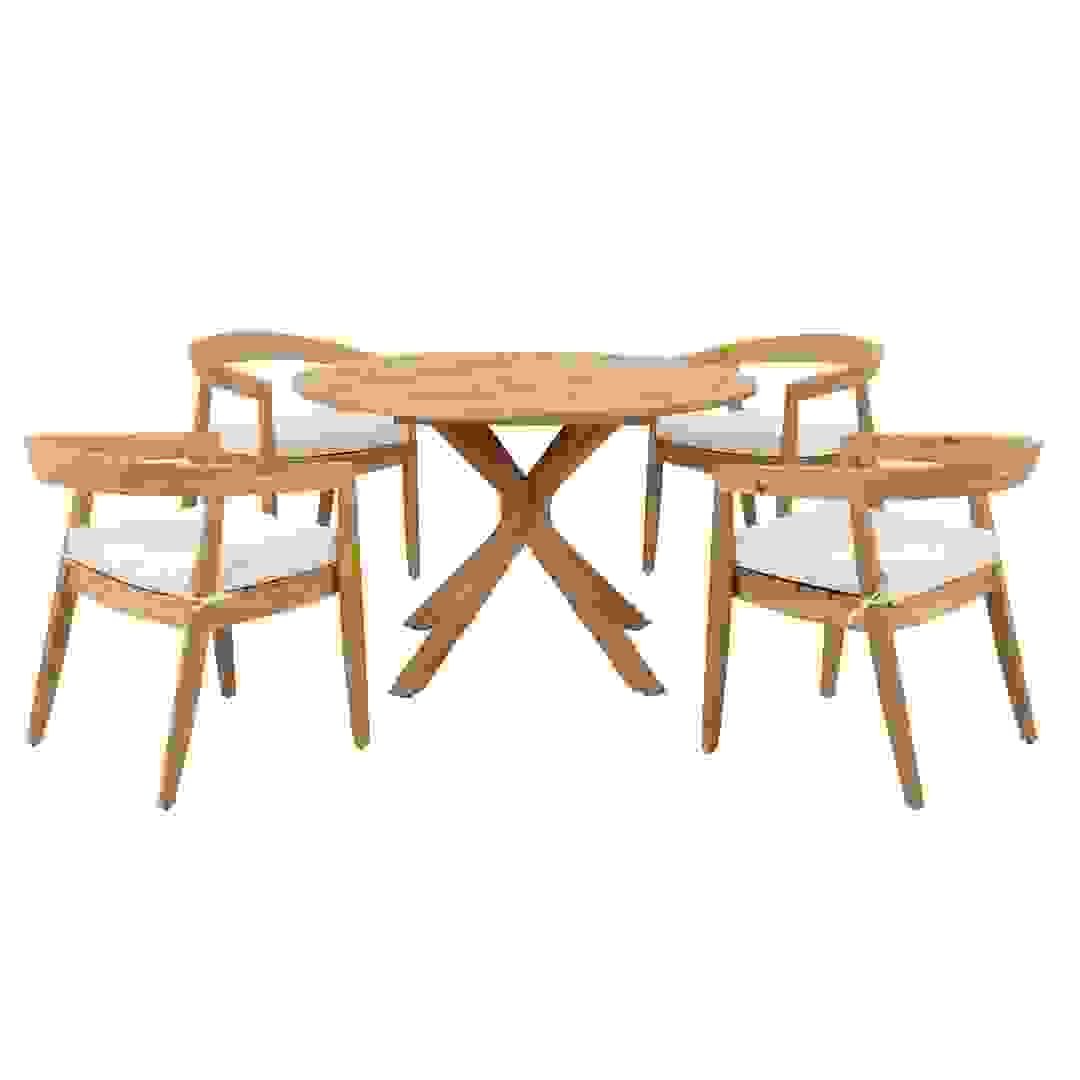
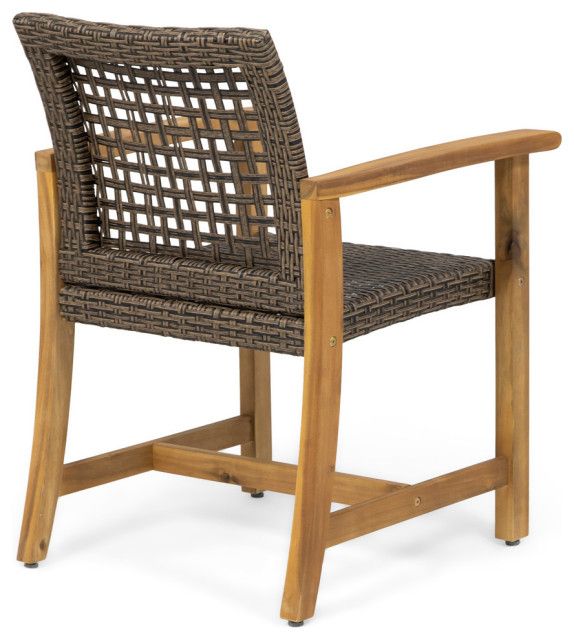
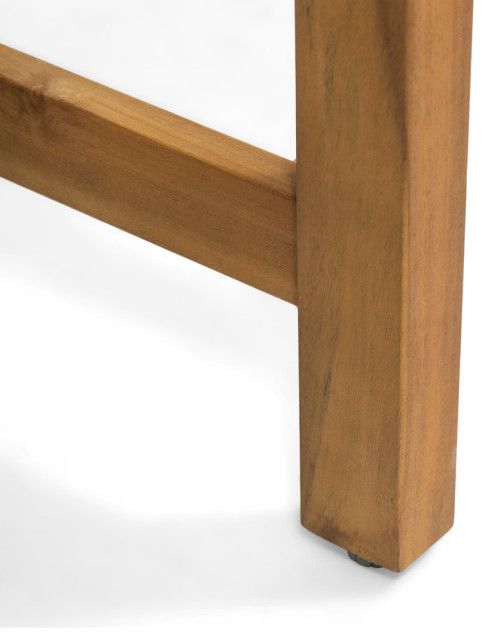
Wood remains a classic favorite for many homeowners. Teak and cedar offer natural beauty and durability, but they require regular maintenance like oiling and sealing. Aluminum is lightweight and rust-resistant, making it easy to move around, though it can conduct heat and might not feel as premium. Wicker and rattan provide that cozy, cottage-like vibe, but they need protection from moisture and direct sunlight.
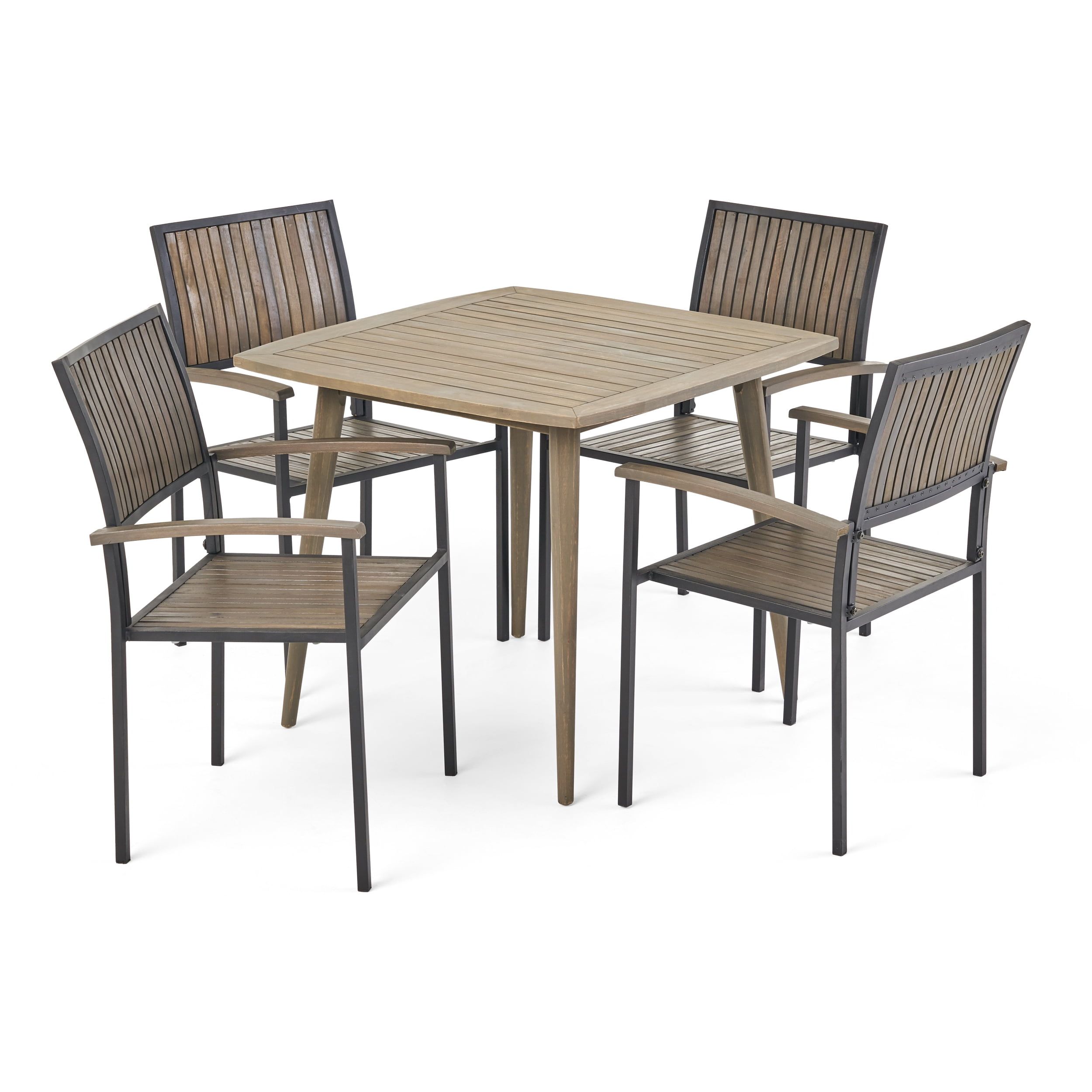
Metal frames, especially those with powder-coated finishes, offer strength and longevity. They’re often more affordable than wood options and come in various styles. Plastic and composite materials have gained popularity recently due to their low maintenance needs and wide range of colors. They’re also often more budget-friendly. Consider how much time you want to spend maintaining your furniture versus how much you want to enjoy it.
Size and Space Planning
Before you even think about style, you must assess your available space. Measure your backyard carefully. Consider not just the dining table itself, but also the clearance needed around it for comfortable movement. A 6-foot round table typically needs at least 4 feet of clearance on all sides. Think about how many people you usually entertain. Are you planning intimate dinners for two, or larger gatherings of eight or more?
The shape of your space matters too. Rectangular tables work well in long, narrow areas, while round tables can fit better in smaller, more compact spaces. If you have a small patio, consider a bistro set with a small table and two chairs. These can be easily stored when not in use. For larger backyards, you might want a full dining set with a large table and multiple chairs. Don’t forget about storage space – will you be storing your furniture during winter months?
Weather Resistance and Durability
This is perhaps the most important factor. Your outdoor dining furniture will face rain, sun, wind, and temperature changes. You want pieces that can handle whatever Mother Nature throws at them. Look for weather-resistant materials that won’t warp, crack, or fade quickly.
Check if the furniture comes with warranties, particularly for UV resistance and weather protection. Stainless steel and aluminum are naturally resistant to rust and corrosion. Some synthetic materials are designed specifically for outdoor use with UV stabilizers built-in. Even wood furniture can be treated to resist weather damage, but it will require more attention. Pay attention to how well the pieces are constructed – are the joints strong? Is there proper drainage for water? Quality construction means fewer repairs and replacements over time.
Comfort and Ergonomics
You might have the prettiest table in the world, but if it’s uncomfortable to sit at, it won’t be used much. Comfort shouldn’t be overlooked when selecting your outdoor dining pieces. The height of your chairs should match your table perfectly. A table that’s too high or too low creates strain on your back and neck.
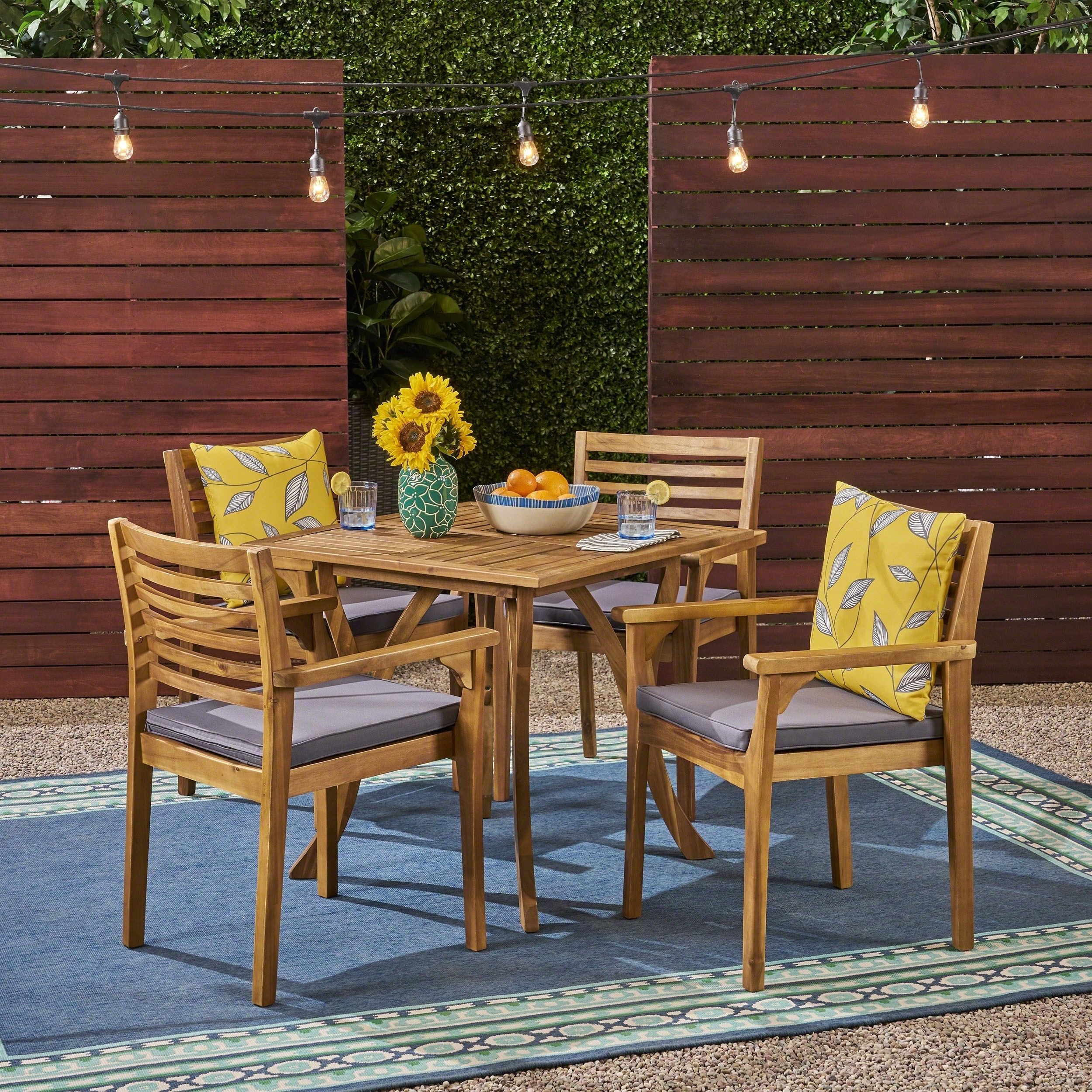
Consider the seat cushion quality and material. Some outdoor cushions are made to withstand the elements, while others are more delicate. Test the chair padding before buying – you want something that’s supportive enough for longer meals but not so firm that it’s uncomfortable. The armrests should be positioned properly for your arms to rest comfortably. And remember, if you’re going to be eating outside regularly, you’ll want seating that’s not just visually appealing but also physically comfortable.
Style and Aesthetic Appeal
Outdoor dining furniture should reflect your personal style and complement your home’s overall design. Do you prefer a rustic, farmhouse feel, or something sleek and modern? Are you drawn to natural materials like wood and stone, or do you lean toward contemporary metals and glass?
Think about your home’s existing color palette and architectural style. A dark wooden table might clash with a bright, modern house, while a light-colored metal set could overwhelm a traditional home. Consider how your furniture will look in different lighting conditions – morning sun, evening light, and artificial lighting. Sometimes a neutral color scheme works best because it allows you to add personality through accessories like tablecloths, candles, and planters.
Don’t forget that style is subjective. What looks great in a catalog might not work in your actual space. Visit showrooms when possible, or ask friends to share photos of their setups for inspiration. Sometimes the best decisions happen when you combine elements from different styles rather than sticking to one strict aesthetic.
Budget Considerations and Value
Outdoor dining sets vary widely in price, from a few hundred dollars to several thousand. Setting a realistic budget helps narrow down your options and prevents buyer’s remorse. But remember, the cheapest option isn’t always the best value over time.
Consider the total cost of ownership, including maintenance, replacement parts, and potential repairs. Higher-end furniture often lasts longer and requires less upkeep, making it a better investment in the long run. Look for sales during seasonal transitions, or consider purchasing pieces gradually rather than all at once.
Quality pieces tend to hold their value better too. If you decide to upgrade later, you’ll have a better foundation to build upon. Also, think about what features matter most to you – do you prioritize longevity, or are you more concerned about initial appearance? Sometimes spending a bit more upfront on a durable set saves money in the long term.
Choosing the right outdoor dining furniture is both an art and a science. It’s about balancing practical needs with personal preferences, considering both immediate wants and long-term value. The key is taking time to evaluate your specific situation – your space, lifestyle, budget, and aesthetic preferences. Don’t rush the decision. Spend time researching, visiting stores, and thinking about how you actually want to use your outdoor space. The right furniture will enhance not just your meals, but your entire outdoor experience. Remember, you’re investing in moments of joy, laughter, and connection with loved ones. That investment is worth getting right. Your backyard oasis deserves nothing less than furniture that supports all the wonderful memories you’re about to create.