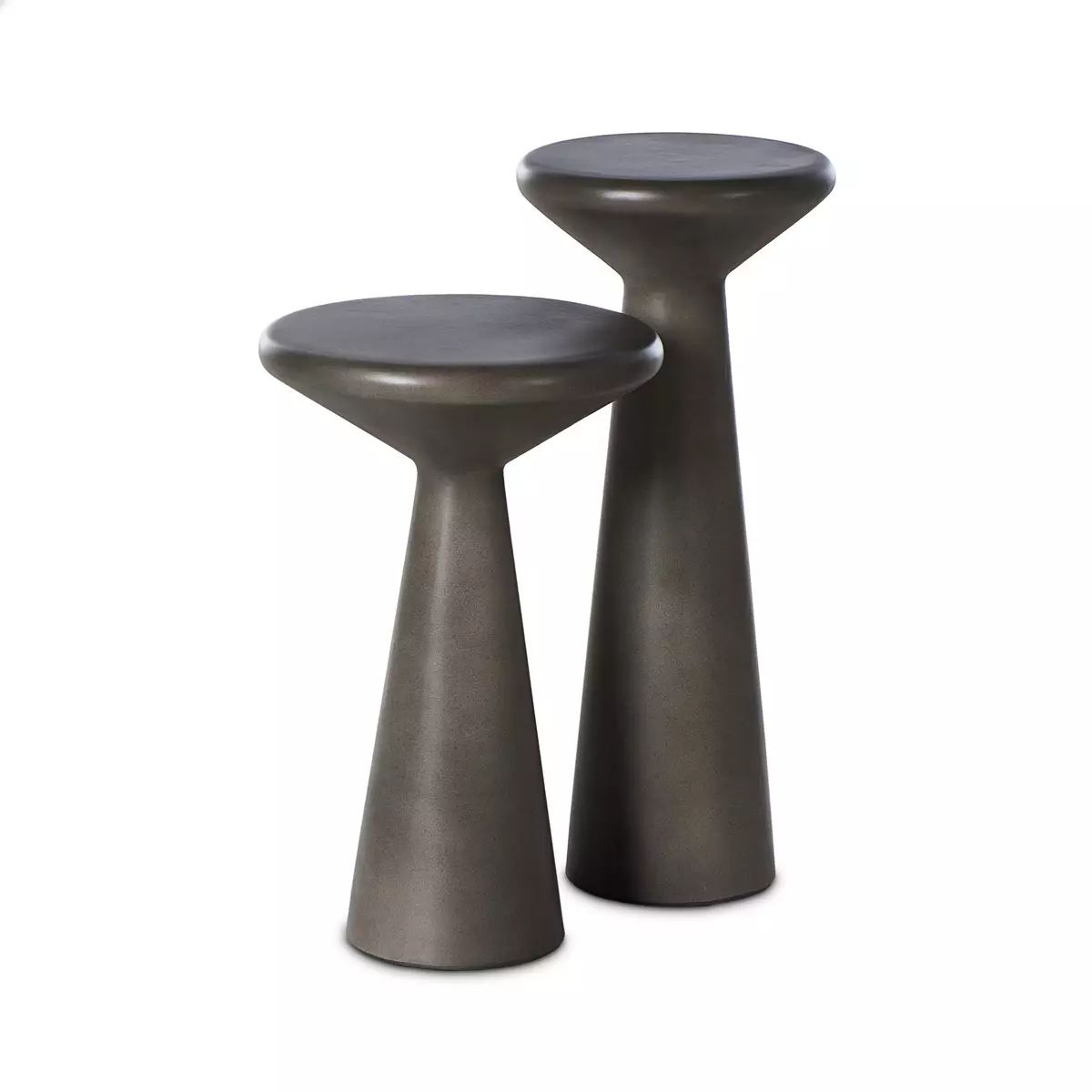
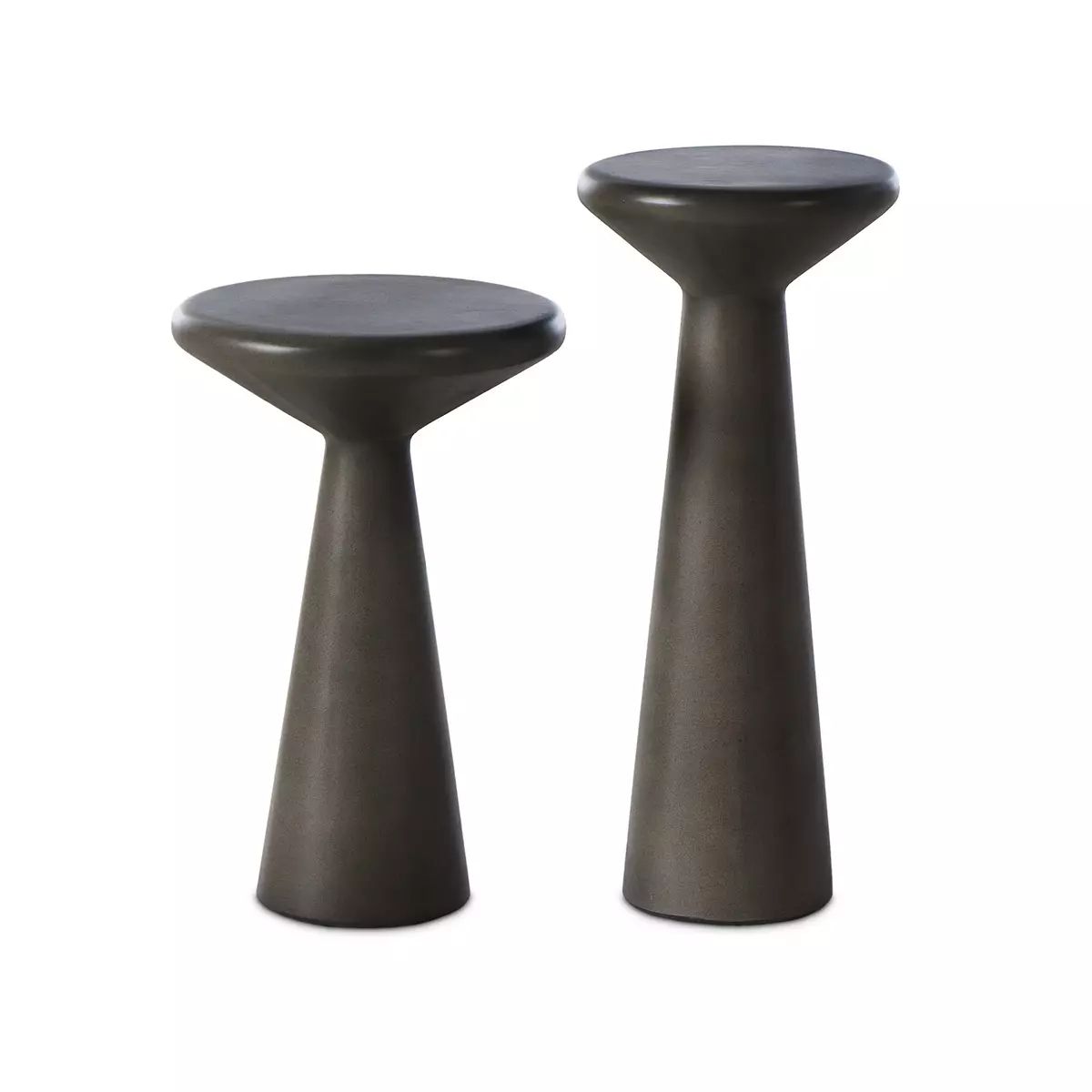
When you think about creating visual balance in a room, you might picture traditional furniture pieces or carefully arranged decor. But what if the secret lies in something as simple as a concrete accent table? These striking pieces have been quietly transforming interiors, adding weight, texture, and grounding to spaces that desperately needed that extra something. They’re not just another piece of furniture – they’re design statements that can make or break a room’s overall aesthetic.
Picture this: You enter a living room and immediately feel like something is off. The space looks busy, chaotic, or maybe even empty. You can’t quite put your finger on it, but there’s something missing that makes the room feel unbalanced. Now imagine adding a single concrete accent table to the equation. Suddenly, everything shifts. That table isn’t just sitting there – it’s anchoring the entire space, creating a focal point that draws the eye and grounds the rest of the elements. It’s remarkable how one piece can change the entire energy of a room. Concrete tables offer something special in interior design – they bring both strength and softness to a space, making them incredibly versatile for achieving visual balance.
The Power of Material Weight
Concrete accent tables possess a unique quality that many designers love – their substantial weight. This isn’t just about physical heft; it’s about psychological impact too. When you place a heavy concrete table in a room, it creates a sense of stability and permanence. Think about it: when was the last time you saw a concrete table and thought ‘this feels light and airy’? It’s almost impossible. The material naturally commands attention and respect.
This weight factor matters more than you might realize. In a room where everything feels too fragile or too light, a concrete table can provide that crucial grounding element. It’s like having a solid foundation beneath your feet. The table doesn’t just sit on the floor – it settles into the space, becoming part of the architecture rather than just another piece of furniture.
Consider a living room with tall, slender furniture pieces. Without a grounded element, the space can feel top-heavy and unstable. A well-placed concrete table acts as an anchor, pulling the visual weight downward and creating a sense of equilibrium. The contrast between the heavy concrete and lighter elements above creates a dynamic tension that keeps the eye moving around the room.
Visual Scale and Proportion
One of the most important aspects of creating visual balance is understanding scale and proportion. A concrete table can either dominate a room or blend seamlessly into it, depending on its size and placement. The key lies in matching the table’s scale to the room’s proportions.
In smaller rooms, a sleek, low-profile concrete table works best. It won’t overwhelm the space but will still add that necessary visual weight. Think of it as the perfect size to complement a cozy reading nook or a small dining area. The table becomes a proportional element that doesn’t compete with the room’s natural proportions.
Larger spaces benefit from bigger, bolder concrete tables. These pieces can serve as conversation starters while maintaining visual balance. They become a central element that other furniture must work around. A large concrete table in a spacious living room can divide the space visually without feeling bulky.
Here’s a practical tip: measure your room before choosing a table. If you have a 12-foot ceiling, you might want a table that’s at least 4 feet wide to maintain proper proportion. If you’re working with a 9-foot ceiling, something more modest might work better. The relationship between table size and room dimensions creates that crucial visual harmony.
Texture Contrast and Visual Interest
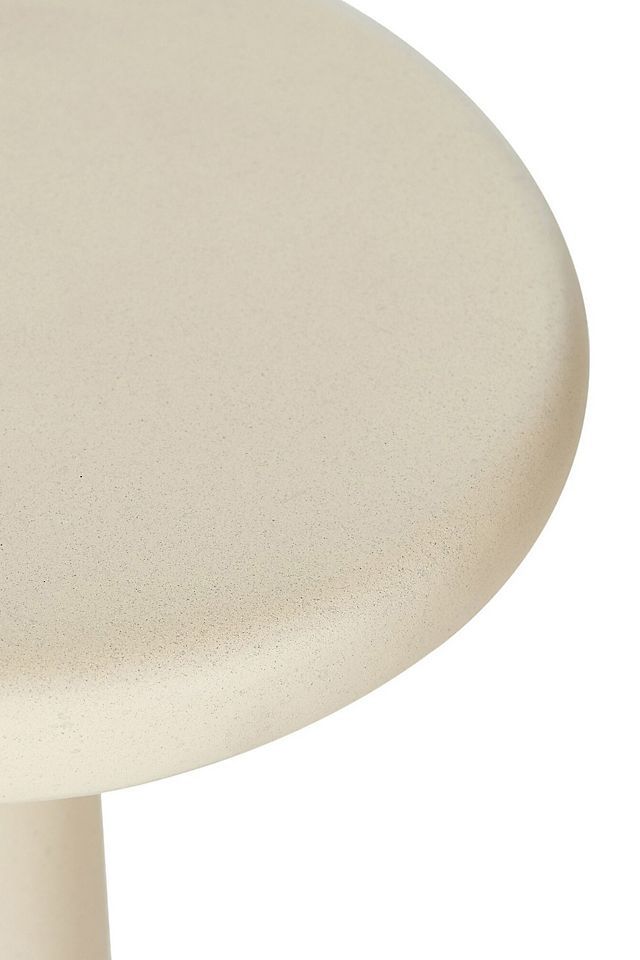
Concrete tables offer a unique texture that stands out against smoother surfaces. This contrast creates visual interest that keeps the eye engaged with the room. The rough, unfinished surface of concrete pairs beautifully with polished wood, soft fabrics, or metallic accents.
Imagine a concrete table next to a velvet sofa. The hard, angular edges of the concrete table create a beautiful counterpoint to the soft curves of the fabric. The two materials complement each other perfectly, creating a sophisticated look that’s both modern and inviting. This interplay between textures adds depth to the space and prevents it from looking flat or one-dimensional.
Another fascinating aspect is how concrete tables handle lighting. Their surface reflects light differently than glass or metal, creating subtle shadows and highlights that change throughout the day. This dynamic quality means your table becomes a living element that evolves with the room’s changing light conditions.
Many designers find that concrete tables work particularly well when paired with natural elements like plants or wood accents. The industrial feel of concrete balances beautifully with organic textures, creating a harmonious blend of materials that feels intentional and well-thought-out.
Color Psychology and Mood Setting
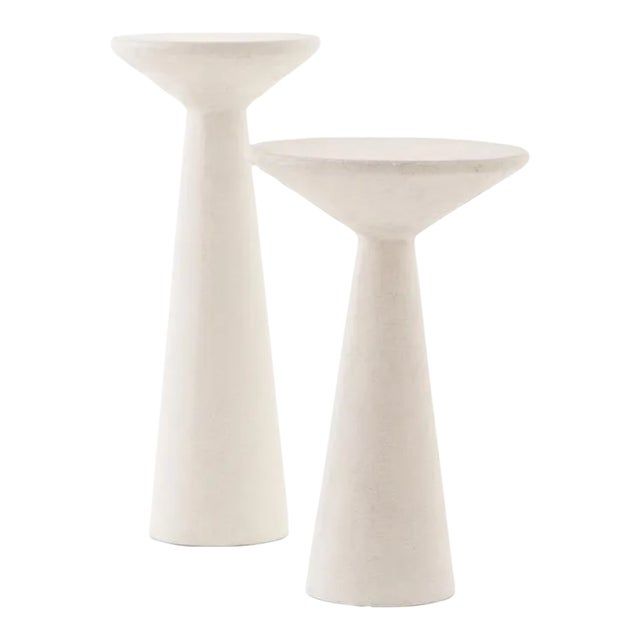
While concrete tables often appear gray or neutral, they can actually influence the mood and atmosphere of a room in surprising ways. The color palette of your concrete table affects how people perceive the space. Lighter concrete tones can make a room feel more open and airy, while darker shades create intimacy and warmth.
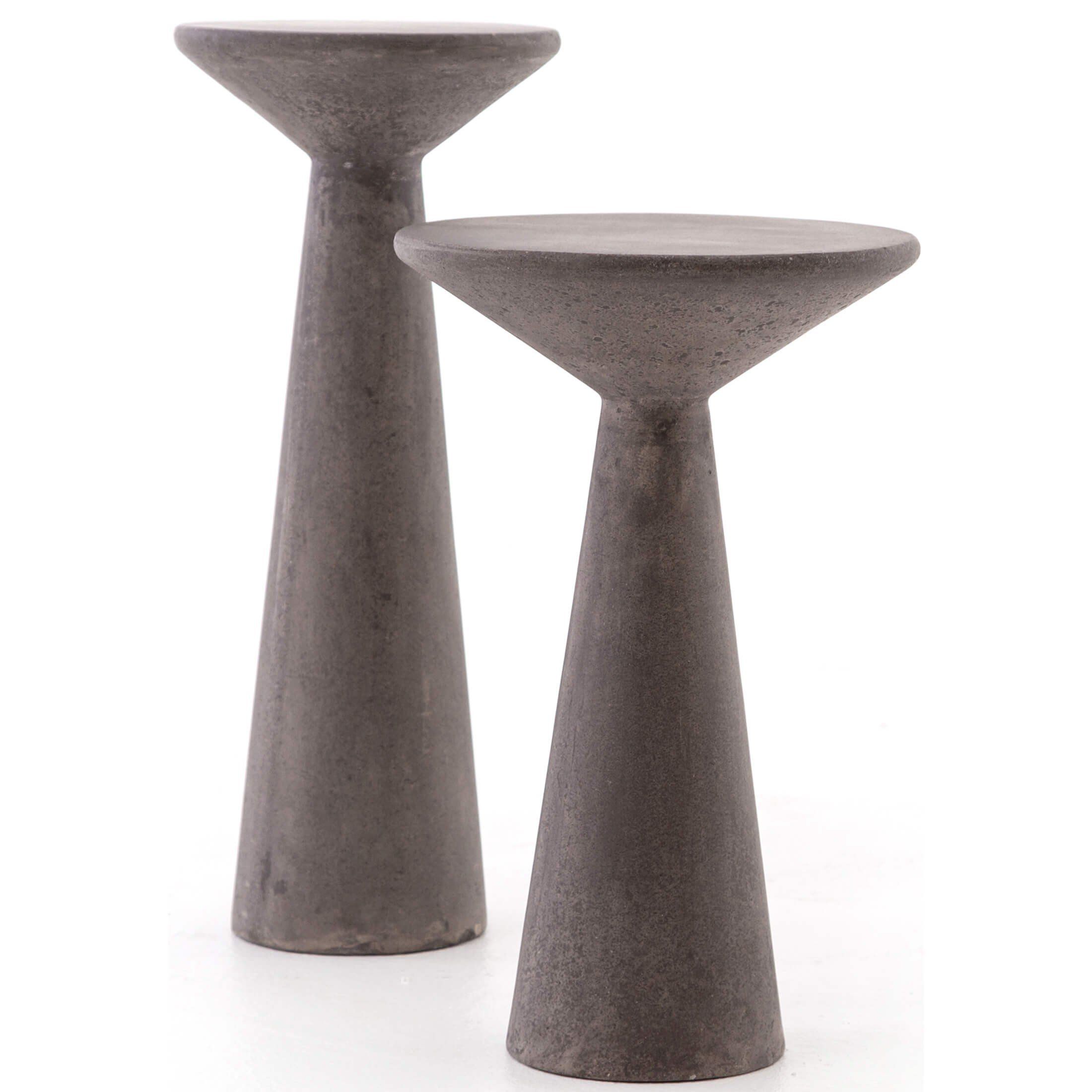
A white or light gray concrete table in a bright, modern kitchen can enhance the clean lines and minimalist aesthetic. It reinforces the idea of simplicity and functionality. On the other hand, a dark charcoal or black concrete table in a living room can create a dramatic focal point that anchors the space and makes it feel more grounded.
The beauty of concrete is its versatility in terms of finishes. Some tables feature a smooth, polished surface that reflects light and creates a more contemporary vibe. Others have a more rustic, unfinished look that brings character and authenticity to the space. The choice of finish can completely alter the mood of the room.
Consider how the table’s color interacts with your existing color scheme. If you have lots of warm tones in your room, a cool concrete table can provide a nice contrast. If your space is dominated by cool colors, a slightly warmer concrete tone might help create visual balance.
Strategic Placement Techniques
Where you place a concrete accent table makes all the difference in achieving visual balance. The location isn’t just about convenience – it’s about creating flow and maintaining equilibrium within the room.
For living rooms, consider placing the table at the center of the main seating area. This position makes it a natural gathering point for conversation and activities. The table becomes a visual hub that pulls the room together, creating a sense of unity.
In dining areas, a concrete table can serve as the anchor point for the entire space. Its substantial presence helps define the eating area while providing enough surface space for meals and gatherings. The table’s weight ensures that it won’t be easily moved around, which creates a sense of permanence and stability in the dining experience.
Bedrooms present a different challenge. Here, a concrete side table can add visual interest to a nightstand arrangement. It provides a perfect spot for a lamp or book, but its distinctive shape and material add a layer of sophistication that elevates the entire bedside area.
A helpful rule of thumb: always ensure there’s enough space around the table for comfortable movement. People should be able to walk around the table without feeling cramped. The surrounding space should feel open and breathable, even with a substantial piece like a concrete table in the room.
Practical Considerations and Maintenance
While concrete tables are incredibly stylish, they do require some care and consideration. Understanding their practical aspects helps you make the right choice for your lifestyle and home environment.
One major factor is maintenance. Concrete surfaces can show scratches and stains more easily than other materials. However, many modern concrete tables come with protective coatings that make them much easier to care for. Regular cleaning with mild soap and water usually keeps them looking great.
Durability is another important aspect. Concrete tables are built to last, but they’re not indestructible. They can chip or crack under extreme stress, though this is relatively rare. Most issues stem from improper handling during transportation or installation.
Cost considerations vary widely. Basic concrete tables can be surprisingly affordable, while custom pieces or those with unique finishes can be quite expensive. The investment often pays off in the long run due to their longevity and timeless appeal.
Finally, think about how the table fits into your daily life. Will it withstand the wear and tear of regular use? Can it accommodate your lifestyle? For families with children or pets, some additional protection might be worth considering. The key is finding a balance between style and practicality that works for your specific situation.
Creating visual balance in interior design is both an art and a science, and concrete accent tables offer a powerful tool in your arsenal. They combine weight, texture, and visual interest in ways that few other furniture pieces can match. Whether you’re working with a small apartment or a large family home, these tables can transform your space from merely functional to truly balanced.
The key lies in understanding how concrete tables interact with your existing elements. They don’t just sit in a room – they become part of the conversation between furniture, lighting, and space itself. By choosing the right size, placement, and finish, you can create a visual harmony that feels both intentional and effortless.
Remember, the goal isn’t to make everything match perfectly – it’s to create a sense of balance and flow. A well-chosen concrete accent table can be that perfect element that ties everything together. It’s not just about aesthetics; it’s about creating spaces that feel comfortable, stable, and lived-in. The right concrete table doesn’t just fill a gap in your room – it fills the need for visual equilibrium that every well-designed space deserves.