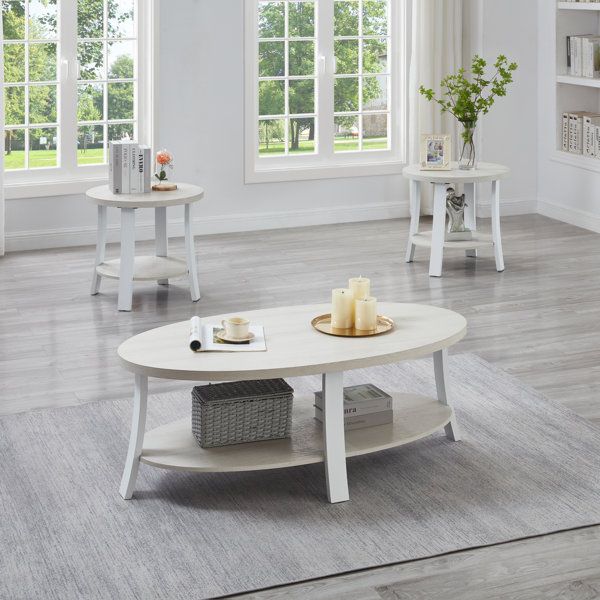
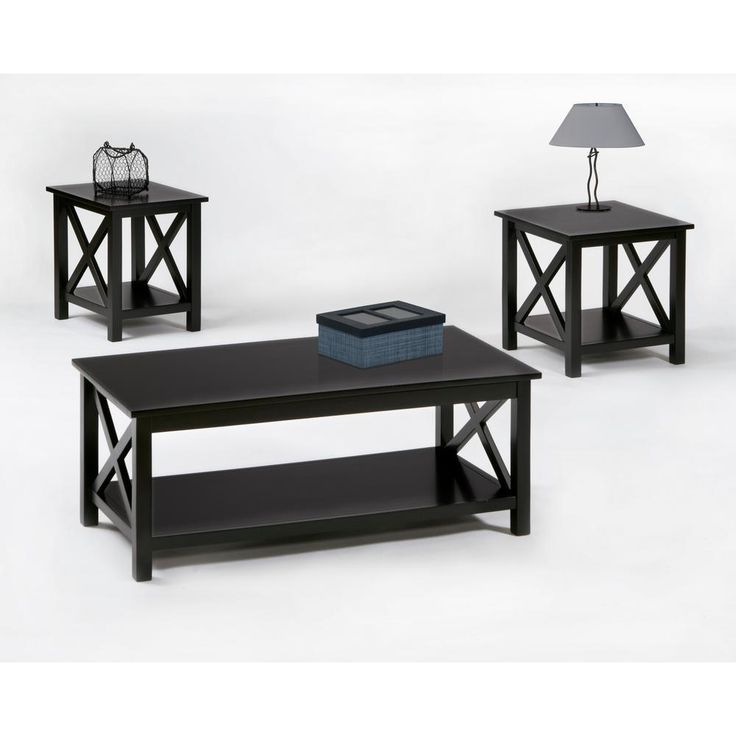
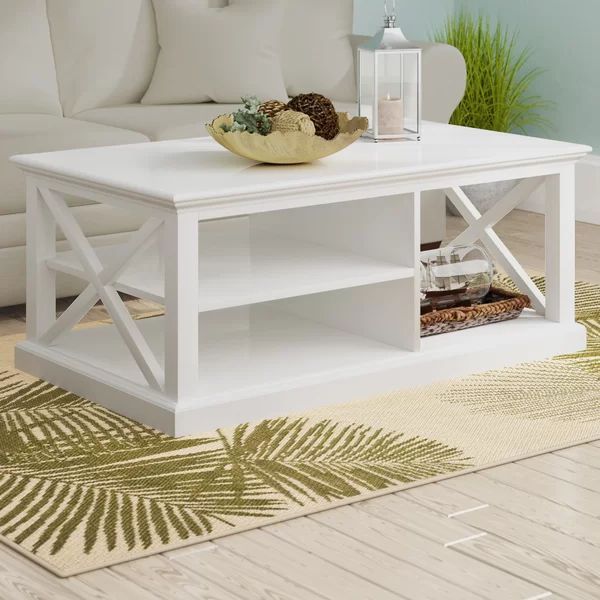
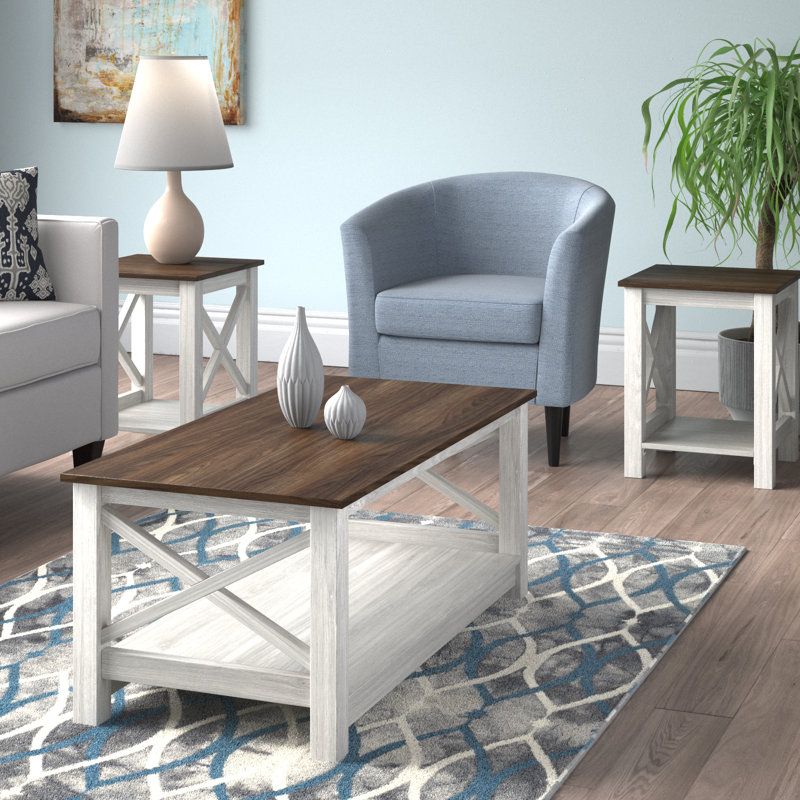
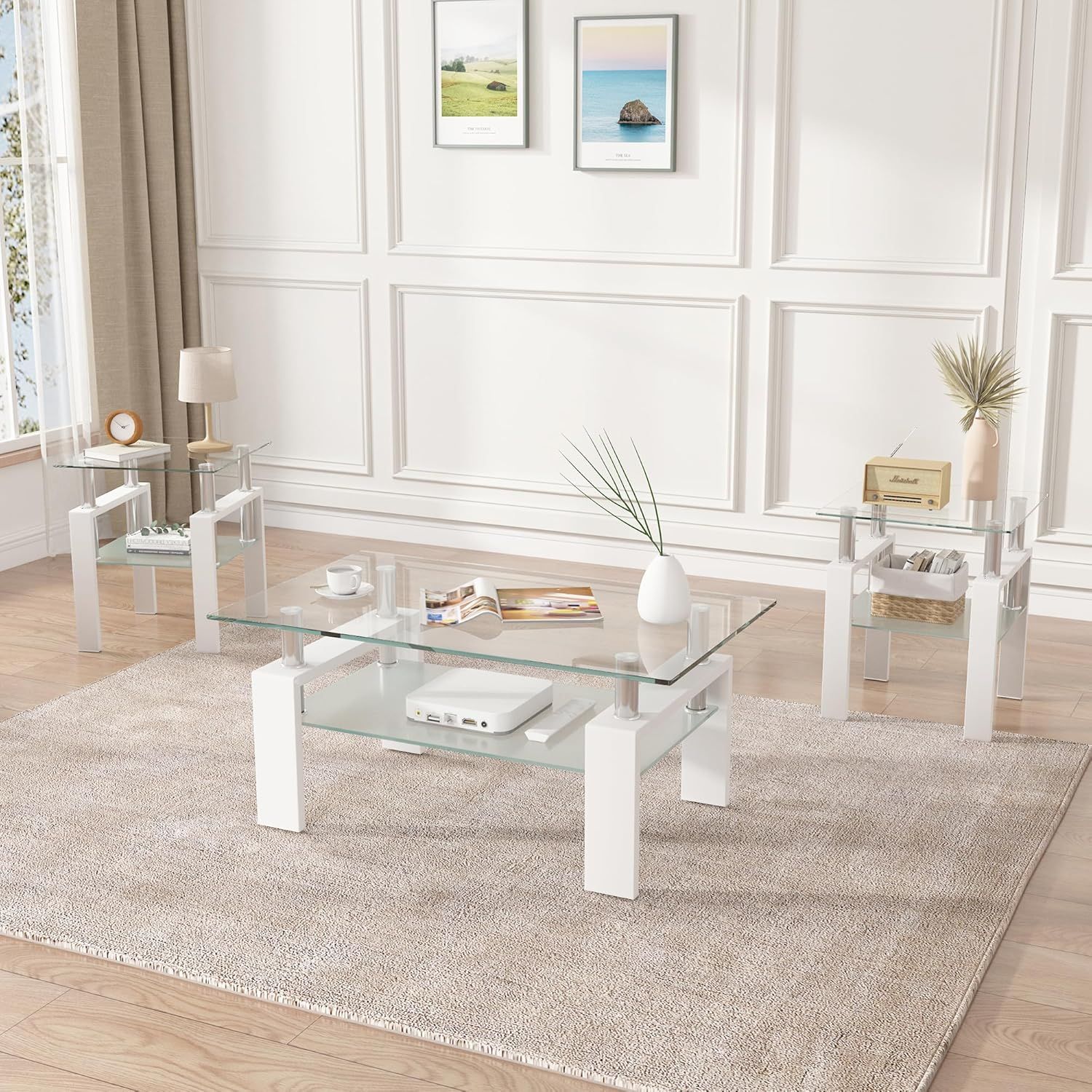
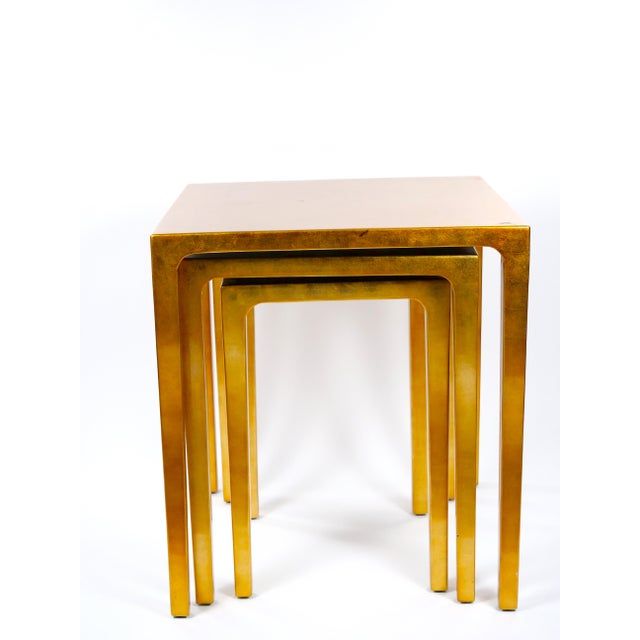
Imagine walking into a living room where every piece feels like it belongs there, where the eye moves smoothly from one piece to the next without feeling jarring or out of place. That’s the magic of creating cohesion with multi-piece furniture sets. It’s not just about having lots of furniture – it’s about making everything feel connected and intentional.
Living rooms are often the heart of our homes, where we gather with family and friends. When we’re setting up a space with multiple furniture pieces, it’s easy to end up with something that looks scattered or mismatched. The secret lies in understanding how to create visual unity among different elements. Whether you have a traditional sofa set, a modern sectional, or a collection of side tables and chairs, the key is in how you arrange and connect these pieces. Think of it like composing a symphony – each instrument matters, but they must work together to create something beautiful. This isn’t about following rigid rules, but rather about developing an eye for balance and harmony that makes a space feel like it was designed specifically for you.
Understanding Visual Weight and Balance
Every piece of furniture has its own visual weight – some things look heavy, others light. A large leather sofa will have more visual weight than a small side table. The trick is to distribute this weight evenly around your room. If you have a big, bulky sectional, you might want to pair it with smaller, lighter pieces on the opposite side. This creates a sense of equilibrium that makes the whole arrangement feel comfortable. Consider how the shapes interact too – rounded elements can soften angular furniture, while geometric pieces can add structure to softer curves. What happens when you put two heavy pieces on the same side? You’ll probably feel like the room is tipping. But when you balance them properly, it feels right. It’s like trying to balance a book on your head – you need to find that sweet spot where everything stays in place.
Color Harmony Across Multiple Elements
Colors tie everything together in a room. When you have multiple furniture pieces, you want them to complement each other rather than compete. Start with a base color palette – maybe neutral tones like beige, gray, or cream – and then add accent colors that tie everything together. For example, if you have a blue velvet sofa, you could incorporate blue throw pillows, a blue area rug, and even blue artwork to create unity. Don’t forget about texture too – the same color can look different when it’s on fabric versus wood or metal. Think about how the colors reflect off each other and create a cohesive story. A room with a thousand different colors might look chaotic, but a carefully chosen palette can make everything feel like it was meant to be together. Sometimes it helps to pick one dominant color and then add variations of it in different textures and materials.
Scale and Proportion in Furniture Selection
When you’re choosing furniture pieces, think about how they relate to each other in size. A room with a tiny coffee table next to a massive sectional feels off. The pieces should be in proportion to each other and to the room itself. This means you might need to step back and assess whether your pieces are appropriately sized for your space. Sometimes you’ll need to adjust your choices – maybe a slightly smaller sofa works better than a larger one, or perhaps a taller side table would better match your seating height. The goal is to avoid any single piece that overwhelms the others. It’s like putting together a puzzle – all the pieces need to fit together properly. If one piece is too big or too small, it throws off the entire picture. Pay attention to how tall and wide each piece is compared to the others, and consider how they’ll work together in the actual space.
Creating Flow Through Strategic Placement
Think of your living room like a conversation. Where do people naturally sit and talk? Where does the eye move when you walk through the space? Good placement creates a natural flow that guides people through the room. You want to avoid blocking pathways or creating awkward angles. A good rule of thumb is to leave enough space between pieces so people can move around easily. Position your main furniture pieces to face each other or create conversation areas. This creates intimacy and encourages interaction. Sometimes it helps to think of your room as a stage – where are the focal points, and how do you want people to experience the space? The arrangement should feel purposeful rather than accidental. It’s not about making everything perfectly symmetrical, but about making sure everything works together to support the function of the room.
Using Accessories to Tie Everything Together
Accessories are the glue that holds everything together. They provide opportunities to reinforce your color scheme, add texture, and create visual interest without overwhelming the space. A few well-chosen decorative items can make a huge difference. Consider how your lighting fixtures, rugs, artwork, and even plants contribute to the overall feeling. These elements should either match or complement your furniture pieces. For instance, if you have a modern dining set, you might choose contemporary accessories that echo similar lines or materials. Don’t forget about the little details – a matching lampshade, a coordinating throw blanket, or even a similar pattern in your curtains can all help create unity. It’s amazing how much impact these smaller touches can have. Sometimes it’s the unexpected element that makes everything click into place. The key is to be intentional about what you add, rather than just throwing things in randomly.
Mixing Styles Without Losing Unity
You don’t have to stick to one style forever. Many people successfully blend different design elements to create unique spaces. The key is to establish a common thread that connects everything. Maybe it’s a shared color, a consistent material like brass or wood, or a particular texture that appears throughout. For example, mixing vintage and modern pieces can work beautifully if both styles share the same basic shapes or colors. The challenge is finding that balance where each piece still feels like part of the whole. Some people prefer to stick with one dominant style and add accents from elsewhere, while others enjoy creating a more eclectic look. Either way, it’s important to ask yourself if the combination feels harmonious or if something is pulling the focus away from the rest. Remember, the goal isn’t to copy someone else’s design perfectly, but to create something that reflects your personality and lifestyle.
Creating cohesion with multi-piece furniture sets is both an art and a science. It requires paying attention to visual weight, color relationships, scale, and strategic placement. But most importantly, it’s about creating a space that feels intentional and comfortable. When done well, your living room will become a place where all the pieces work together to support your life and your relationships. You’ll notice that the arrangement feels effortless, even though it took careful thought and planning. The best part is that once you develop an eye for this kind of design, you’ll start seeing it everywhere – in magazines, in homes, in public spaces. It’s a skill that grows with practice, and the results are worth the effort. Your living room deserves to feel like a true reflection of who you are, and with the right approach, it can.