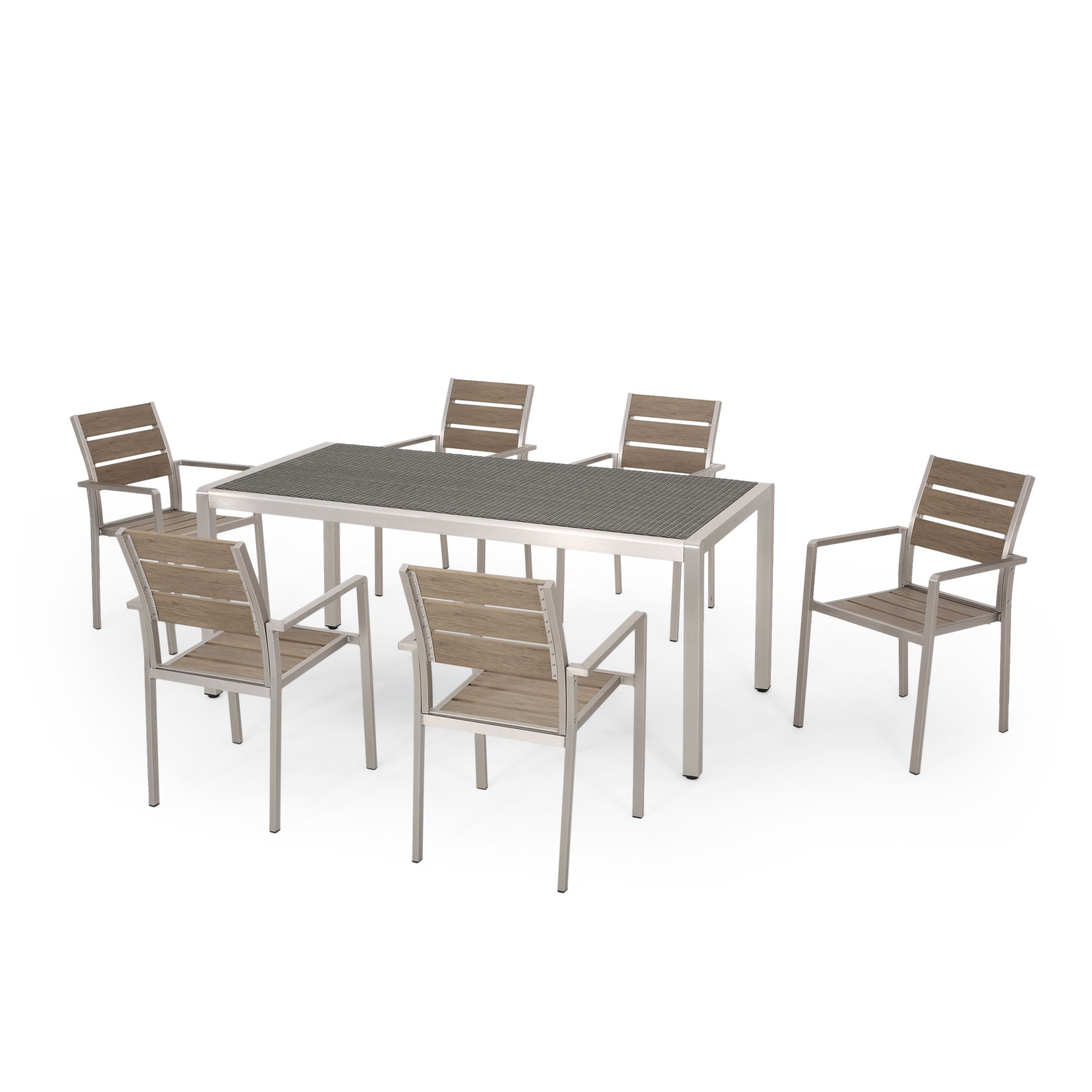
Picture this: You’ve finally created the perfect outdoor space, complete with a stunning dining set that looks like it belongs in a magazine. But what happens when the first rainstorm hits? Or when summer turns to fall and the temperatures drop? The truth is, not all outdoor furniture is built to last. Choosing the right materials isn’t just about looking good—it’s about durability, maintenance, and making sure your investment pays off for years to come.
Outdoor dining furniture faces a harsher reality than indoor pieces. It’s constantly exposed to sun, rain, wind, temperature changes, and sometimes even pests. This means you can’t just pick whatever looks pretty. You need materials that can handle the elements while still providing comfort and style. Think about it—how many times have you seen a beautiful teak table that looked brand new one day, only to find it cracked and faded the next? Or maybe a metal chair that looked great until rust started eating away at it? These aren’t just unfortunate accidents. They’re often the result of choosing the wrong materials for the job. Let’s take a closer look at what makes certain materials better suited for outdoor dining furniture than others.
Understanding the Elements That Challenge Outdoor Furniture
Before we dive into specific materials, let’s talk about what outdoor furniture really has to deal with. The sun isn’t just a source of warmth and light—it’s a constant source of fading and drying. UV rays break down materials faster than almost anything else. Rain brings moisture that can cause wood to swell and warp, or metal to rust. Temperature swings cause expansion and contraction, which can lead to cracks and breaks. Wind carries dirt and debris that can scratch surfaces. And let’s not forget about insects and mildew that love to make their home in poorly chosen materials. These challenges don’t happen overnight. They’re gradual processes that slowly eat away at furniture quality. The key is understanding how different materials respond to each threat. Some materials are naturally resistant to these issues, while others require special treatments or regular maintenance to stay in good shape.
Teak: The Gold Standard for Outdoor Wood
When it comes to wood, few materials can match teak’s natural resistance to the elements. Teak contains high levels of silica and oil that make it incredibly durable. It’s like nature’s own protective coating. Many outdoor furniture makers consider teak the gold standard because it requires minimal maintenance. You’ll notice that teak furniture develops a beautiful silver-gray patina over time, which many people actually prefer. This doesn’t mean it’s immune to damage though. Teak can still get scratched, dented, or affected by extreme weather conditions. But compared to other woods, it holds up much better. The main drawback is cost—teak is expensive, and finding sustainable sources is becoming more challenging. Still, if you’re willing to invest in quality, teak offers unmatched longevity and beauty. It’s especially good for those who want to enjoy their outdoor dining set year after year without worrying about major repairs.
Aluminum: Lightweight and Rust-Resistant
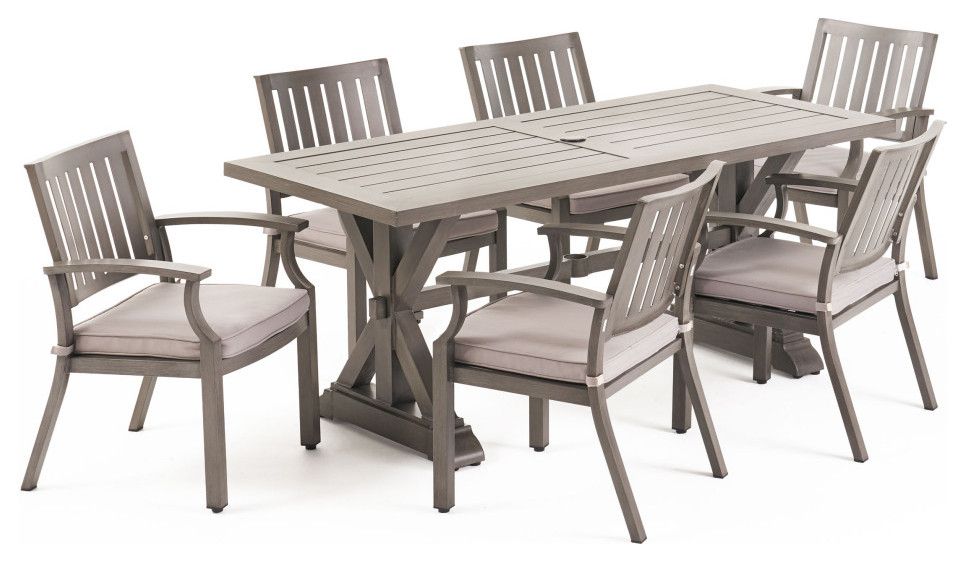
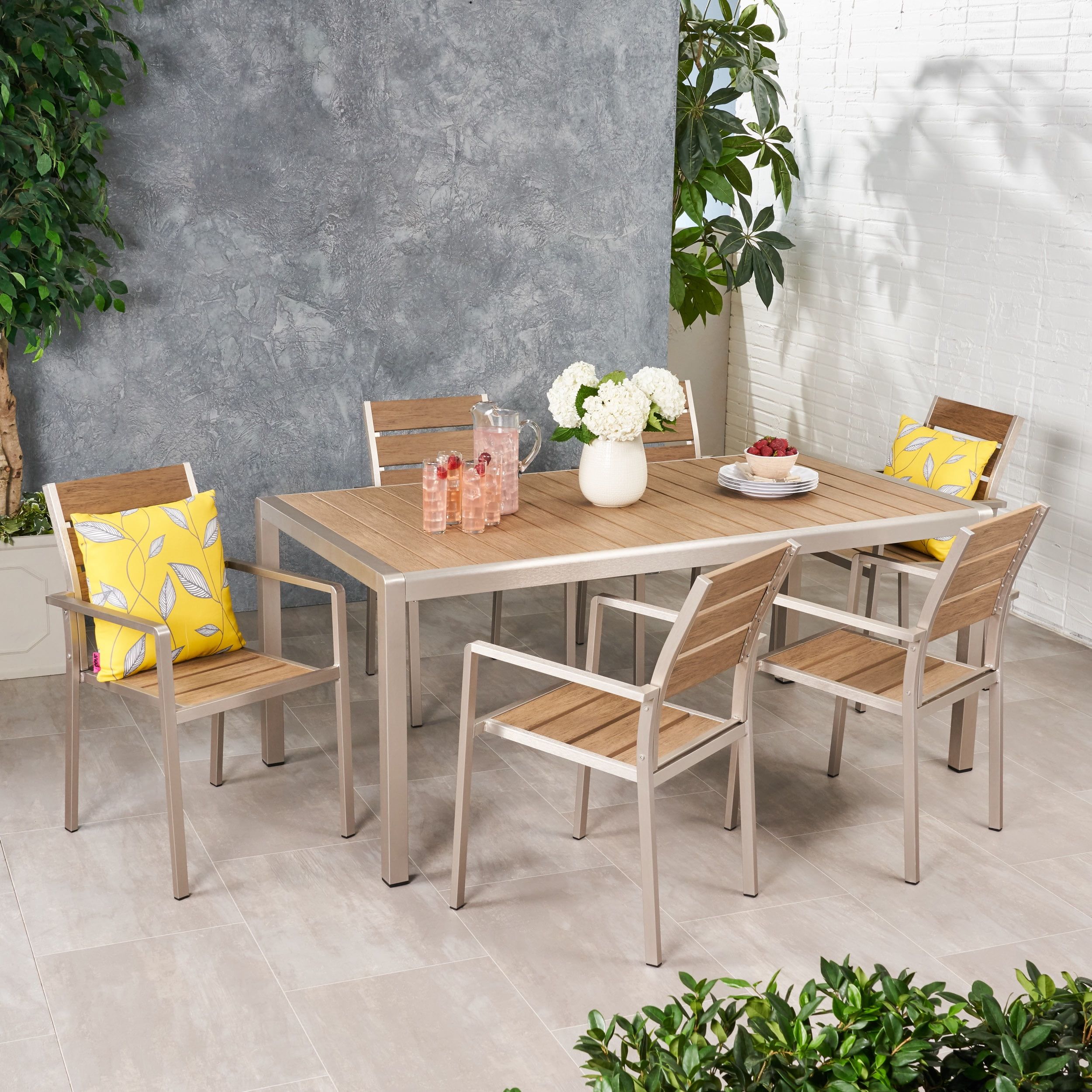
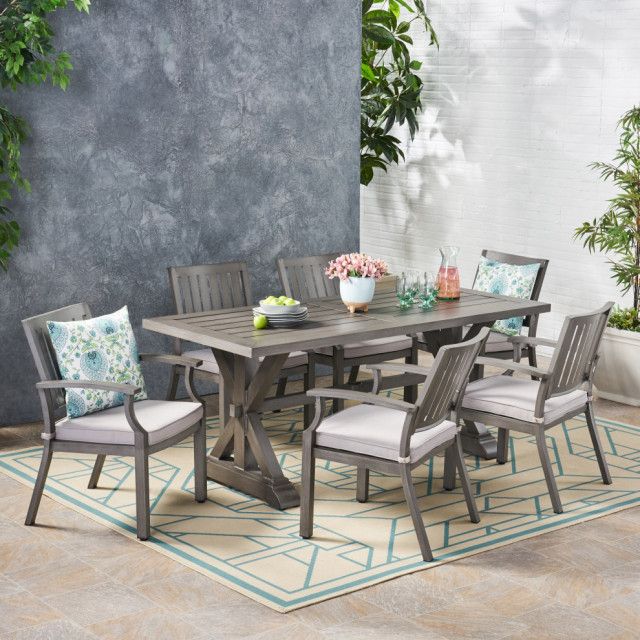
Aluminum stands out for its lightweight nature and excellent resistance to rust and corrosion. Unlike steel, aluminum doesn’t rust when exposed to moisture, making it ideal for coastal areas or places with high humidity. It’s also relatively affordable and easy to work with, which keeps manufacturing costs down. Modern aluminum furniture often features powder-coated finishes that add color and extra protection against the elements. However, aluminum isn’t without its limitations. It can dent easily under heavy impact, and the finish may fade over time if not properly protected. Some people also find aluminum furniture less substantial in feel compared to heavier materials like teak or cast iron. Despite these downsides, aluminum remains popular because it strikes a good balance between affordability, durability, and low maintenance requirements.
Cedar and Redwood: Natural Beauty with Built-In Protection
If you’re drawn to the look of natural wood but want something more affordable than teak, cedar and redwood offer excellent alternatives. Both woods contain natural oils that provide some protection against insects and weathering. Cedar has a distinctive aroma that repels many insects, while redwood contains tannins that help resist decay. These woods tend to weather gracefully, developing a silvery-gray appearance over time. They’re also generally less expensive than teak and easier to find. However, they do require some maintenance to keep them looking their best. Regular cleaning and occasional treatments with protective sealers can extend their life significantly. Without proper care, both woods can fade, crack, or become prone to insect damage. They’re perfect for those who want the aesthetic appeal of wood with reasonable durability expectations.
Wrought Iron: Classic Elegance with Maintenance Needs
Wrought iron furniture brings a classic, elegant touch to outdoor spaces. Its strength and durability have made it a favorite for centuries. However, this material requires significant maintenance to prevent rust. The key is proper preparation before installation and regular upkeep afterward. Most wrought iron pieces need to be painted or coated regularly to protect the metal. This can be a labor-intensive process, but it’s necessary for longevity. When properly maintained, wrought iron can last decades. The weight of wrought iron also provides stability in windy conditions, which is a big plus. It’s important to note that not all wrought iron is created equal. Some pieces are made with modern coatings that reduce maintenance needs, while others require traditional painting methods. The classic look combined with solid construction makes it worth the effort if you’re committed to ongoing care.
Synthetic Wicker and Resin: Modern Alternatives to Natural Materials
Synthetic wicker and resin have gained popularity as alternatives to traditional materials. These materials mimic the look of natural rattan or wicker but with added durability. They’re designed to withstand weather, fading, and moisture without requiring special treatments. Synthetic wicker is particularly good for seating because it’s comfortable and breathable. Resin materials often come in a wide range of colors and styles, giving you lots of design flexibility. However, these materials aren’t perfect either. Some synthetic options can become brittle in very cold weather, and they might not have the same authentic feel as natural materials. Quality varies widely among manufacturers, so it’s important to research brands carefully. For those who want the look of natural materials without the maintenance headaches, synthetic options can be a smart choice.
Choosing the right materials for outdoor dining furniture is ultimately about balancing several factors: cost, durability, aesthetics, and maintenance requirements. There’s no single "best" material, because what works for one person might not work for another. Teak offers unmatched longevity but comes with a higher price tag. Aluminum provides affordability and low maintenance but lacks the substantial feel of wood. Cedar and redwood give you natural beauty at a moderate cost, though they need attention. Wrought iron delivers classic elegance but requires commitment to regular care. Synthetic options offer convenience but may not satisfy those seeking authentic textures. The most important thing is to think about how you’ll use your outdoor dining set and what you’re willing to do to maintain it. Consider your local climate, budget, and personal preferences. A well-chosen material will ensure your outdoor dining experience remains enjoyable for many seasons to come. After all, your dining furniture should enhance your outdoor living, not become a chore to maintain.