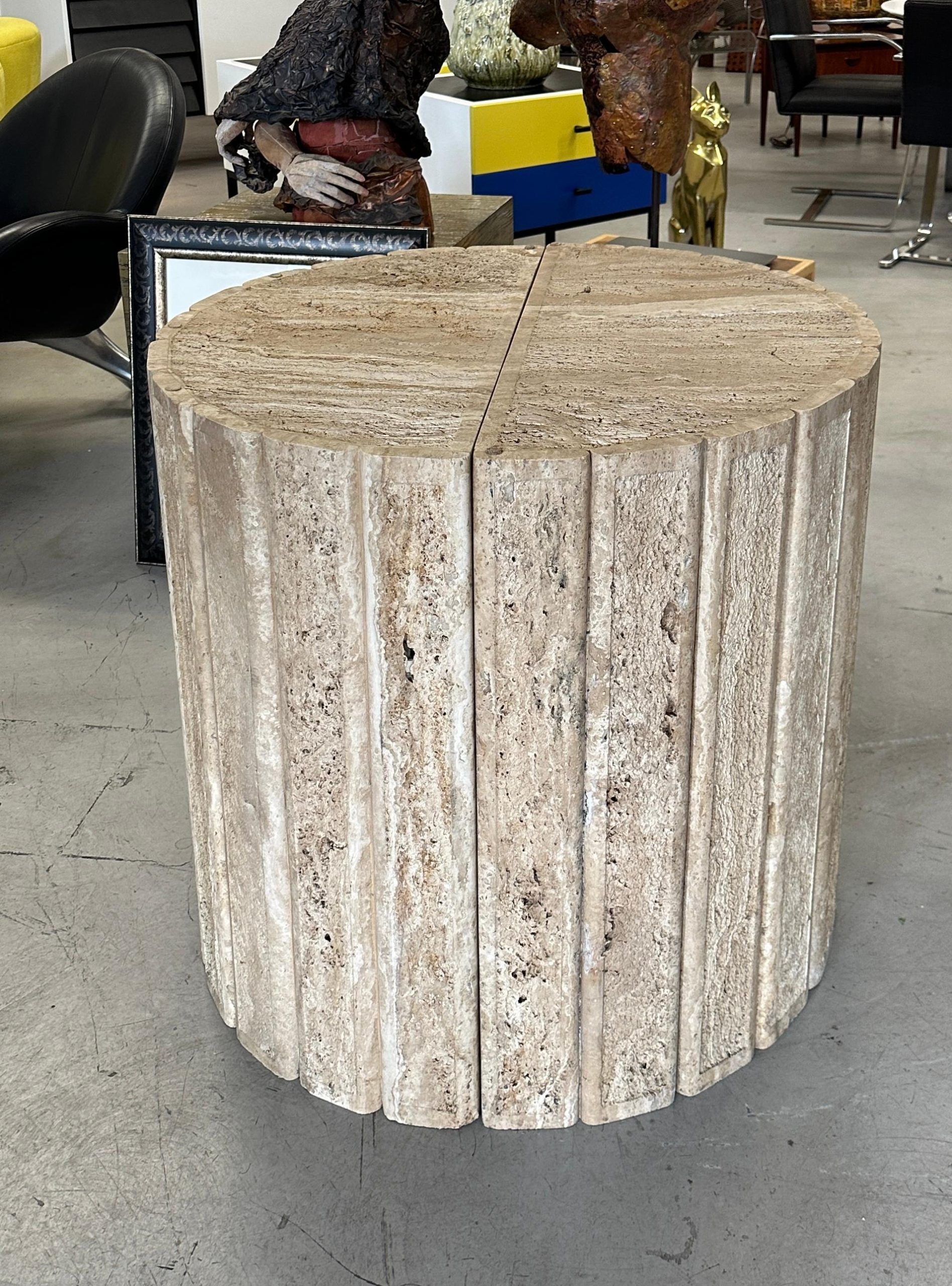
When it comes to creating spaces that feel both luxurious and grounded, few materials can match the timeless appeal of natural stone. Travertine and onyx stand out as particularly versatile options that have captured the imagination of designers and homeowners alike. These finishes offer something special – they don’t just decorate a room, they transform it into something truly memorable.
Imagine walking into a space where every surface tells a story. Where the subtle veining of stone catches the light, where textures create depth and warmth, and where the natural world feels seamlessly integrated into modern living. That’s what travertine and onyx can do for your interior design projects. These finishes aren’t just trendy choices – they’re classic elements that continue to evolve with changing tastes while maintaining their inherent sophistication. Whether you’re designing a luxury bathroom, a welcoming entryway, or a sophisticated dining area, these materials offer endless possibilities for creating distinctive spaces that reflect personality and taste.
Understanding the Unique Characteristics of Travertine
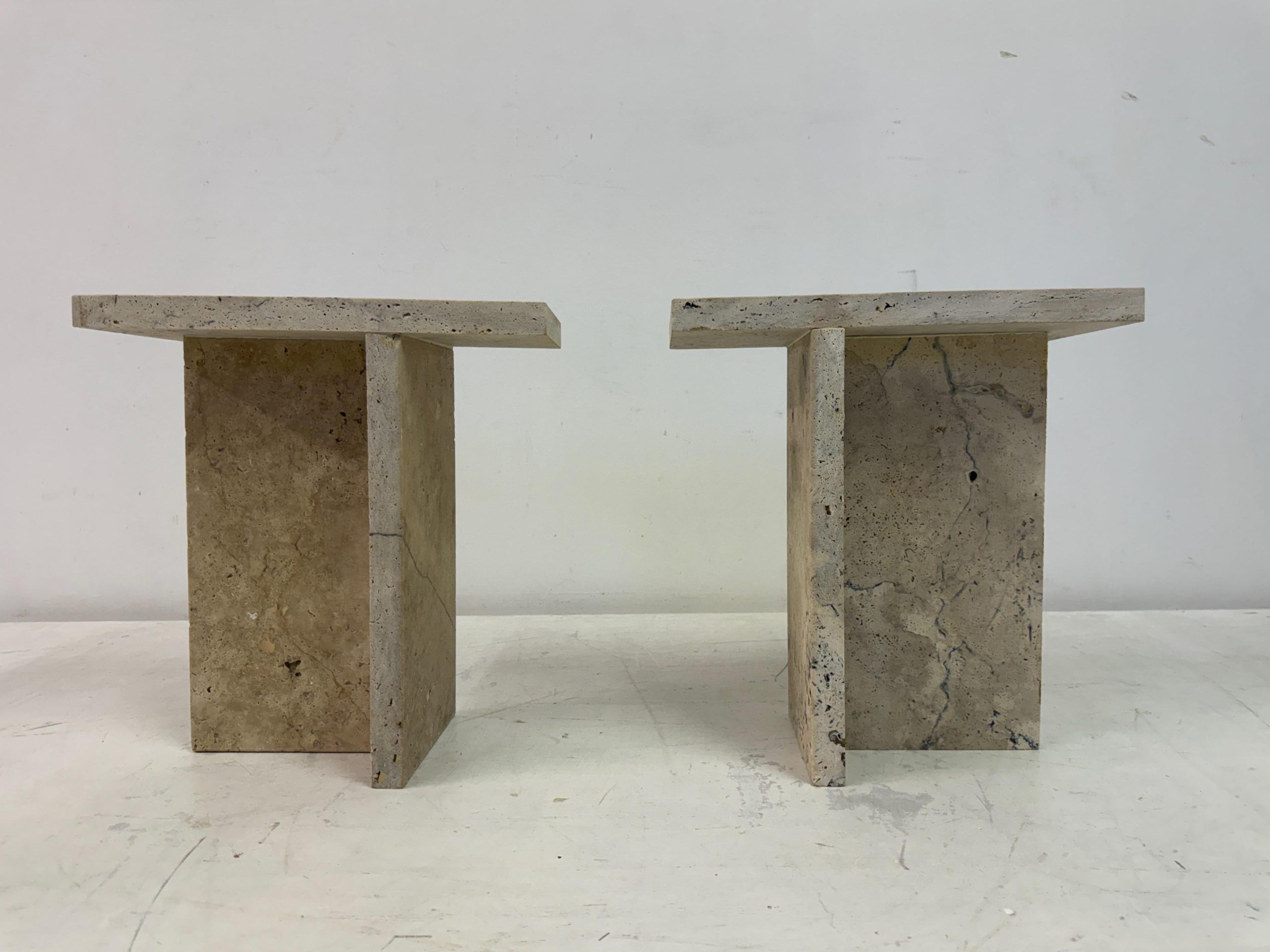
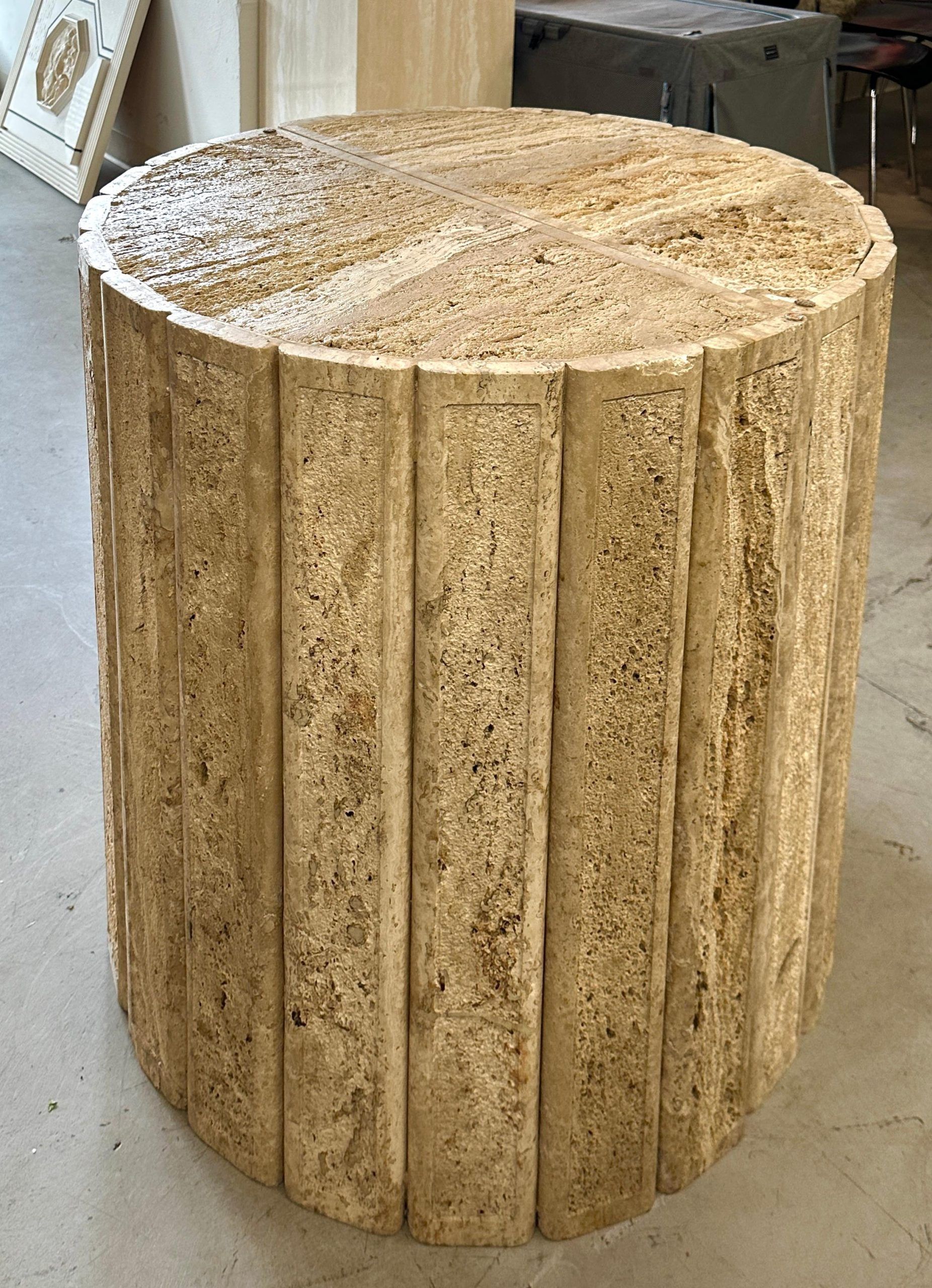
Travertine isn’t just another type of stone – it’s a natural limestone that forms through mineral-rich water deposits over thousands of years. This process creates distinctive characteristics that make each piece unique. The most notable feature is its natural porosity, which gives travertine its characteristic honeycomb texture and allows for easy staining and finishing. When you look closely at travertine, you’ll notice subtle variations in color and pattern that no two pieces share exactly.
The material’s porous nature also means it responds beautifully to different treatments. You can leave it with a natural, rustic finish that emphasizes its earthy tones, or opt for a polished surface that brings out deeper, richer colors. This adaptability makes travertine incredibly flexible for various design applications. It can handle everything from high-traffic areas to delicate accent walls, though it does require some maintenance to keep its beauty intact. The stone’s ability to age gracefully means that with proper care, it will develop character over time rather than simply wearing out.
Onyx: The Enigmatic Gem of Natural Stone
Onyx stands apart from other natural stones because of its translucent quality and dramatic color variations. Unlike travertine, which typically displays earth tones, onyx often features bold patterns of black, white, gray, and sometimes even red or blue. What makes onyx truly special is its ability to let light pass through it, creating an almost ethereal glow when properly lit. This property opens up a whole new dimension of design possibilities.
The way onyx interacts with lighting is remarkable. In a well-designed space, it can act as a natural diffuser, softening harsh artificial light while adding visual interest. Many designers love using onyx for accent pieces like tabletops, backsplashes, or even entire wall installations. The stone’s natural veining creates organic patterns that are unlike anything you’d find in manufactured materials. However, onyx requires more careful handling during installation due to its somewhat fragile nature compared to other stones. Its translucency also means it needs to be protected from excessive moisture and direct sunlight to preserve its appearance.
Design Applications and Creative Uses
Both travertine and onyx excel in specific design contexts, though they can overlap in certain situations. Travertine works wonderfully in bathrooms where its natural slip-resistant properties make it ideal for flooring and shower surrounds. Its warm, earthy tones create a spa-like atmosphere that many people find relaxing. Kitchen countertops also benefit from travertine’s durability and aesthetic appeal, especially when combined with complementary cabinetry and lighting.
Onyx finds its niche in more dramatic applications. Designer bathrooms often showcase onyx in vanity tops or shower enclosures where its translucency can be fully appreciated. It’s also popular for decorative accent walls or feature pieces in living rooms and dining areas. The key is understanding how to highlight each material’s strengths. For travertine, that might mean emphasizing its natural texture through strategic lighting. For onyx, it’s about creating the right ambient conditions to showcase its light-transmitting qualities.
Consider using travertine for flooring in entryways or hallways where its durability meets its beauty. Onyx could work beautifully in a statement kitchen island or as a dramatic accent in a home office. Both materials pair well with metals like brass or brushed steel, and can complement wood elements in interesting ways. The secret lies in balancing their strong personalities with softer touches.
Maintenance and Care Considerations
While both materials are durable, they do require specific care approaches. Travertine’s porosity means it needs regular sealing to prevent staining and water damage. This typically involves applying a quality impregnating sealer every few years, depending on usage. The stone also benefits from gentle cleaning with pH-neutral cleaners to avoid etching or discoloration. Some people appreciate that travertine can be easily maintained with simple household products, though it’s important to avoid acidic cleaners that can damage the surface.
Onyx requires more attention due to its sensitivity to heat and moisture. Direct contact with hot items can cause thermal shock, leading to cracking or discoloration. It’s also vulnerable to etching from acidic substances, so it needs to be cleaned carefully with non-acidic products. Regular polishing helps maintain its lustrous appearance, but this should be done by professionals who understand the stone’s specific requirements. Both materials respond well to routine cleaning with mild soap and water, but always test any cleaning product on a small, inconspicuous area first.
Cost Analysis and Value Proposition
When considering these materials, budget plays a significant role in decision-making. Travertine generally offers better value for money, especially when comparing similar sizes and qualities. Prices typically range from $5 to $20 per square foot for basic travertine tiles, with premium varieties reaching higher prices. The cost varies based on origin, finish, and whether you’re purchasing raw material or pre-finished products.
Onyx tends to command a higher price point, usually between $15 and $40 per square foot, depending on the quality and rarity of the specific specimen. The higher cost reflects its unique properties and the specialized handling required. However, many designers argue that onyx’s dramatic impact justifies the investment, especially for focal points where it can become the centerpiece of a room. The longevity of both materials means they’re essentially long-term investments in your home’s value and aesthetic appeal. While initial costs may seem steep, their durability and timeless appeal often make them cost-effective choices over time.
Choosing Between Travertine and Onyx for Your Project
The choice between travertine and onyx often comes down to personal preference, project requirements, and intended use. If you want something that brings warmth and earthiness to a space, travertine is hard to beat. Its versatility means it works well in traditional and contemporary settings alike. It’s also more forgiving for DIY projects and easier to maintain for busy households.
Onyx, on the other hand, appeals to those who want to make a bold statement. It’s perfect for designers who want to create dramatic focal points or for homeowners who enjoy the luxury of natural materials. The key is matching the material to your lifestyle and design goals. Consider factors like traffic levels, lighting conditions, and how much maintenance you’re willing to perform. Both materials have their place in modern interior design, and the best choice depends entirely on what you’re trying to achieve.
Think about the overall mood you want to create. Do you prefer subtle sophistication or eye-catching drama? Travertine leans toward the former, while onyx embraces the latter. Either way, both materials will elevate your space beyond typical design boundaries.
Travertine and onyx represent more than just building materials – they embody a connection to nature’s artistry and craftsmanship. Each piece tells a story of geological time and natural processes, bringing that heritage into modern living spaces. Whether you choose the warm, earthy tones of travertine or the dramatic, translucent qualities of onyx, both materials offer lasting beauty and unique character. The key is understanding their distinct properties and using them thoughtfully in your design plans. These finishes don’t just change how a space looks – they change how it feels. They create environments that feel alive, that breathe with natural rhythm, and that stand the test of time. The investment in either material pays dividends in both aesthetic satisfaction and long-term value, making them excellent choices for anyone serious about creating meaningful, beautiful interiors.