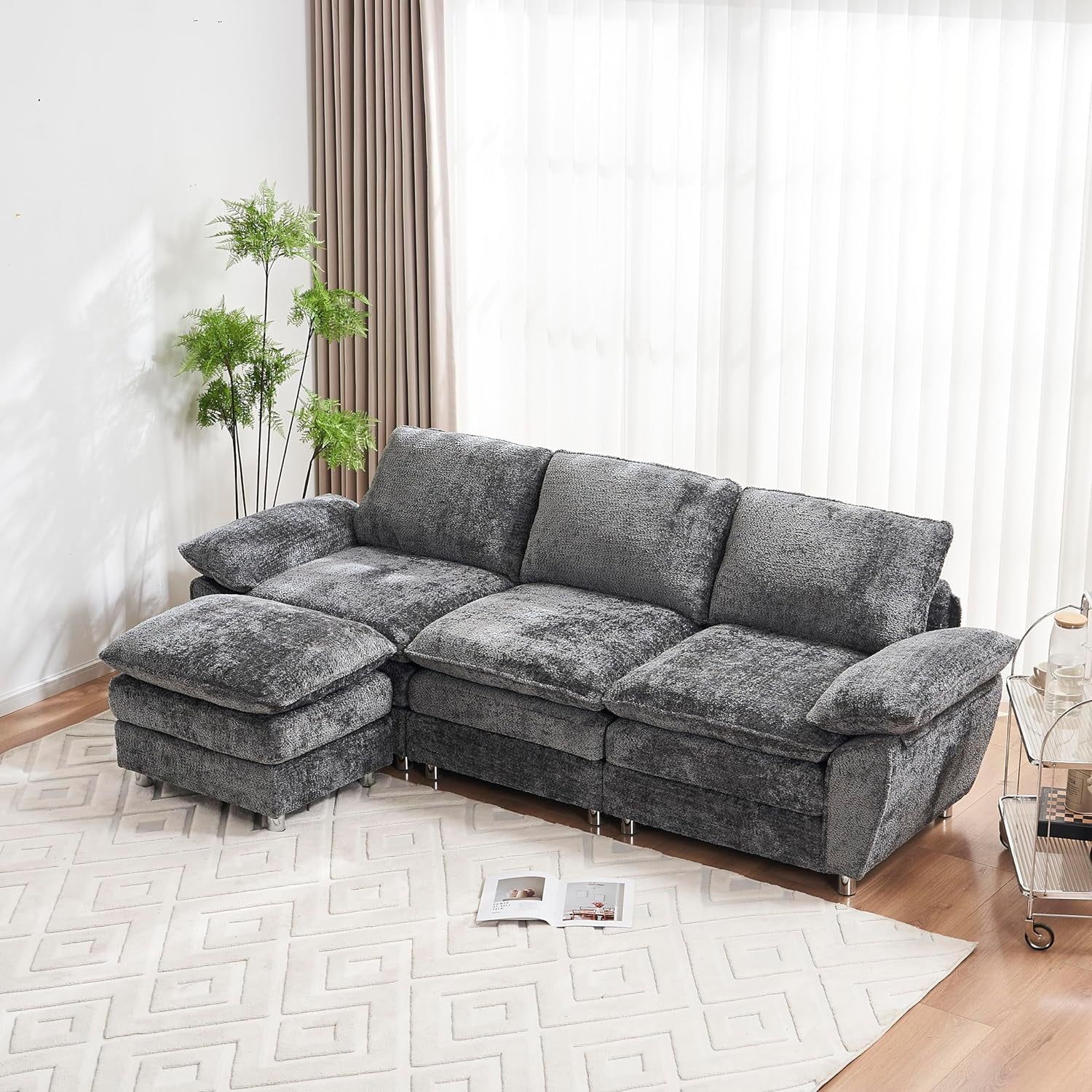
Picture this: you’ve finally found the perfect gray sleeper sofa with built-in pillow support. It’s not just furniture anymore—it’s the centerpiece of your entire living room. But how do you design the rest of your space around it? This isn’t just about aesthetics; it’s about creating a functional, comfortable environment that works for your lifestyle. The right layout can transform your home from merely decorated to truly lived-in.
When you think about your living room, what comes to mind? Is it the cozy feeling of settling in after a long day? Or perhaps the way sunlight streams through the windows onto your favorite chair? For many people, the heart of their living space is their sofa. But what happens when that sofa is more than just a place to sit? What if it’s a sleeper that offers extra sleeping space and includes built-in pillow support? That’s when your whole approach to room design needs to shift. A gray sleeper sofa with built-in pillow support is more than just furniture—it’s a lifestyle choice. It’s about maximizing every inch of your space while ensuring comfort remains paramount. The challenge lies in designing your entire room around this versatile piece. It’s not just about placing it in the center and calling it done. You have to consider traffic flow, lighting, storage solutions, and how everything else will complement and enhance this major investment. This guide explores how to make the most of your gray sleeper sofa’s unique features while creating a cohesive, inviting space.
Understanding the Unique Features of Gray Sleeper Sofas
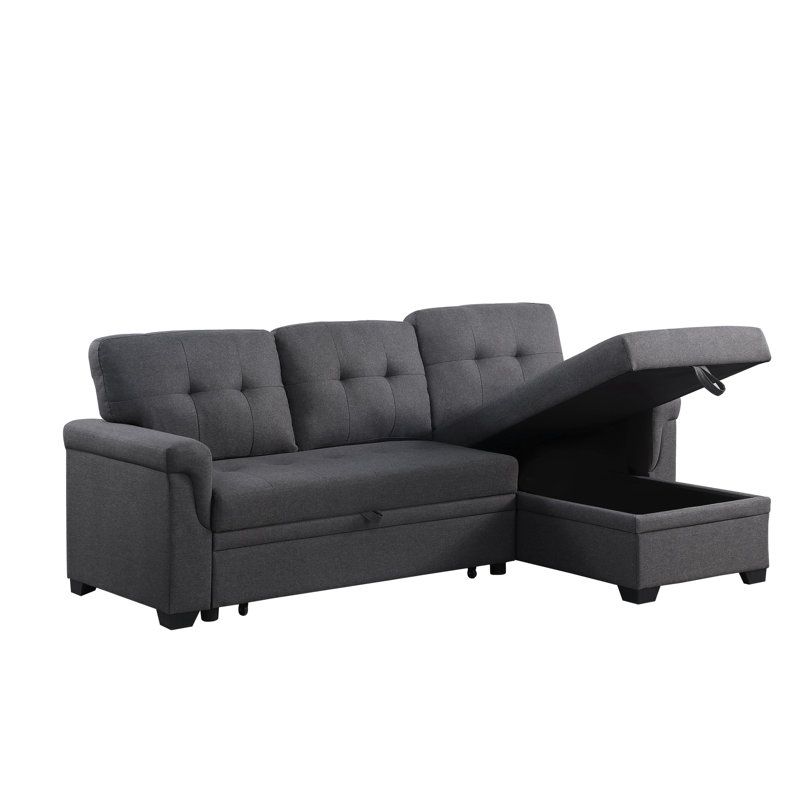
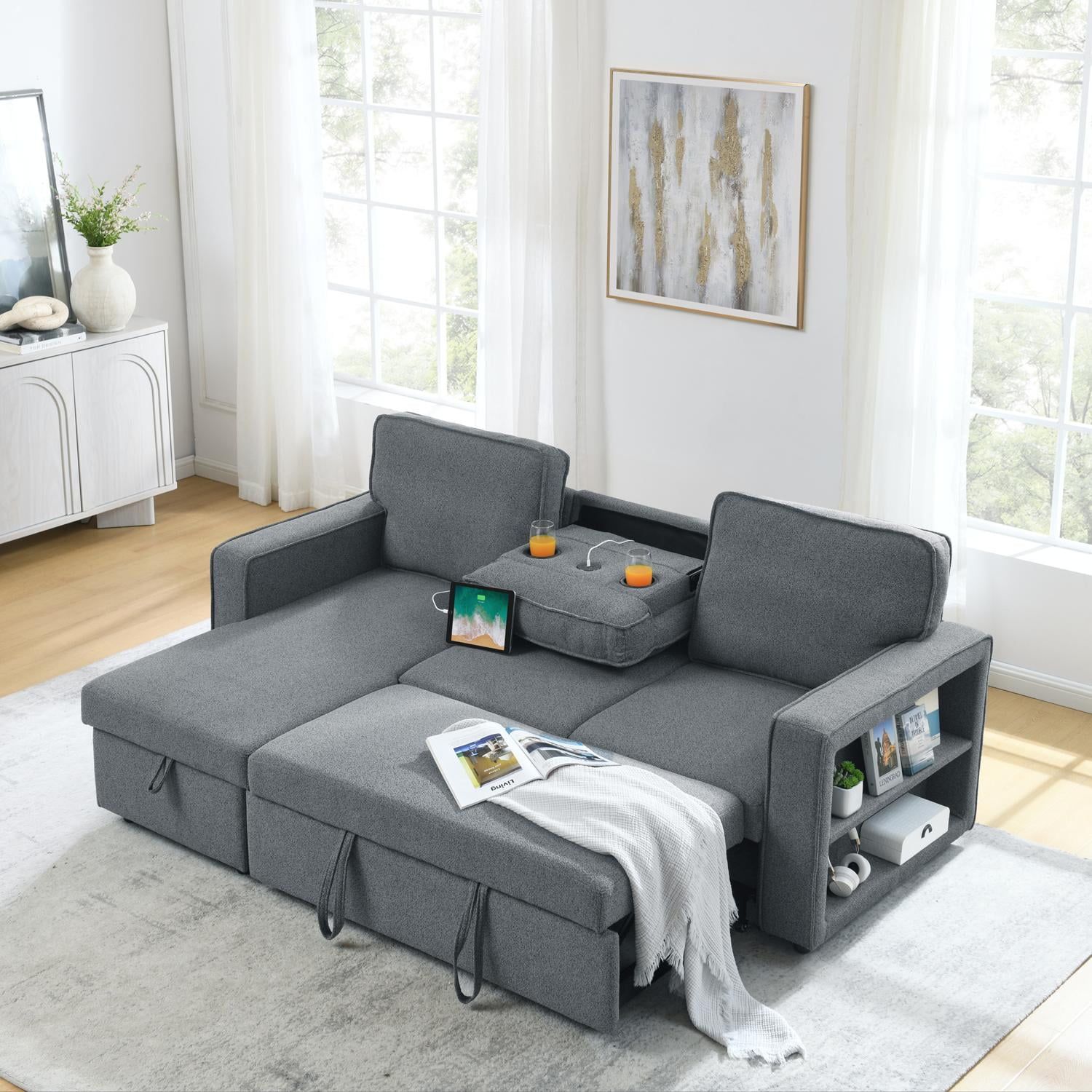
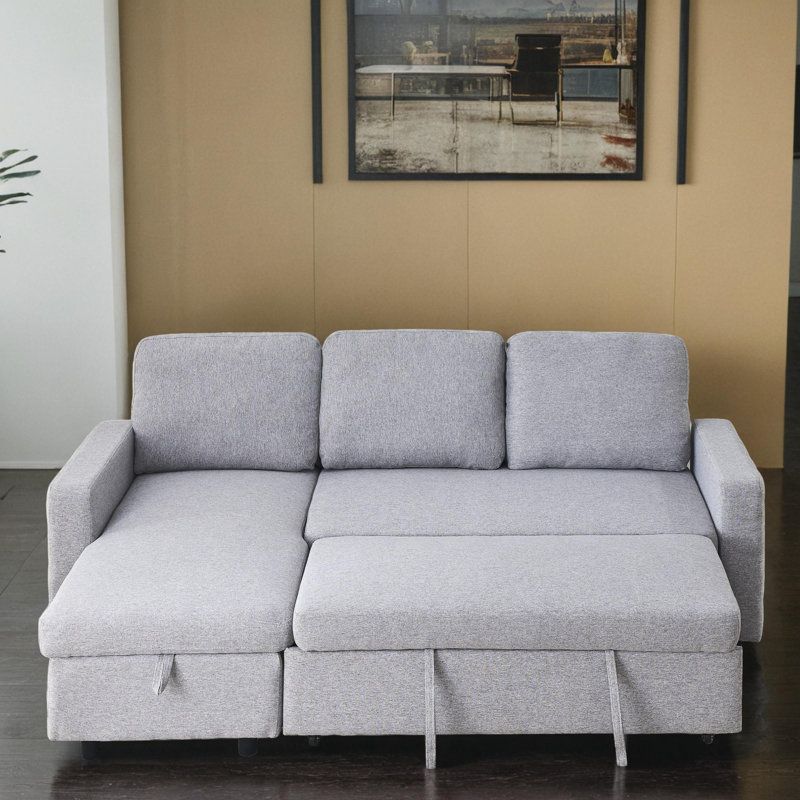
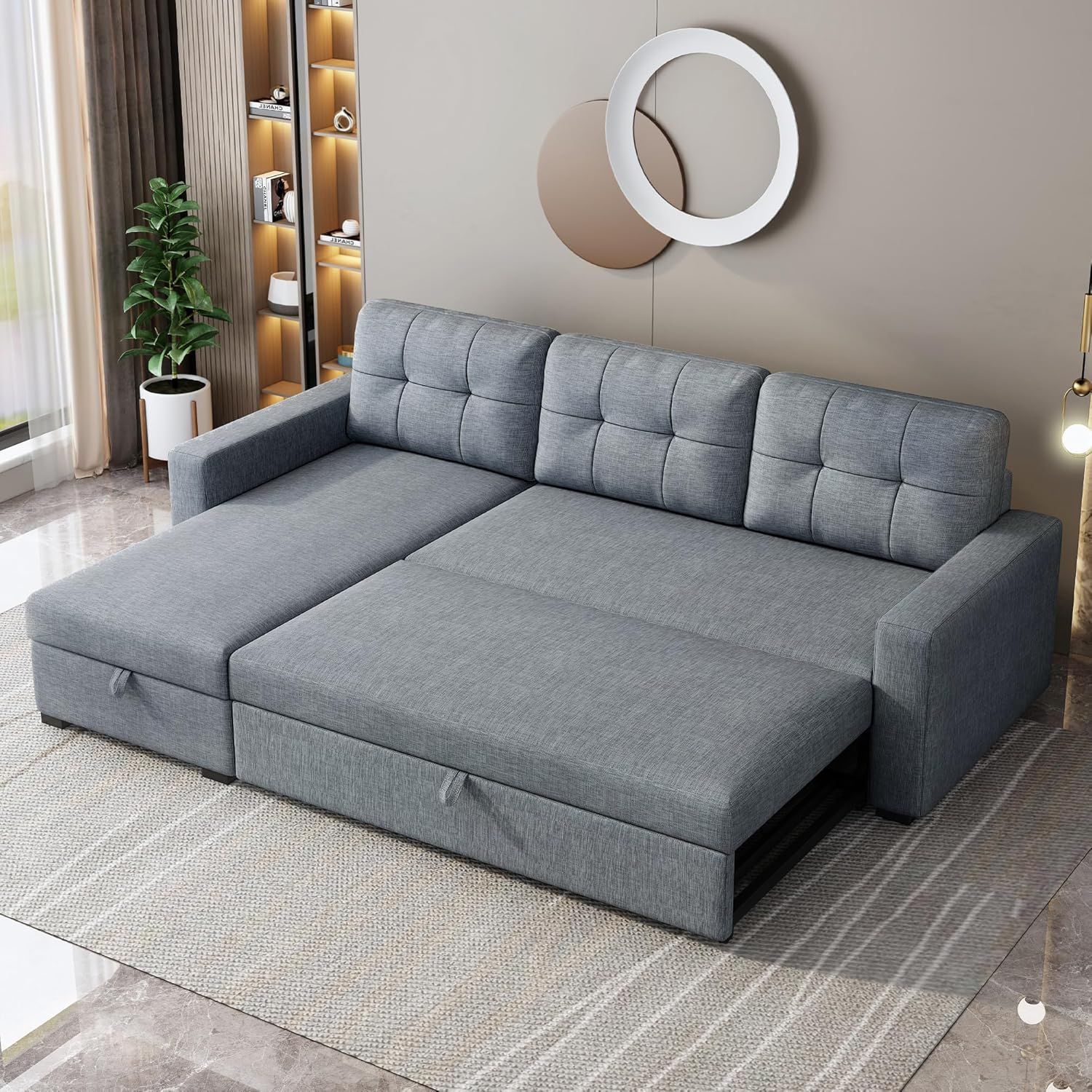
Before diving into design, it’s crucial to understand what makes a gray sleeper sofa with built-in pillow support special. These aren’t ordinary couches. They’re designed with multiple functions in mind. The sleeper aspect means you get an extra bed without having to purchase separate furniture. That’s incredibly valuable in smaller spaces where every square foot counts. The built-in pillow support adds another layer of comfort. It’s not just about having pillows scattered around the room. These sofas come with integrated headrests and support systems that work seamlessly with your body’s natural curves. Gray is a neutral color that works with virtually any decor style. It’s neither too bold nor too subtle, making it easy to pair with bolder accent colors or muted tones. The versatility of the color means you can experiment with different textures and materials without worrying about clashing. Think of it as a blank canvas that can adapt to your changing tastes over time. The sleeper function alone can double your seating options. You might use it as a regular sofa during the day and convert it to a guest bed at night. That kind of flexibility is rare in modern furniture. It’s like having two pieces of furniture in one, which means you save money and space simultaneously.
Key Considerations for Room Layout Planning
Designing around a gray sleeper sofa requires careful planning. Start by measuring your space accurately. How big is your room? What are the dimensions of your doorway? Will the sofa fit easily through it? These practical details matter more than you might think. Next, consider the room’s primary purpose. Is it mainly for entertaining guests? Or is it more of a quiet retreat where you relax after work? Your answer will influence how you position the sofa. Traffic flow is essential. You want enough space around the sofa for people to move freely. A general rule of thumb is to leave at least 36 inches of clearance around the main seating area. If you have children or pets, you’ll want even more space. Also, think about where you’ll place your coffee table. Will it go directly in front of the sofa, or will you create a conversation area with other seating? The placement of the sleeper sofa can dramatically change how your room feels. It might become the anchor point for the entire space, or it could be positioned to maximize natural light. Consider how the sofa will affect the room’s proportions. A large gray sleeper sofa can make a small room feel cramped, or it can make a large room feel more intimate. It all depends on how you position it and what you pair it with. Don’t forget about electrical outlets and lighting fixtures. You’ll want to plan where you’ll plug in your TV, lamps, or other electronics. The sofa’s location might dictate where you place your entertainment center or side tables.
Creating Visual Balance and Flow
A well-designed room creates visual harmony. When you have a gray sleeper sofa with built-in pillow support, you’re working with a substantial piece of furniture that deserves attention. The key is balancing it with other elements in the room. Start with the concept of focal points. Every room needs something to draw the eye. With a gray sleeper sofa, that might be the way it sits in the room, or perhaps the texture of the fabric. You can create balance by using similar shapes or colors elsewhere in the space. If your sofa has clean lines, consider adding some organic shapes through plants or curved accent chairs. If your sofa has a more traditional look, you might want to incorporate modern elements like geometric art or sleek side tables. The color scheme plays a huge role in creating flow. Since gray is a neutral, it can be paired with almost any accent color. But choose wisely. Too many competing colors can make a room feel chaotic. Stick to 2-3 main colors max. Consider the scale of everything in the room. If your sleeper sofa is large, you might want smaller accent pieces to avoid overwhelming the space. On the flip side, if your room is tiny, a large sofa might make it feel even smaller. The built-in pillow support can add visual interest without taking over the room. It creates depth and dimension that helps break up large walls or open spaces. Think about how the sofa’s shape interacts with the room’s architecture. Does it complement or contrast with the room’s natural lines? The way light hits the sofa’s surface can also impact the overall feeling of the space. Natural light changes throughout the day, so consider how the sofa will look in different lighting conditions.
Optimizing Storage Solutions Around the Sofa
One of the biggest advantages of a gray sleeper sofa with built-in pillow support is the potential for creative storage solutions. Many modern sleeper sofas come with hidden compartments or built-in storage areas. These aren’t just for show—they serve a real purpose in keeping your living space organized. Think about what items you typically store in your room. Are there books that need shelving? Do you have blankets and pillows that need hiding away? Your sleeper sofa might offer solutions for both. The built-in pillow support often means there’s additional space behind the backrest. This area can be used for storing seasonal items, extra bedding, or even office supplies. If you have a larger room, consider adding console tables or sideboards near the sofa. These can provide extra storage while also serving as decorative elements. You might also want to think about wall-mounted storage solutions. Floating shelves can display books or collectibles while keeping them within easy reach. The key is matching storage to function. You don’t want to hide important items in hard-to-reach places. If you’re planning to use the sleeper sofa as a guest bed, having nearby storage for linens and pillows makes sense. Some people prefer to keep their living room clutter-free, while others are more relaxed about it. The built-in storage features of your sofa can help accommodate either preference. Consider how often you’ll need to access different items. Items you use daily should be easily reachable. Things you use less frequently can be stored higher up or in less obvious spots. The sleeper sofa itself can act as a divider between different zones in your living space. If you have a large open area, you might use the sofa to separate a seating area from a dining or work zone.
Lighting and Ambiance Integration
Lighting can make or break a room’s atmosphere. When you have a gray sleeper sofa with built-in pillow support, you’re dealing with a significant piece that deserves proper illumination. The right lighting can highlight the sofa’s features and create a welcoming environment. Start with your main light source. Is it overhead lighting, or do you prefer floor lamps and table lamps? The sleeper sofa’s size and shape will influence how you want to light it. A large gray sofa might benefit from multiple light sources to ensure even illumination. Consider the different times of day and how the lighting will change. Morning light might make the sofa look different than evening light from table lamps. The built-in pillow support creates interesting shadows and highlights that lighting can enhance. You might want to add ambient lighting around the sofa area. This could be wall sconces, string lights, or even candles if you’re going for a cozy vibe. Task lighting is also important, especially if you use the sofa for reading or working. A floor lamp or table lamp positioned near the sofa can provide focused light where you need it most. Don’t overlook the importance of dimmer switches. Having control over light levels allows you to adjust the mood throughout the day. You might want bright light for daytime activities and softer lighting for evening relaxation. The color of your gray sleeper sofa can affect how light behaves. Darker grays might absorb more light, while lighter grays reflect it better. This knowledge helps you plan your lighting strategy. You might want to add accent lighting to highlight the sofa’s texture or architectural features. Picture lights above the sofa or track lighting that follows its shape can create dramatic effects. The interplay between natural and artificial light creates a dynamic environment that changes throughout the day.
Choosing Complementary Furniture and Decor
Once you’ve established the foundation with your gray sleeper sofa, it’s time to think about what goes around it. The goal is to create a cohesive space where each element supports the others. Start with seating arrangements. If you’re planning to use the sleeper sofa as your main seating area, you’ll want to add complementary pieces. An armchair or two can create conversation areas. Coffee tables, side tables, and ottomans can provide both function and style. The key is maintaining balance. If your sofa is a statement piece, don’t overwhelm it with too many competing elements. Let it be the star of the show while other pieces play supporting roles. Consider the material and texture of your sofa. Is it leather, fabric, or a hybrid? Your other furniture should either complement or contrast appropriately. Leather sofas might pair well with wood accents, while fabric sofas can work with metal or rattan pieces. The built-in pillow support can actually help define the seating area. It gives the sofa a more defined shape that makes it easier to plan around. Think about how your chosen furniture affects the room’s flow. You want people to be able to move naturally between different areas. The sofa should encourage conversation rather than block it. Adding rugs can help define the seating area and provide visual continuity. A large rug under the sofa anchors the space and ties together all the different elements. Plants can add life to the room and soften hard edges. They also provide a natural contrast to the structured lines of furniture. Artwork and decorative objects should be chosen carefully. They should complement rather than compete with the sofa’s presence. The gray color of your sofa provides a neutral base that allows other colors to pop. Choose accent colors that you love and that will stay with you for years to come. Remember that less can often be more. Don’t overcrowd the space with too many decorative elements. The built-in pillow support already adds visual interest, so you don’t need to overdo it with additional details.
Practical Tips for Daily Life Integration
The real test of good design is how well it works in daily life. A gray sleeper sofa with built-in pillow support is meant to be used, not just admired. That means considering how it fits into your actual routine. Think about how often you’ll need to use the sleeper function. If you frequently have guests, you’ll want to make it easy to convert the sofa. That might mean choosing a model with simple mechanisms or one that opens smoothly. The built-in pillow support should make it comfortable for guests to sleep on. Consider the noise level when the sofa converts. Some models can be quite loud, which might disturb guests. If you’re planning to use it regularly as a bed, think about the mattress quality. The built-in pillow support should work well with whatever sleeping surface you choose. Storage is another practical consideration. How will you organize the items that go with the sleeper function? Will you keep bedding in the built-in compartments, or do you prefer to store it elsewhere? The way you organize your space affects how easy it is to maintain. You’ll want to choose materials and finishes that are easy to clean and maintain. Gray fabrics tend to hide dirt and stains well, which is helpful for busy households. If you have kids or pets, you might want to consider stain-resistant materials. The built-in pillow support should be comfortable for everyone who uses it. Different people have different preferences for pillow height and firmness. Make sure the sofa accommodates your family’s needs. You might also want to consider how the sofa affects privacy. If it’s placed in a high-traffic area, you might want to add some visual barriers or screens. The space around the sofa should allow for easy movement. You’ll need room to get to and from the sofa without bumping into things. Finally, think about how the sofa fits into your cleaning routine. Regular maintenance keeps the sofa looking great and extends its lifespan. Consider how often you’ll need to vacuum or dust the built-in features. Some models are easier to clean than others, and that should factor into your decision.
Final Thoughts on Creating Your Ideal Space
Designing your living space around a gray sleeper sofa with built-in pillow support is more than just arranging furniture. It’s about creating a place that reflects your personality and meets your practical needs. The key is starting with the fundamentals and building from there. You’ve learned about the unique features of your sofa, how to plan your room layout, and how to integrate everything seamlessly. Now it’s time to apply these principles to your specific situation. Every home is different, and what works for one person might not work for another. The important thing is to approach the process thoughtfully. Consider your lifestyle, your family’s needs, and your personal aesthetic preferences. The gray sleeper sofa with built-in pillow support gives you a solid foundation to build upon. It’s a versatile piece that can adapt to different situations and changing needs. Whether you’re entertaining guests or relaxing alone, the right setup makes all the difference. Remember that good design isn’t about following rigid rules. It’s about creating a space that feels right for you. Take your time with the process, and don’t be afraid to experiment. Sometimes the best solutions come from unexpected combinations. The built-in pillow support isn’t just a feature—it’s an opportunity to enhance comfort in ways you might never have considered. Think about how you want to use the space, and let that guide your decisions. Whether you’re hosting parties or enjoying quiet evenings, your room should support those moments. Your gray sleeper sofa is more than furniture. It’s a foundation for creating the home you want to live in.
Designing around a gray sleeper sofa with built-in pillow support is a journey of thoughtful planning and creative execution. You’ve explored how to understand the unique features of this versatile piece, plan your room layout effectively, and create visual harmony. The key takeaway is that this type of furniture isn’t just about having a place to sit—it’s about creating a flexible, comfortable space that adapts to your lifestyle. From optimizing storage to integrating proper lighting, every element should support the central role your sofa plays in your daily life. The practical considerations, from guest comfort to cleaning ease, ensure that your investment pays off long-term. Most importantly, this process reminds us that good design starts with understanding ourselves and our needs. Your living space should reflect who you are and how you want to live. The gray sleeper sofa with built-in pillow support gives you the foundation for that reflection. It’s not just about the furniture itself, but about how it enables you to create the perfect environment for your life. Whether you’re planning your first room or redesigning an existing space, remember that thoughtful design creates lasting satisfaction. The effort you put into planning around this piece will pay dividends in comfort, functionality, and style for years to come.