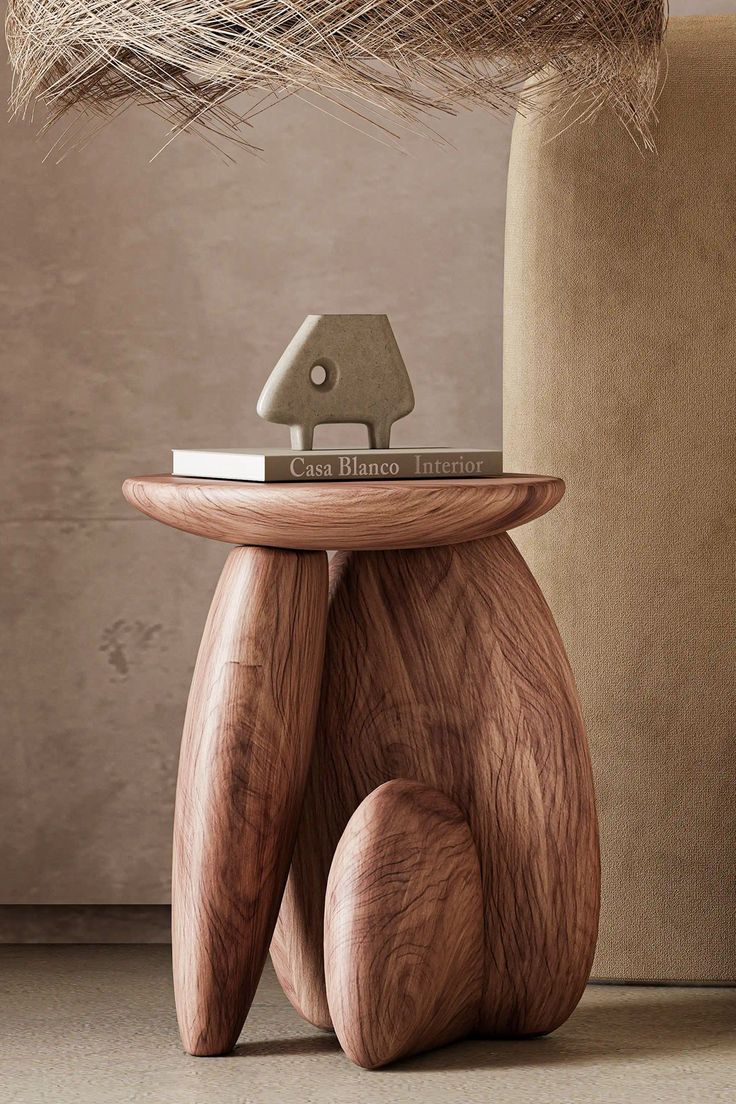
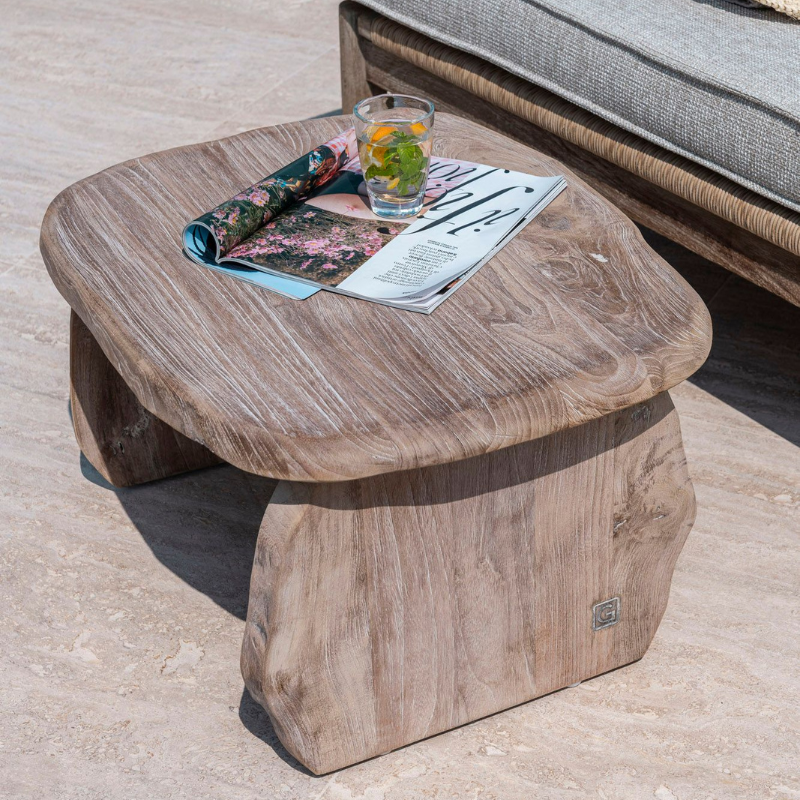
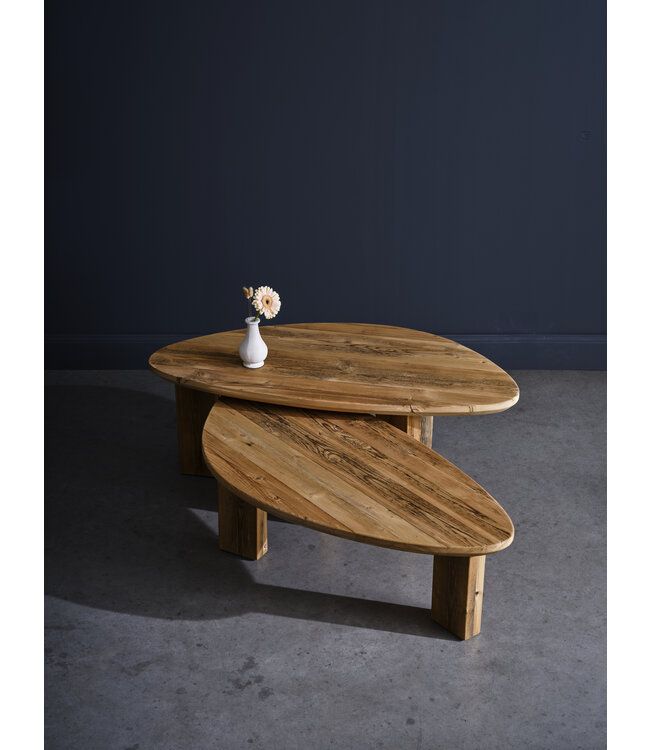
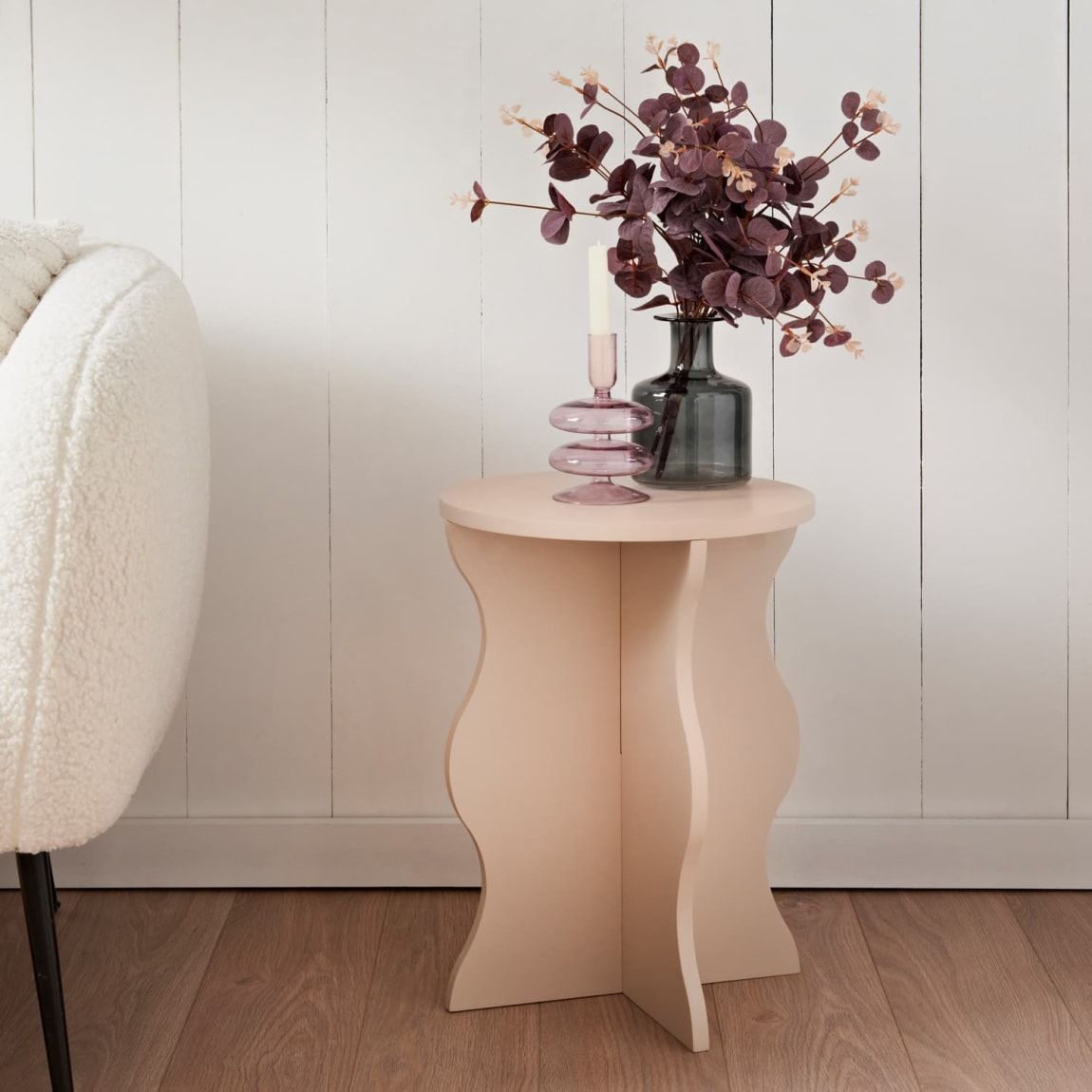
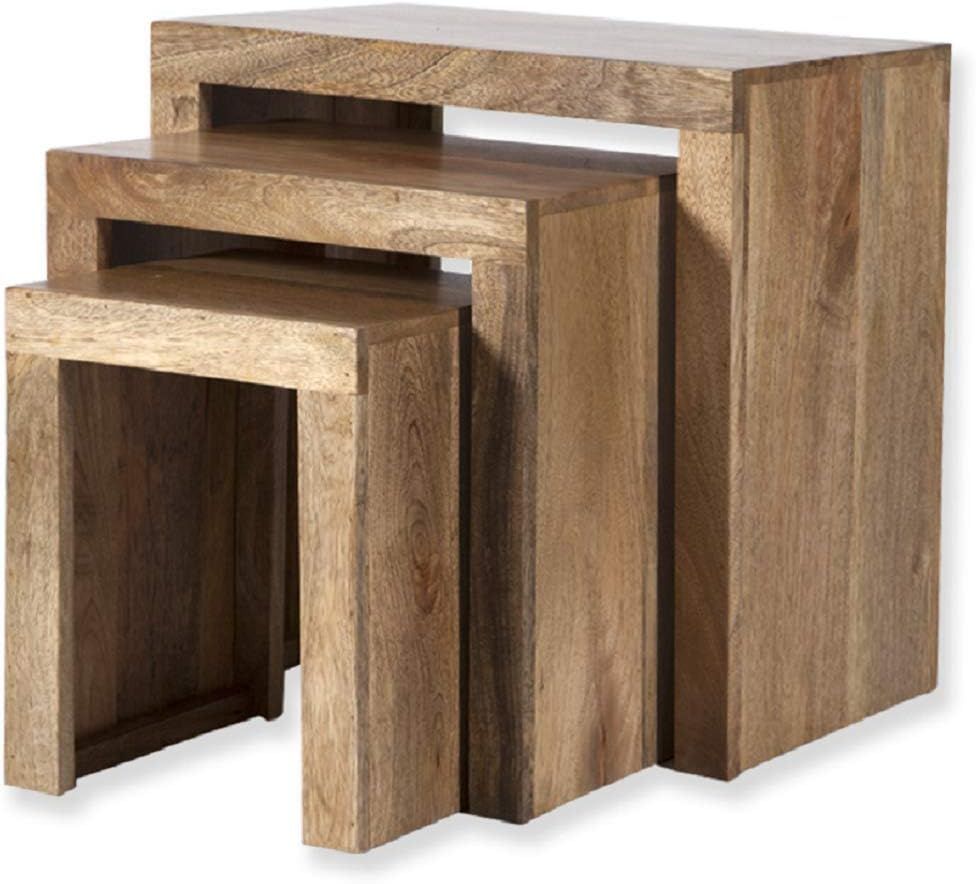
There’s something deeply satisfying about sitting at a table that was carved by skilled hands, or leaning against a chair that tells a story of patience and dedication. In our fast-paced digital world, the warmth of natural wood and the artistry of handcrafted furniture offer a comforting contrast to mass-produced alternatives. This isn’t just about aesthetics – it’s about connecting with the genuine care and skill that goes into each piece.
When you walk into a room filled with handcrafted wooden furniture, you’re not just seeing objects – you’re encountering a narrative. Each piece carries the fingerprints of artisans who have dedicated their time, energy, and passion to creating something beautiful and functional. These aren’t just tables or chairs; they’re heirlooms in the making, built to last generations rather than seasons. What makes these creations so special? It’s not just the wood itself, but the human touch that transforms raw materials into meaningful home companions.
The Artisan’s Touch
Handcrafted furniture represents the pinnacle of human craftsmanship. Unlike factory-made items that follow rigid assembly lines, each handmade piece carries subtle imperfections that make it uniquely charming. A woodworker’s hands shape every curve, every joint, and every finish. They understand wood grain patterns, know how different species respond to tools, and possess the intuition to work with nature rather than against it.
Consider a hand-carved dining table. The artisan might spend weeks selecting the perfect timber, then carefully plan each cut to highlight the wood’s natural beauty. The final result shows not just the wood’s character, but the craftsman’s vision. Every scratch, every gentle warp, and every unique grain pattern tells a story of the piece’s journey from forest to home. This personal connection between creator and creation simply cannot be replicated by machines.
Natural Materials That Age Gracefully
Natural wood has inherent qualities that make it superior to synthetic alternatives. Unlike plastic or engineered materials that degrade over time, quality hardwoods actually improve with age. They develop a patina that reflects their history and usage. A well-crafted wooden chair might show wear marks that tell stories of countless meals shared, of cozy evenings spent reading, or of children learning to sit properly.
The beauty of natural wood lies in its responsiveness to environment and handling. A wooden sideboard will gradually change color from sunlight exposure, developing rich amber tones that reflect its time spent in your home. These changes don’t detract from the piece’s beauty – they enhance it. The wood becomes part of your living space, growing more familiar and cherished with each passing year. This transformation is impossible to achieve with manufactured alternatives.
Sustainability and Environmental Responsibility
Handcrafted wooden furniture often embodies sustainable practices that modern manufacturing struggles to match. Many artisans source wood from responsibly managed forests or reclaimed materials, ensuring their creations don’t contribute to environmental degradation. When you purchase a handcrafted piece, you’re often supporting local communities and traditional woodworking techniques that have been passed down through generations.
Consider the lifecycle of a handcrafted wooden bookshelf versus a mass-produced one. The artisan might use locally-sourced timber, employ traditional joinery methods that require no adhesives, and create designs that can be easily repaired rather than discarded. This approach reduces waste and environmental impact while promoting ethical production practices. Additionally, these pieces often become family treasures that get passed down through generations, maximizing their utility and minimizing resource consumption.
Durability Beyond Expectations
Contrary to popular belief, handcrafted wooden furniture often outlasts its machine-made counterparts. The careful attention to detail and quality materials used in handcrafted pieces means they’re built to withstand the test of time. Master craftsmen understand that strong joints, proper wood selection, and thoughtful construction techniques create furniture that will serve families for decades.
A handcrafted wooden dresser from the 1950s still functions perfectly today, while many modern equivalents would have failed long ago. This durability comes from traditional joinery methods like mortise and tenon, dovetails, and other time-tested techniques that create stronger connections than modern glues and screws. These pieces aren’t just functional – they’re investments in lasting quality that pay dividends in longevity and reliability.
Uniqueness in Every Piece
No two handcrafted wooden furniture pieces are exactly alike, which adds to their appeal and value. The natural variations in wood grain, color, and texture mean that each creation has its own personality. A handcrafted dining chair might have a slightly different curve in its backrest due to the wood’s natural characteristics, or a wooden coffee table could display an unusual swirl pattern that makes it truly one-of-a-kind.
This uniqueness extends beyond visual elements. The way a piece ages, the slight variations in finish, and even the small imperfections that occur during the crafting process all contribute to a piece’s individual character. These variations make each item feel personal and special rather than generic and disposable. In a world of mass production, having something truly unique brings satisfaction that’s hard to find elsewhere.
Building Meaningful Connections
Handcrafted wooden furniture creates emotional bonds between users and their belongings. When you use a table that someone lovingly crafted, you’re participating in a tradition that spans centuries. You’re not just using furniture – you’re engaging with the history and culture of craftsmanship.
These pieces often become central to family memories and traditions. A handcrafted wooden dining table might host holiday dinners for decades, while a handmade rocking chair could provide comfort to multiple generations. The stories that accumulate around these objects – the laughter shared, the tears shed, the celebrations held – add layers of meaning that transcend simple functionality. This emotional investment makes them far more valuable than any commercial alternative could ever be.
The timeless appeal of handcrafted natural wood furniture lies in its ability to combine practicality with soul. These pieces represent more than mere decoration – they embody human creativity, environmental responsibility, and the joy of authentic craftsmanship. While they may cost more upfront, they offer incredible value through durability, beauty, and the irreplaceable connection they forge between people and their homes. In a world increasingly dominated by synthetic materials and mass production, handcrafted wooden furniture stands as a testament to the enduring power of human skill and natural beauty. Choosing these pieces means investing in quality that will continue to enrich lives long after the initial purchase. Perhaps that’s why they’ve remained so beloved across cultures and generations – they remind us of what we can accomplish when we work with care, respect, and genuine passion for our craft.