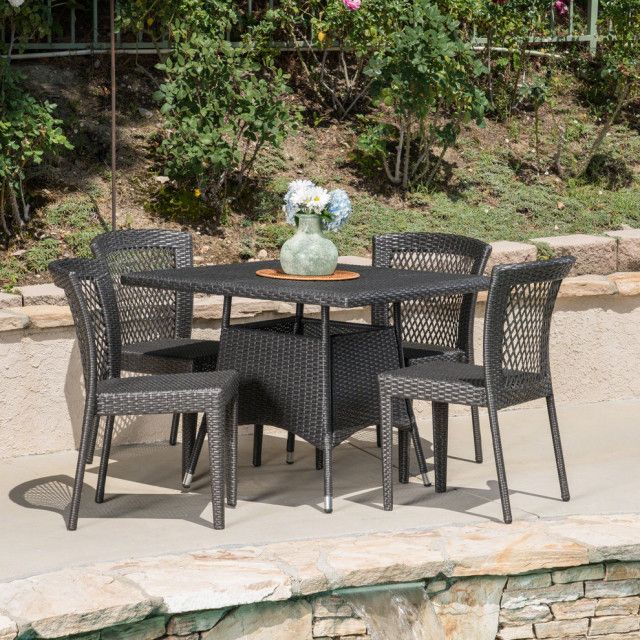
Picture this: a cozy lounge set that feels like a warm hug, yet its surface catches the sunlight in unexpected ways. This isn’t just wishful thinking – it’s the result of masterfully combining textures in outdoor furniture design. It’s the difference between a space that looks like it belongs in a showroom and one that feels like it was designed specifically for your lifestyle.
Outdoor living spaces have evolved far beyond simple chairs and tables. Today’s designers understand that the true magic happens when different materials and surfaces work together to create visual interest and tactile experiences. Think of texture mixing as the seasoning in a great recipe – just a little bit can transform a bland meal into something memorable. In outdoor furniture, this means taking elements like smooth wood grain, rough stone, soft fabrics, and metallic accents and weaving them together in ways that feel intentional rather than chaotic.
Understanding Texture Psychology
Textures in outdoor furniture aren’t just about aesthetics – they tap into our deep psychological responses to touch and sight. When we see a piece that combines smooth leather with weathered wood, we’re experiencing a sensory journey that goes beyond the obvious. The contrast triggers our brains to pay attention, to explore, to connect with the piece on multiple levels.
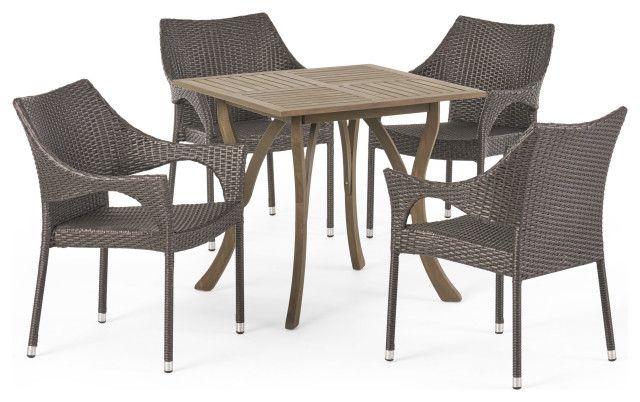
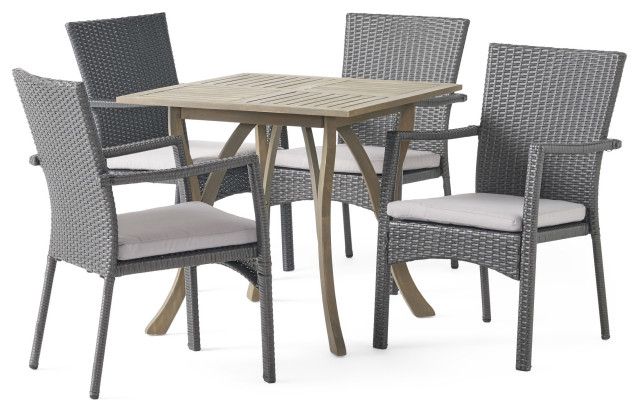
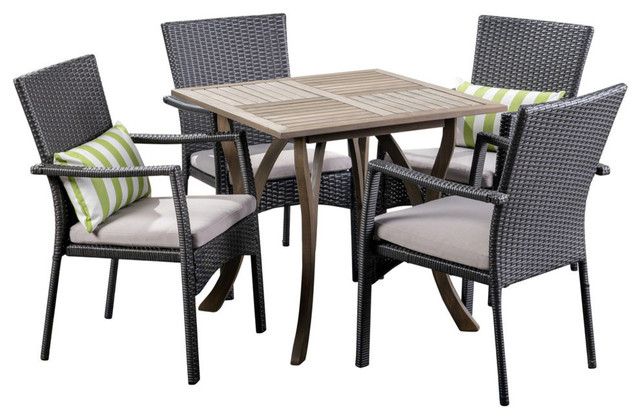
Consider how a wicker chair with a plush cushion creates both visual and physical contrast. The woven rattan provides a natural, organic feel while the soft fabric offers comfort. This interplay makes the piece more appealing and inviting, encouraging people to sit and stay longer. The psychology behind this is simple: variety keeps us engaged and interested. Too much uniformity, and we quickly lose interest. Too much chaos, and we feel overwhelmed.
Natural vs. Synthetic Material Harmony
One of the most interesting aspects of texture mixing is finding balance between natural and synthetic materials. Natural textures like wood grain, stone, and plant fibers bring warmth and organic appeal to outdoor spaces. They remind us of the outdoors even when we’re sitting inside.
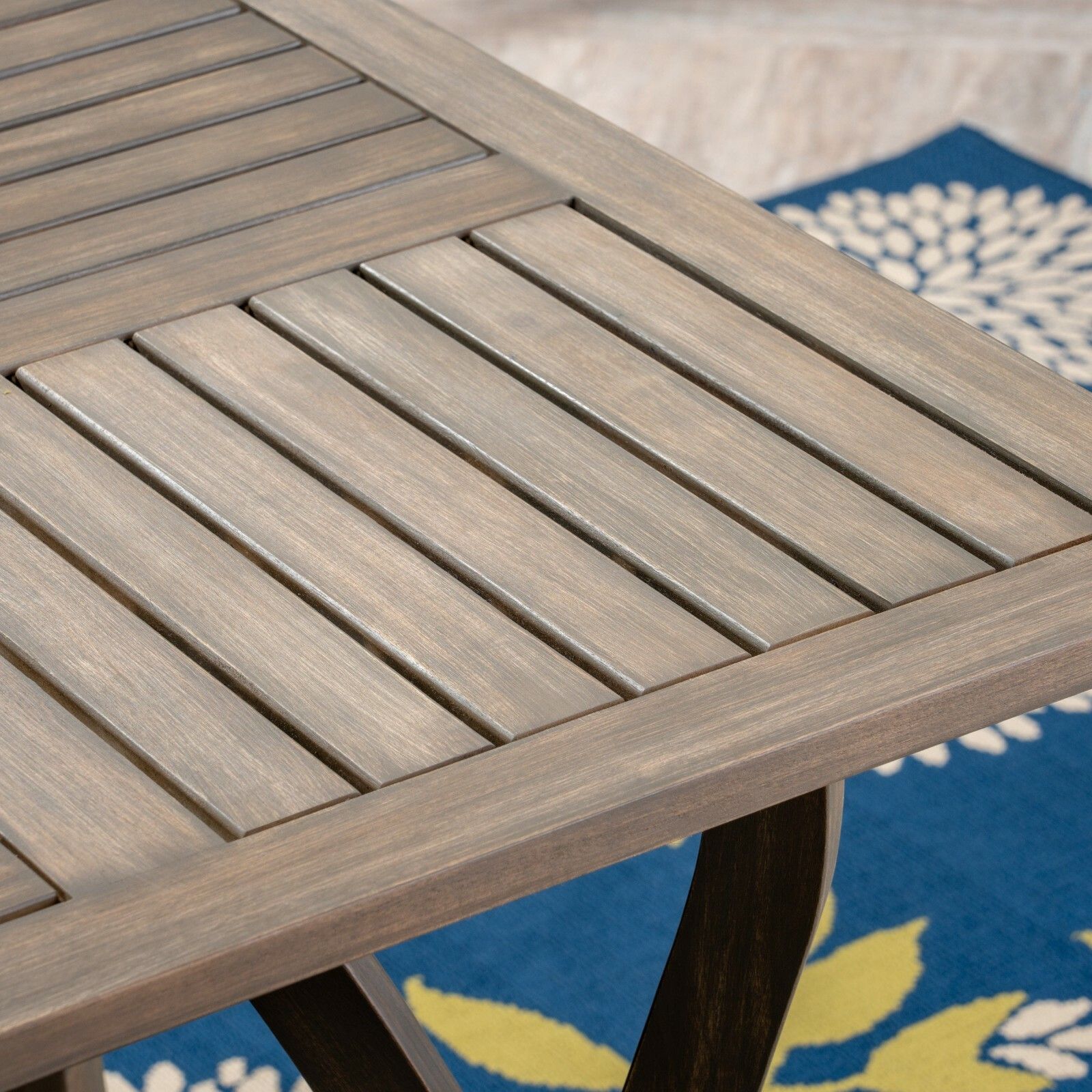
Synthetic materials offer durability and low maintenance. Think of how aluminum frames complement natural wood or how synthetic rope can add texture without the upkeep of natural fiber ropes. The key lies in understanding how each material ages and interacts with the environment.
A well-designed piece might feature a teak wood table with aluminum legs and a synthetic sling seat. The teak provides rich color and natural beauty, the aluminum offers strength and resistance to rust, and the synthetic sling brings easy care and comfort. Together, they create a cohesive look that stands up to the elements while maintaining visual appeal.
Color as a Textural Bridge
Colors often serve as the invisible thread that ties different textures together. A dark charcoal gray metal frame can make a light wood table appear more defined, while a warm terracotta cushion can make a cool concrete bench feel more inviting. Colors don’t just define the look – they influence how we perceive the textures themselves.
Think about a blue and white ceramic planter next to a rough stone patio. The blue adds a sense of calm while the white creates contrast that makes the stone’s natural texture pop. This interplay works because the colors create visual separation and definition between different materials.
Practical tip: Start with a neutral base color and build around it. This gives you room to experiment with different textures without overwhelming the space. Try a beige or cream-colored sofa with textured throw pillows in complementary colors. The result is a sophisticated look that feels both organized and dynamic.
Seasonal Considerations in Texture Selection
Outdoor furniture design must account for seasonal changes in both climate and appearance. Textures that look great in summer might feel too harsh in winter, or vice versa. This requires thoughtful planning and an understanding of how different materials respond to weather conditions.
For example, a smooth stone patio might feel cool and refreshing in hot weather, but could become uncomfortable in cold months. Adding a textured element like a woven rug or a rough-hewn wooden bench can create year-round appeal. The varying textures provide different tactile experiences throughout the seasons.
Some designers prefer to change textures seasonally, swapping out lighter fabrics for heavier ones or switching between smooth and rough surfaces based on weather patterns. Others create multi-seasonal designs that naturally adapt to changing conditions. The key is flexibility in approach while maintaining overall aesthetic coherence.
Practical Applications and Real Examples
Real-world applications of texture mixing show how these principles translate into beautiful, functional outdoor spaces. A dining set might combine a smooth stone top with rough-hewn wooden chairs and metal accents. The contrast creates visual interest while ensuring each element serves its purpose effectively.
Another common approach involves layering different types of seating. A traditional wicker chair might be paired with a modern metal frame chair, both featuring the same textured cushion material. This combination creates a conversation piece that feels both timeless and contemporary.
Consider a seating area with a smooth concrete bench, a textured rope swing, and a natural wood side table. Each element contributes differently to the overall experience, creating a space that invites exploration and interaction. The variety of textures encourages people to touch, sit, and engage with the environment in multiple ways.
Common Mistakes and How to Avoid Them
Mixing textures in outdoor furniture design can easily go wrong if not approached thoughtfully. One major mistake is using too many competing elements that create visual chaos instead of harmony. Imagine a space filled with glossy surfaces, matte finishes, and various textures all vying for attention – it becomes overwhelming rather than welcoming.
Another frequent error is ignoring the practical aspects of texture combinations. For instance, pairing delicate silk cushions with rough stone furniture might look beautiful but will quickly deteriorate under weather exposure. Balance beauty with functionality.
To avoid these pitfalls:
• Start with a dominant texture and add supporting elements
• Consider how each texture will age and weather over time
• Test materials for durability in your local climate
• Maintain a consistent color palette to tie everything together
• Don’t be afraid to let some textures dominate while others play supporting roles
The art of mixing textures in contemporary outdoor furniture design is both a science and an art form. It requires understanding how different materials interact visually and physically, how they age and change over time, and how they affect our emotional connection to the space. When done well, texture mixing transforms ordinary outdoor areas into extraordinary environments that invite people to linger, connect, and truly enjoy their outdoor living experience. Remember, the best texture combinations are those that feel intentional, balanced, and lived-in rather than forced or overly planned. The goal isn’t to create something flashy, but something that genuinely enhances the way we experience our outdoor spaces.