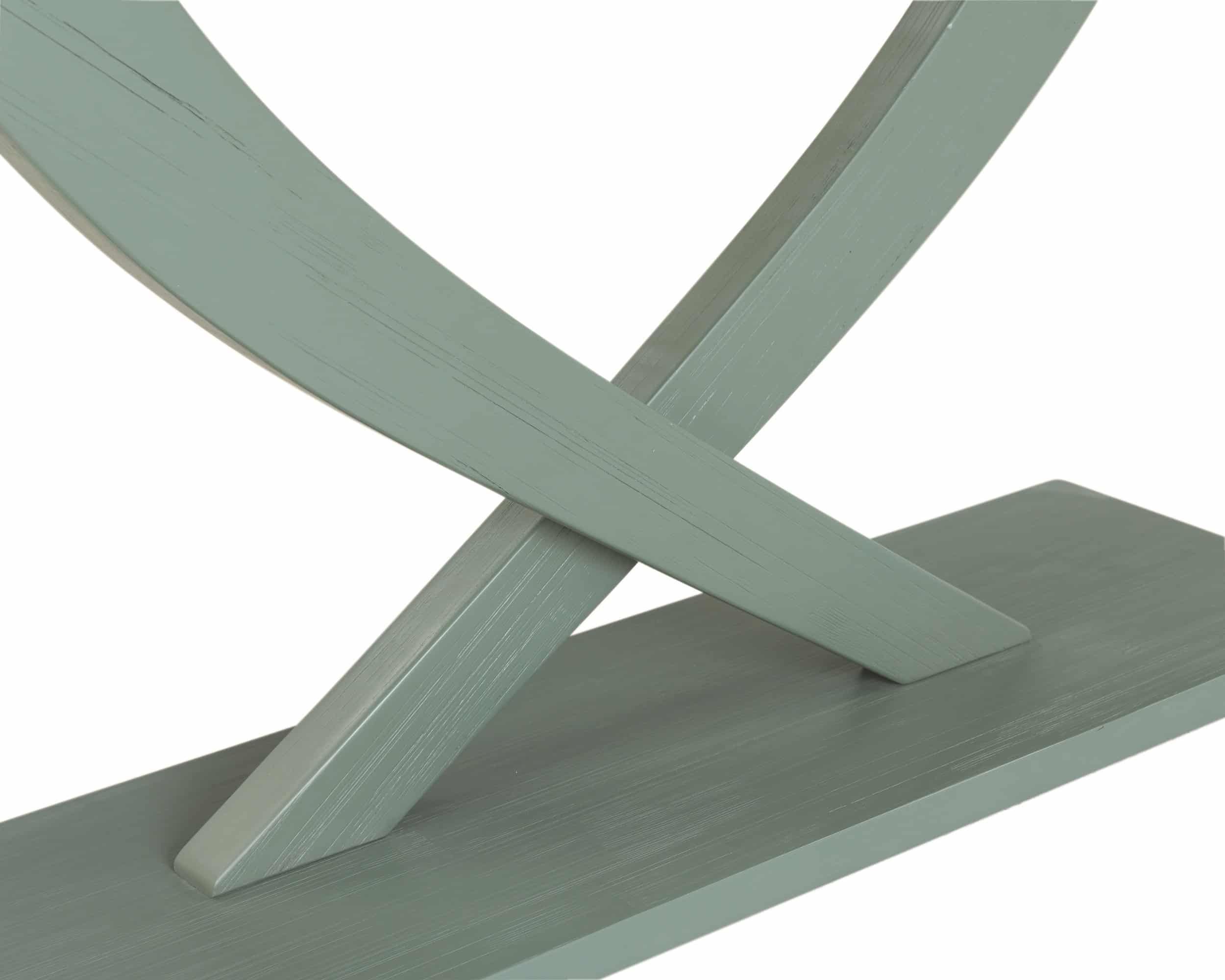
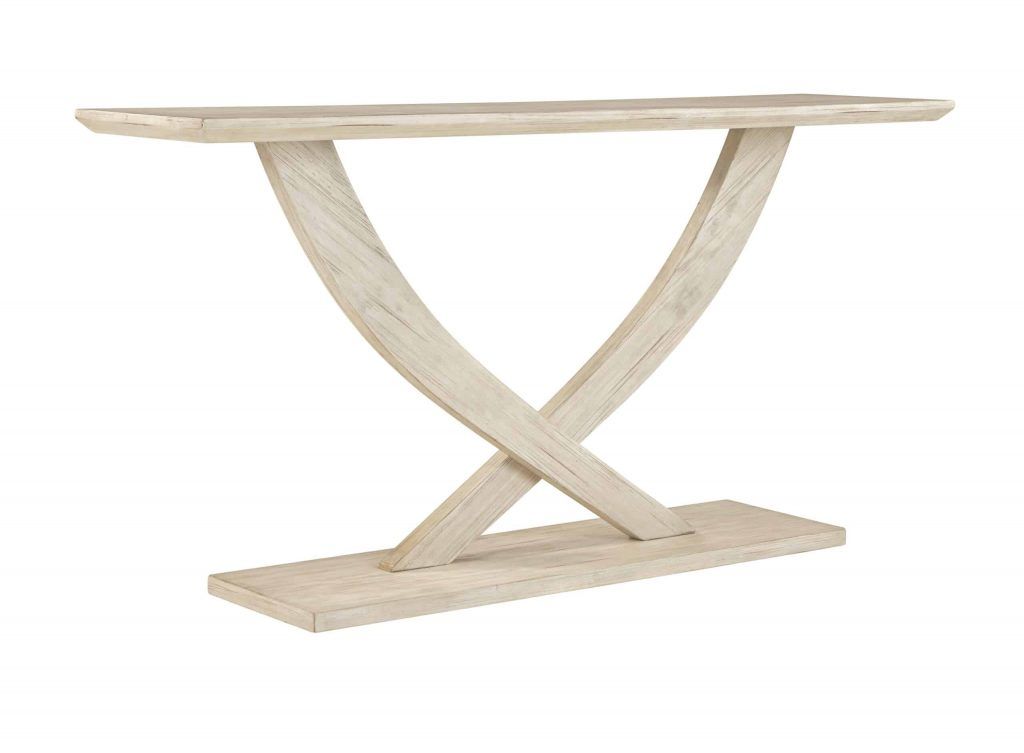
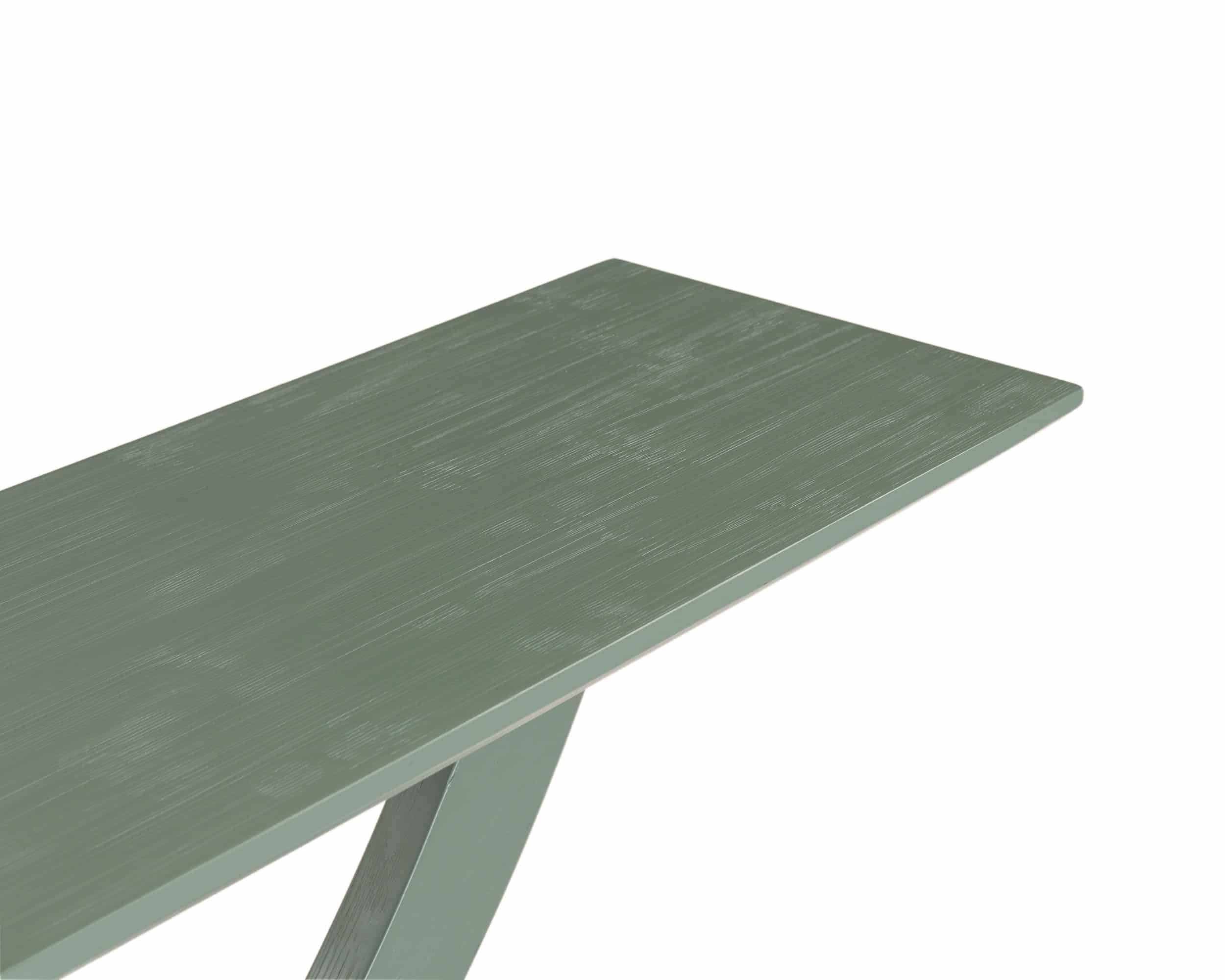
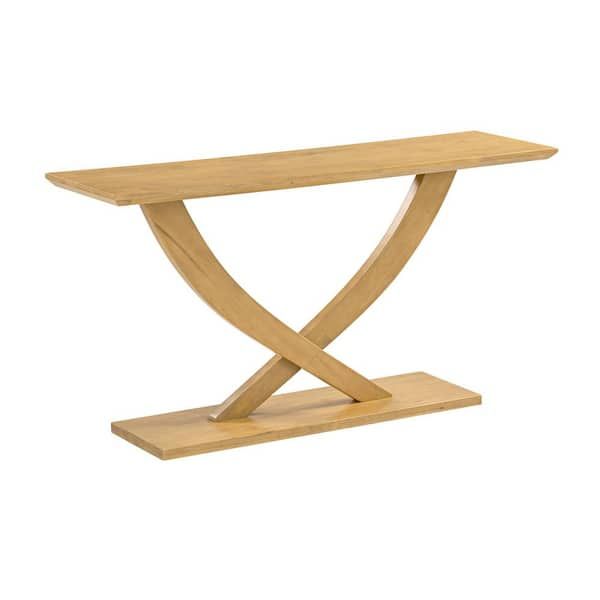
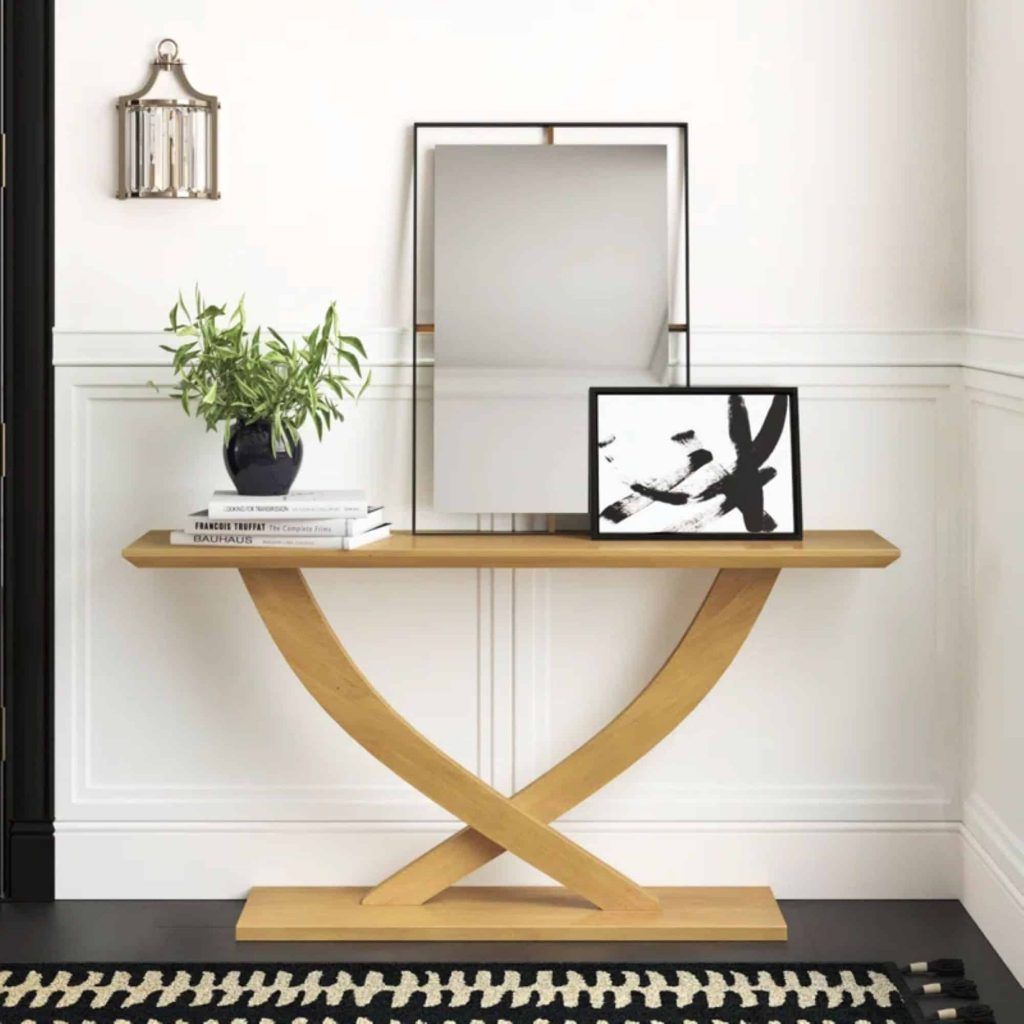
Imagine walking into a room where every piece tells a story of thoughtful design and careful execution. That’s exactly what you’ll find when you encounter a Rasmus console table. These aren’t just furniture pieces – they’re architectural statements that blend aesthetic beauty with practical functionality. The honeycomb design philosophy isn’t just a trend; it’s a deliberate approach to creating furniture that speaks to both the eye and the soul.
When you think about furniture design, you probably picture sleek lines, minimalist aesthetics, or perhaps ornate details. But there’s another approach that’s gaining attention among designers and homeowners alike – the honeycomb design philosophy. This isn’t about adding decorative elements for decoration’s sake. It’s about creating something that feels alive, something that moves beyond simple utility into the realm of artistry. Rasmus console tables embody this philosophy perfectly. They’re not just pieces of furniture; they’re conversations waiting to happen. The honeycomb pattern isn’t merely a visual element – it’s a statement about how we want our spaces to feel. It’s about bringing order to chaos, structure to fluidity, and purpose to everyday moments.
What Makes Honeycomb Design Unique?
The honeycomb design isn’t just about looking pretty. It’s about understanding how shapes interact with space and how repetition creates rhythm. Think about it – honeycombs in nature are marvels of efficiency. They maximize space while minimizing material usage. When designers translate this concept to furniture, they’re essentially asking: How can we create something that feels substantial yet airy? The answer lies in the interplay between positive and negative space. Each hexagonal element becomes part of a larger narrative, contributing to the whole while maintaining its individual character. This design approach requires deep consideration of proportions, balance, and the relationship between form and function. The result is furniture that doesn’t just sit in a room – it inhabits it. It creates a sense of movement and energy that draws the eye around the space. For instance, when a console table features a honeycomb pattern, it might seem like a simple geometric design at first glance. But upon closer inspection, you’ll notice how each hexagon connects to others, creating pathways for light and shadow. This creates a dynamic experience that changes throughout the day as natural light shifts.
Craftsmanship Behind the Honeycomb Pattern
Creating a honeycomb pattern in furniture isn’t as simple as drawing hexagons and calling it done. It takes years of experience and an intimate understanding of materials. The craftsmen working with Rasmus console tables must master the delicate balance between precision and organic flow. Every angle matters. Every curve needs to feel intentional rather than calculated. The process begins with selecting the right wood species. Not all woods are created equal when it comes to achieving the clean lines required for honeycomb patterns. Some woods have natural grain patterns that complement the geometric forms, while others might require additional treatments to achieve the desired effect. Consider the joinery techniques used. Traditional mortise and tenon joints work beautifully with honeycomb designs because they allow for precise connections while maintaining structural integrity. The craftsmen must also consider how the pattern will look from different angles. A design that looks perfect from the front might appear disjointed from the side. This means paying attention to the subtle variations in depth and dimension across the surface. Some artisans even incorporate slight imperfections into their work, recognizing that perfection can sometimes feel cold and artificial.
Materials and Their Role in Honeycomb Creation
The choice of materials makes or breaks a honeycomb design. Wood remains the most popular choice because of its natural warmth and ability to enhance the geometric patterns. But the specific type of wood matters tremendously. Oak provides strength and durability, making it ideal for high-traffic areas. Walnut offers rich coloration that brings out the contrast in the honeycomb pattern. Birch, with its lighter tone, allows the geometric design to take center stage. The grain patterns in wood can either support or compete with the honeycomb structure. A piece of oak with straight, consistent grain might be better suited for a simpler honeycomb pattern, while a piece with more dramatic grain might be better for a more complex design. Metal components add another layer of complexity. Stainless steel or aluminum can create clean lines that contrast beautifully with the organic curves of wood. Some designers combine wood and metal to create a dialogue between materials. The key insight here is that materials should enhance the overall philosophy rather than overshadow it. When you examine a well-crafted Rasmus console table, you notice how each material choice supports the honeycomb narrative. The wood grain might echo the natural hexagonal structure, while metal accents provide structural definition.
Design Principles That Guide Honeycomb Furniture
The honeycomb philosophy operates under several core principles that guide every decision in the design process. First is the principle of unity through diversity. Each hexagon might be identical in shape, but variations in size, texture, or finish create visual interest without disrupting the overall harmony. Second is the concept of rhythm and repetition. The honeycomb pattern creates a natural rhythm that guides the eye around the piece. This is why furniture designers often place these pieces in strategic locations where they can influence the flow of traffic in a room. Third is the principle of balance. The weight distribution in a honeycomb design must feel balanced even when it isn’t mathematically perfect. Sometimes the illusion of perfect symmetry is more pleasing than actual symmetry. Consider how a designer might vary the sizes of hexagonal elements to create a more dynamic composition. The design might feature larger hexagons in the center, gradually becoming smaller toward the edges. This creates a focal point while maintaining visual stability. The fourth principle involves the relationship between solid and empty space. In honeycomb design, the spaces between elements are just as important as the elements themselves. These gaps create breathing room and allow light to filter through, making the piece feel less heavy and more open.
Practical Applications and Room Integration
One of the most fascinating aspects of honeycomb design is how adaptable it is to different environments. A console table with a honeycomb pattern works beautifully in modern minimalist spaces, but it also finds its place in traditional settings. The key is understanding how the design interacts with existing elements in the room. In a contemporary living room, the honeycomb pattern might serve as a striking focal point, drawing attention to itself while still blending with clean lines and neutral tones. In a more traditional setting, the pattern can add modern sophistication to classic furniture. The versatility comes from the fact that honeycomb design works at multiple scales. Whether you’re designing a small accent table or a large console piece, the principles remain the same. The challenge lies in scaling the pattern appropriately for the space. A small honeycomb design might be subtle enough to complement delicate furnishings, while a larger version could dominate a grand entryway. Consider how the pattern affects the perception of space. A honeycomb console table in a narrow hallway can create visual width, making the space feel more expansive. The repetitive nature of the pattern draws the eye outward, creating a sense of movement that can make tight spaces feel more open.
Maintenance and Longevity of Honeycomb Furniture
Caring for honeycomb furniture requires understanding that each element of the design contributes to its overall durability. The interconnected nature of the honeycomb pattern actually helps distribute stress evenly across the piece, making it more resistant to damage than traditional designs. However, this doesn’t mean you can neglect proper care. Regular maintenance keeps the honeycomb pattern looking fresh and vibrant. Dusting should be done carefully to avoid scratching the surface, especially if the piece features natural wood finishes. The hexagonal elements might trap dust in interesting ways, requiring special attention during cleaning. Some craftsmen recommend using specialized wood cleaners that won’t dull the finish or obscure the pattern. For outdoor applications, weather-resistant materials become essential. The honeycomb design can actually be advantageous in outdoor settings because the pattern allows water to drain easily, preventing pooling that might cause damage. The key is choosing appropriate materials for the environment. A console table designed for indoor use might not hold up well in harsh weather conditions. Some manufacturers offer protective treatments that preserve the honeycomb pattern while providing weather resistance. Understanding how environmental factors affect the longevity of the design helps ensure that the furniture continues to look beautiful for years to come.
The honeycomb design philosophy represents more than just a trend in furniture making – it’s a thoughtful approach to creating objects that enhance our daily lives. When you look at a Rasmus console table, you’re seeing centuries of craftsmanship combined with modern design thinking. The beauty lies not just in the final product, but in the process that brought it to life. Every hexagon tells a story of careful planning, skilled execution, and deep respect for both materials and users. This design approach reminds us that good furniture should do more than simply hold things – it should inspire, comfort, and bring joy to everyday moments. As you consider your next furniture purchase, remember that some pieces are designed to last not just physically, but emotionally too. The honeycomb philosophy teaches us that thoughtful design creates lasting value, and that’s something worth investing in. Perhaps the most beautiful aspect of this approach is how it encourages us to slow down and appreciate the details that make life richer. When you sit in a room with a honeycomb console table, you’re not just enjoying furniture – you’re experiencing the result of countless hours of dedication to craft and design.